
Edwardian Satinwood Stand
When searching for an edwardian satinwood stand, collectors discover versatile pedestals, jardinières and small display pieces defined by light timbers and refined neoclassical revival design.
Edwardian Satinwood Stand
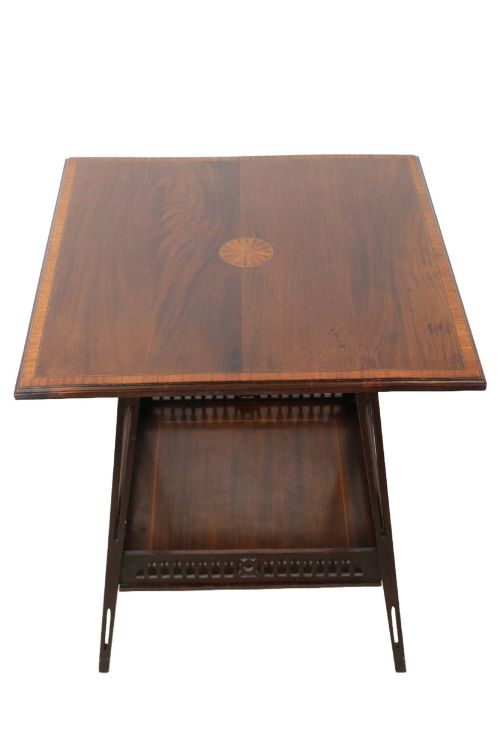
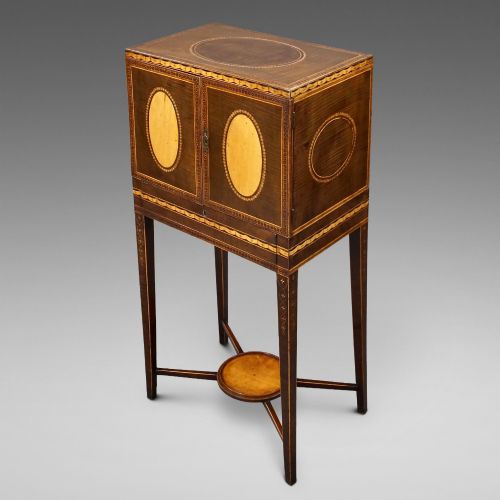
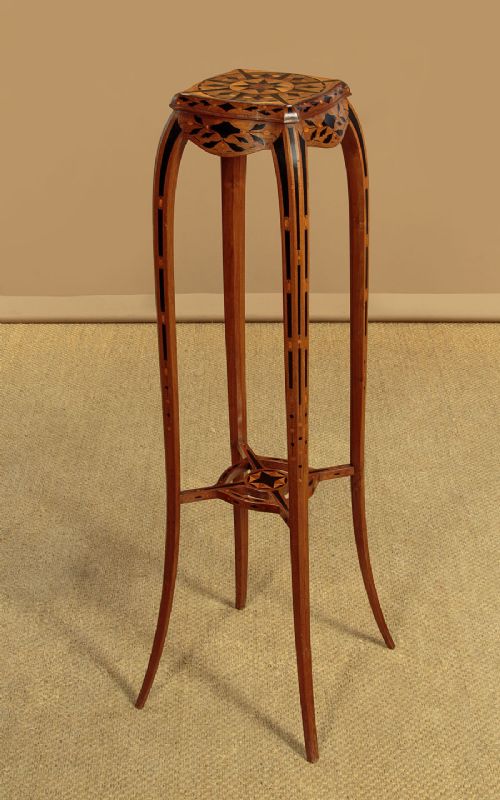
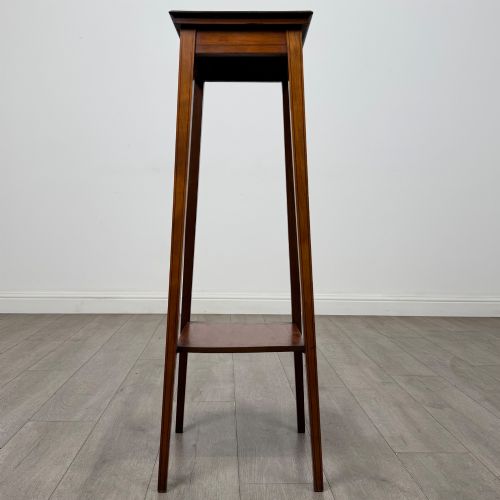
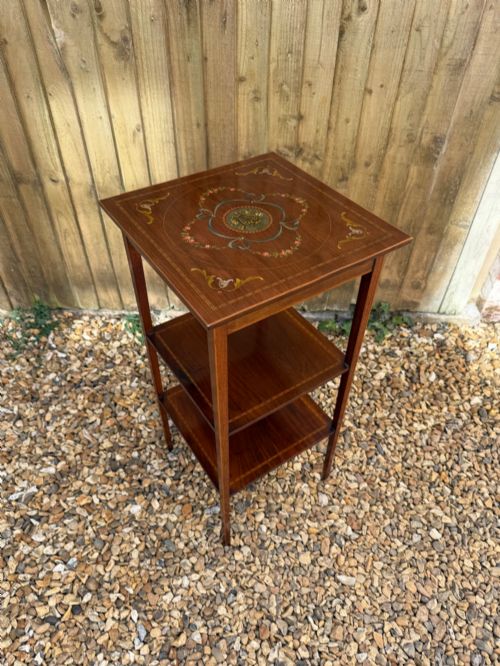
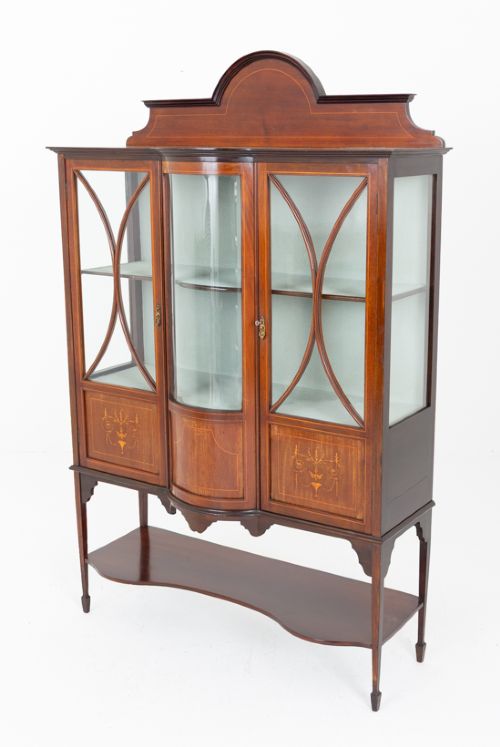
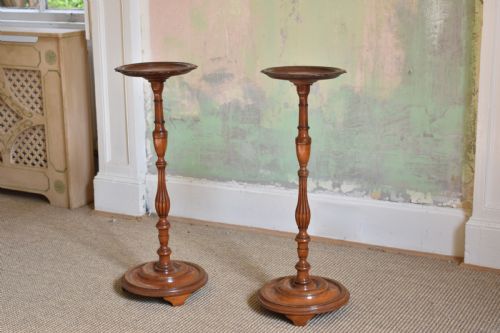
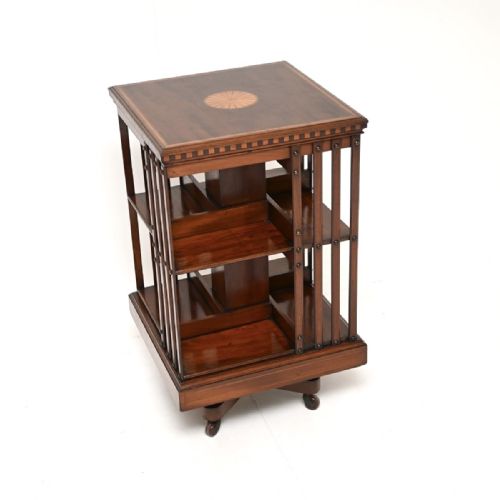
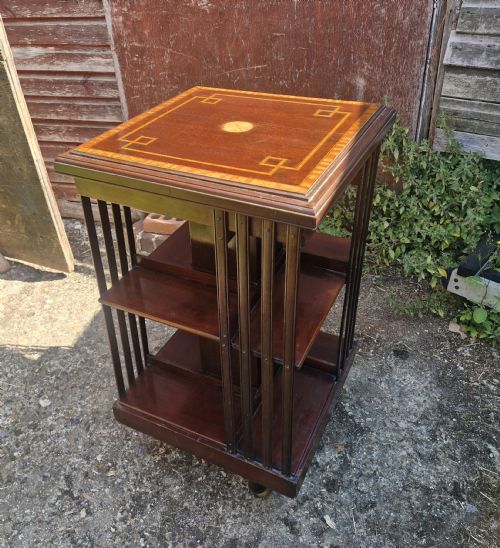
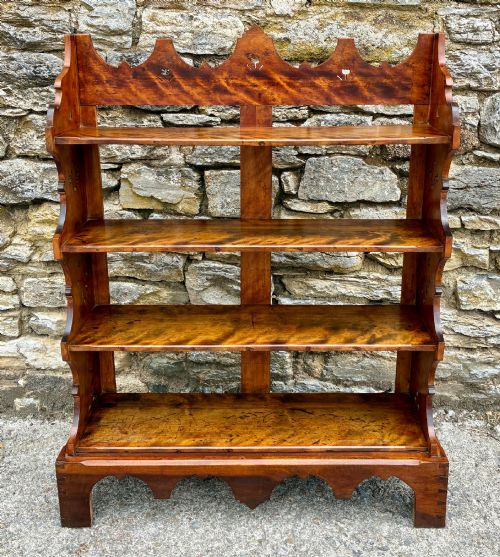
An edwardian satinwood stand encompasses a variety of compact display and support furniture produced around the turn of the twentieth century, drawing heavily on earlier eighteenth-century Sheraton designs. The inventory records numerous specialised forms, including plant stands, urn stands, jardinières, cake stands, and occasional tables designed to showcase decorative objects or hold domestic accessories.
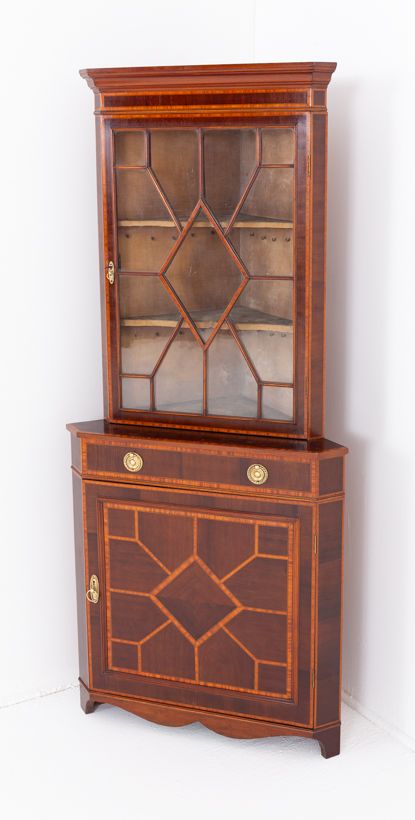
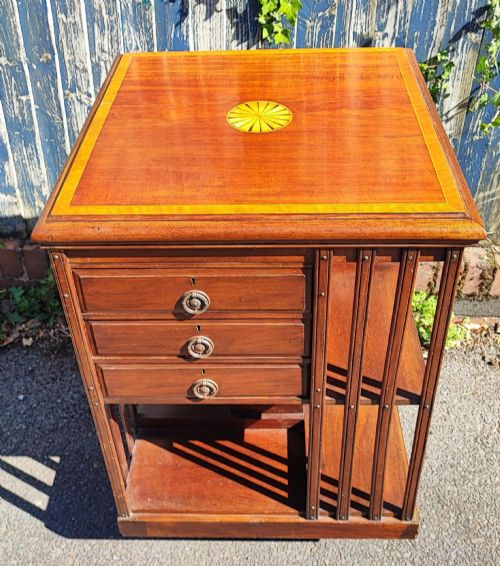
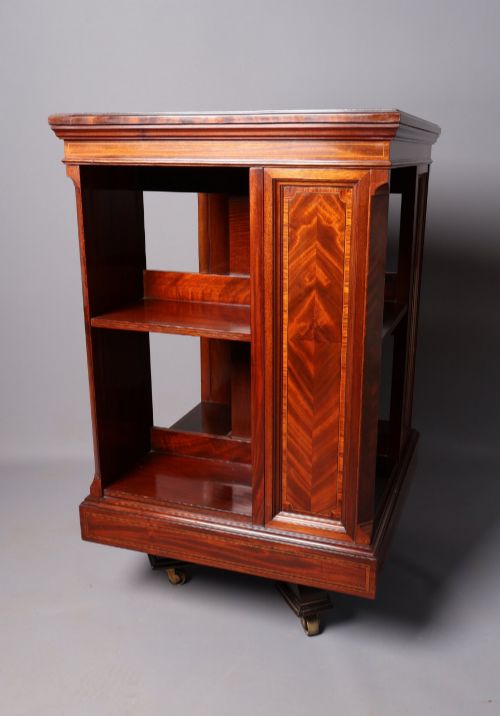
Makers of this period often utilised mahogany as a structural carcase while employing satinwood for veneers, banding, and detailed inlay work. Pieces frequently reflect Sheraton Revival, Arts and Crafts, or neoclassical influences, spanning the late nineteenth century into the Edwardian era.
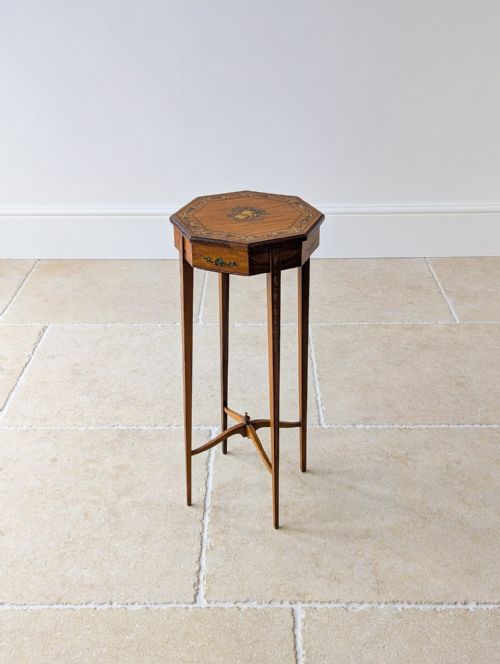
Buyers most commonly encounter two-tier jardinière stands, pedestal urn supports, and small occasional tables featuring delicate tapering legs and contrasting stringing. These items served specific ornamental functions in period drawing rooms and boudoirs, prioritizing elegance and lightness over heavy utility.
Materials and Technique
Cabinetmakers relied on figured satinwood and mahogany veneers applied to stable secondary timbers, often accentuating the grain with contrasting stringing in boxwood and ebony. This juxtaposition of pale golden satinwood against darker mahogany created the characteristic crisp contrast defining Sheraton Revival furniture.
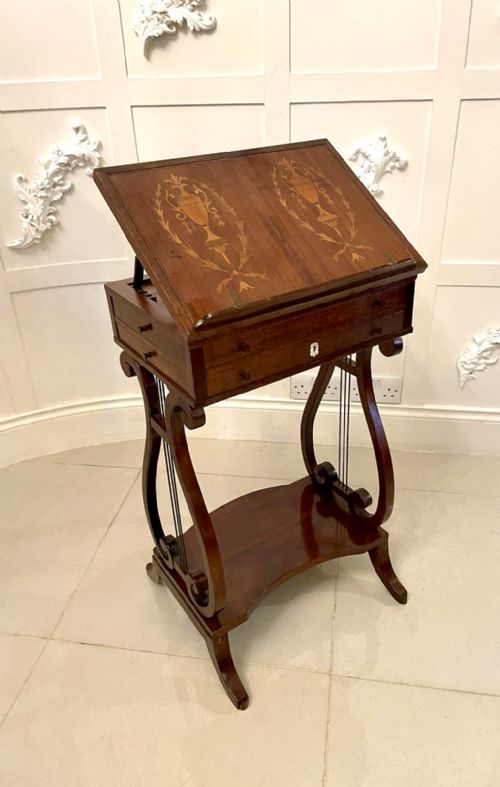
Inlay and marquetry form a central part of the construction technique, utilising botanical and neoclassical motifs embedded precisely into the timber surfaces. Painted decoration also appears across several examples, introducing floral panels and delicate ribbons directly onto the wood.
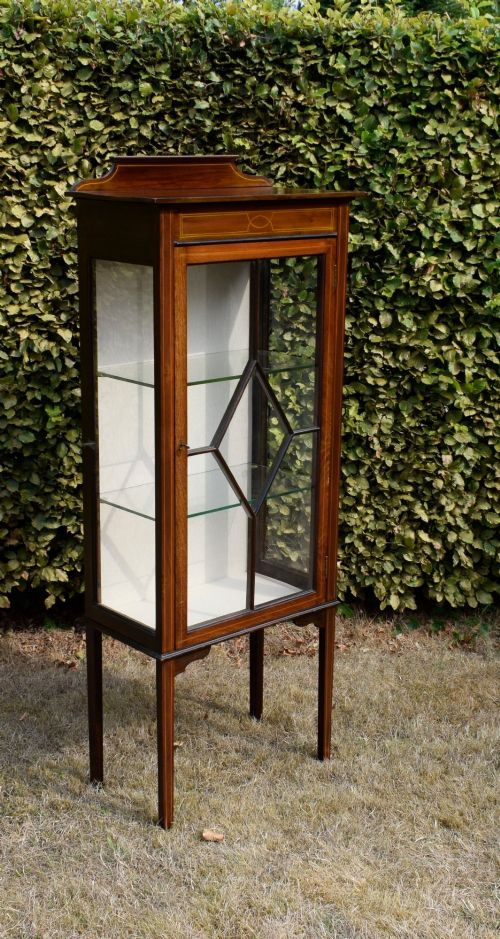
Several stands double as musical cabinets, proving that Edwardian guests needed entertainment close at hand.
Assessing Craftsmanship
The standard of an edwardian satinwood stand rests upon the precision of its timber selection and the complexity of its decorative elements. Superior examples display highly figured, book-matched veneers and tightly registered inlay without gaps or filler.
Structural refinement distinguishes finer workshop production from standard commercial output, seen in slender tapering legs, sound corner joints, and well-balanced proportions. Hand-painted details and genuine marquetry rather than printed transfers elevate the artistic merit of individual pieces.
Trevor Page & Co·Mappin & Webb·Waring & Gillow·Collinson & Lock·Howard & Sons
The Edwardian Satinwood Stand Glossary
- Satinwood
- A lustrous tropical hardwood known for its pale golden-yellow colour and natural sheen. It was frequently used for high-status veneer and stringing in late nineteenth and early twentieth-century furniture.
- Jardinière
- A decorative stand or receptacle specifically designed to hold a plant pot or floral arrangement. These pieces often feature waterproof liners or raised rims to protect the surrounding timber.
- Stringing
- Thin strips of contrasting wood inlaid into narrow channels cut into the furniture surface. This technique creates delicate linear borders around panels, drawers, and table tops.
- Marquetry
- Decorative patterns formed by fitting together small pieces of tinted or textured wood veneer onto a carcase. It differs from inlay by covering the entire surface design as a cohesive picture.
- Sheraton Revival
- A late nineteenth and early twentieth-century design movement that reinterpreted the neoclassical styles popularized by Thomas Sheraton. It emphasises light proportions, straight tapered legs, and refined decorative veneers.
Edwardian Satinwood Stand: Frequently Asked Questions
How do I distinguish Edwardian pieces from Georgian originals?
Edwardian interpretations of earlier styles typically exhibit twentieth-century construction methods, machine-sawn internal secondary timbers, and characteristic turn-of-the-century finishing techniques.
Genuine eighteenth-century pieces display hand-cut joinery, mature timber oxidation, and construction traits consistent with earlier workshop practices.
Are painted satinwood stands authentic to the period?
Numerous pieces from the era feature hand-painted floral swags, ribbons, or neoclassical motifs directly onto the satinwood or mahogany surface.
Such ornamentation reflects the popularity of the Sheraton Revival style, where painted decoration complemented fine wood veneers.
How should I care for satinwood furniture?
Satinwood requires protection from direct sunlight and extreme humidity fluctuations to prevent veneer lifting and timber drying.
Applying occasional high-quality microcrystalline wax helps preserve the natural lustre of the polished wood surface.