




Edwardian Safe Box
An Edwardian safe box provides secure storage for valuables, combining period craftsmanship with robust metal and timber construction.
Edwardian Safe Box
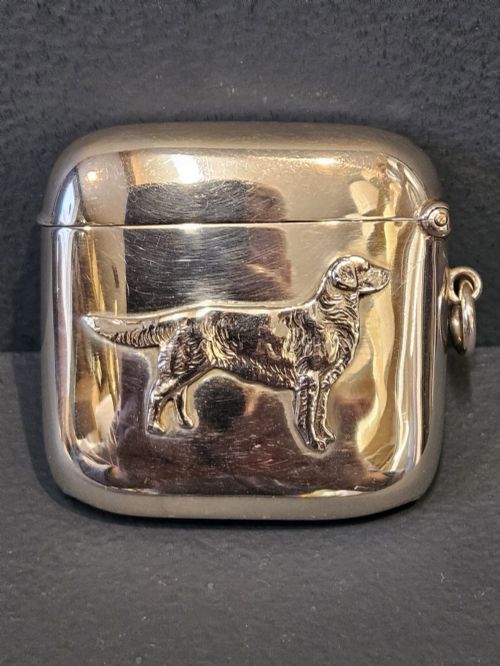
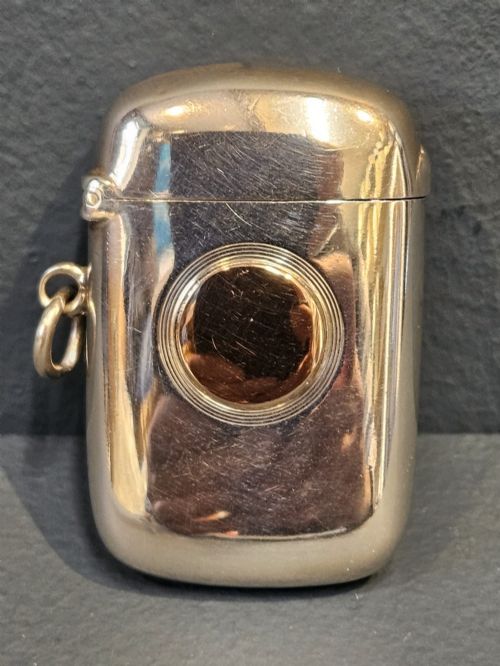
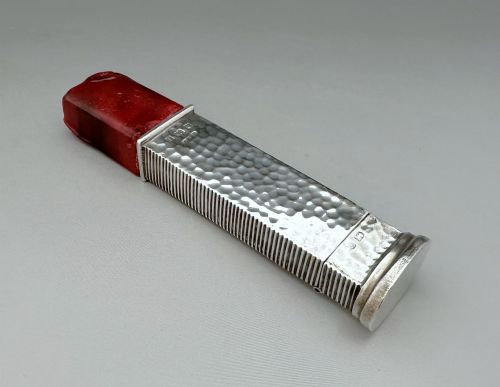
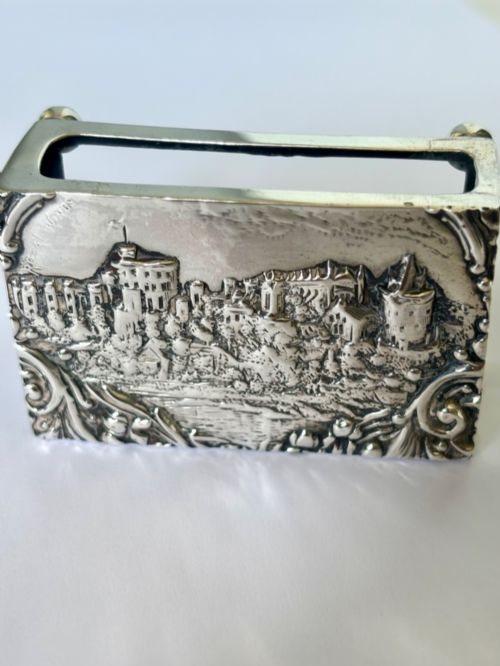
An edwardian safe box covers a range of secure storage items, from heavy steel and iron-bound oak chests to small silver vesta cases and novelty match holders. Buyers seeking this phrase encounter domestic security items and portable containers dating primarily from the early twentieth century.
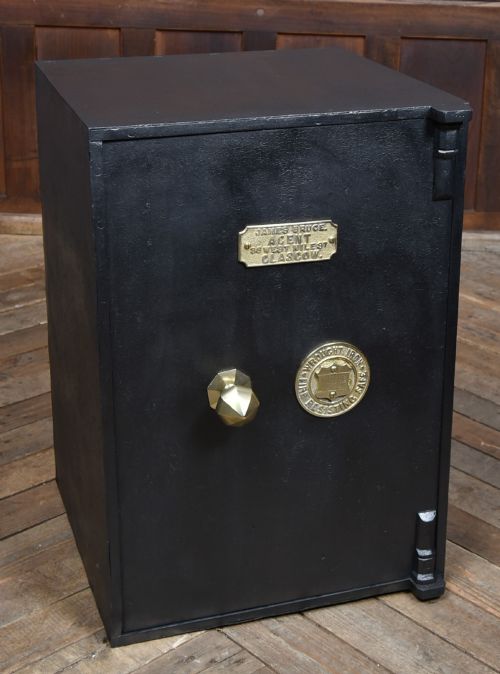
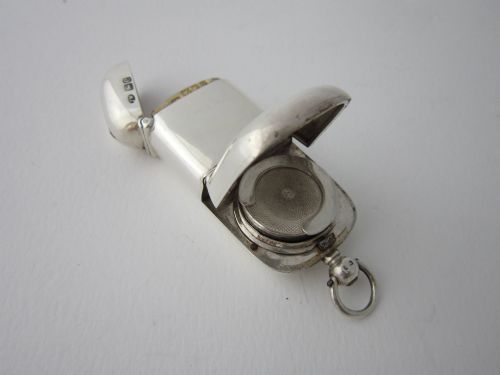
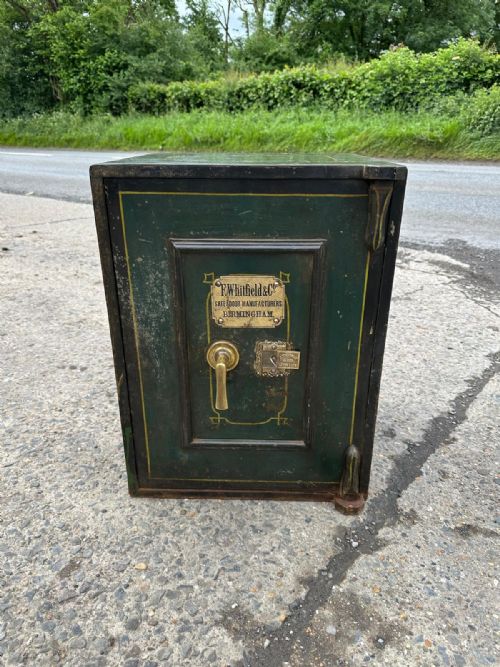
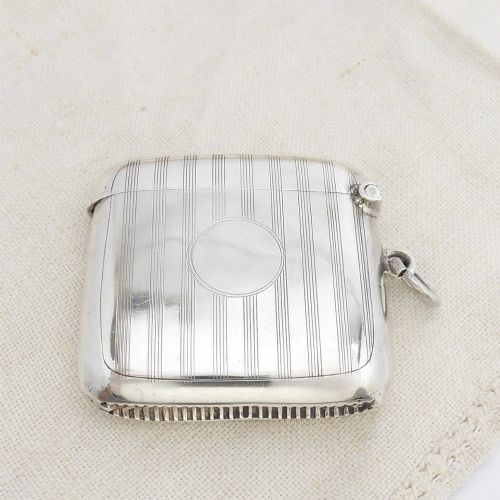
The selection includes large iron-bound silver chests, floor safes by makers such as F. Whitfield & Co. and Milners, alongside mahogany safe cabinets and oak key cabinets. Smaller pocket versions in sterling silver, enamel, and brass appear frequently.
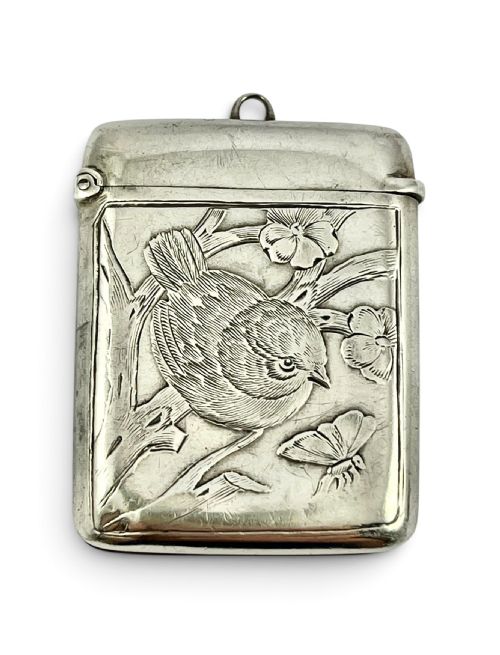
Many pieces reflect the tastes of the Edwardian and Victorian periods, incorporating Arts and Crafts details, Art Nouveau motifs, or deceptive forms such as faux books and secret document boxes.
How they were made
The heavier pieces rely on sturdy construction using oak, steel, and cast iron, often reinforced with iron straps, corner brackets, and complex internal locking mechanisms. Cabinetmakers and safe engineers built these containers to withstand forced entry and fire.
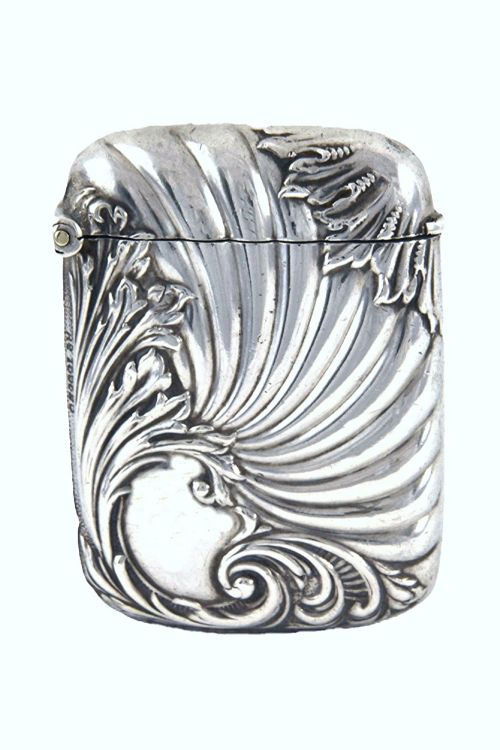
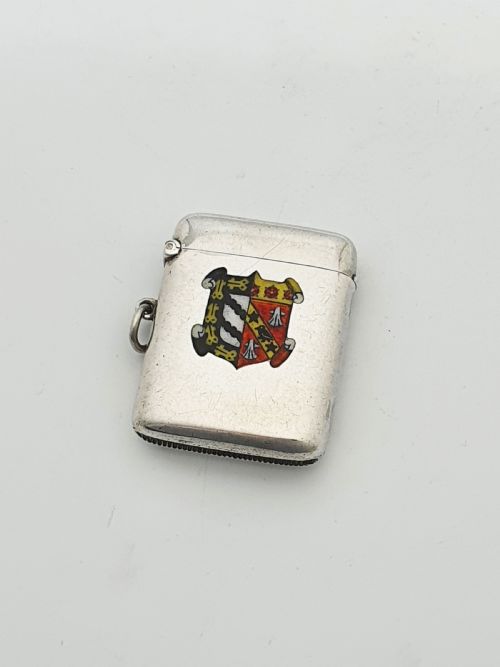
Smaller items utilise sterling silver, brass, nickel-plated brass, and enamel, shaped through silversmithing techniques like casting, engraving, and applied decorative crests. Cedar and mahogany provide the structure for disguised book safes and storage trunks.
What varies in quality
Quality depends upon the integrity of the mechanism, the weight of the metal, and the precision of the joinery in the timber carcase. Superior examples retain original working keys, fully functional locks, and crisp hallmarks or maker plates.
Artistic execution also divides standard utility items from finer work, seen in hand-carved details on secret book safes, detailed enamel portraits on vesta cases, and robust iron-strapping on storage chests.
James Bruce·F. Whitfield & Co.·Sampson Mordan·J.B. Bennet·Milners·Withers Safe
The Edwardian Safe Box Glossary
- Vesta case
- A small pocket box designed to hold wax matches, often featuring a striker on the base. These silver and brass containers frequently incorporate novelty shapes or enamel crests.
- Silver chest
- A large timber trunk, typically bound in iron and lined with baize, designed for storing family silver. They combine strong exterior protection with compartmentalised interior storage.
- Safe box
- A heavy security container fabricated from steel, iron, or reinforced timber to protect documents and valuables. They range from small desktop deed boxes to large floor-standing models.
- Hallmark
- An official stamp applied to precious metals indicating the standard of purity, the assay office, and the year of manufacture. Sterling silver pieces from Birmingham and Chester show these assay marks clearly.
- Arts and Crafts
- A design movement prioritising traditional craftsmanship and simple forms over mass production. Objects in this style display hand-beaten metalwork and honest construction.
Edwardian Safe Box: Frequently Asked Questions
What is an Edwardian safe box?
An Edwardian safe box is a secure container made during the early twentieth century, encompassing everything from heavy iron-bound deed boxes to pocket-sized silver vesta cases. They served to protect currency, documents, and matches from theft or damage.
These pieces reflect the period's reliance on physical security, utilising robust materials like steel, oak, and sterling silver alongside sophisticated locking mechanisms.
How were silver chests used?
Silver chests were large storage trunks used by wealthy households to transport and secure valuable tableware and flatware. Their heavy oak construction and iron strapping protected contents during transit and domestic storage.
Lined interiors kept silver pieces separated to prevent scratching, while secure locks deterred theft within the home.
How do I identify an Edwardian piece?
Identifying an Edwardian piece relies on examining hallmarks on silver items, maker plates on iron safes, and overall stylistic cues. Assay office dates and maker marks often provide precise years of manufacture between nineteen hundred and nineteen ten.
Cabinetry and hardware styles from this era bridge late Victorian ornamentation and the cleaner lines of the Arts and Crafts movement.
Can I use a key cabinet daily?
Antique key cabinets in oak and other timbers function well for daily organisation in modern hallways or studies. Their original internal hooks accommodate contemporary keys securely.
Checking that the door hinges and latch operate smoothly ensures practical everyday use without damaging the historic structure.