

Edwardian Pottery Vase
When you search for an edwardian pottery vase, you encounter earthenware and stoneware pieces shaped by Art Nouveau and Arts and Crafts movements.
Edwardian Pottery Vase
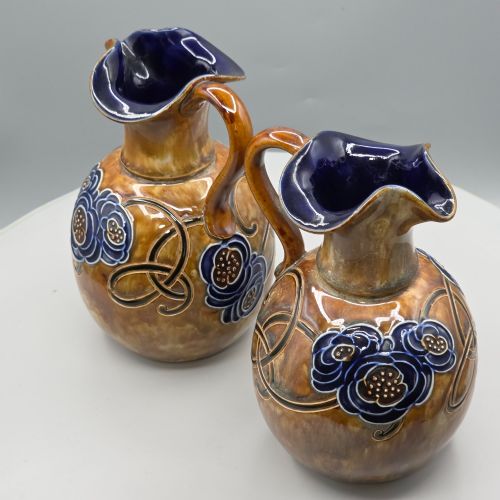
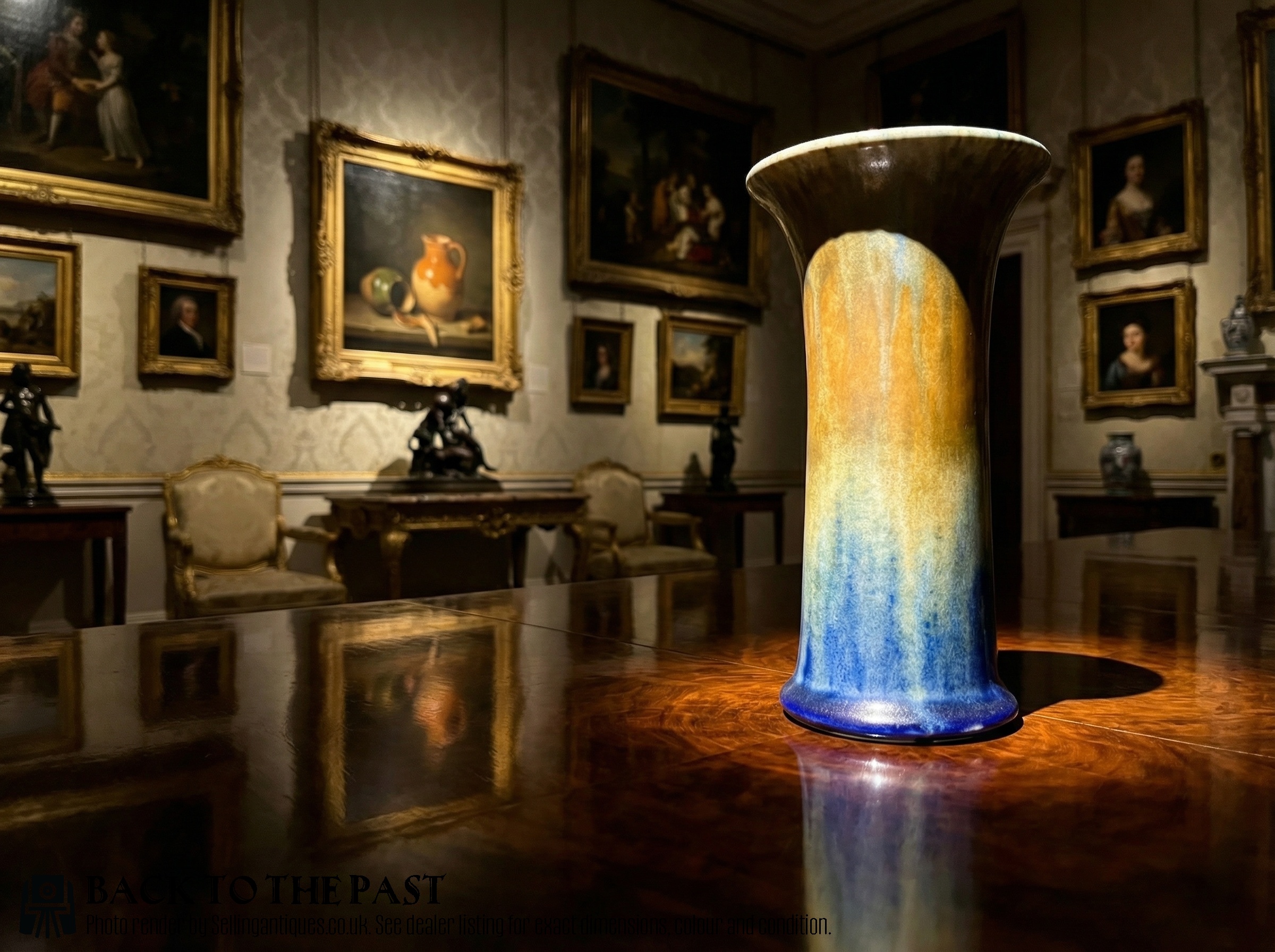
An edwardian pottery vase is a ceramic vessel made during the early twentieth century or the late nineteenth century, reflecting periods such as Victorian, Edwardian, and the 1920s. These items range from small bud vases to large baluster shapes, ewers, and stick stands.
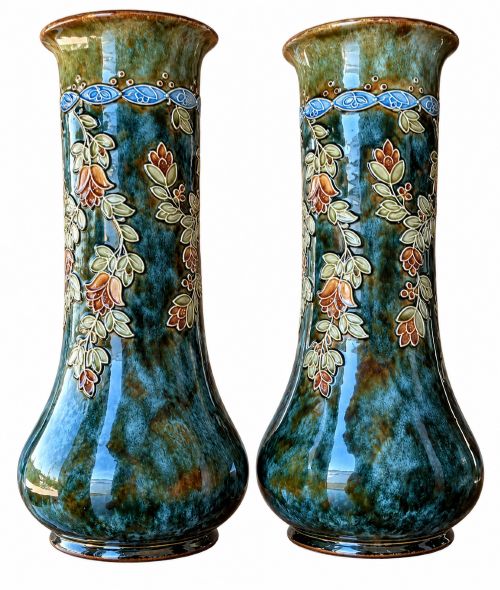
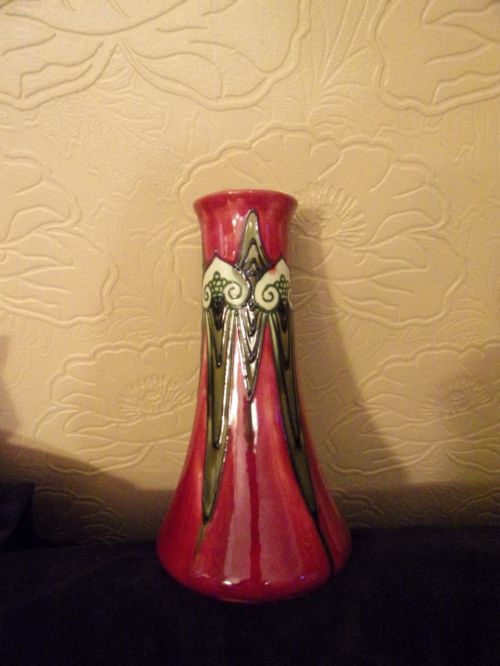
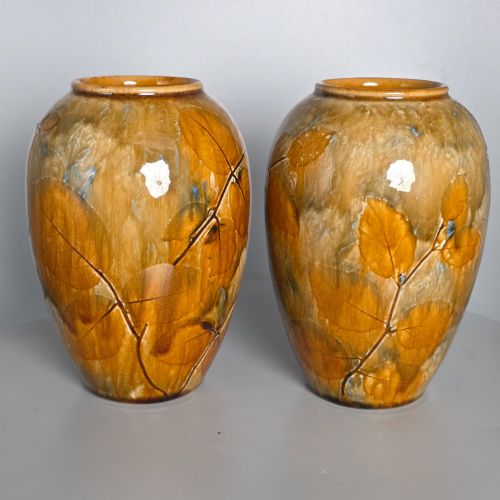
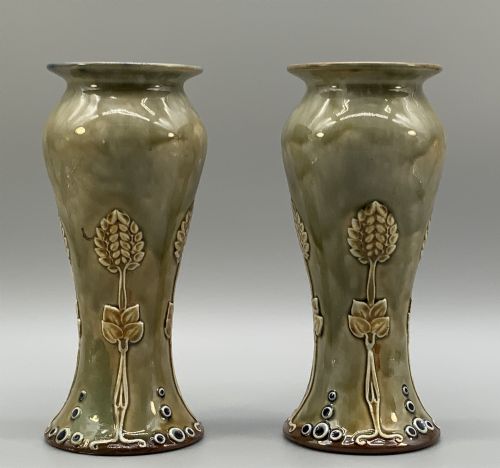
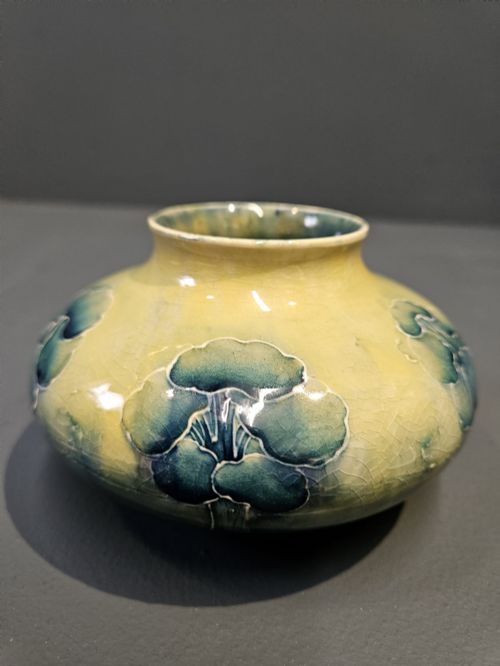
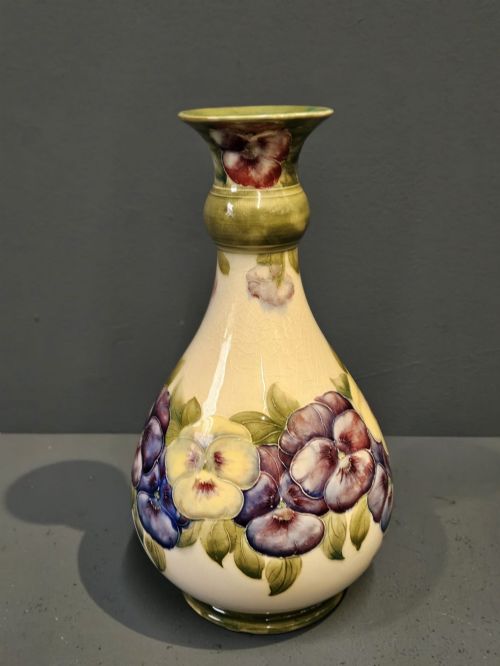
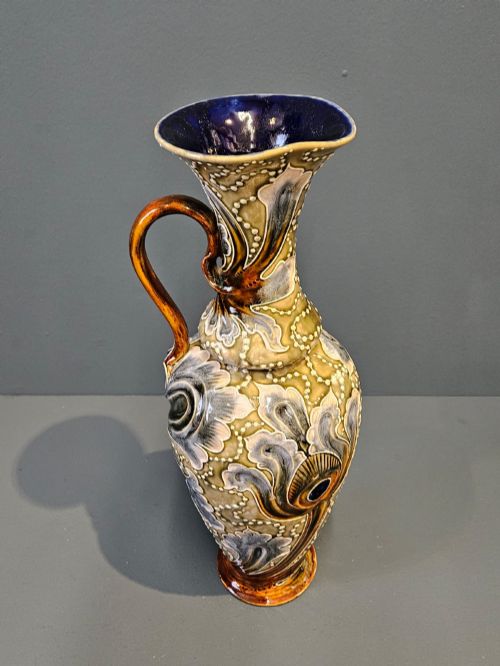
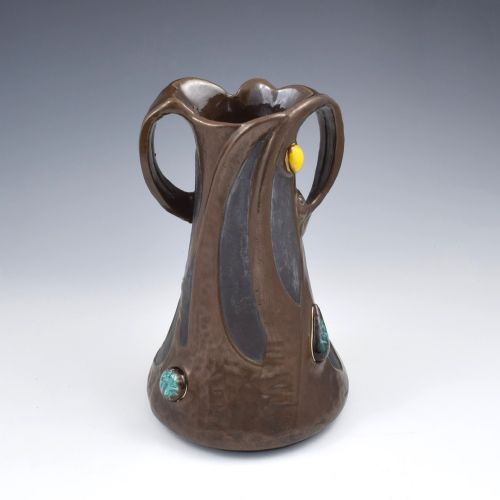
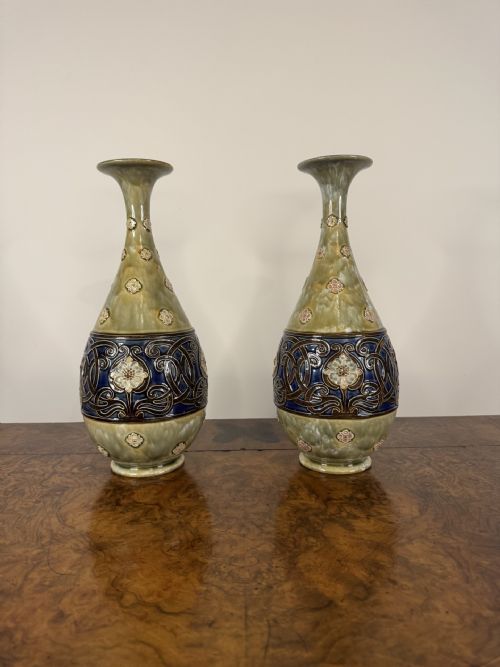
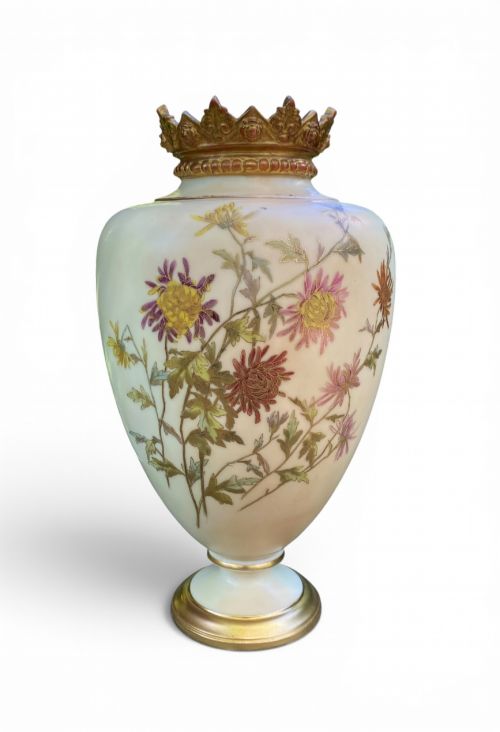
The aesthetic of an edwardian pottery vase draws heavily from Art Nouveau and Arts and Crafts designs, often showing stylised floral motifs, tube-lined patterns, or lustre glazes. Many examples originate from major potteries and studios active across England during this period.
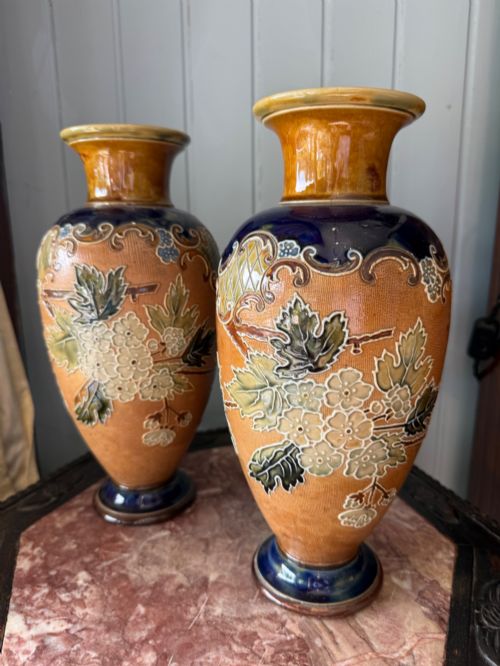
On this page, you are most likely to meet stoneware and earthenware vessels produced by large factories like Royal Doulton alongside pieces from Moorcroft, Minton, and Shelley.
Materials and techniques
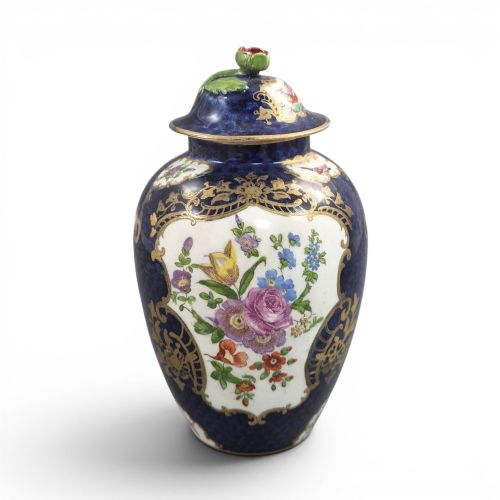
The manufacture of an edwardian pottery vase relies on earthenware, ceramic, and heavy stoneware bodies shaped on the wheel or cast in moulds. Potters applied glazes, enamels, and occasionally gold leaf or copper effects to the surfaces.
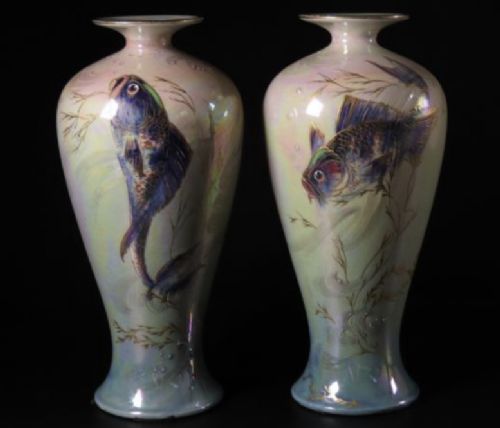
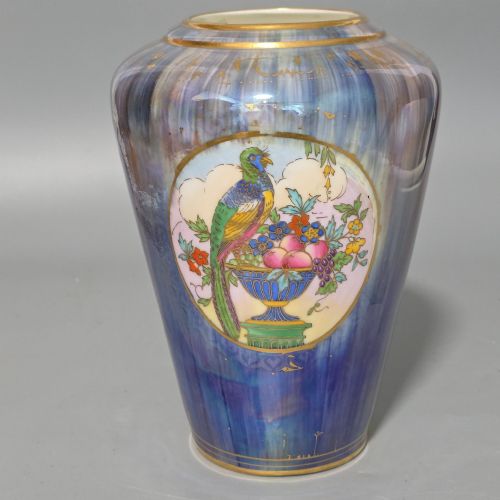
Techniques such as tube-lining placed raised clay lines on the ceramic body to contain pooled glazes, creating distinct patterns. Lustre finishes required specialised firing methods to produce iridescent metallic sheens across porcelain and earthenware.
Listings feature earthenware, stoneware, and porcelain pieces decorated with enamel, gold leaf, and reactive glazes.
What varies in quality
The distinction between ordinary and superior pieces rests on the complexity of the hand-painting, the crispness of tube-lined designs, and the depth of the glaze. Works signed by specific artists or produced for retailers like Liberty carry greater artistic ambition.
Makers who employed named designers achieved more unified forms and experimental finishes, whereas standard factory output relied on repetitive transfer printing or simple monochrome glazes.
Royal Doulton·Moorcroft·Minton·Shelley·Wedgwood·Royal Lancastrian
The Edwardian Pottery Vase Glossary
- Tube-lined
- A decorating technique where slip is squeezed through a small nozzle onto the clay body to form raised outlines. This method creates cells that hold coloured glazes during firing.
- Lustre
- A type of ceramic glaze containing metallic salts that produce an iridescent sheen when fired in a reduced oxygen atmosphere. It gives the surface a pearlescent quality.
- Baluster
- A vase shape characterised by a rounded lower body that tapers upward to a narrow neck and flared rim. It echoes the profile of a stair baluster.
- Stoneware
- A robust, vitrified pottery fired at high temperatures until the clay body becomes non-porous. It accepts salt glazes and heavy decoration well.
- Earthenware
- Porous pottery fired at lower temperatures, requiring an impermeable glaze to hold water. It forms the base for much decorative art pottery.
Edwardian Pottery Vase: Frequently Asked Questions
How were these vases used?
An edwardian pottery vase served primarily to display cut flowers in domestic interiors, though larger examples stood alone on mantelpieces or in hallways as decorative objects.
Some specialised forms, such as spill vases, held wooden spills used to transfer flames from a fireplace to light candles or pipes.
How do I identify Art Nouveau pottery?
Art Nouveau pieces feature organic, flowing lines inspired by natural forms, often incorporating whiplash curves, stylised flowers, and climbing foliage.
Makers translated these motifs into raised tube-lined ceramic designs and iridescent lustre glazes that catch the light.
What is lustre ware?
Lustre ware is pottery finished with a metallic glaze that produces a shimmering, rainbow-like surface effect when exposed to light.
Potters achieved this appearance by introducing metallic compounds into the kiln during a specialised firing process.
Can these vases hold water?
Most glazed ceramic and stoneware vessels hold water securely, though porous earthenware bodies can sometimes show slight seepage over long periods.
It is wise to inspect the interior glaze coverage before filling older decorative items with fresh water.