


Edwardian Pot Stand
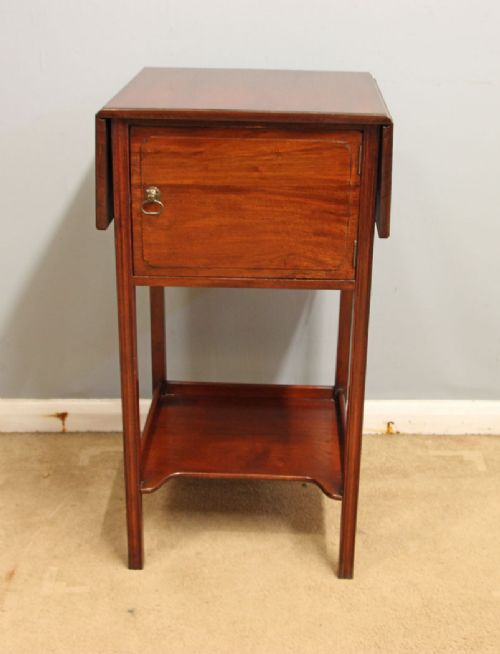
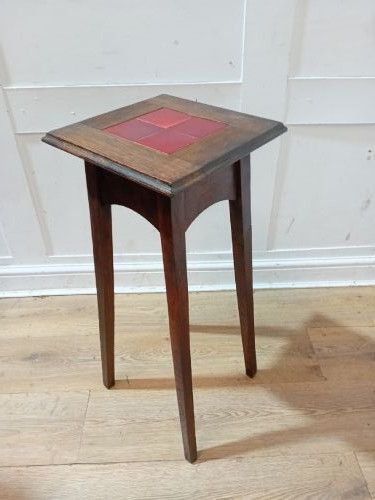
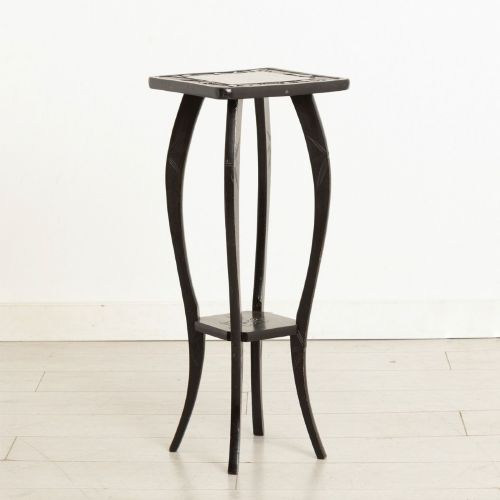
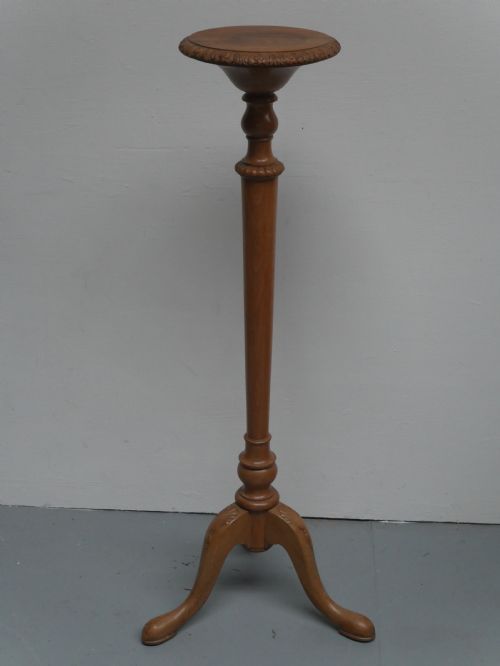
These pieces of edwardian pot stand furniture lift greenery off the floor to display indoor plants with period proportion.
Edwardian Pot Stand
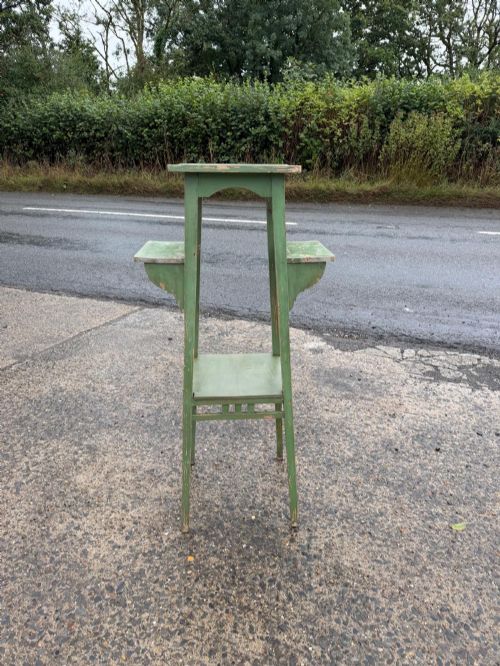
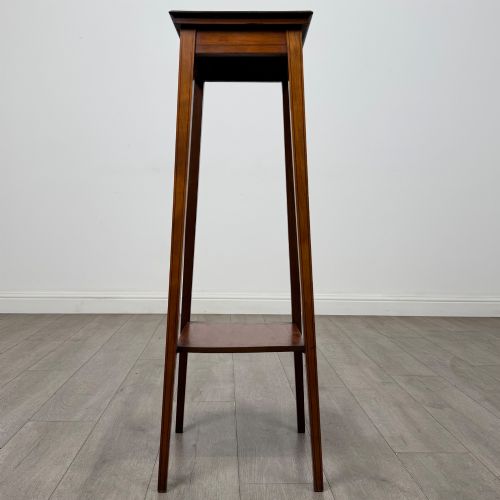
An edwardian pot stand serves as a dedicated platform for household plants and jardiniere displays. Most examples found here date from the early twentieth century, taking the form of tall pedestals or low stands designed to fit domestic interiors.
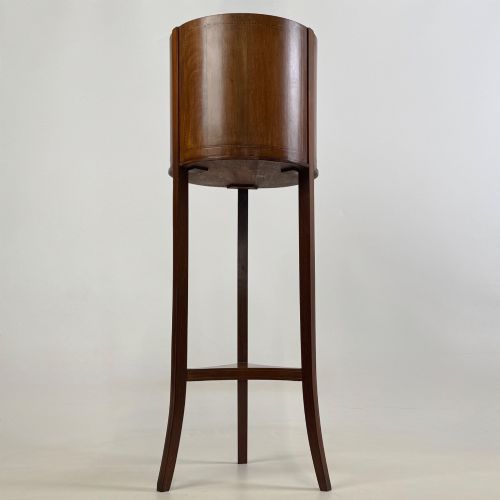
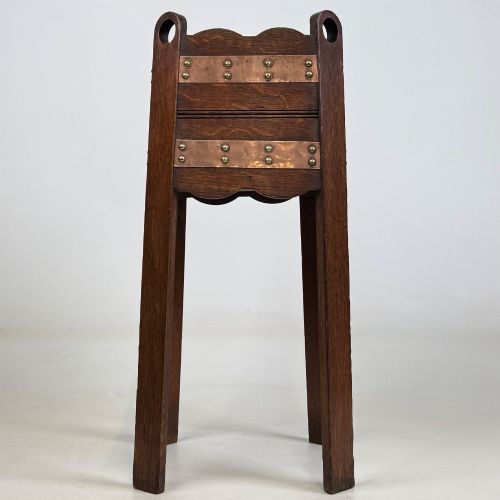
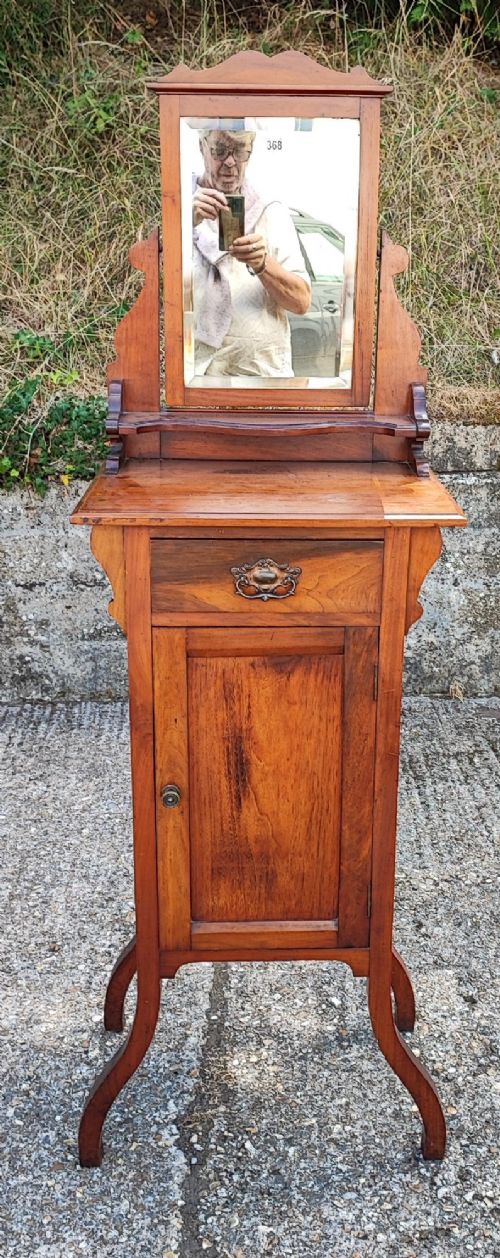
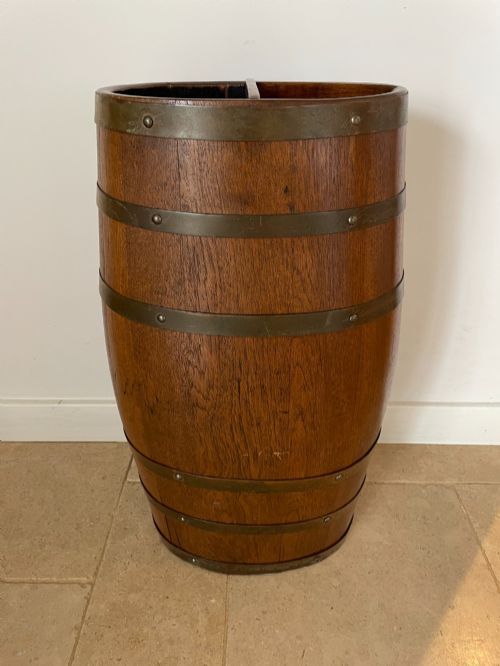
Makers utilised various timbers and metals, resulting in pieces that range from slender wooden columns to robust coopered oak barrels. The forms align closely with adjacent domestic furnishings such as bedside cabinets and umbrella stands of the same era.
Materials and Technique
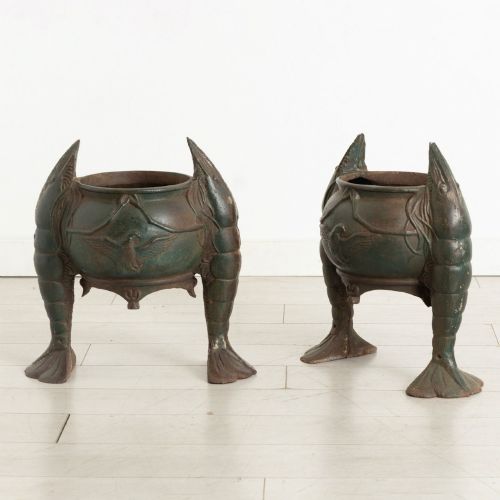
Construction relies heavily on traditional cabinet-making timbers like mahogany, satinwood, walnut and oak, often shaped with turned columns or steam-bent components. Metalwork integration appears through brass banding, copper mounts and cast iron frames that support wooden or ceramic vessels.
Surface treatments include original paint, polished wood veneers and coopered stave construction secured with metal hoops. These assembly methods ensure stability for heavy ceramic pots and damp soil conditions.
Some wooden stands employ coopered barrel construction, bringing miniature shipping casks into the Victorian parlour.
Craftsmanship and Proportion
Standard differs primarily in the crispness of timber turning, the integrity of joinery and the harmonious balance of height to top diameter. Superior examples display refined hand-carving or thoughtful inlay work rather than plain factory production.
Materials dictate distinction, with select woods, heavy-gauge brass and original painted finishes commanding greater attention. The presence of matching planters, original liners or integrated metal accents elevates the execution of the piece.
Liberty of London·Parnall's
The Edwardian Pot Stand Glossary
- Jardiniere
- An ornamental pot or stand designed to hold a plant or flower arrangement. These vessels often sit atop dedicated pedestals or form part of fitted floor stands.
- Coopered
- Constructed from wooden staves joined edge to edge and bound with metal hoops, much like a barrel. This technique provides strength for holding heavy damp earth.
- Torcherere
- A tall, slender stand originally intended to support a torch or candle lamp, later adapted for holding decorative plants and urns.
- Satinwood
- A light-yellow timber with a natural sheen, utilised for decorative veneers and fine cabinet work during the period.
Edwardian Pot Stand: Frequently Asked Questions
What fits on an edwardian pot stand?
These platforms accommodate potted plants, ceramic jardinieres and decorative bowls within domestic rooms. The surface diameter determines the maximum base size of the pot you can place upon it.
Heavier plants require sturdy oak or coopered construction to maintain balance. Lighter floral arrangements sit comfortably on slender mahogany or satinwood pedestals.
How do I protect the wood?
Water damage remains the primary risk for antique plant furniture during daily domestic use. Using a waterproof liner inside the ceramic pot prevents moisture from reaching the timber surface.
Regular waxing preserves the polished finish of mahogany and oak against ambient humidity. Wiping away stray droplets immediately safeguards the original grain and polish.
Where were these placed at home?
Households positioned these pedestals in bay windows, hallways and corners to showcase greenery. They brought outdoor foliage into parlours and drawing rooms during the early twentieth century.
Their compact footprint allowed them to occupy tight spaces without obstructing household traffic. Pairs frequently flanked doorways or fireplace hearths for symmetrical interior decoration.
Are these stands suitable for modern pots?
Modern plant pots fit these stands provided the base dimensions match the top platform. You should verify the weight capacity of older timber columns before placing exceptionally heavy ceramic vessels on top.
Many antique platforms accommodate contemporary saucers when paired with a protective felt or cork mat.