

Edwardian Column Plant Stand
An edwardian column plant stand lifts your greenery into the light with proportion and poise.
Edwardian Column Plant Stand
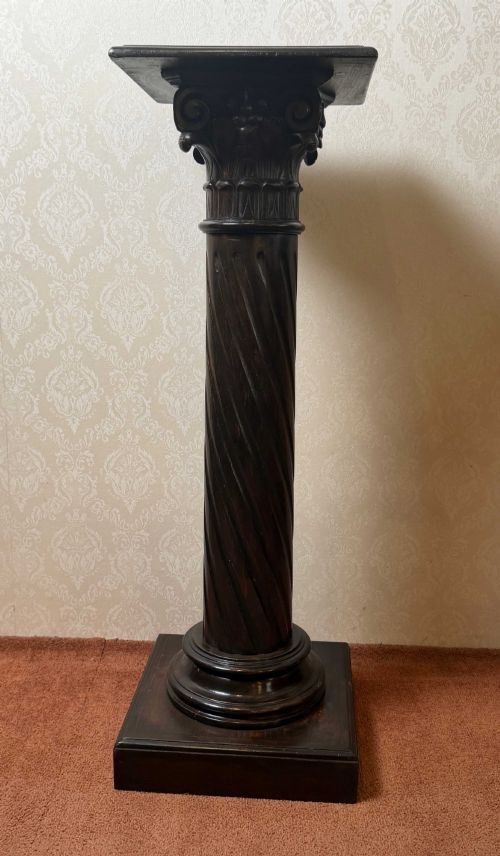
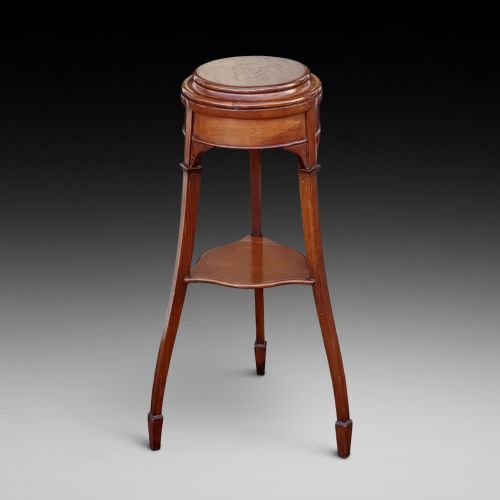
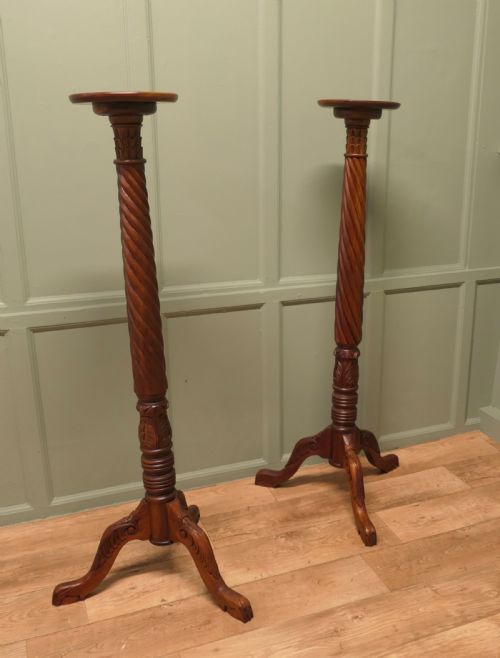
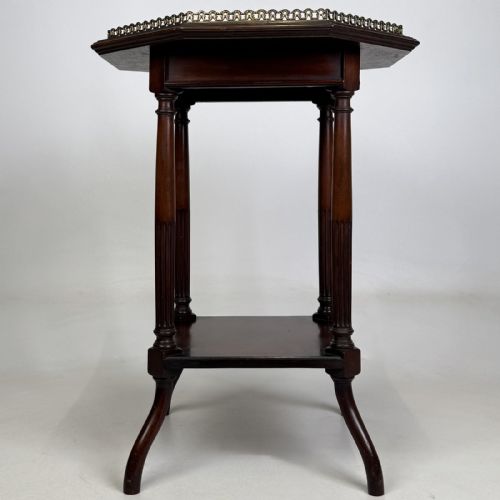
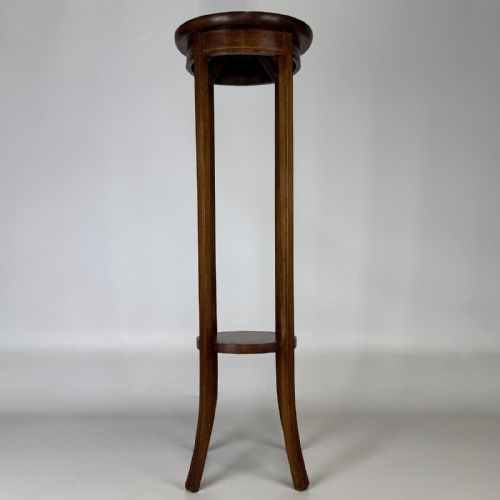
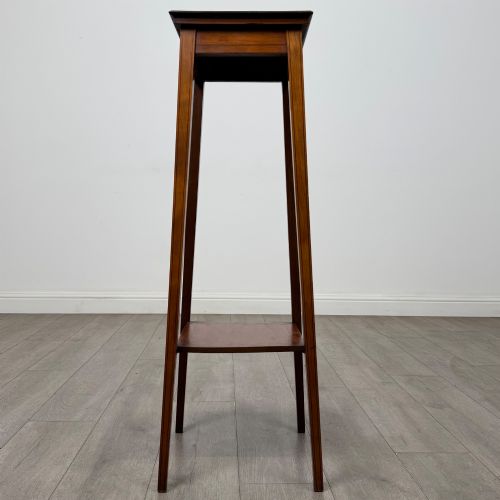
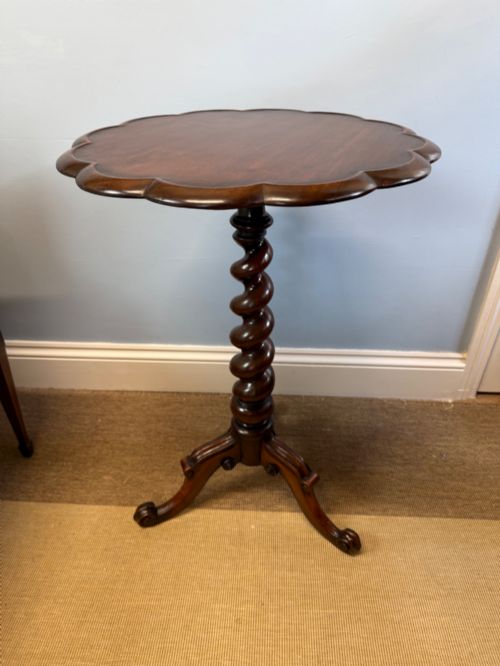
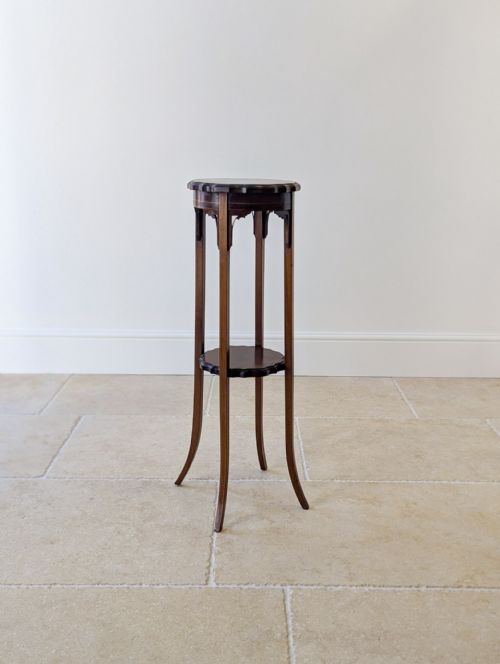
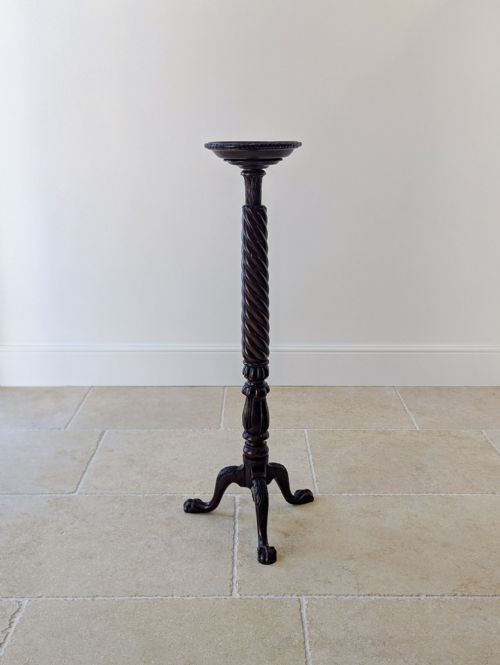
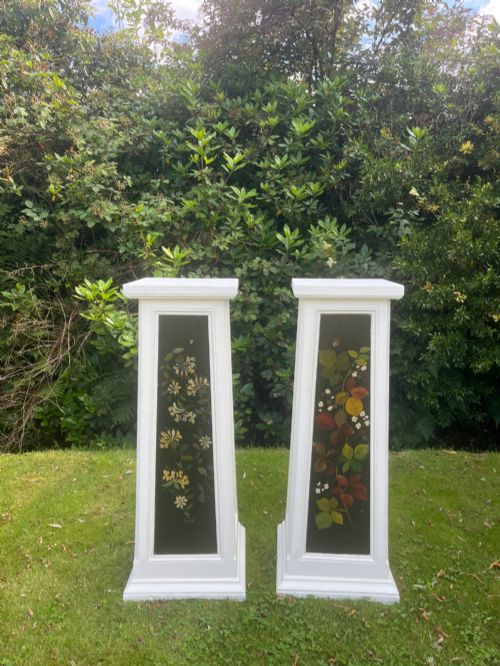
An edwardian column plant stand is a tall, narrow furnishing designed to elevate pots, jardinieres, and display figures within a room. These pieces combine functional height with slender architectural profiles, often taking the form of torcheres, pedestals, and columns.
You will most frequently encounter mahogany examples dating from the Edwardian period and the early twentieth century, alongside Victorian and later revivals. They serve as vertical accents in domestic interiors, placing plants and decorative objects at eye level.
How they were made
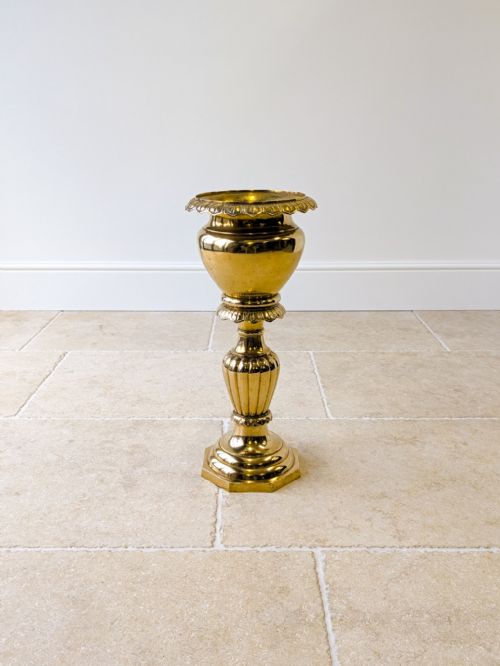
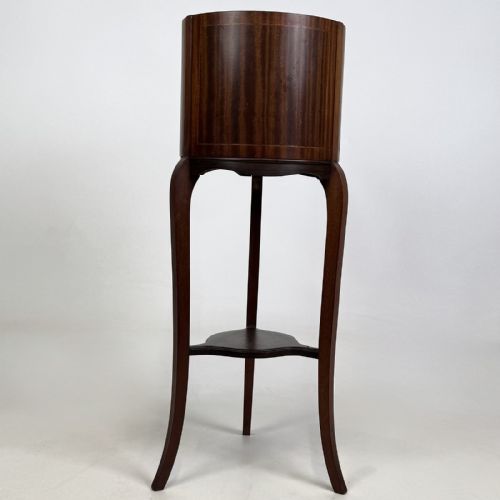
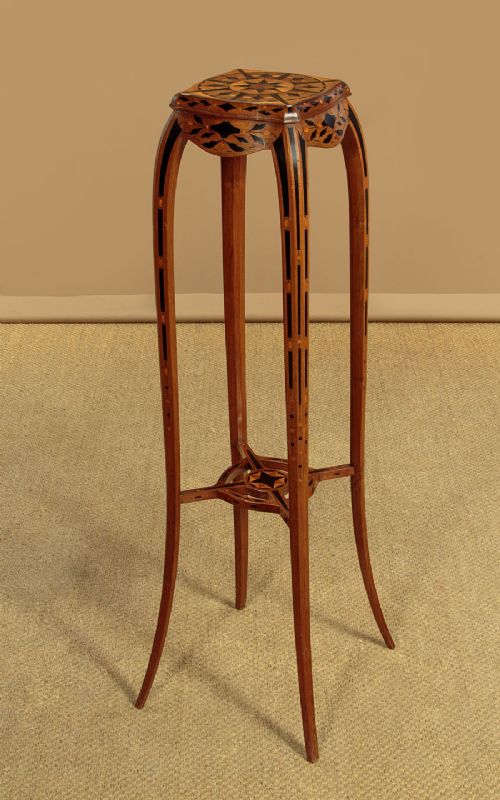
Cabinet makers utilised dense hardwoods such as mahogany, oak, walnut, and satinwood, frequently employing turned or spiral construction for the central shafts. Surface decoration relied on boxwood inlay, brass mounts, and painted finishes to enrich the timber.
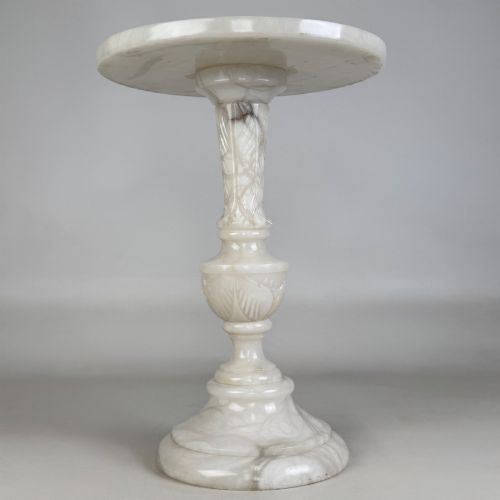
Structural tops incorporated contrasting materials including marble and onyx inserts to support heavy planters safely. Joinery methods matched the upright columns securely to sturdy bases, ensuring stability for elevated displays.
Edwardian Column Plant Stand Retail Price Guide 2026
Typical asking prices for edwardian column plant stand among the pieces listed under this phrase on Sellingantiques today, from the lower quarter to the upper quarter. They describe what is for sale here now, not the wider market.
Some slender columns double happily as pedestals for marble busts or unexpected indoor flora.
What varies in quality
The distinction between ordinary and superior examples rests upon the crispness of the carving and the selection of figured timber. Finely turned wood shafts and precise boxwood inlay demonstrate a higher order of workshop skill than plain utilitarian builds.
The integration of heavy materials like marble or onyx tops alongside solid brass components separates ambitious decorative pieces from simpler domestic stands. Proportional balance between the narrow column and the supporting base dictates the visual success of the object.
The Edwardian Column Plant Stand Glossary
- Torchere
- A tall, slender stand originally designed to carry a candle or light, now commonly used for plants and urns. These pieces feature elevated tops supported by single columns.
- Jardiniere
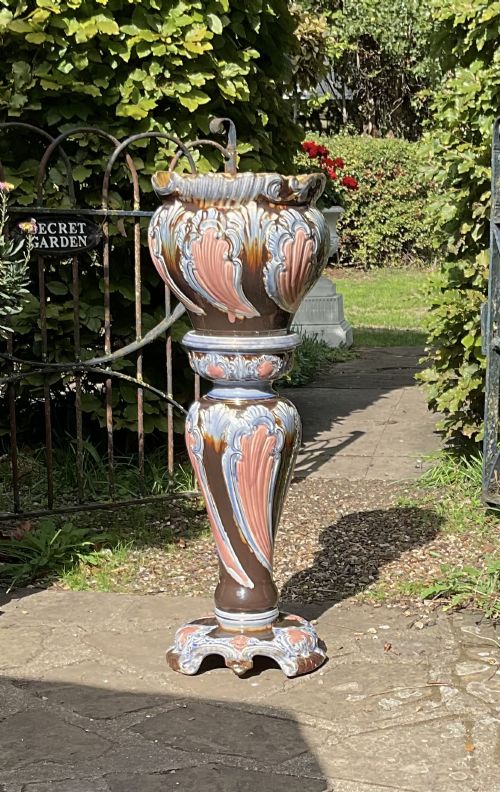
- An ornamental pot or stand for holding plants or flowers. In these listings it describes stands specifically built to accommodate floral displays.
- Inlay
- A technique of inserting pieces of contrasting material into a wood surface to form decorative patterns. Boxwood is frequently utilised for this purpose on mahogany frames.
- Plinth
- A heavy base supporting a statue, vase, or column. It provides essential weight at the floor level to maintain balance.
- Barley twist
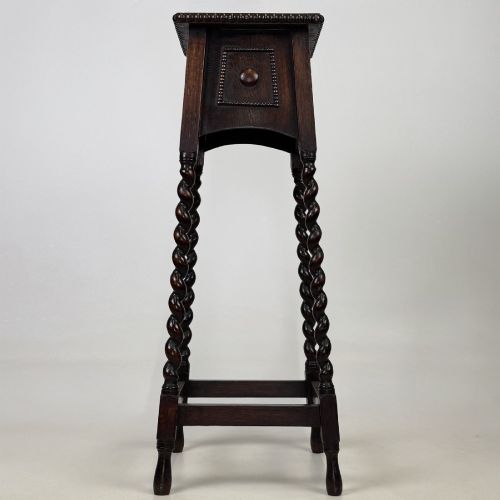
- A spiral turning resembling a twisted rope, carved into the wooden shaft of a stand. This technique appears widely on oak supports from the early twentieth century.
Edwardian Column Plant Stand: Frequently Asked Questions
What is an edwardian column plant stand used for?
These tall stands elevate potted plants, urns, and decorative sculptures to create vertical interest in living spaces.
They place greenery and display items at eye level, making them practical for corners and empty wall spaces.
How do I identify an edwardian piece?
Edwardian stands typically date from the early twentieth century and frequently feature mahogany construction with delicate boxwood inlay.
They lean towards lighter aesthetic proportions compared to heavier, darker Victorian equivalents.
Are these stands strong enough for heavy pots?
Many examples incorporate heavy stone tops such as marble or onyx specifically to support substantial planters securely.
The wide bases and solid hardwood shafts provide the necessary stability for weighty decorative objects.
What woods were used for these stands?
Cabinet makers predominantly utilised mahogany, oak, walnut, and satinwood for the structural columns and bases.
Secondary materials like brass, boxwood, and marble appear as decorative accents and durable top surfaces.