


Edwardian Satinwood Pedestal
An Edwardian satinwood pedestal brings polished warmth and refined grain into a room, offering practical surface space with distinct period character.
Edwardian Satinwood Pedestal
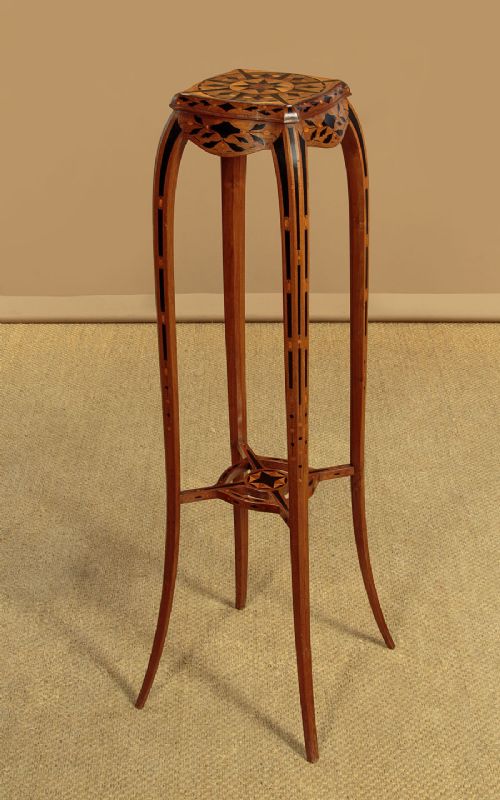
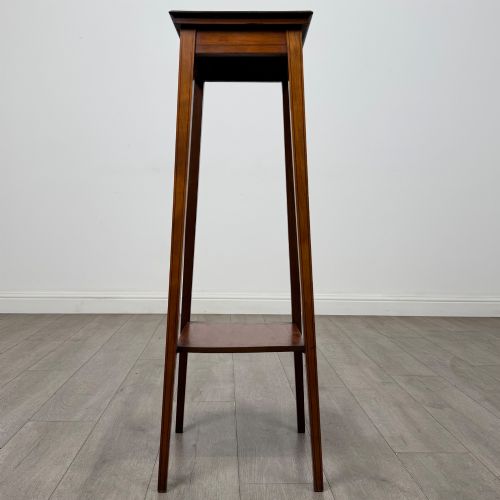
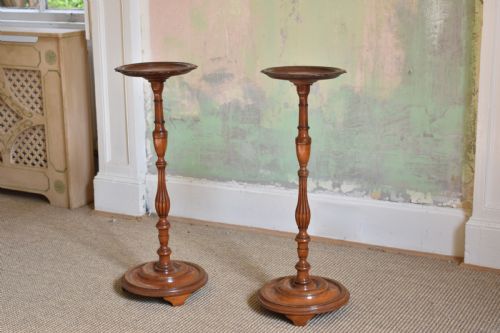
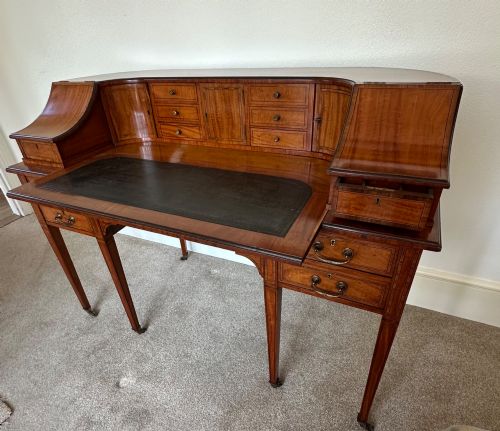
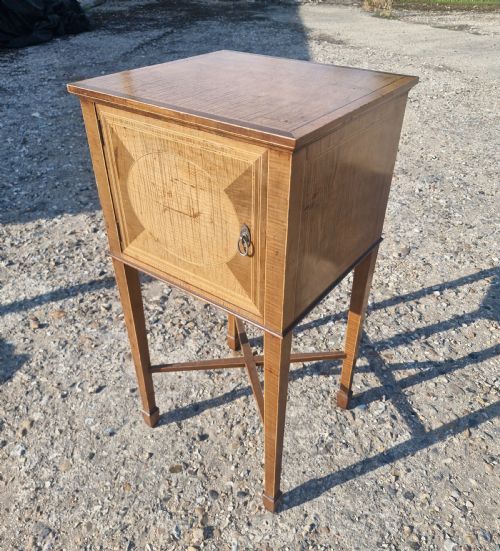
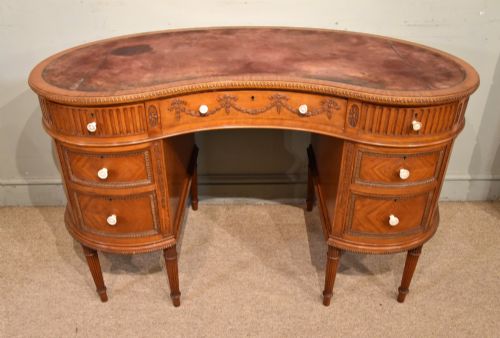
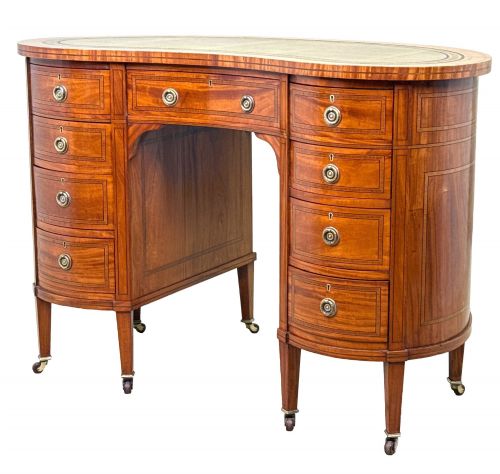
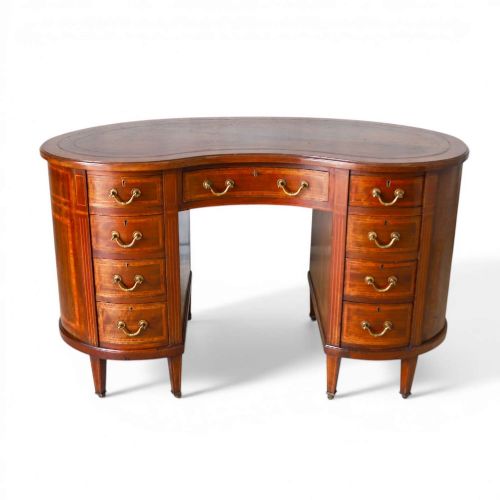
An Edwardian satinwood pedestal encompasses freestanding tapered stands, plant supports, and writing desks produced around the turn of the twentieth century. These furnishings combine the light, reflective qualities of satinwood with classical revival aesthetics popular during the Edwardian era.
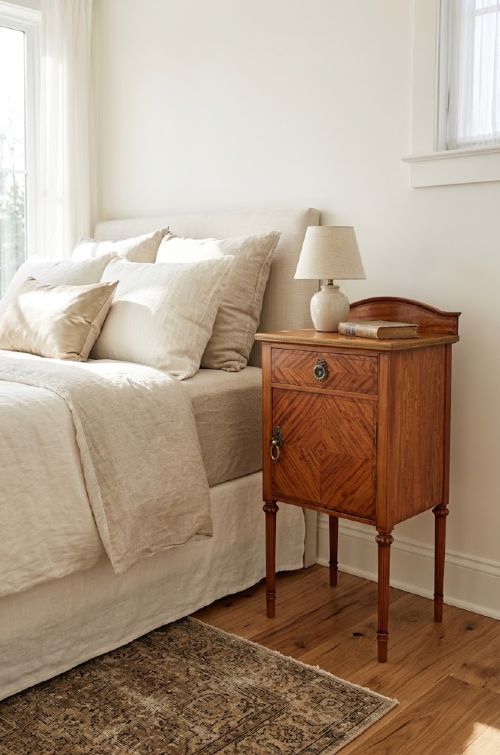
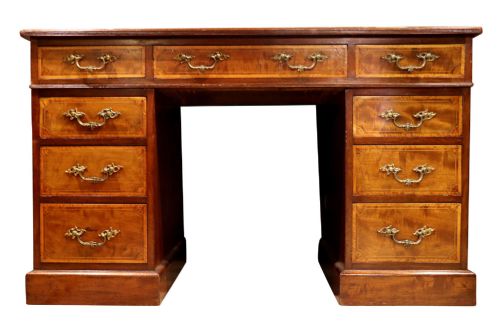
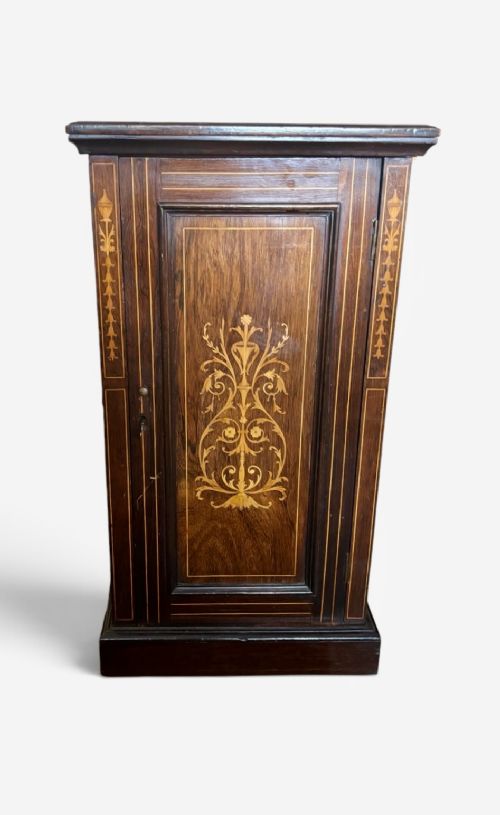
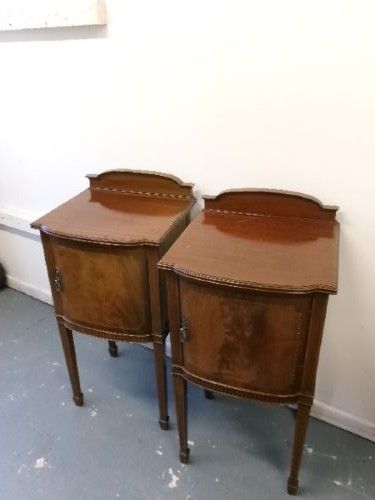
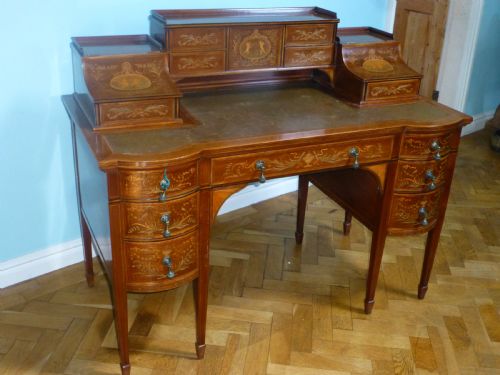
The pieces appearing most frequently range from bedside cabinets and cupboards to writing desks and tall drawer units. Makers of the period often incorporated satinwood banding, mahogany carcases, and painted decoration to elevate the visual appeal of domestic furniture.
Beyond standard utility, these items reflect an era that favoured graceful proportions and intricate cabinetwork. Collectors encounter both solid satinwood constructions and mahogany pieces enriched with satinwood inlay.
How they were made
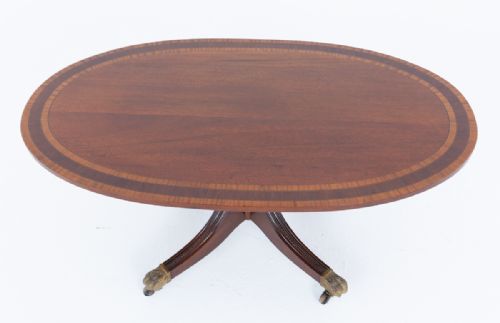
Cabinet makers utilised satinwood veneers applied over secondary timbers like mahogany or oak, often adding contrasting stringing in boxwood or rosewood. Crossbanding frames the primary grain, while marquetry details and painted floral motifs decorate the surface.
Drawer construction typically relies on hand-cut dovetails with oak linings, complemented by original brass hardware and fitted leather writing inserts. Structural integrity depends on precise joinery that accommodates timber movement without compromising the crisp geometry of the pedestal.
Materials appearing across the inventory include satinwood, mahogany, rosewood, boxwood, brass, leather, and glass.
What varies in quality
The degree of refinement in the marquetry and the choice of timber figure determine the standing of an individual piece. Examples featuring continuous satinwood grain across drawer fronts and intricate crossbanding command greater attention than plainer interpretations.
Original hardware, sound drawer linings, and maker signatures such as stamps or paper labels separate standard workshop output from exceptional commissions. The precision of the inlay work and the preservation of original polish dictate the overall merit.
Edwards & Roberts·Morant & Co·Maple & Co·James Shoolbred
The Edwardian Satinwood Pedestal Glossary
- Satinwood
- A lustrous tropical hardwood known for its golden colour and reflective, chatoyant grain. It serves as a primary veneer on fine Edwardian and Sheraton Revival furniture.
- Crossbanding
- A border of veneer laid around the perimeter of a tabletop or drawer front with the grain running perpendicular to the central panel. This technique creates a neat framing effect.
- Marquetry
- The art of forming decorative patterns using thin veneers of various woods, shells, and ivories. Craftsmen cut these pieces precisely to fit flush into a prepared background.
- Stringing
- Thin strips of contrasting light or dark wood inlaid into grooves on furniture surfaces. It accentuates the outlines of drawers, legs, and tabletops.
- Pedestal
- A structural support or freestanding column base that elevates a cabinet, desk, or plant stand. In desk forms, it refers to the banks of drawers supporting the writing surface.
Edwardian Satinwood Pedestal: Frequently Asked Questions
How do I identify an Edwardian satinwood pedestal?
Look for light golden timber tones, delicate boxwood stringing, and stylistic influences from the Sheraton Revival period typical of the early twentieth century.
Examine the drawer construction and secondary woods like oak or mahogany, as genuine pieces often carry maker stamps or marks from prominent London cabinet makers.
Where should I place a satinwood pedestal in my home?
These compact pieces work well as bedside cabinets, hallway plant stands, or occasional writing surfaces in studies and drawing rooms.
Keep them away from direct sunlight and strong heat sources to protect the delicate satinwood veneer from fading and the finish from drying out.
Are these pieces made of solid satinwood?
Most examples utilise satinwood as a fine veneer applied over a stable carcase timber such as mahogany or oak.
Solid satinwood occurs less frequently due to the scarcity and growth habit of the tree, making veneered construction standard for larger surfaces.
How do I care for antique satinwood furniture?
Dust regularly with a soft, dry cloth and apply a quality microcrystalline wax periodically to nourish the polished surface.
Avoid using silicone sprays or household liquid cleaners, which can penetrate hairline cracks in the aged finish and damage the underlying veneer.