
Antique Wooden Side Cabinet
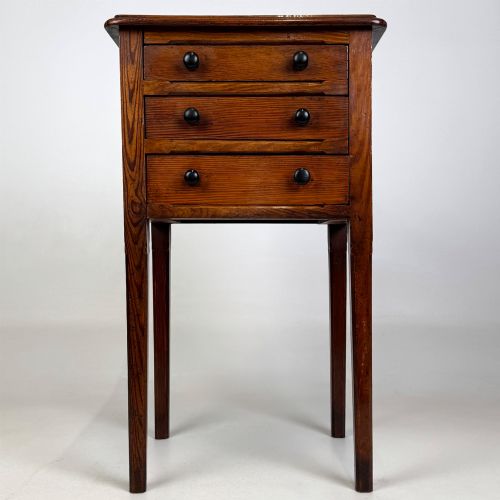
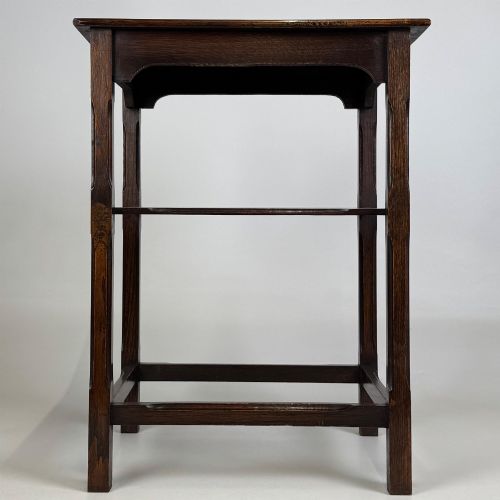
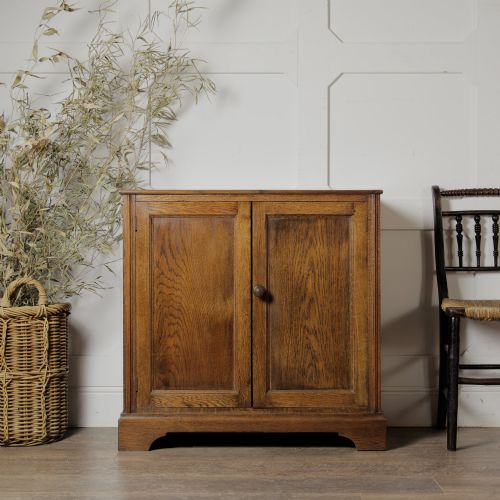
An antique wooden side cabinet brings practical storage and architectural presence to a room through solid timber construction and period detail.
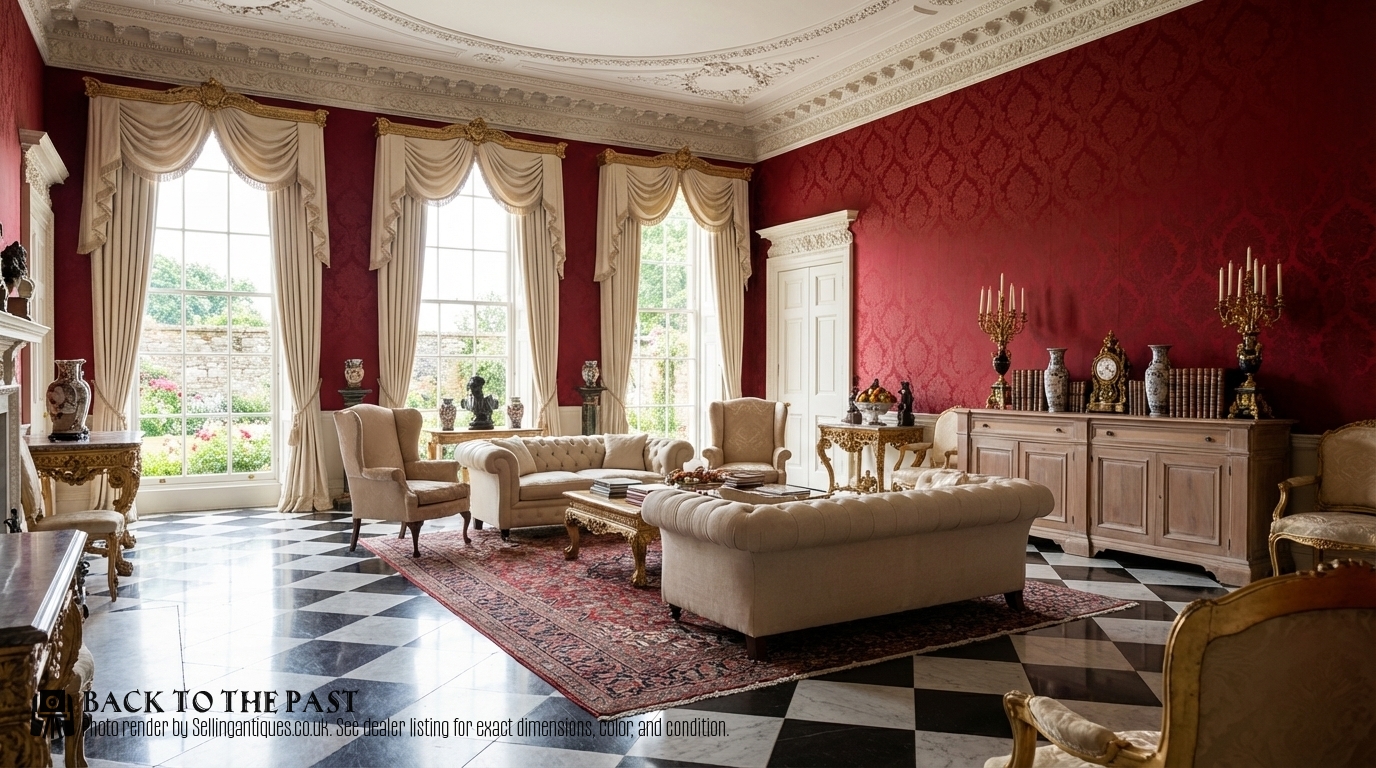
Antique Wooden Side Cabinet
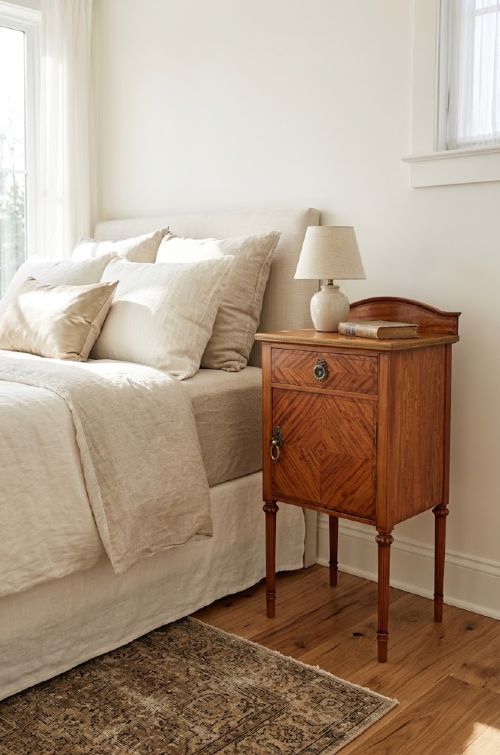
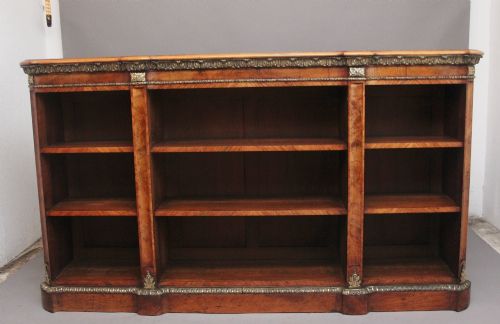
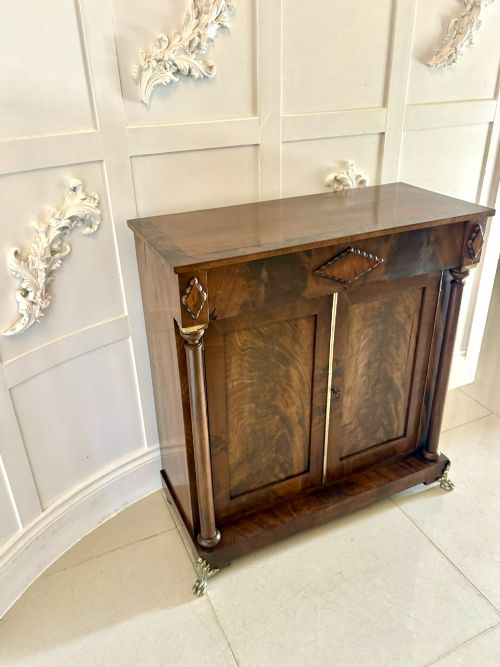
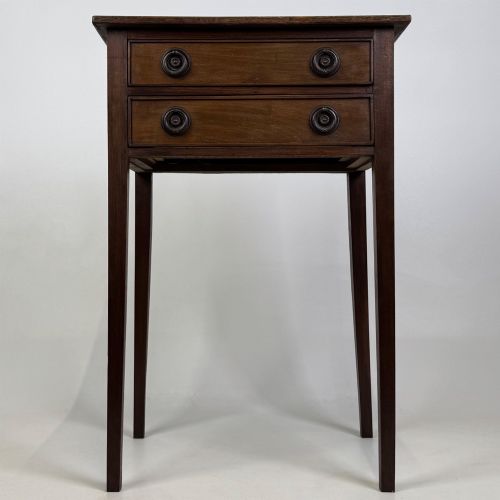
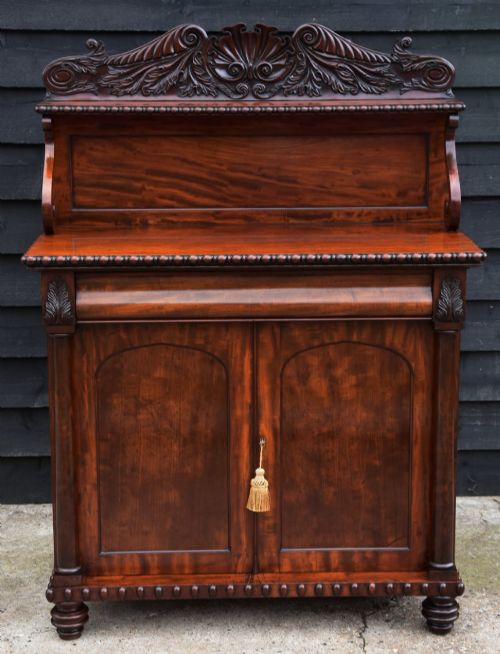
When searching for an antique wooden side cabinet, buyers encounter a diverse range of low storage furniture spanning multiple centuries and stylistic traditions. These pieces function as versatile compact cupboards, bedside tables, chiffoniers, and open bookcases designed for domestic utility.
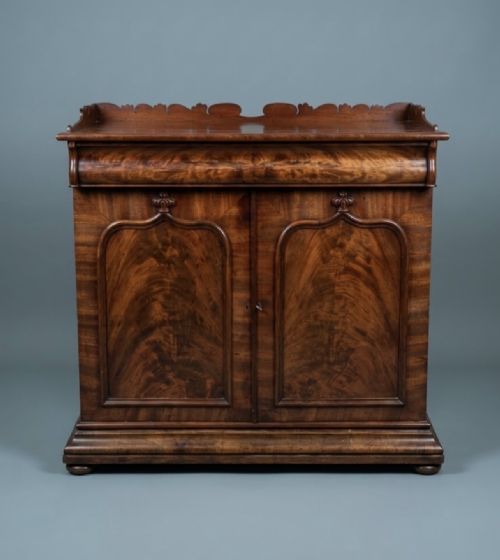
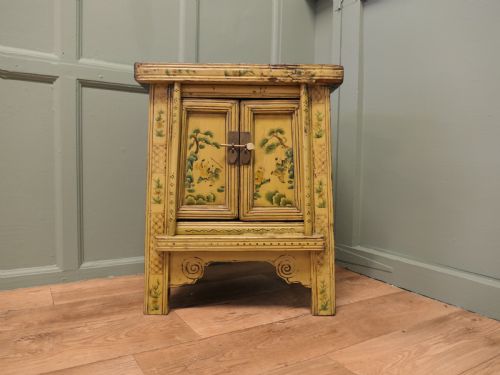
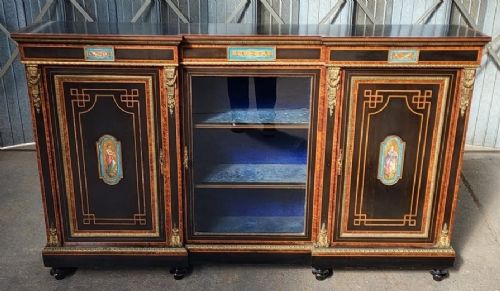
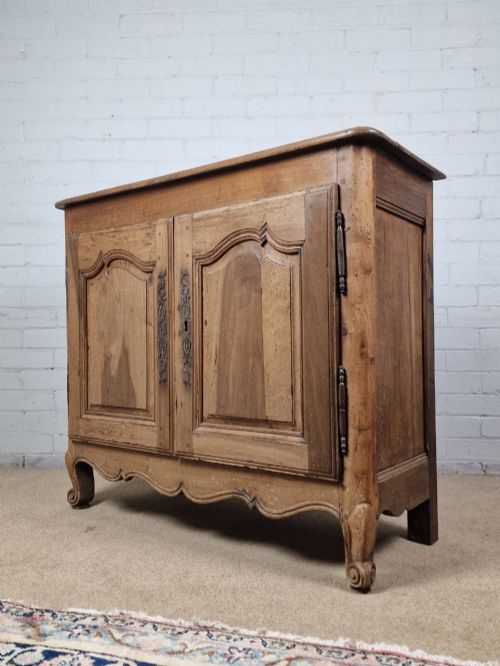
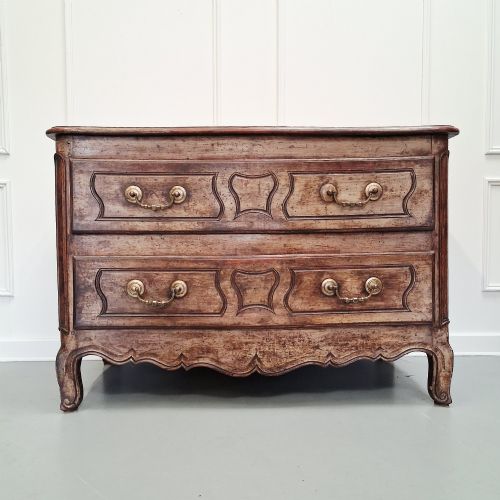
The selection on this page leans heavily towards Victorian and Edwardian examples constructed from traditional timbers like mahogany and oak. Alongside these British pieces, French commodes and occasional Chinese lacquered cabinets appear, offering alternative proportions and decorative schemes.
Materials and Construction
Cabinet makers utilised dense hardwoods such as mahogany, walnut, and oak to build the primary carcass and doors of each side cabinet. These durable timbers were frequently selected for their handsome grain patterns and structural stability.
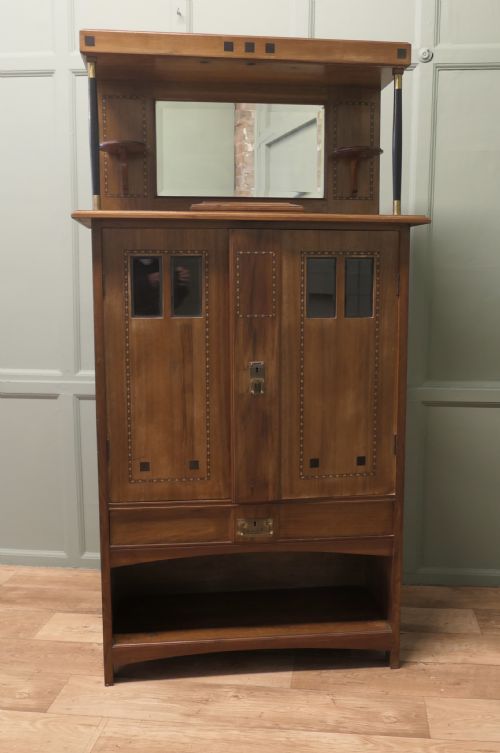
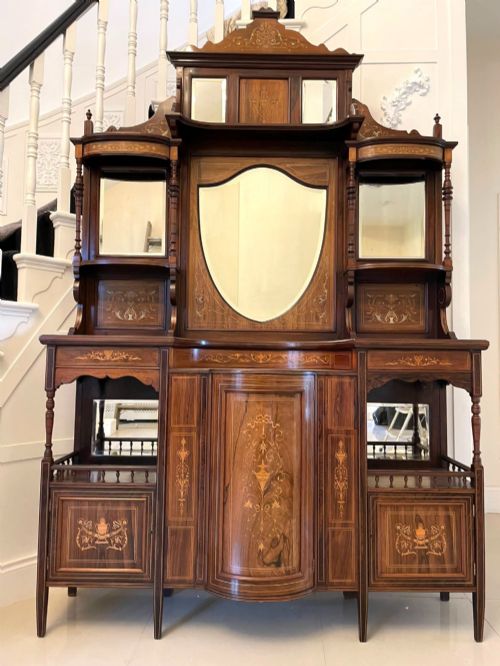
Surface enrichment often involved satinwood or harewood stringing, brass handles, or ormolu mounts fixed to ebonised or polished timber. Some examples incorporate glass panels for display purposes or feature painted chinoiserie and lacquered finishes.
Antique Wooden Side Cabinet Retail Price Guide 2026
Typical asking prices for wooden side cabinet among the pieces listed under this phrase on Sellingantiques today, from the lower quarter to the upper quarter. They describe what is for sale here now, not the wider market.
The listings span periods from the eighteenth century through the Art Deco era, utilising mahogany, oak, walnut, and satinwood.
Judging Quality
Differences in quality depend heavily on the selection of figured timber veneers and the precision of the marquetry or inlay work. Superior examples demonstrate meticulous hand-cut joinery and retain their original hardware and mounts.
The refinement of internal carcase construction, drawer linings, and the crispness of carved or applied ornament separate standard utility furniture from pieces produced by master workshops.
Johnstone and Jeanes
The Antique Wooden Side Cabinet Glossary
- Chiffonier
- A compact sideboard or low cabinet typically fitted with drawers and enclosed shelving below. This form became particularly popular during the Regency and Victorian periods.
- Ormolu
- Gilded bronze mounts applied to furniture for decorative contrast. This technique appears frequently on finer French and Victorian cabinets.
- Commode
- A low standing cupboard or chest of drawers of French origin. These pieces often feature decorative veneers and marble or wooden tops.
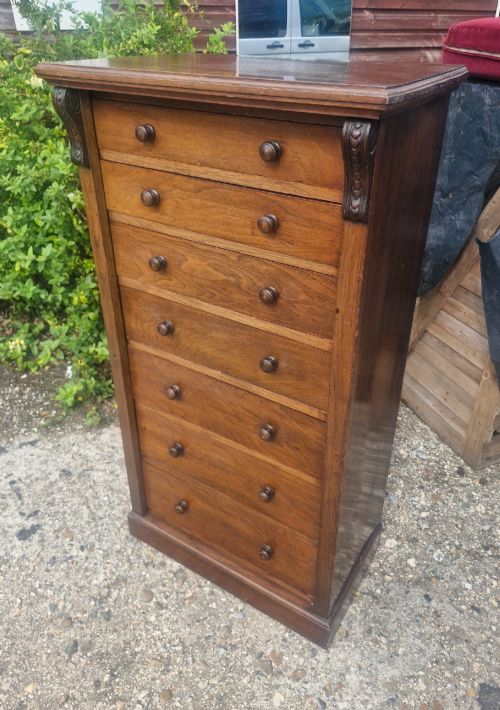
- Wellington chest
- A tall, narrow chest of drawers secured by a hinged locking side stile. It takes its name from the Duke of Wellington.
- Inlay
- A decorative technique where contrasting woods or materials are set flush into the primary timber surface. This method defines many Edwardian and Sheraton revival pieces.
Antique Wooden Side Cabinet: Frequently Asked Questions
Where should I place a side cabinet?
These cabinets suit hallways, living rooms, and bedrooms where surface space and enclosed storage are required. Their compact proportions allow them to fit into alcoves or beside seating.
Larger variations function effectively as serving surfaces or low bookcases depending on the internal shelf configuration.
How do I clean wooden cabinets?
Maintain polished timber surfaces using a soft cloth and traditional beeswax rather than modern silicone polishes. This preserves the patina built up over generations.
Avoid placing wooden furniture near direct heat sources or strong sunlight to prevent timber movement and fading.
Are bedside cabinets different from side cabinets?
Bedside tables and cupboards are scaled specifically for domestic sleeping quarters to hold small items and lamps. Side cabinets generally offer broader proportions and larger storage capacity for general living spaces.
Both categories share similar period construction methods and timber choices.
How do I identify Victorian pieces?
Victorian side cabinets often display heavier proportions, rich mahogany or burr walnut veneers, and robust internal framing. Stylistic markers range from Gothic Revival to ornate ormolu mounts.
Examine the secondary woods inside the drawers to confirm nineteenth-century origin.