





Edwardian Portrait Print
An edwardian portrait print brings the refined likenesses and character studies of the early twentieth century directly to your walls.
Edwardian Portrait Print
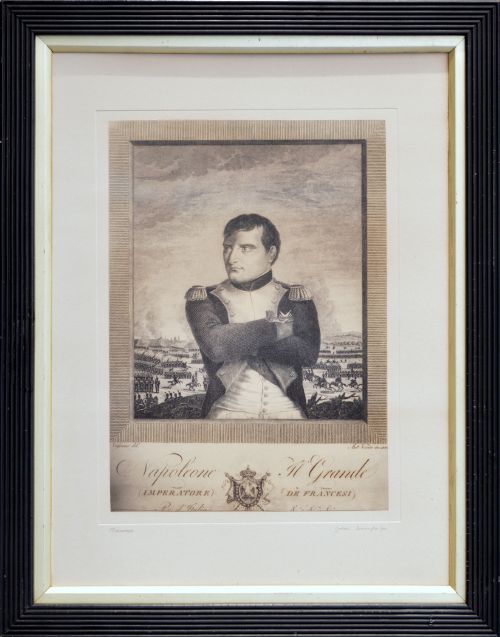
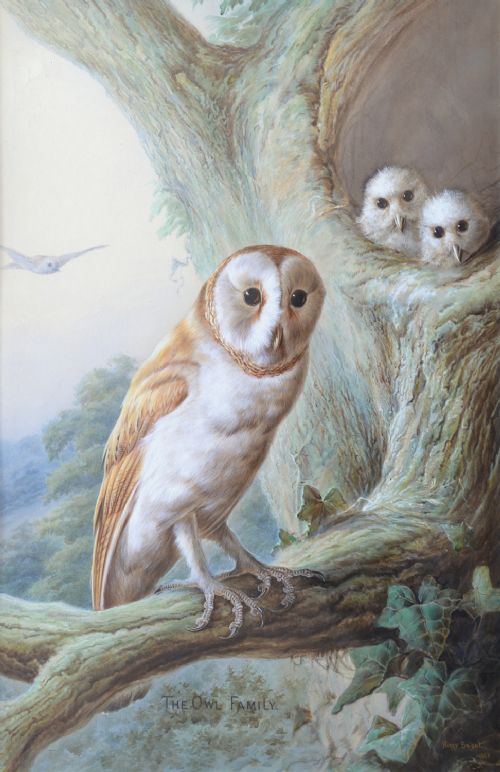
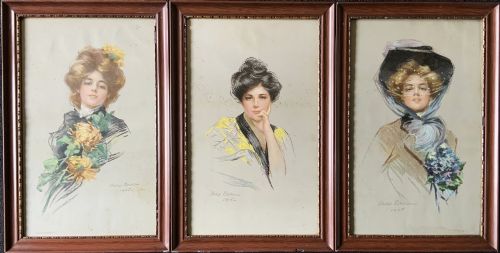
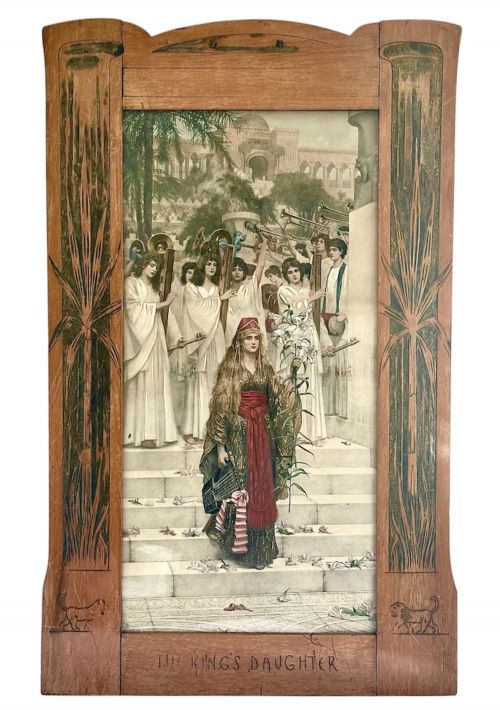
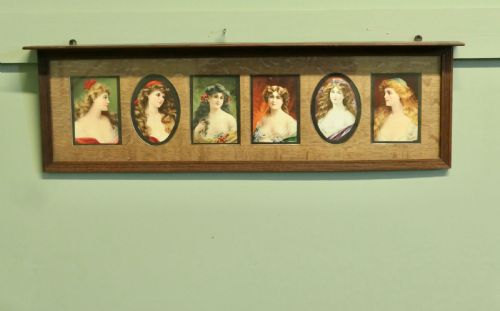
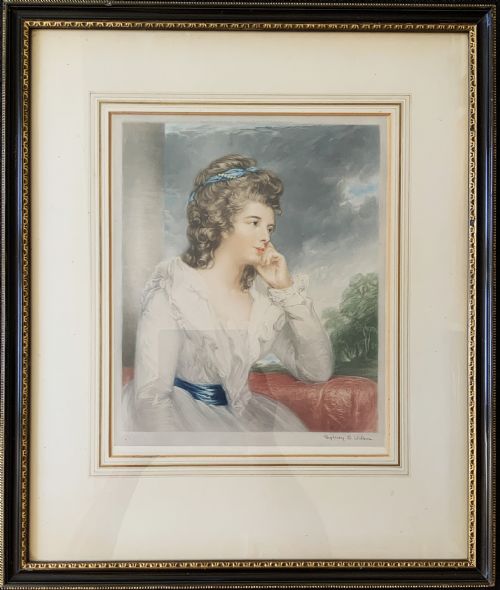
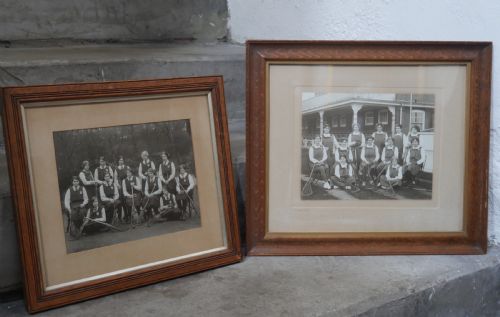
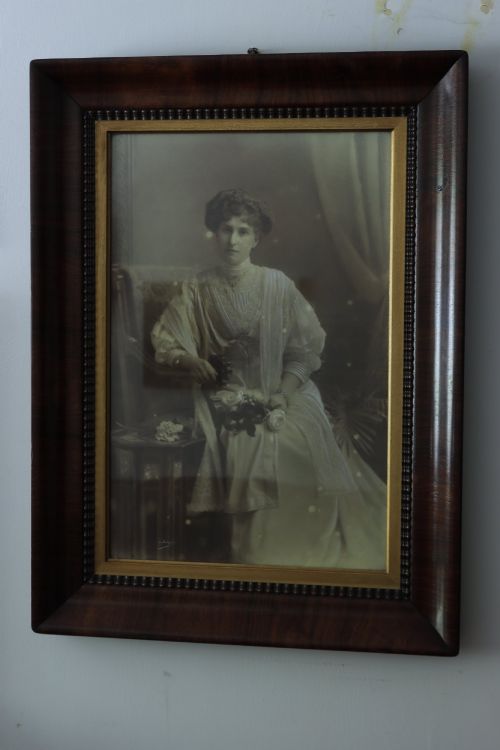
An edwardian portrait print captures the human form, animals, and notable figures through various graphic methods spanning the early twentieth century and neighbouring periods. Buyers find framed artwork, photogravures, mezzotints, and etchings depicting ladies, gentlemen, children, and animal studies.
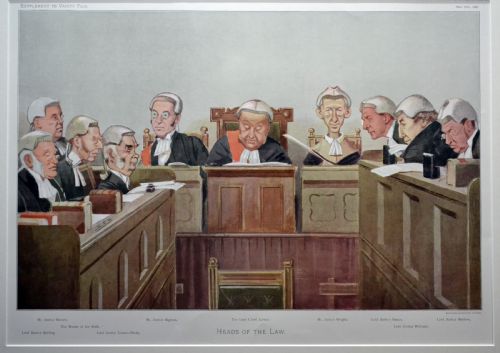
The selections range from individual framed prints and artist proofs to periodical pages and photographs housed in original wooden or gilt frames. Pieces often bear signatures or studio stamps from the era, reflecting the distinct visual culture of the time.
While the material encompasses oils, watercolours, and photographs on card, the printed medium dominates the grouping. These works provide a direct window into the aesthetic preferences and social portraiture of the period.
How they were made
Makers utilised paper as the primary surface for etchings, engravings, and photogravures, applying ink through traditional press techniques or photographic reproduction. Artists and printmakers also worked with pastel and oil paint on paper, combining graphic skill with hand-colouring.
Framing materials played a crucial role in presentation, with artisans enclosing works in oak, giltwood, and glass-fronted frames. Many pieces retain their period frames, incorporating ornate mouldings or simple wood surrounds that complement the printed image.
Edwardian Portrait Print Retail Price Guide 2026
Typical asking prices for edwardian portrait print among the pieces listed under this phrase on Sellingantiques today, from the lower quarter to the upper quarter. They describe what is for sale here now, not the wider market.
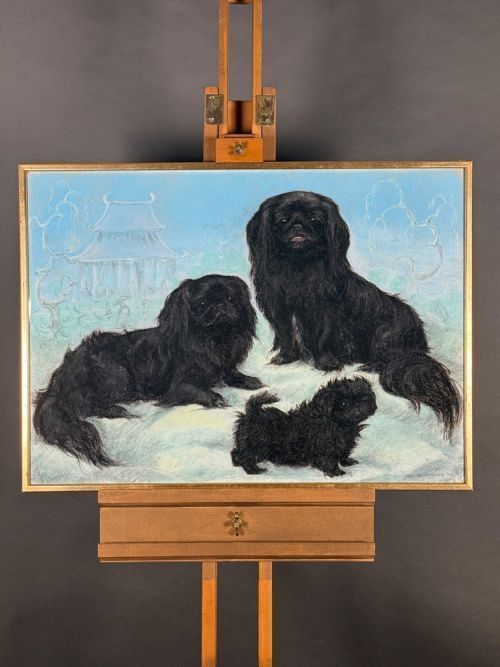
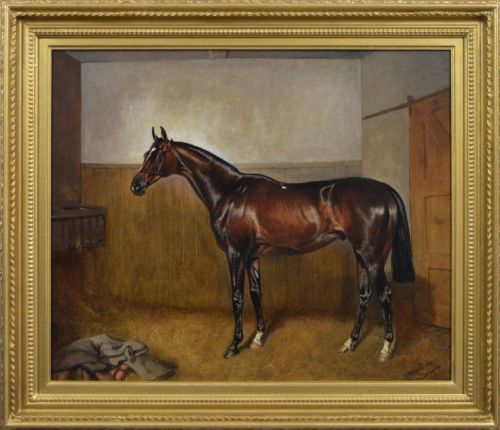
Several subjects captured for posterity include prize-winning racehorses, Persian kittens at a tea party, and three very serious Pekingese dogs.
What varies in quality
The finesse of the impression distinguishes finer print runs and artist proofs from standard reproductions, with sharper plate marks and deeper ink saturation indicating superior execution. Signed examples and works carrying provenance labels demonstrate stronger direct association with the creator.
The condition and originality of the surrounding frame contribute significantly to the overall integrity of the piece. Contemporary oak or giltwood frames preserved alongside the paper artwork elevate the physical presence of the item.
Herbert Dicksee·Herbert Gustave Schmaltz·John Alfred Wheeler·Sydney Wilson·Edward Stodart·Arthur Hacker·Augustus Edwin John·Agnes Augusta Tallboys·Isaac Cullin·Charles Burton Barber
The Edwardian Portrait Print Glossary
- Etching
- A printmaking method where lines are incised into a metal plate with acid before ink is applied and transferred to paper. This technique allows for fine, expressive detail.
- Mezzotint
- A tonal printmaking process on copper or steel that produces subtle gradations of light and shade. It was frequently utilised for reproducing portraits.
- Photogravure
- A photographic printing process that produces rich tonal images by transferring a photographic negative to a metal plate. The resulting print combines photographic detail with the ink texture of an etching.
- Artist Proof
- A trial impression printed for the artist to inspect before the main edition is produced. These are typically signed by the creator.
- Crystoleum
- A Victorian method of applying a transparent colour print to the inside of concave glass and hand-painting details behind it. The glass protects the image and gives it depth.
Edwardian Portrait Print: Frequently Asked Questions
What is an edwardian portrait print?
An edwardian portrait print is a framed artwork, etching, or photogravure depicting people or animals from the early twentieth century and surrounding decades.
These pieces capture the visual styles and portraiture techniques popular during the period, often presented in period wood or gilt frames.
How do I identify an original etching?
Original etchings typically exhibit a distinct plate mark impressed into the paper where the metal plate pressed down during printing.
Close inspection under magnification reveals raised ink lines rather than the flat dot pattern of modern mechanical reproduction.
How should I hang these prints?
These framed artworks suit traditional wall displays in living spaces, studies, or hallways alongside other period pieces.
Keep them away from direct sunlight to protect the paper and ink from fading over time.
What materials are used in the frames?
Many pieces are housed in their original oak, giltwood, or ornate moulded frames with protective glass fronts.
The framing materials reflect the craftsmanship of the era, frequently matching the aesthetic of the enclosed artwork.