

Vintage Portrait Photo
These vintage portrait photo pieces provide a glimpse into past lives through framed silver, glass, and velvet.
Vintage Portrait Photo
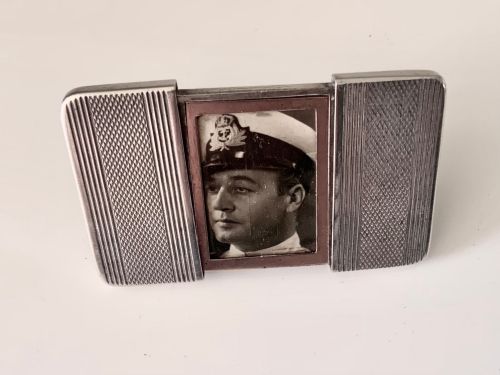
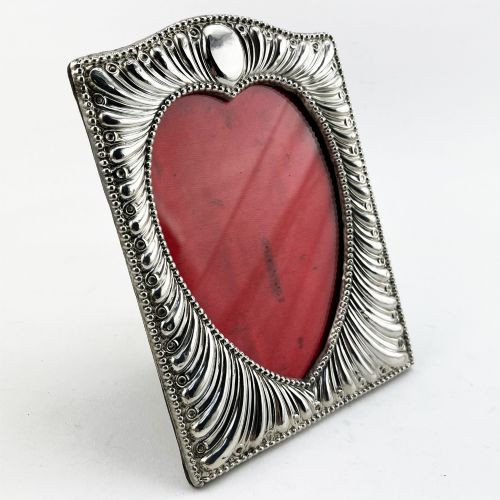
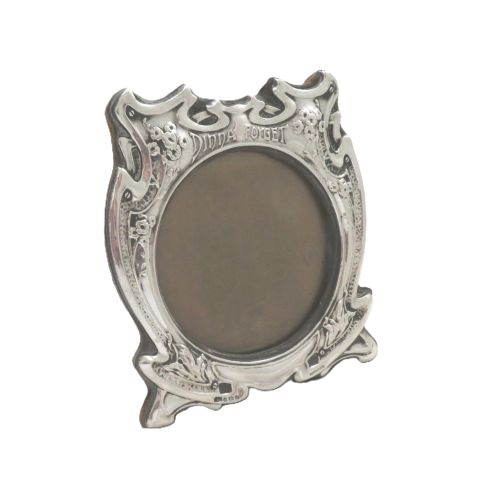
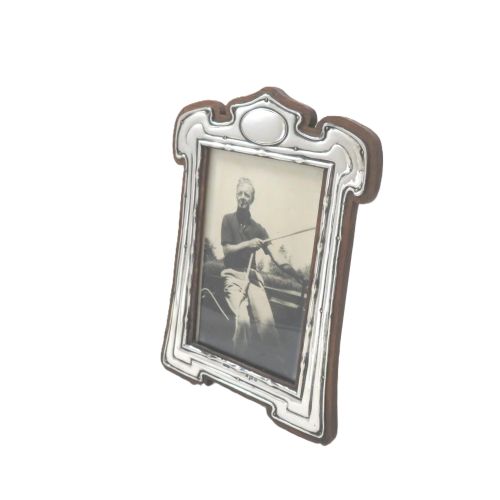
When searching for a vintage portrait photo, collectors encounter a diverse range of picture frames, framed photography, and locket pendants that preserve historical imagery. The selections span from the late Victorian and Edwardian eras through the George V period and into the mid-twentieth century.
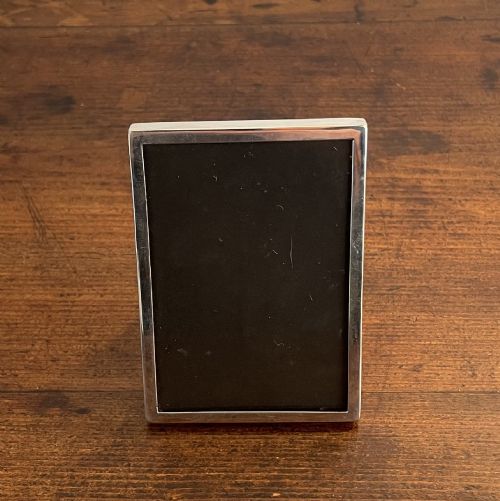
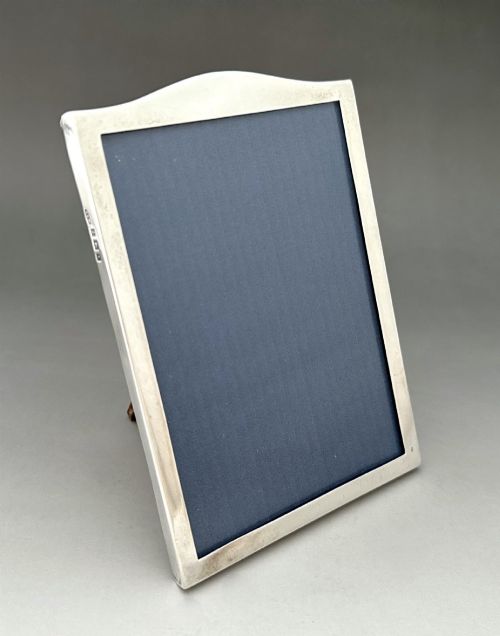
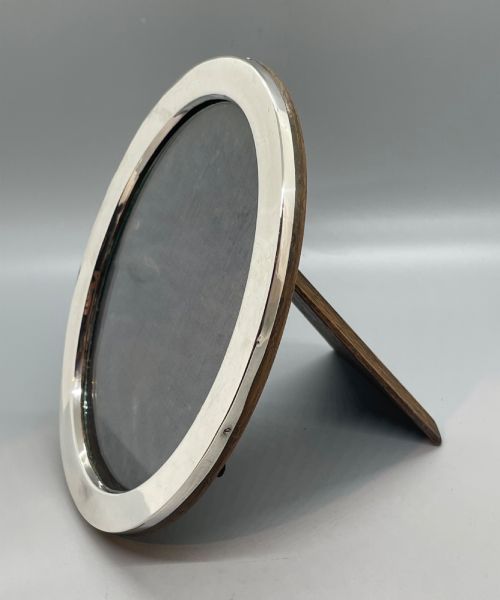
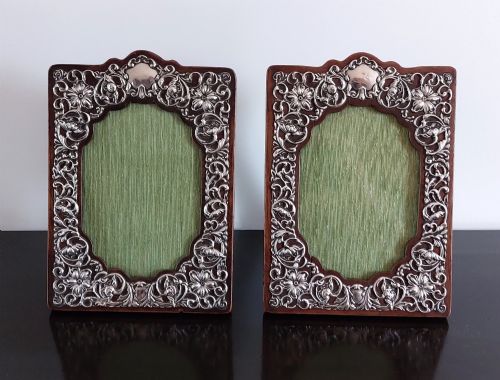
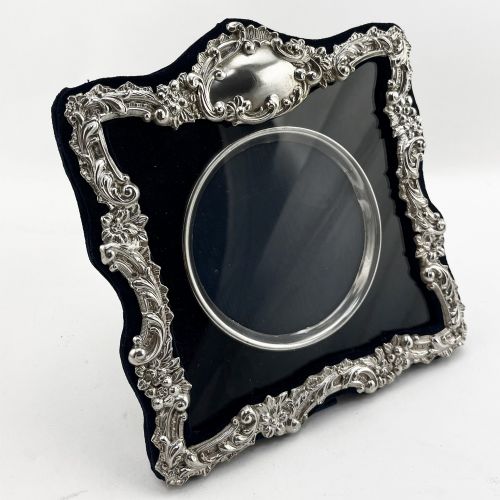
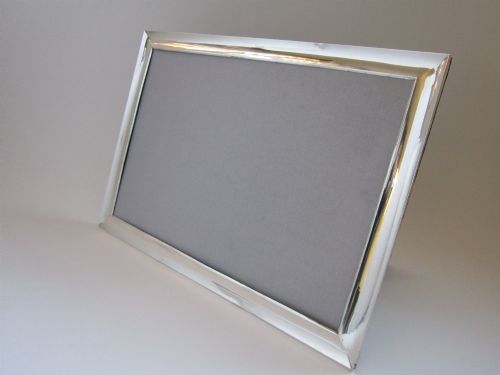
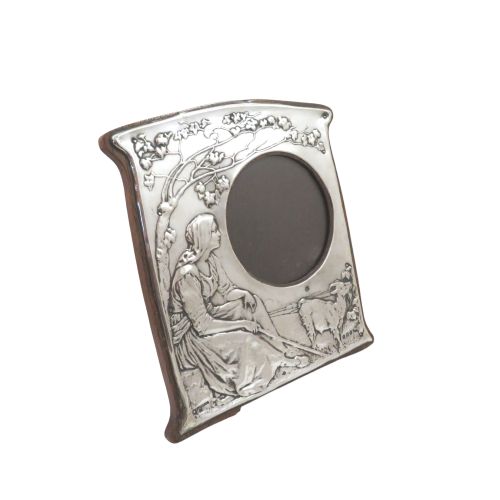
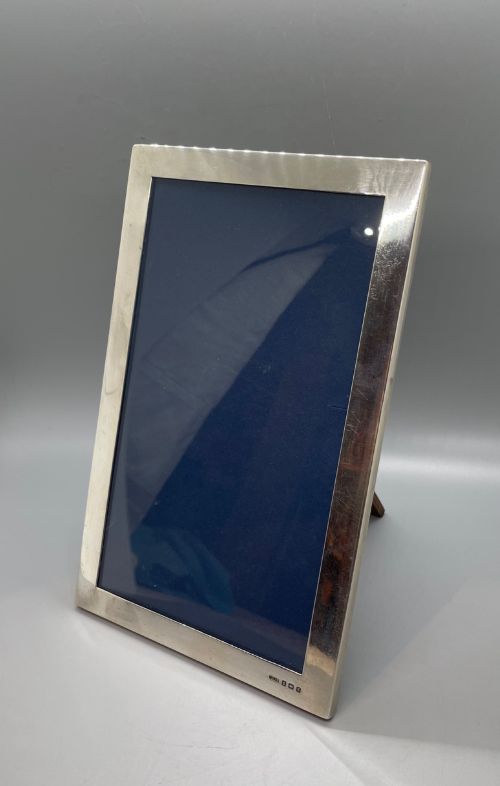
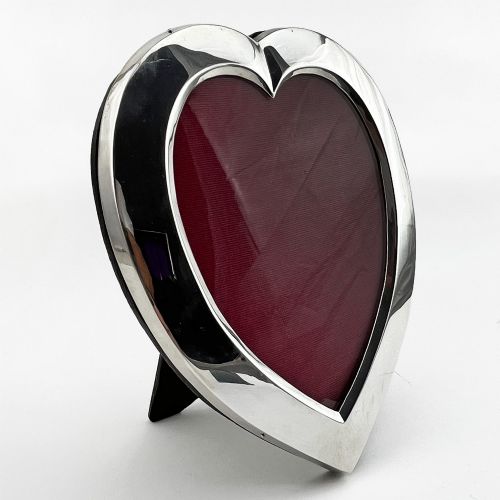
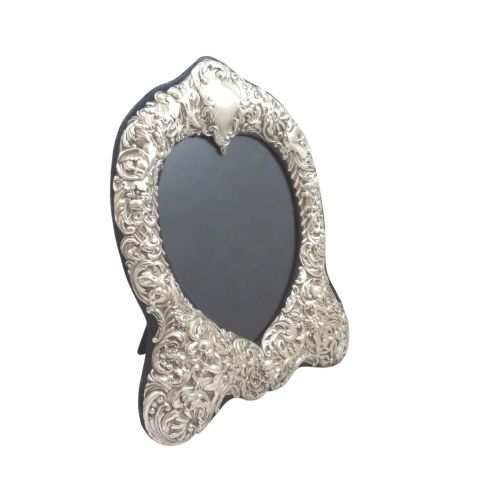
The objects most frequently met on this page are sterling silver photo frames and framed portraits originating from Birmingham and Sheffield assay offices. These pieces encompass various forms including heart shapes, oval frames, and rectangular borders embellished with embossed floral or engine-turned designs.
What varies in quality
The distinction between standard items and superior examples rests upon the crispness of the hallmark stamps, the weight of the solid silver, and the intricacy of the hand-embossed or engine-turned decoration. Makers employing heavier gauge metal and deeper relief work achieved greater durability and visual depth.
Condition of the internal wooden backings, original glass panels, and backing easel supports also influences the standing of a piece. Well-preserved textiles like velvet and damask lining the reverse add integrity to surviving examples.
Vintage Portrait Photo Retail Price Guide 2026
Typical asking prices for vintage portrait photo among the pieces listed under this phrase on Sellingantiques today, from the lower quarter to the upper quarter. They describe what is for sale here now, not the wider market.
Object types include heart-shaped picture frames, locket pendants, and large rectangular photograph holders with plain or embossed borders.
William Comyns·W.I.Broadway & Co·Julian Mandel·Pinci, Roma
The Vintage Portrait Photo Glossary
- Engine-turned
- A decorative technique mechanically engraved into metal with intricate geometric patterns. This method produces precise, repeating lines across silver surfaces.
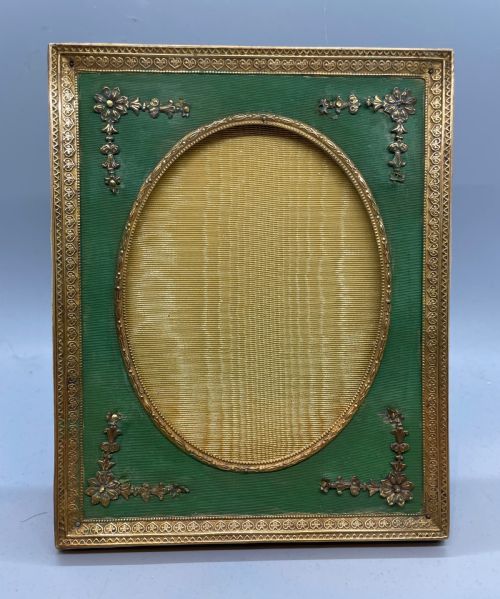
- Ormolu
- A gilding technique applying finely ground gold-bronze powder to an object made of copper or brass. It yields a rich, golden metallic finish popular in decorative frames.
- Paste
- Hand-cut glass or lead crystal used to imitate gemstones in jewellery and lockets. Skilled artisans faceted these materials to catch the light effectively.
- Assay mark
- A stamp indicating the purity of precious metal and the office where it was tested. British pieces commonly display town marks for Birmingham or Sheffield alongside the lion passant.
Vintage Portrait Photo: Frequently Asked Questions
What periods do these photo frames represent?
The selection spans multiple decades from the late nineteenth century through the Victorian, Edwardian, and George V eras. Mid-century examples also appear among the Italian silver pieces.
Buyers encounter distinct stylistic markers from each period, ranging from ornate floral embossing to clean, engine-turned borders.
How were these frames used originally?
These frames displayed cherished portrait photographs of family members, sports teams, or artistic subjects on mantelpieces and desks. Lockets and pendants kept smaller likenesses close to the wearer.
Interior settings relied on velvet backs and wooden stands to support the display of photographic plates.
How do I identify sterling silver frames?
British silver pieces bear hallmarks that indicate the standard of metal, the assay office, and the year of manufacture. Sterling marks confirm the silver content meets official standards.
Additional stamps often reveal the silversmith responsible for crafting the frame.
How should I care for silver photo frames?
Silver frames require gentle cleaning with a soft cloth to preserve embossed details and engine-turned patterns. Avoid harsh abrasives that might damage the underlying metal.
Keep fabric components like velvet and damask dry to maintain their original texture over time.