


Edwardian Porcelain
Edwardian porcelain brings refined ceramic artistry and hand-painted detail straight into the drawing room.
Edwardian Porcelain
Edwardian porcelain encompasses a variety of decorative and table items made during the early twentieth century, reflecting both traditional craftsmanship and evolving domestic tastes. A buyer searching for edwardian porcelain encounters cabinet plates, vases, and serving dishes that demonstrate delicate artistry.
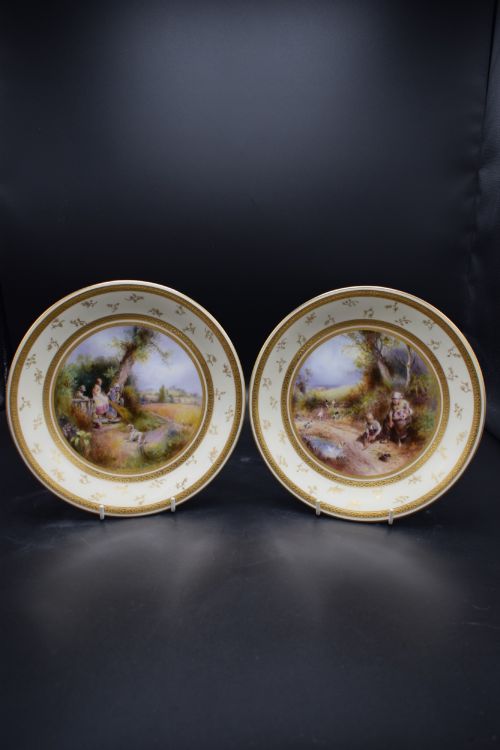
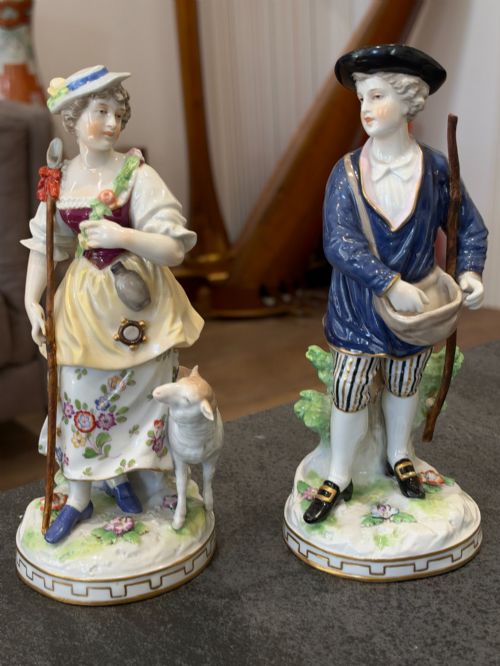
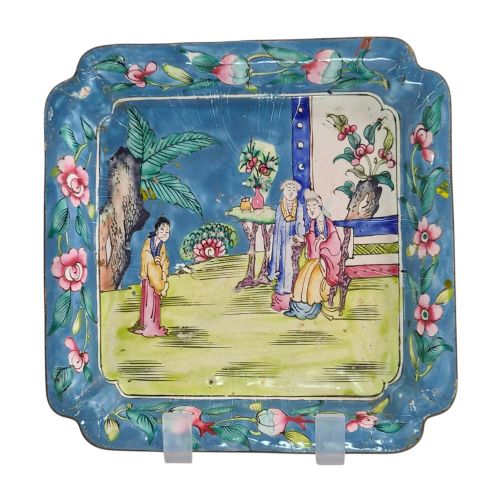
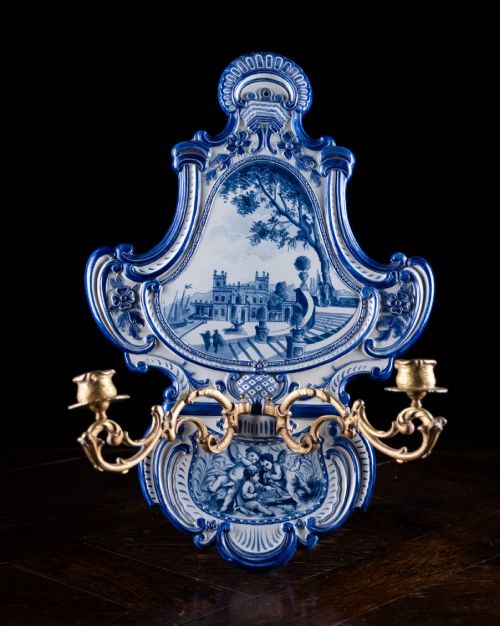
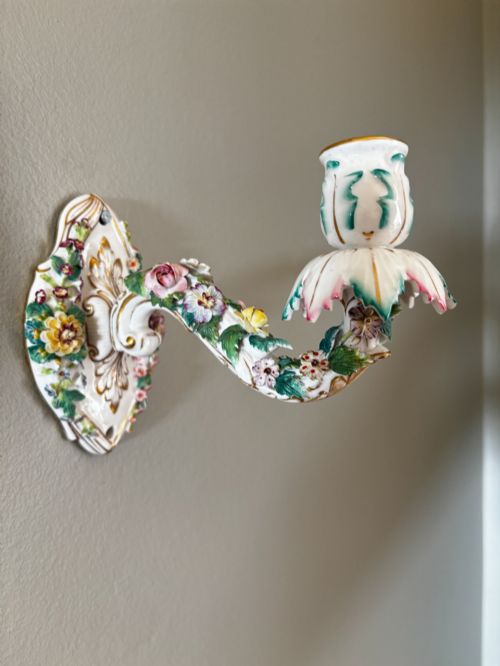
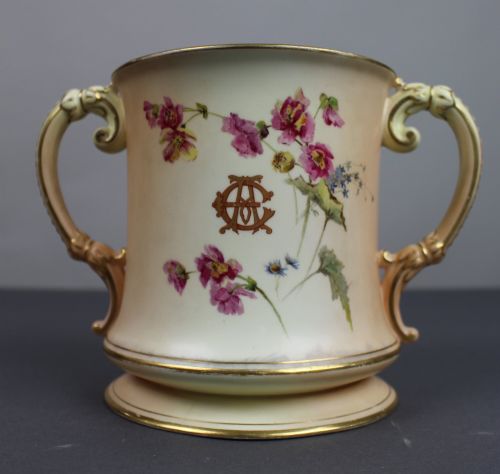
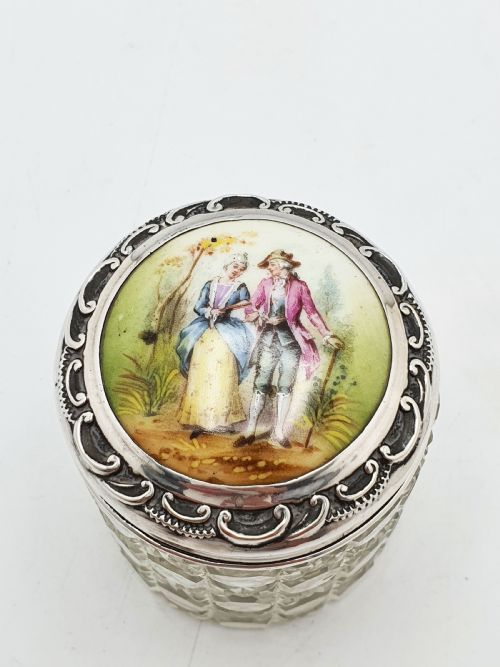
The pieces appearing on this page span decorative bowls, miniature vases, and hand-painted cabinet plates originating from prominent British potteries. These items served primarily as display pieces for wealthy homes or functional objects rendered with artistic ambition.
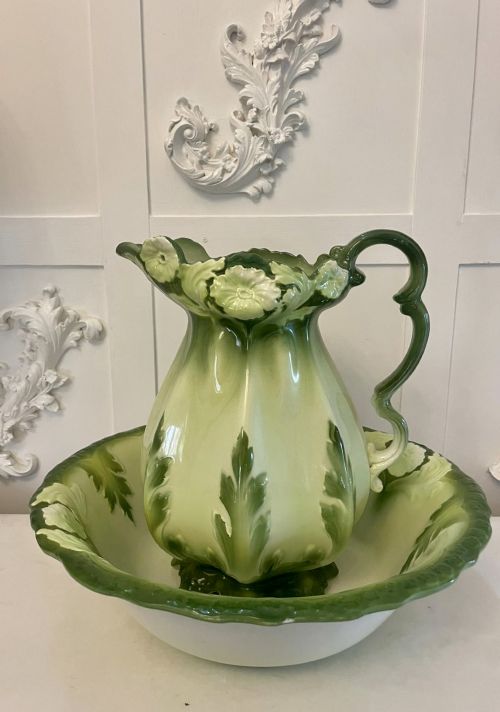
Objects range from blush ivory table wares to deep lobed serving dishes featuring intricate transfer and hand-applied patterns. Many reflect the transition from late Victorian opulence toward cleaner early twentieth-century decorative schemes.
How They Were Made
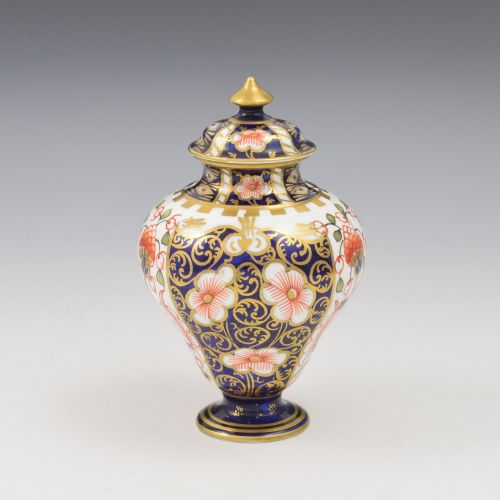
Manufacturers utilised fine ceramic body materials including bone china and porcelain, often finished with smooth glazes and hand-applied enamel colours. Gilding and gold leaf frequently highlight rims and handles, adding a layer of metallic lustre to the fired clay body.
Skilled painters decorated many of these surfaces by hand, recording botanical studies, fruit, and avian subjects directly onto the porcelain body before a final kiln firing. Other items incorporate transfer-printed outlines enriched with hand-painting to achieve precise repeat patterns efficiently.
Edwardian Porcelain Retail Price Guide 2026
Typical asking prices for edwardian porcelain among the pieces listed under this phrase on Sellingantiques today, from the lower quarter to the upper quarter. They describe what is for sale here now, not the wider market.
Some cabinet plates feature painstakingly painted fruit signed by artists who spent decades rendering single plums with obsessive botanical accuracy.
What Varies in Quality
Quality rests significantly upon the skill of the artist responsible for the hand-painted decoration, where named painters command greater attention than standard factory output. Superior pieces display finely nuanced brushwork and detailed pictorial subjects rather than repetitive transfer printing.
The crispness of the porcelain moulding and the richness of the gilding further distinguish finer examples from standard commercial wares. Heavier relief work and careful preservation of the original glaze integrity indicate higher manufacturing standards.
Royal Doulton·Royal Crown Derby·Royal Worcester·Locke And Co·Shelley·Booths
The Edwardian Porcelain Glossary
- Blush ivory
- A soft cream-coloured ceramic ground developed by potteries to mimic unglazed ivory, often decorated with pastel floral motifs. This finish became particularly popular for decorative vases and ewers.
- Cabinet plate
- A decorative ceramic plate intended for display in a cabinet or on a wall rather than for dining use. These items frequently showcase elaborate hand-painted landscapes, fruit, or floral studies.
- Bone china
- A type of porcelain composed of clay mixed with bone ash, producing a strong, highly translucent white body. It allows for thinner walls and delicate forms without sacrificing structural durability.
- Imari
- A style of ceramic decoration featuring deep blue, iron red, and gilt details inspired by Japanese export wares. British factories adapted these vibrant patterns extensively during the nineteenth and early twentieth centuries.
- Gilding
- The application of gold leaf or gold powder to the surface of porcelain to accent rims, handles, and borders. It provides a bright metallic contrast against white or coloured glazes.
Edwardian Porcelain: Frequently Asked Questions
How do I display edwardian porcelain plates?
Display plates safely by using dedicated wall hangers or secure cabinet stands that support the rim without causing stress. Ensure they are placed away from direct sunlight to preserve the vibrant hand-painted enamels.
Grouping several plates together by maker or decorative theme creates an effective wall display reminiscent of period drawing rooms.
Can I use edwardian porcelain for dining?
Most decorative items from this era, particularly cabinet plates and hand-painted dishes, are intended for display rather than everyday use. Older glazes and delicate gold leaf can wear away under frequent washing and cutlery contact.
Retain these pieces for ornamental purposes to protect their fine painted surfaces and original condition.
How do I clean antique porcelain safely?
Dust surfaces gently with a soft, dry cloth to remove everyday particles without abrasive friction. Avoid soaking items in water, particularly those with gilt highlights or delicate overglaze enamel painting.
If washing is necessary, use lukewarm water with a mild soap, rinse carefully, and dry immediately with a lint-free cloth.
How can I identify the date of a piece?
Examine the base of the ceramic for maker's marks, impressed ciphers, and registration numbers that correspond to factory archives. Stylistic clues such as blush ivory finishes or specific pattern numbers also point toward the early twentieth century.
Cross-referencing these marks with known manufacturer dating charts provides a reliable production window.