


Edwardian Plant Stand Table
An Edwardian plant stand table is a slender, versatile piece designed to elevate greenery and lamps, bringing practical elegance to domestic interiors.
Edwardian Plant Stand Table
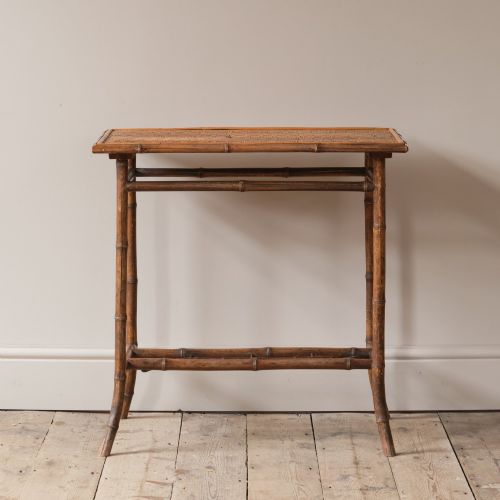
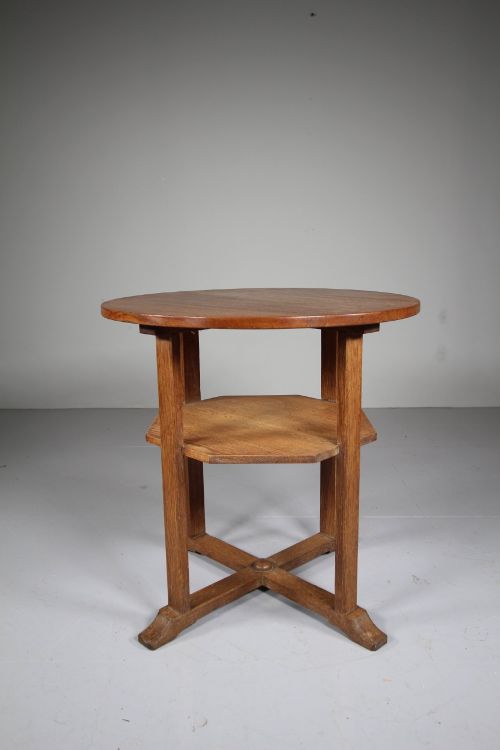
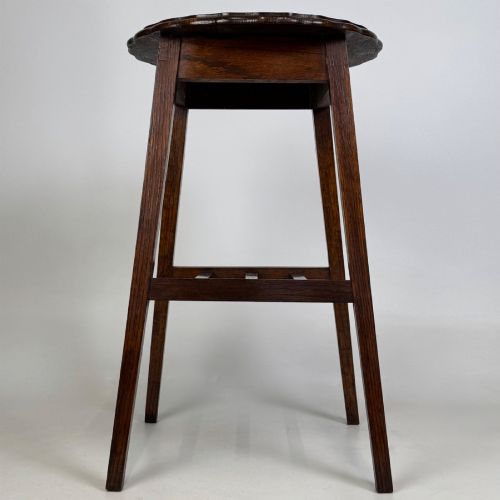
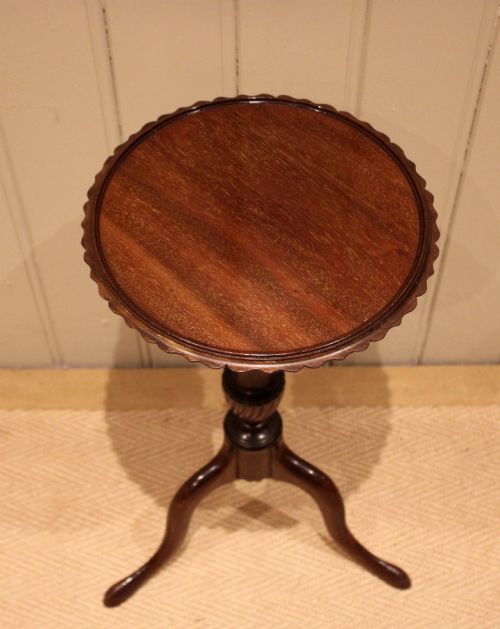
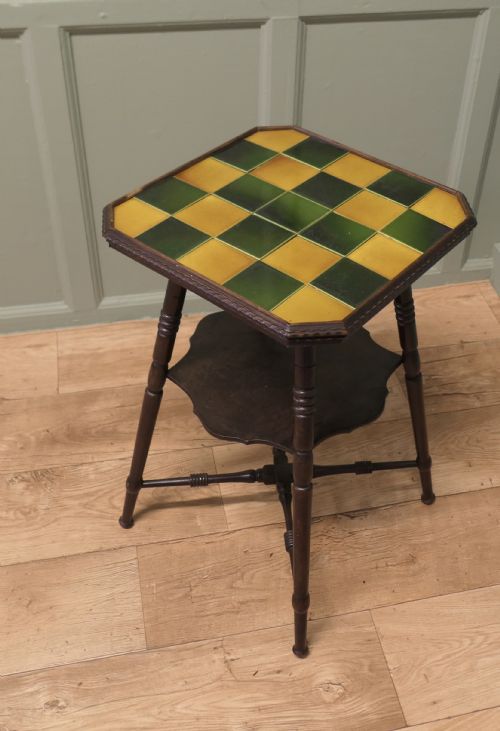
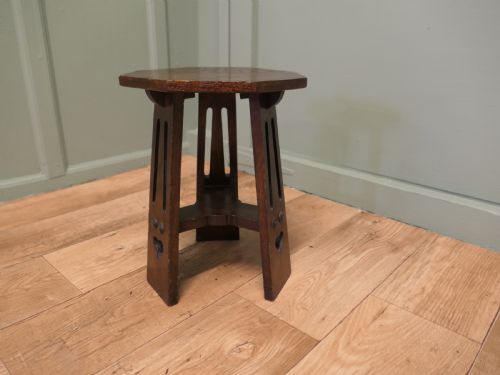
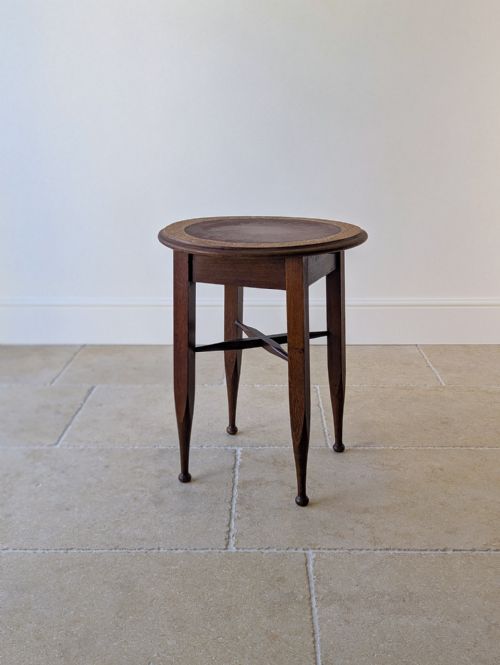
An edwardian plant stand table combines the elevated platform of a jardiniere stand with the surface utility of an occasional table. Most examples date from the Edwardian period or turn of the twentieth century, appearing in forms such as octagonal tables, two-tier stands, and tall lamp tables.
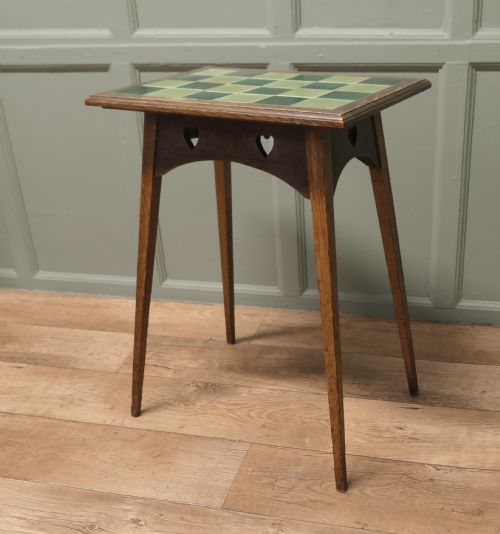
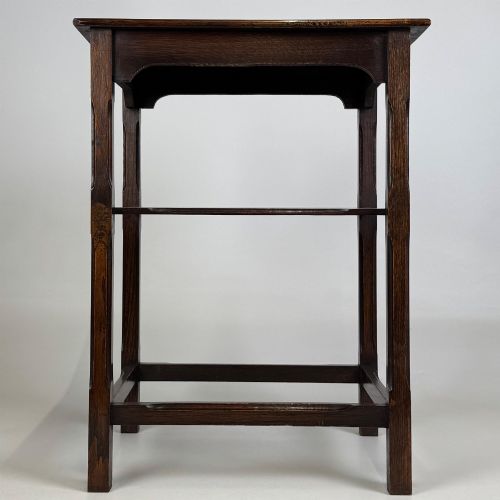
Makers often adapted these versatile pieces for multiple functions, creating tables that served equally well for displaying pottery, holding reading lamps, or supporting small decorative items. The surviving inventory leans heavily towards sturdy oak Arts and Crafts designs and polished mahogany occasional pieces.
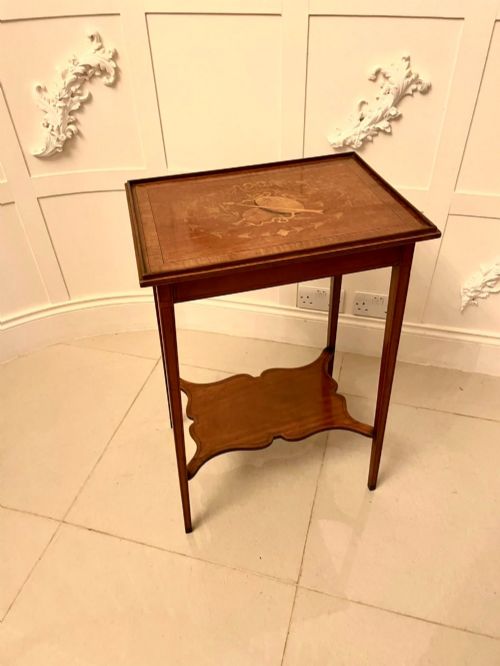
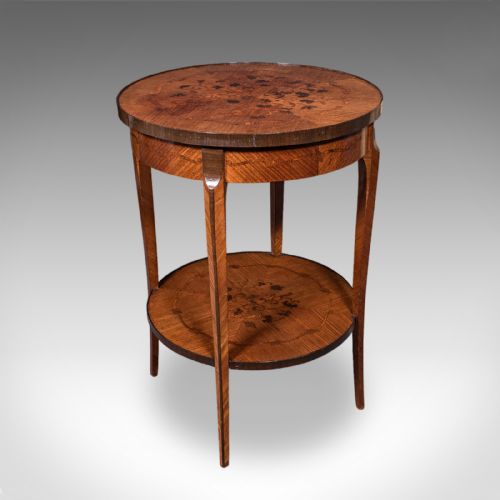
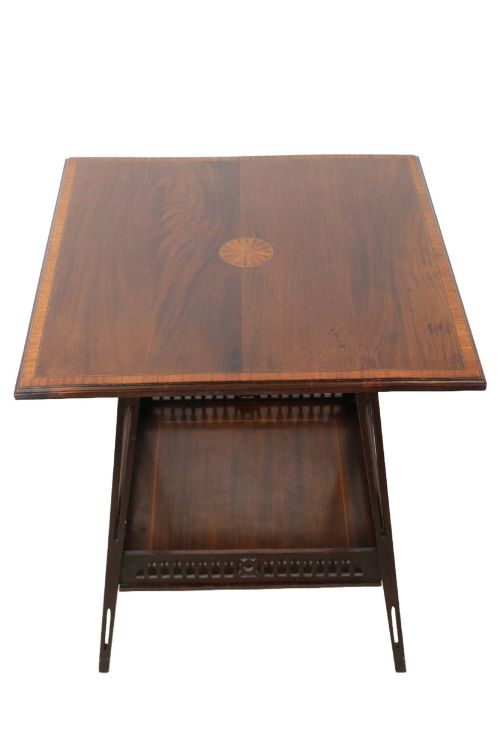
Buyers encounter variations spanning from plain solid oak vernacular pieces to finely inlaid satinwood and mahogany creations. The forms range from compact three-tier stands to broad octagonal tables that bridge the gap between plant display and everyday side table use.
Materials and construction
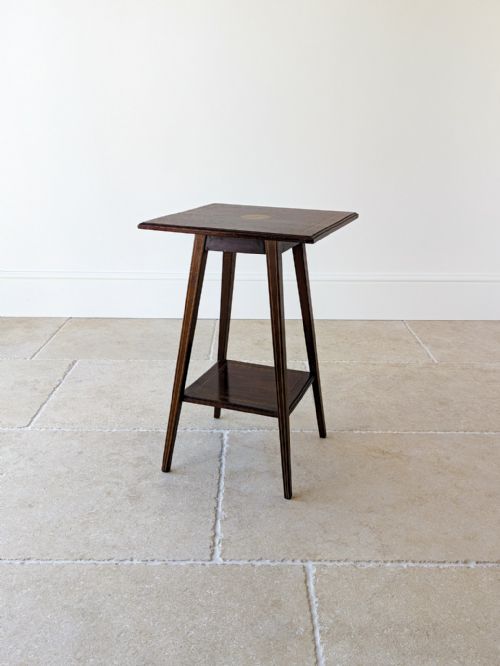
Carpenters utilised solid oak and rich mahogany as the primary timbers, frequently enhancing surfaces with contrasting satinwood or chequered string inlay. Construction methods combined traditional joinery with period turning techniques, including barley twist supports and subtle carved details.
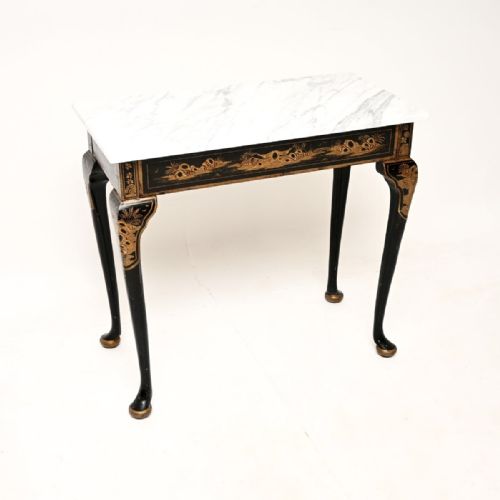
Specialised variations incorporated decorative elements such as brass fittings, tiled tabletops, and lacquered Chinoiserie finishes. Original painted surfaces and polished wood grains reflect the diverse workshop practices of the era, from Cotswold School simplicity to French-influenced styling.
The inventory spans the late Victorian, Arts and Crafts, and Edwardian periods, stretching from eighteen eighty to nineteen twenty.
Evaluating craftsmanship
Quality rests in the selection of timber and the precision of the joinery, distinguishing straightforward utility items from ambitious cabinet work. Superior examples show thoughtful integration of decorative details, such as crisp carving, balanced proportions, and careful inlay work.
The distinction between standard production and finer workshop output appears in the stability of the tiers, the finish applied to the wood, and the retention of original surface treatments like paint or polished lacquer.
Trevor Page & Co·Shapland & Petter·Liberty & Co·William Birch
The Edwardian Plant Stand Table Glossary
- Occasional table
- A small, movable table designed for light, miscellaneous use in a room. These pieces serve flexible roles as lamp tables or plant supports.
- Jardiniere
- An ornamental pot or stand for holding a plant or flower display. Many Edwardian plant stands specifically accommodate these botanical containers.
- Inlay
- A technique of inserting pieces of contrasting material into a solid wood surface to form decorative patterns. Satinwood and chequered stringing frequently appear on mahogany tops.
- Barley twist
- A type of turning shaped like a spiral helix, commonly found on table legs and supports. This decorative woodworking style is typical of the period.
- Two-tier
- A furniture design featuring a main tabletop positioned above a secondary lower shelf. The lower shelf adds structural rigidity and extra display space.
Edwardian Plant Stand Table: Frequently Asked Questions
What is an edwardian plant stand table used for?
These tables provide an elevated surface specifically designed to display potted plants, jardiniere bowls, and decorative lamps within living spaces.
Their compact footprints allowed Victorian and Edwardian households to introduce greenery and functional lighting into corners or narrow hallways without crowding the room.
How do I identify an edwardian piece?
Look for characteristic Edwardian design markers such as lighter mahogany timbers, subtle satinwood string inlay, and slender tapered legs. Proportions tend to be refined and less heavy than earlier Victorian furniture.
Construction details and timber choices help separate pieces made around nineteen hundred from later revival items.
Are these tables sturdy enough for heavy plants?
Most pieces handle standard ceramic pots and medium-sized green plants comfortably, particularly solid oak Arts and Crafts examples. Multi-tiered versions distribute weight well across their lower shelves.
Very tall or slender models benefit from careful placement to ensure stability on uneven floorboards.