


Edwardian Period Chairs
Edwardian period chairs bring together mahogany, oak, and walnut timber with revival styles and cane or fabric upholstery for everyday seating.
Edwardian Period Chairs
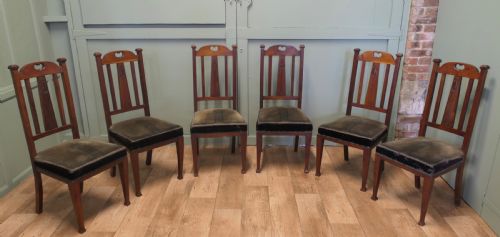
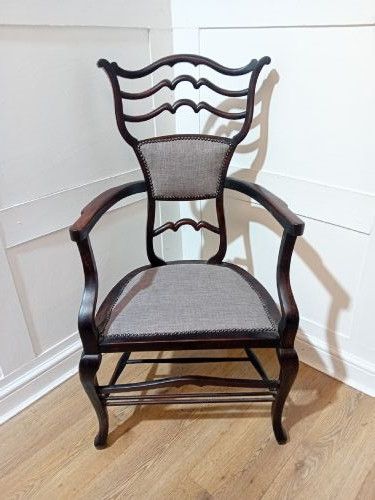
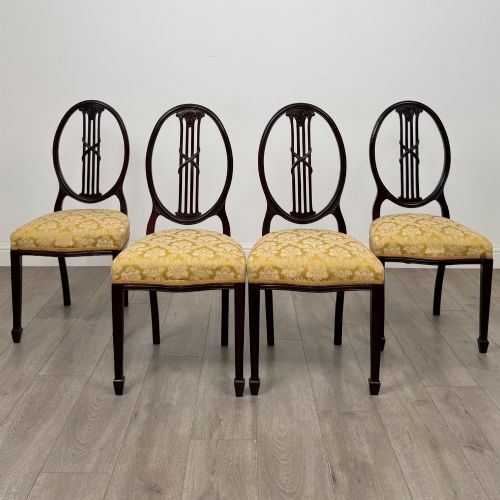
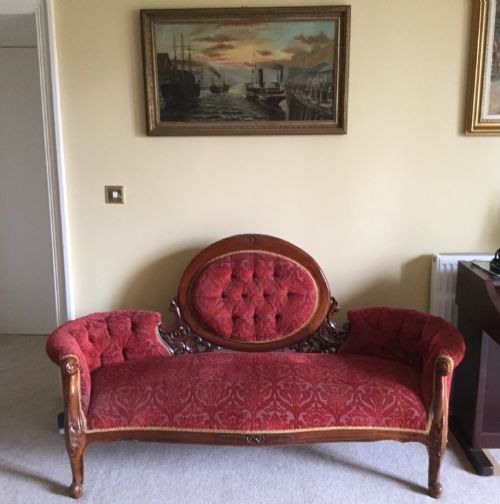
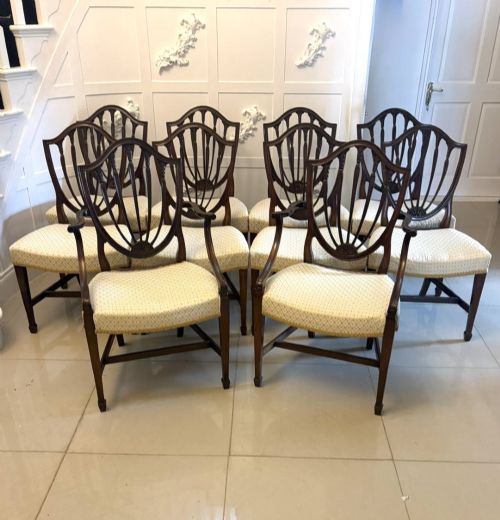
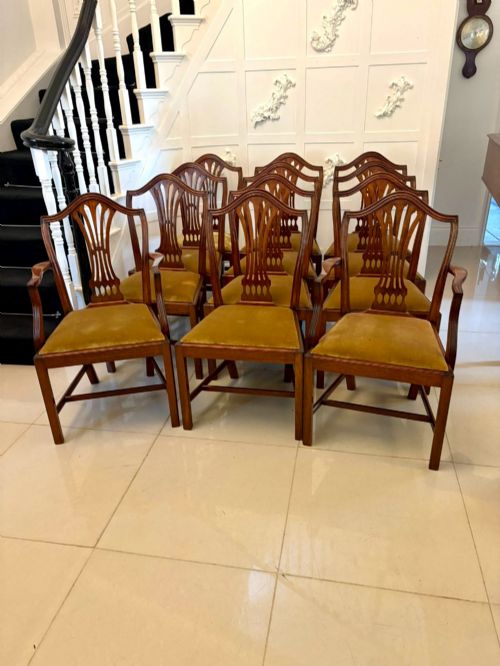
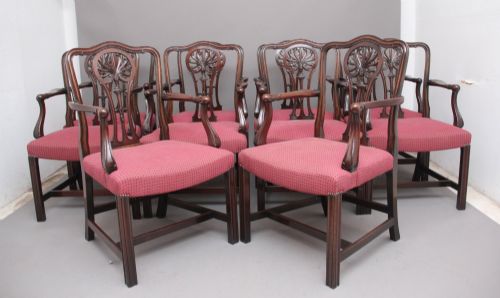
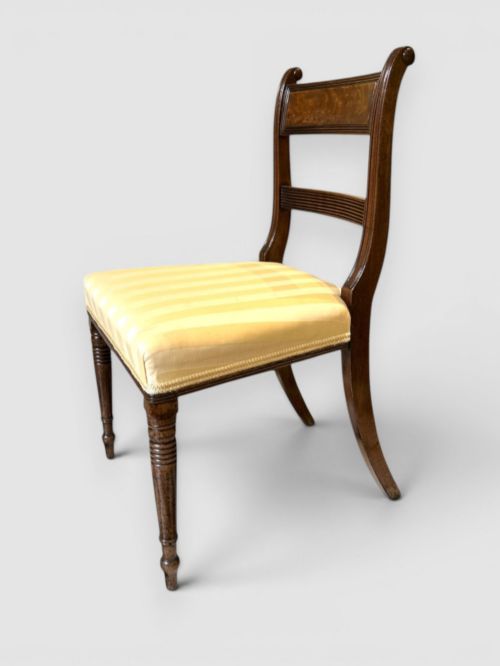
When searching for edwardian period chairs, buyers encounter dining chairs, armchairs, and salon seating produced around the turn of the twentieth century. These pieces draw heavily on earlier design vocabulary, resulting in frequent examples of Hepplewhite, Chippendale, and Sheraton revivals alongside Arts and Crafts forms.
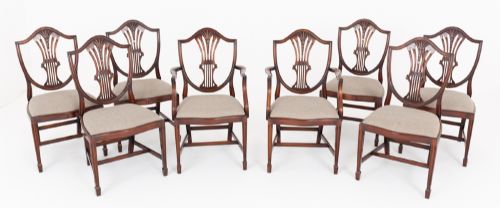
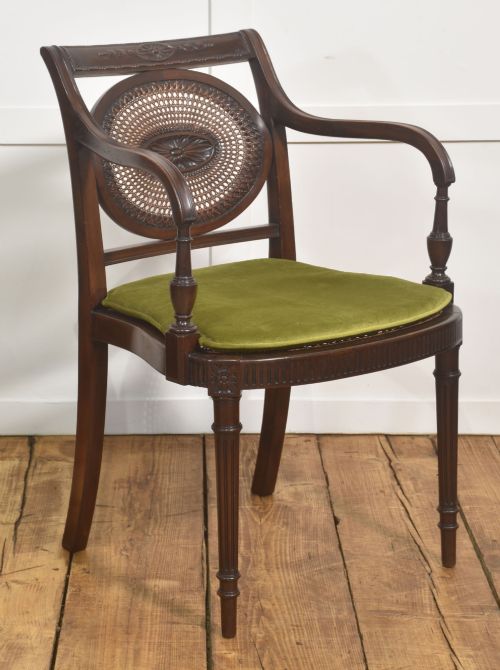
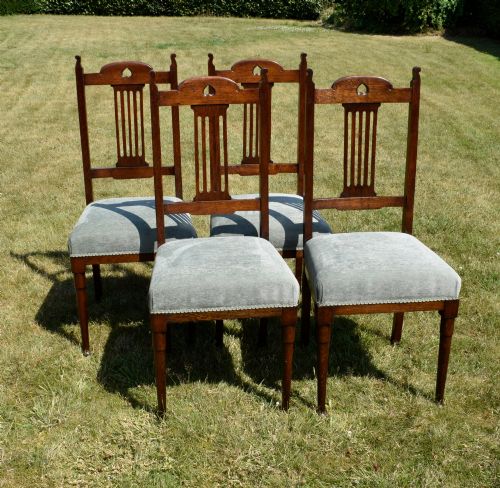
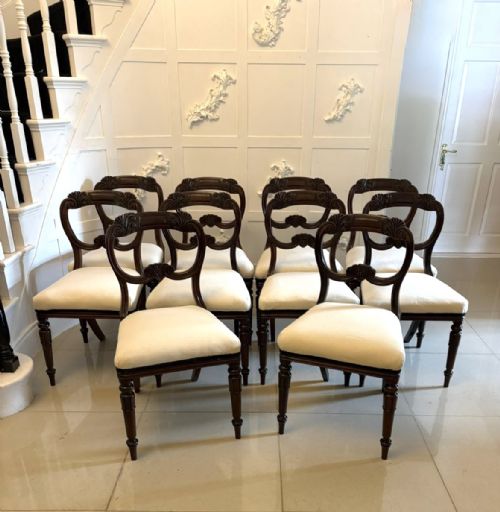
The version most commonly met on this page is the mahogany dining chair, often found in matched sets or larger groups. Alongside these formal seats, buyers regularly find oak armchairs, inlaid salon chairs, and library seating spanning the period from eighteen-eighty to nineteen-twenty.
How They Were Made
Cabinetmakers of the era utilised solid mahogany, oak, and walnut for structural frames, frequently applying intricate satinwood inlay or stringing to enhance the timber surfaces. Joinery relied on traditional methods to ensure durability across dining sets and armchairs.
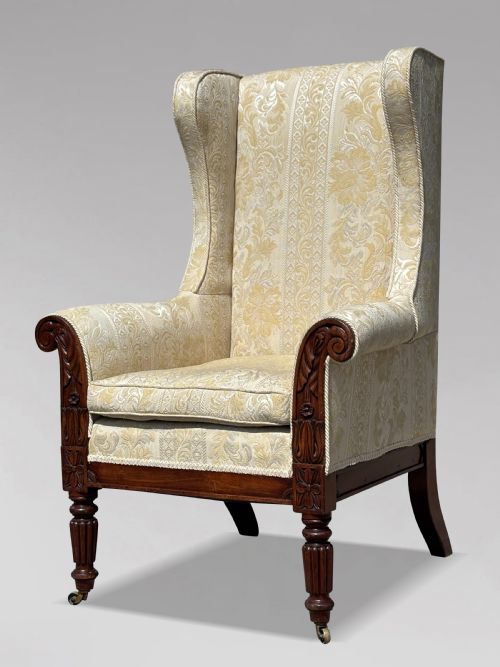
Upholstery materials range from handwoven cane and leather to velvet, fabric, and deep pile brocade. Brass details and buttoned backs appear on specific library and wing armchairs of the period.
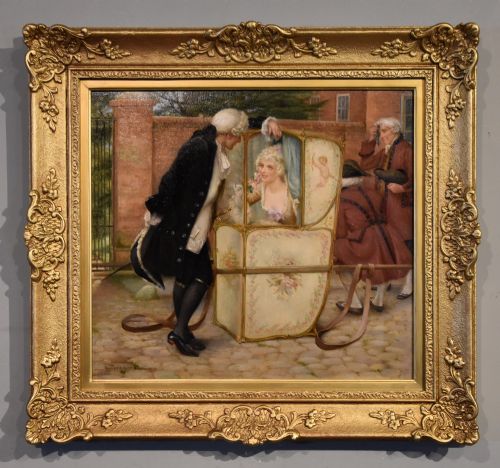
Even the sedan chair makes an unexpected appearance here, captured in oil paint rather than waiting in the hallway.
What Varies In Quality
The distinction between standard commercial production and finer workshops lies in the crispness of carved details, such as shield backs and claw feet, and the selection of figured timber veneers. Superior sets maintain uniformity across all members, whereas lesser examples show inconsistency in timber grain and carving depth.
The integrity of the internal frame construction and the fidelity of the period revival style dictate the standing of individual pieces. Original surface patination and restrained inlay separate exceptional examples from plainer production.
Charles Tozer·Alfred Allen of Birmingham·Dryad of Leicester·Maple and Co
The Edwardian Period Chairs Glossary
- Bergère
- An enclosed upholstered armchair with exposed wooden framing and cane sides or back panels. This French-inspired form gained popularity in refined Edwardian drawing rooms.
- Shield Back
- A chair back shaped in the outline of a heraldic shield, commonly associated with eighteenth-century revival dining seats. Makers of the period carved these frames from solid mahogany.
- Inlay
- A decorative technique where contrasting woods or materials like satinwood are inserted into shallow recesses in the primary timber. Edwardian cabinetmakers utilised stringing and marquetry to ornament mahogany surfaces.
- Caning
- A seating technique employing woven rattan material to form light, flexible panels for chair seats and backs. Library armchairs and salon pieces frequently incorporate this method.
- Chippendale Revival
- A decorative style replicating the mid-eighteenth-century designs of Thomas Chippendale, characterised by elaborate splats and carved cabriole legs. These revival pieces were standard output for Edwardian dining sets.
Edwardian Period Chairs: Frequently Asked Questions
How do I identify Edwardian chairs?
Edwardian chairs are typically identified by their use of mahogany, oak, or walnut combined with revival styles like Hepplewhite and Chippendale. Faint date clues often appear in the lighter timber framing and subtle string inlay.
Makers working in this era balanced historical forms with comfortable proportions, distinguishing their output from genuine eighteenth-century antiques.
Are these chairs suitable for daily dining?
Most dining chairs from this period are structurally robust, constructed from solid hardwoods with traditional joinery designed for regular use. Many sets have been reupholstered to suit modern seating comfort.
Buyers should consider the seat height and frame stability when selecting chairs for daily domestic dining.
Did Edwardian makers copy older styles?
Edwardian furniture production relied heavily on reviving Regency, Georgian, and Victorian aesthetics. Workshops frequently produced direct interpretations of Sheraton and Chippendale furniture.
These revival pieces allowed households to furnish rooms in cohesive historical tastes without sourcing fragile original antiques.