
Edwardian Pedestal Stand
An Edwardian pedestal stand brings height and refined display to a room, holding plants, lamps or ornaments with slender dignity.
Edwardian Pedestal Stand
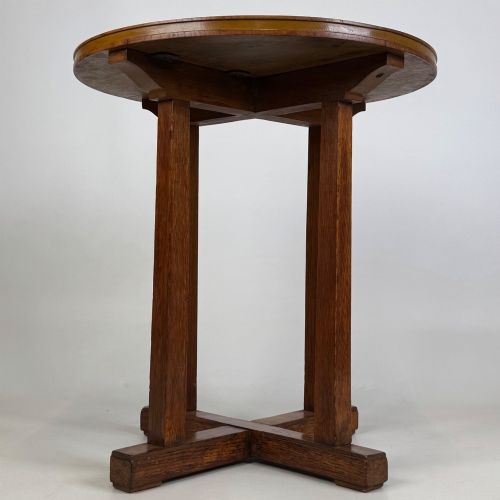
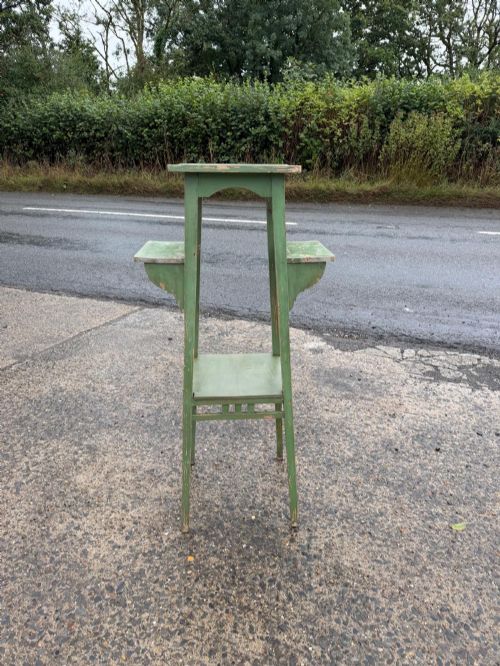
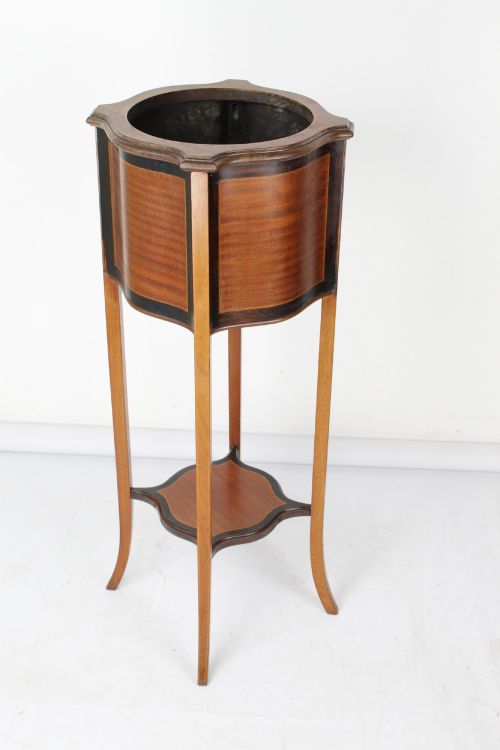
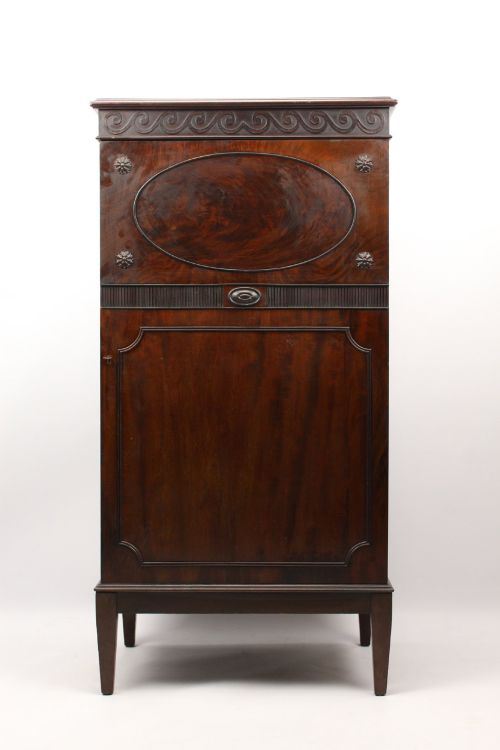
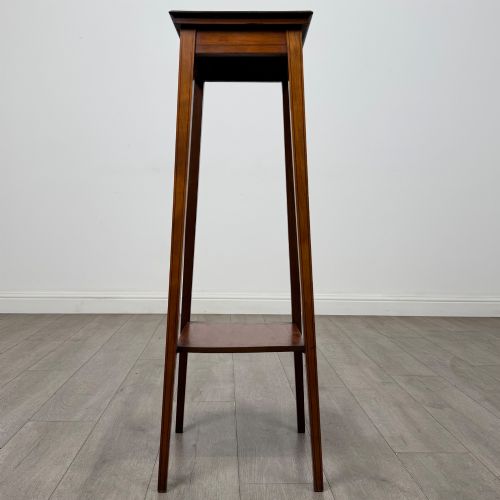
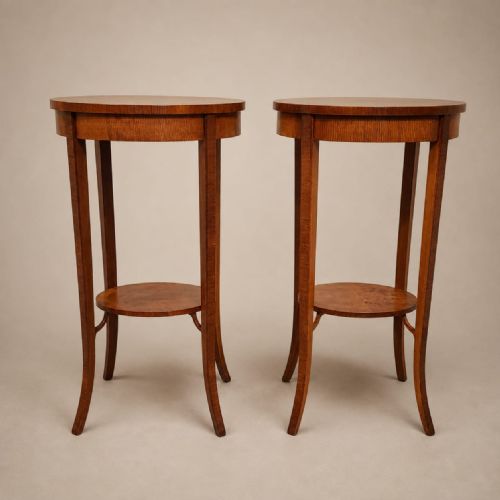
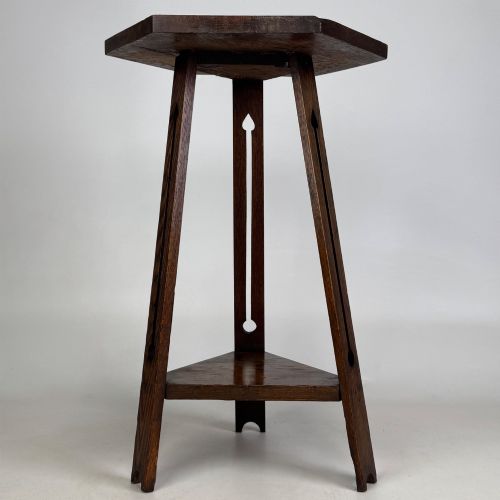
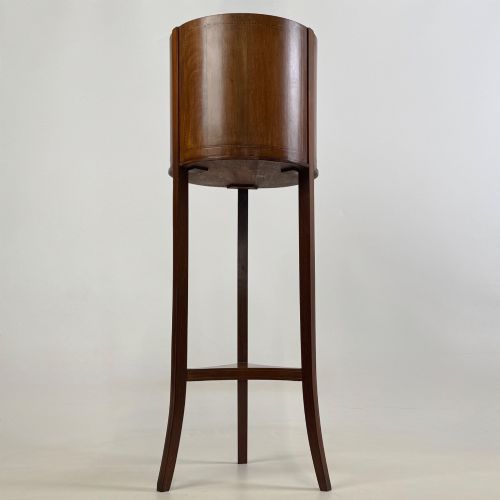
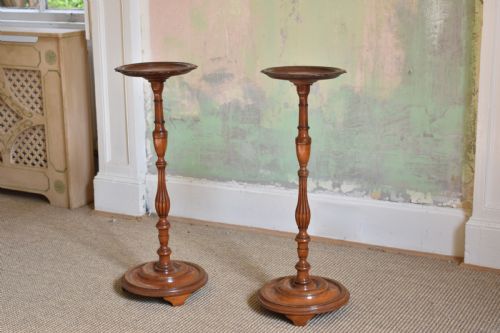
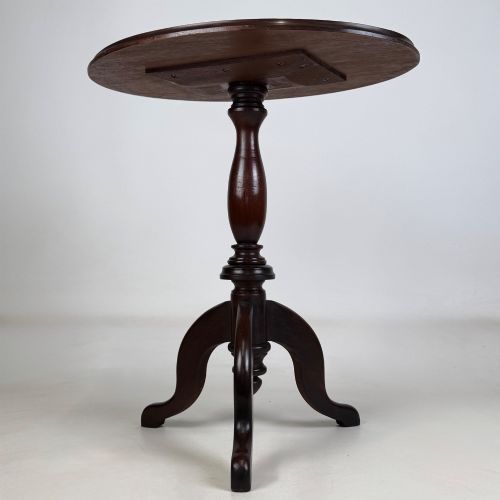
When you search for an edwardian pedestal stand, you encounter tall, raised furniture designed primarily to elevate plants, lamps, torchères or small decorative objects. The pieces appearing here span plant stands, occasional tables, torchères, and specialised display columns from the Edwardian era and surrounding decades.
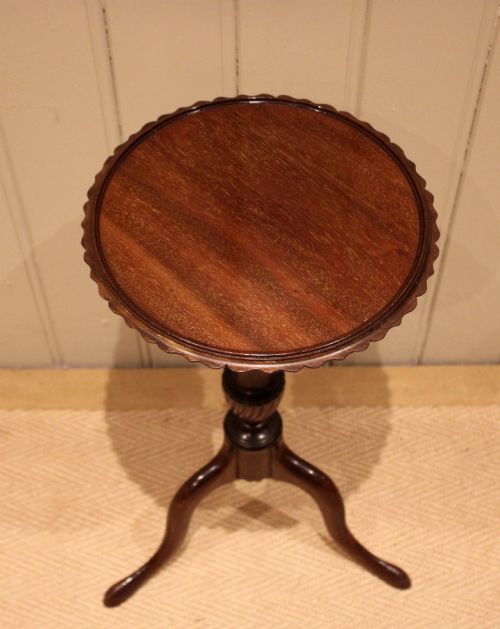
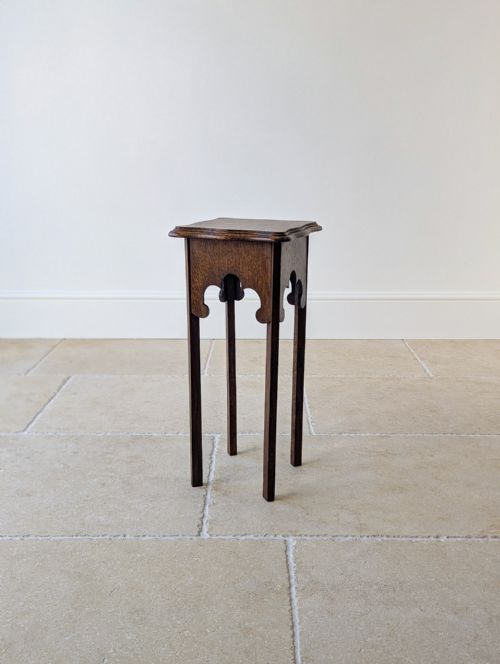
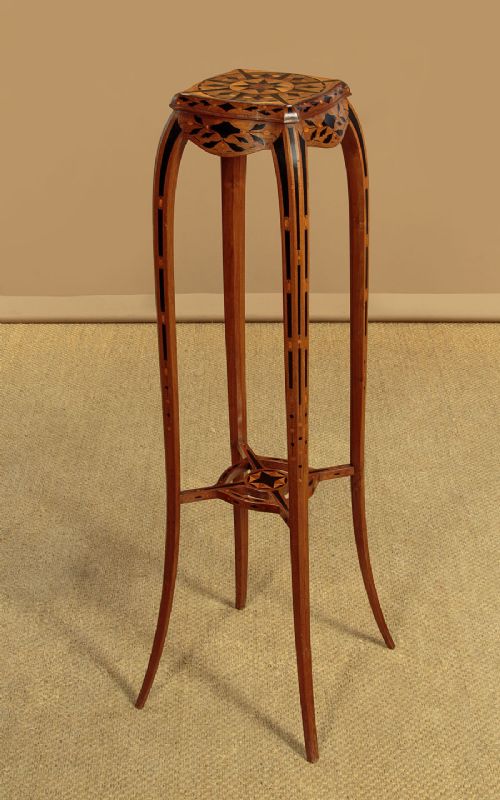
Mahogany and oak dominate the forms, frequently enriched with satinwood inlay, brass fittings, or original paint finishes. You will find tripod bases with shaped rims, square tier stands, and slender columns meant to draw the eye upward in a hallway, drawing room or corner space.
Makers of the period adapted Georgian and Arts and Crafts design principles to create functional domestic supports that balanced structural stability with visual lightness. These stands serve as both practical elevated surfaces and decorative vertical accents within an interior.
How they were made
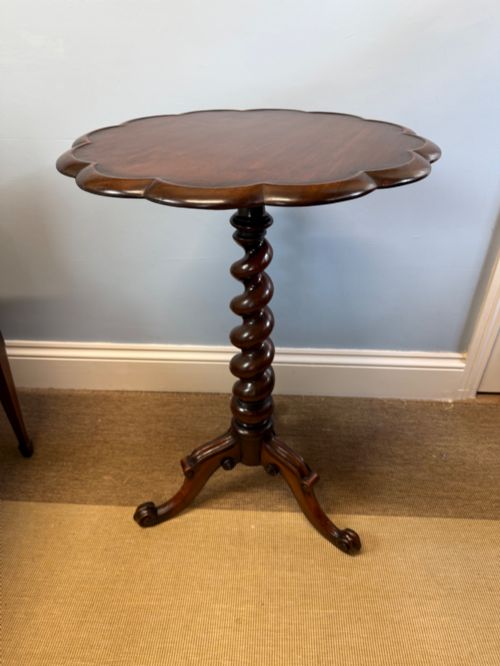
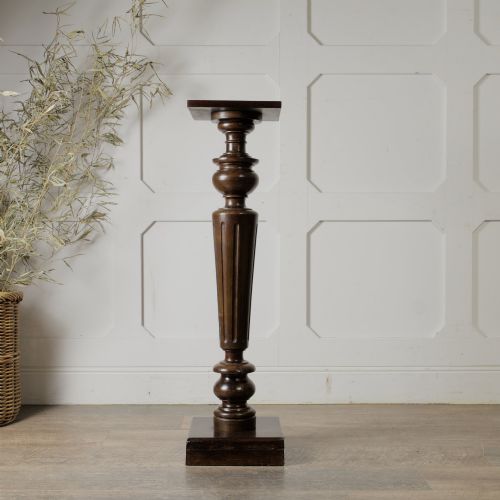
Cabinet makers utilised solid timbers such as mahogany, oak, and walnut, frequently selecting veneers and contrasting satinwood for decorative inlay work on tops and columns. Turned wood elements, such as barley twist stems or slender tripod legs, provided structural support while maintaining a delicate silhouette.
Surface treatments ranged from polished mahogany finishes and boxwood stringing to original paint and applied brass details. Construction often involved secure jointing methods to ensure a narrow, tall form remained stable under the weight of a plant, bowl, or lamp.
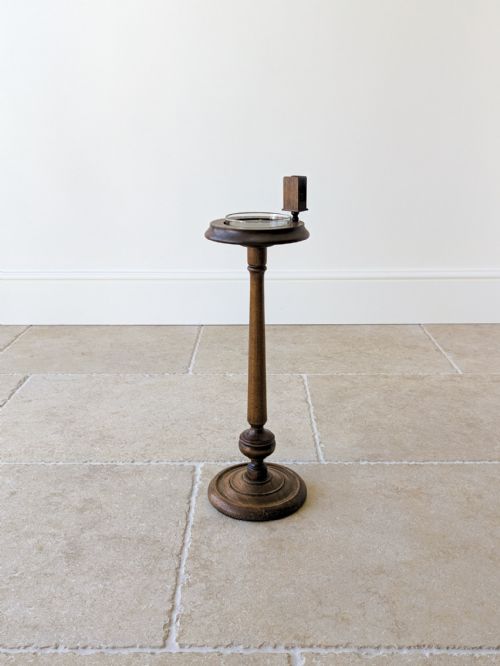
Several stands double as smoking stations, complete with dedicated spots for ash and embers.
What varies in quality
Quality in these stands rests upon the crispness of the timber selection, the precision of any inlaid satinwood or boxwood, and the stability of the central column relative to its base. Superior examples exhibit finely turned woodwork, balanced proportions, and careful attention to secondary timbers.
The sophistication of the design - ranging from plain utility forms to detailed Arts and Crafts carving or Sheraton revival inlay - determines the distinction between standard domestic pieces and finer cabinet-maker output.
Denby and Spinks·Baillie Scott·Druce and Co London·Horrocks Standard Company
The Edwardian Pedestal Stand Glossary
- Torchère
- A tall, slender stand designed specifically to hold a lamp, candle, or small decorative ornament. These pieces feature elongated stems supported by tripod or circular bases.
- Jardinière stand
- A specialised low or high pedestal intended to support a plant container or flower bowl. They often incorporate waterproof liners or raised rims to contain moisture.
- Pie crust rim
- A carved, raised edge on a circular tabletop shaped with undulating curves resembling pastry work. This detail prevents items from sliding off small occasional tables.
- Barley twist
- A type of decorative wood turning resembling a spiral rope. It appears frequently on the stems and legs of Edwardian and Arts and Crafts furniture.
- Inlay
- A technique where pieces of contrasting wood, such as satinwood or boxwood, are inserted into depressions in the base timber to create decorative patterns.
Edwardian Pedestal Stand: Frequently Asked Questions
How were these stands used in Edwardian homes?
Households placed these tall surfaces in corners, window bays, and hallways to display potted ferns, decorative bronzes, table lamps, or silver bowls. Their elevated profile allowed homeowners to introduce greenery and lighting into vertical space without crowding floor areas.
They also functioned as occasional furniture in drawing rooms for holding books, reading materials, or small objects during social gatherings.
Are these stands stable enough for heavy items?
Most Edwardian stands balance height with a weighted or wide-spreading base, such as a sturdy tripod or heavy square plinth, designed to counteract the top-heavy nature of tall furniture.
While suitable for standard potted plants, lamps, and decorative sculptures, exceptionally heavy or wide objects require careful placement to ensure the slender central column remains secure.
How can I identify an Edwardian piece from a Victorian one?
Edwardian stands generally display lighter proportions, brighter mahogany or satinwood tones, and simpler neoclassical or Arts and Crafts influences compared to heavier Victorian counterparts.
Victorian examples often feature denser carved oak, darker finishes, and more elaborate or robust structural elements reflecting mid-to-late nineteenth-century tastes.