
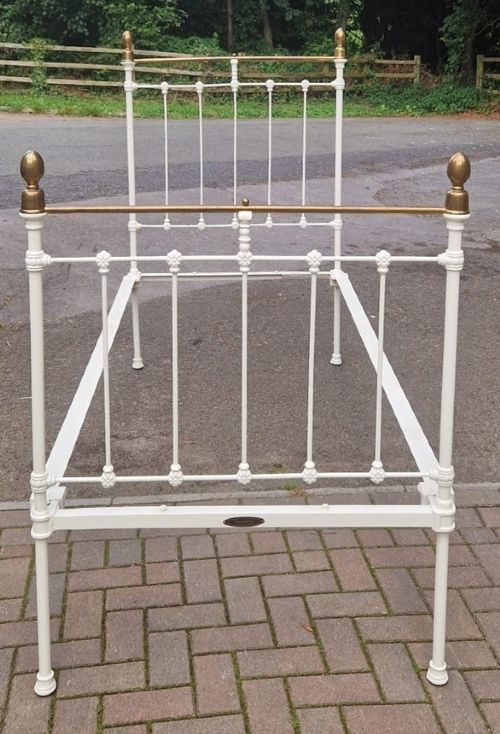


Edwardian Painted Bedstead
An edwardian painted bedstead brings charm to a bedroom with its delicate decorative panels and sturdy iron or timber frames.
Edwardian Painted Bedstead
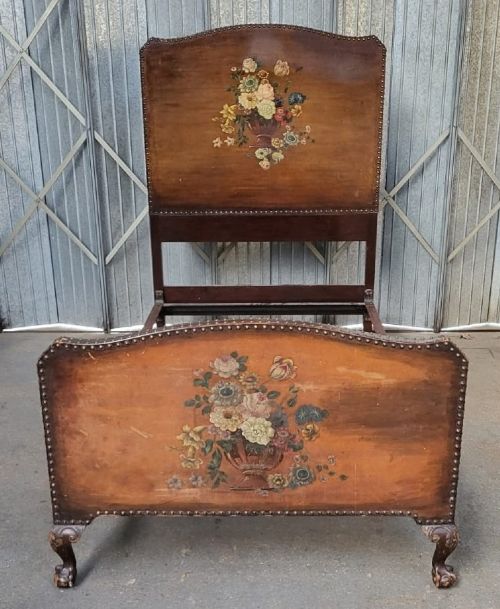
When searching for an edwardian painted bedstead, buyers encounter pieces that combine the robust construction of the late nineteenth and early twentieth centuries with artistic surface decoration. These items range from single sizes to larger formats, often featuring hand-painted details or Dutch style influences.
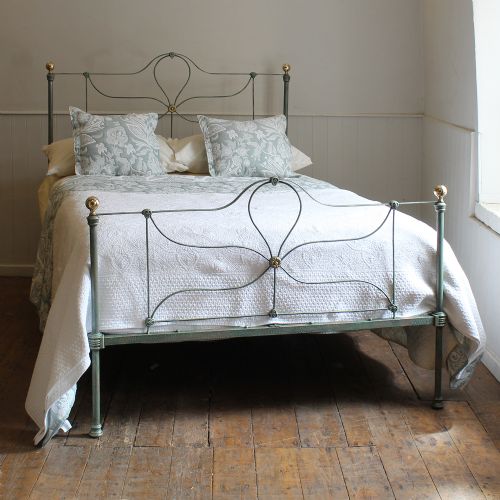
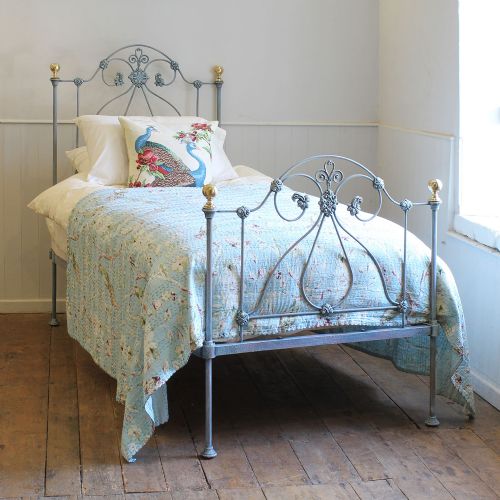
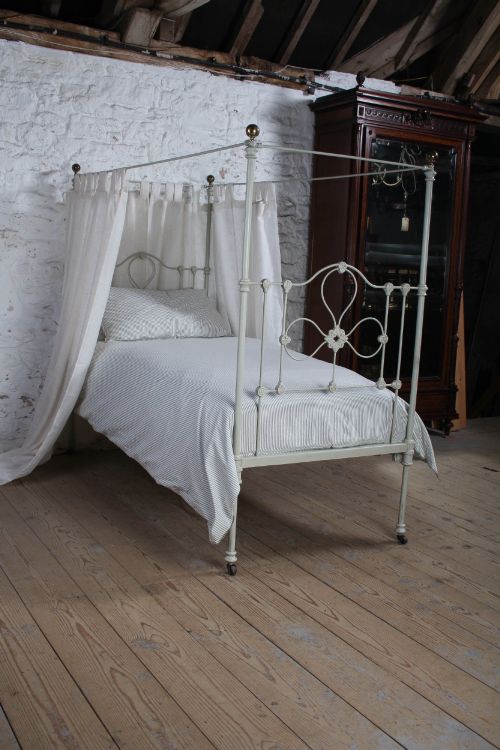
The selection on this page demonstrates that these bedframes appear in various forms, including four poster designs and simpler straight rail configurations. Makers of the period applied polychrome finishes, portrait panels, and specialised colours such as green verdigris and cream to metal and wood surfaces.
Origins span from the Edwardian era back into Victorian periods, reflecting shifting domestic tastes toward lighter, more decorative bedroom furnishings. Buyers frequently find single beds alongside larger double and king size variants constructed from iron, brass, timber, and cane.
How They Were Made
Craftsmen utilised cast iron, wrought iron, and brass to form the structural foundations, often combining metal tubing with decorative brass finials and joints. Timber and wood components, including satinwood, provided surfaces suitable for fine hand painting and polished finishes.
Surface decoration involved skilled painters applying polychrome pigments directly to the metal or wood, sometimes incorporating detailed portrait panels or stylistic motifs like Chinoiserie and Dutch revival patterns. Protective or decorative coatings such as verdigris and cream paint completed the exterior presentation.
Materials documented across the inventory include cast iron, brass, wrought iron, cane, leather, timber, and wood.
What Varies in Quality
The refinement of the painted decoration dictates much of the visual appeal, distinguishing simple colour applications from finely executed portrait panels and intricate stylistic motifs. Hand-painted details attributed to known makers or superior workshops elevate the stature of a piece significantly.
Structural integrity depends on the combination of materials, where robust cast iron frames joined with solid brass fittings maintain better stability over time than lighter assemblies. The preservation of original painted surfaces without excessive overpainting also determines the desirability among collectors.
The Edwardian Painted Bedstead Glossary
- Verdigris
- A green patina or crust formed on copper, brass, or iron surfaces through natural weathering or chemical treatment. This finish gives antique metal beds an aged, weathered appearance.
- Polychrome
- The practice of decorating architectural elements, sculptures, or furniture in a variety of colours. On these beds, it refers to multi-coloured hand-painted artwork.
- Four Poster
- A bed with four vertical columns, one in each corner, that support a tester or canopy frame. Edwardian examples adapt this traditional form with lighter iron or wooden structures.
- Satinwood
- A durable, hard wood from tropical trees possessing a yellowish-lustre finish. It was frequently utilised by cabinet makers for high-end Victorian and Edwardian bedroom furniture.
Edwardian Painted Bedstead: Frequently Asked Questions
What mattress size fits an antique bedstead?
Many antique bedsteads were built to nineteenth and early twentieth century dimensions, which often differ slightly from modern standard mattress sizes. Buyers frequently utilise custom-made mattresses to ensure a proper fit within the original side rails and footboards.
Supporting slats or modern platform conversions are commonly added inside the frame to provide adequate support for contemporary bedding without altering the external appearance of the piece.
How do I care for a painted metal bed?
Maintenance requires gentle dusting with a soft, dry cloth to prevent dirt accumulation on painted and metallic surfaces. Avoid harsh chemical cleaners or abrasive pads that can strip delicate polychrome work or verdigris finishes.
Keeping the bedstead in a stable indoor environment with controlled humidity protects both the iron structure and the painted wood panels from flaking or corrosion over time.
Can these beds be easily dismantled?
Most iron and brass bedsteads employ standard wedge and socket joints on the side rails, allowing the headboard and footboard to separate completely. This modular construction made transport and room-to-room relocation straightforward for original owners.
Care should be taken when assembling or disassembling painted wooden frames to avoid chipping the decorative surfaces around the joint connections.
How do I distinguish Edwardian from Victorian styles?
Victorian bedframes tend to feature heavier proportions, darker timber tones, and more ornate or industrial metal castings. Iron and brass combinations from this earlier period often display strict symmetry and robust structural mass.
Edwardian designs generally lean towards lighter visual weights, brighter painted finishes like cream and verdigris, and revival motifs inspired by Dutch and Chinoiserie aesthetics.