




Dutch Style Furniture
Dutch style furniture brings grand historical presence into a room through serpentine forms, rich burr veneers and intricate marquetry.
Dutch Style Furniture
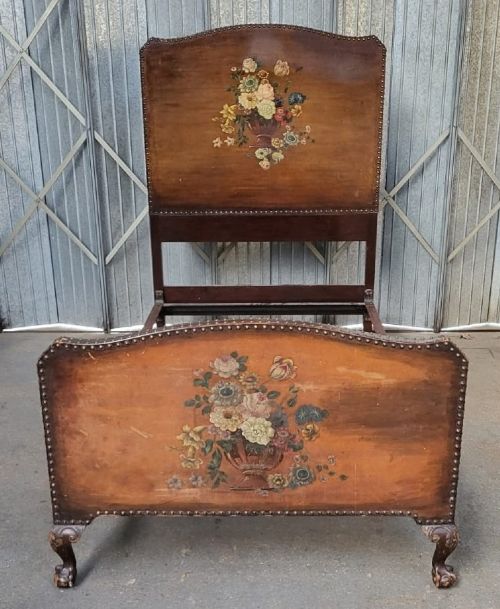
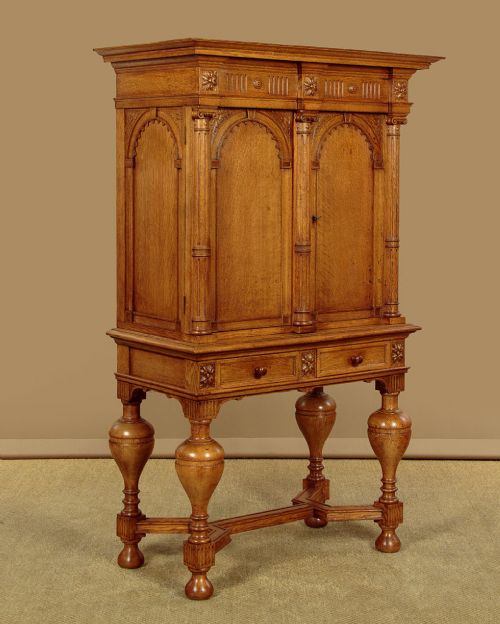
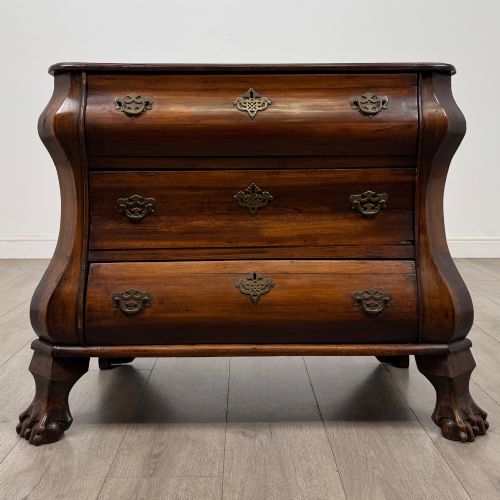
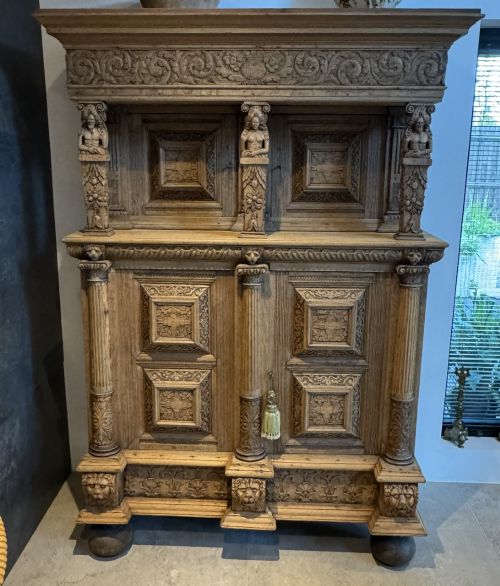
When you search for Dutch style furniture, you encounter substantial storage pieces and seating that reflect centuries of continental cabinet-making traditions. The pieces on this page span from the eighteenth century through the Edwardian era, taking the form of bombe commodes, display cabinets, bureaux, and painted beds.
You are most likely to meet walnut, oak, and mahogany chests of drawers alongside glass-fronted vitrines and writing cabinets. These forms often display distinct regional characteristics such as swelling serpentine profiles and elaborate floral inlay.
The selection ranges from early Georgian and eighteenth-century originals to later nineteenth-century revivals and twentieth-century interpretations. Each piece demonstrates how makers adapted these continental European aesthetics for British and international interiors.
Materials and construction
Makers utilised timber varieties such as burr walnut, mahogany, oak, elm, and exotic ebony to build these substantial frames. Surfaces were frequently embellished with intricate floral marquetry, hand-painted finishes, or left to highlight the natural grain of figured wood.
Structural elements incorporated brass hardware, marble tops, and leather upholstery to combine utility with display. Carved walnut armchairs and sculptural components reveal the detailed hand-shaping employed by period craftsmen.
Distinguishing quality
The upper tier of these pieces is defined by the precision of the marquetry inlay and the careful selection of figured burr veneers. Cabinets and commodes with harmonious grain matching and crisp, deep carving stand apart from plainer interpretations.
Proportion and structural integrity also dictate value, particularly in complex bombe shapes where maintaining symmetry is paramount. Original painted surfaces and patinated hardware further elevate the standing of a piece.
Bombay Furniture Company·Morison of Edinburgh
The Dutch Style Furniture Glossary
- Bombe
- A swelling, bulging contour found on the sides and fronts of chests of drawers and commodes. This distinctive shape requires advanced woodworking skill to execute properly.
- Marquetry
- Decorative inlay using various coloured woods arranged to create pictorial or floral patterns. Craftsmen carefully cut and fitted these veneers onto the carcase.
- Commode
- A low chest of drawers or cabinet designed for domestic storage. These pieces frequently feature marble tops and shaped fronts.
- Vitrine
- A glass-fronted display cabinet used for exhibiting porcelain and collectibles. They often feature painted timber frames and glazed side panels.
- Bureau
- A sloping desk that opens to reveal interior pigeonholes and small drawers. They are commonly supported on bracket feet or cabriole legs.
Dutch Style Furniture: Frequently Asked Questions
What is a bombe commode?
A bombe commode is a chest of drawers featuring distinctive convex, swelling sides and fronts. This curved silhouette requires exceptional carpentry to ensure the drawers operate smoothly within the bulging frame.
These pieces served as grand storage items in eighteenth-century and revival interiors, designed to catch the light and showcase fine wood veneers.
How do I identify Dutch marquetry?
Dutch marquetry typically displays elaborate floral, urn, or bird motifs rendered in contrasting timber veneers. Craftsmen carefully pieced together lighter and darker woods to create detailed pictorial designs across the entire surface.
This decorative technique appears frequently on eighteenth-century cabinets, commodes, and writing desks.
Where were these pieces used?
These storage and display pieces were placed in principal reception rooms, drawing rooms, and bedrooms. Vitrines and display cabinets held prized porcelain collections, while commodes provided both surface display area and concealed storage.
Writing cabinets and bureaux offered functional workspace in studies and private chambers.
How do I care for burr walnut?
Burr walnut surfaces require protection from direct sunlight and excessive moisture to prevent the delicate veneer from drying or cracking. Regular dusting with a soft cloth preserves the natural sheen of the timber.
Avoid placing these items near heat sources that might cause the wood to warp or the inlay to lift.