
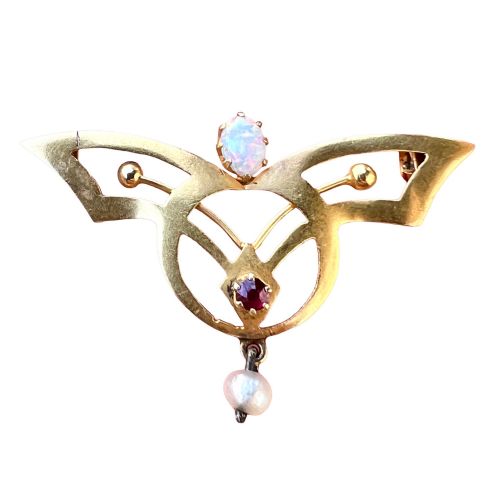


Edwardian Opal Pendant
An Edwardian opal pendant catches the light with shifting fires, bringing together period goldwork and iridescent stones that collectors prize.
What these pieces are
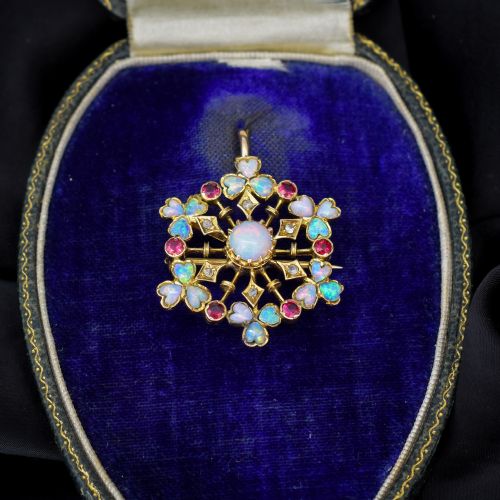
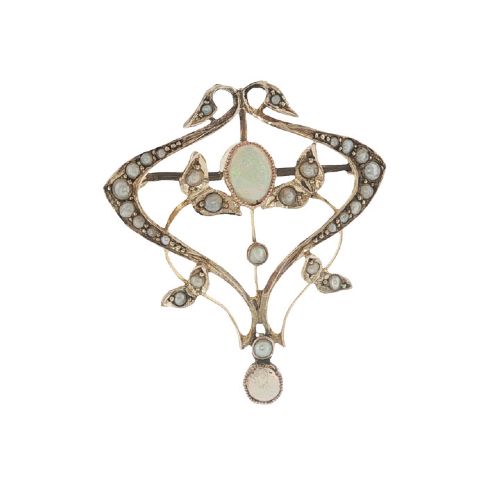
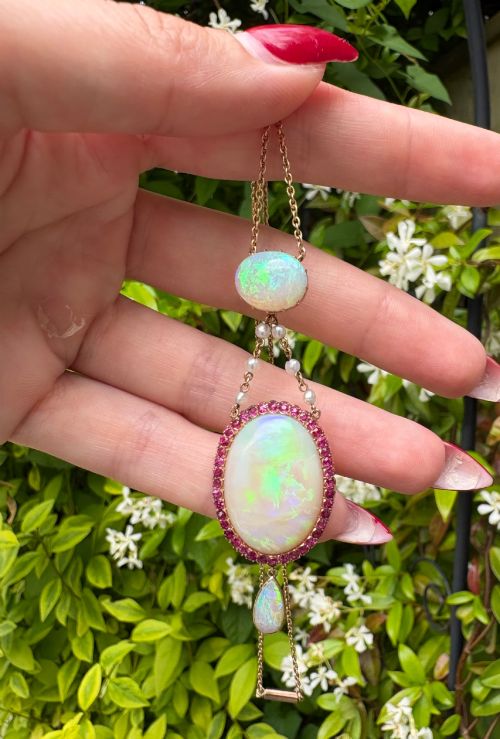
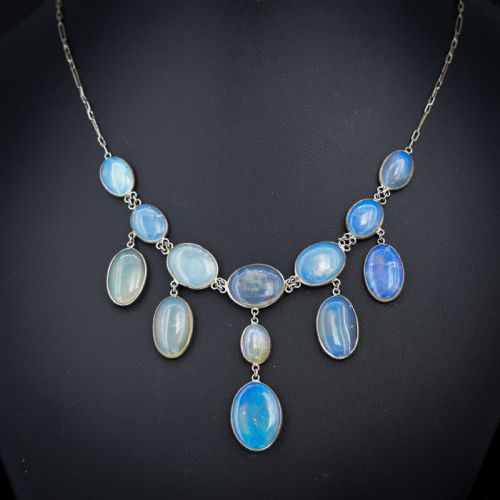
The edwardian opal pendant captures the aesthetic of the early twentieth century, spanning periods from nineteen hundred to nineteen ten, along with nineteenth-century examples. These jewels primarily take the form of pendants, necklaces, and pendant brooches.
Buyers will encounter designs that incorporate distinct movements, including arts and crafts styles. The forms range from delicate drop necklaces to substantial black opal and diamond showpieces.
How they were made
Materials recorded in these pieces include gold, silver, and eighteen-carat white gold alongside fifteenth-carat and ninth-carat yellow and rose gold. Gemstones such as diamonds, rubies, blister pearls, and rock crystal are frequently set alongside the central stones.
The stones themselves show considerable variety, utilising black opal, fire opal, opal doublets, and natural opals. Metalwork techniques unite gold and silver settings to showcase the play of colour in each individual stone.
Retail Price Guide 2026
Typical UK retail prices for edwardian opal pendant, calculated from the Sellingantiques database of over a million retail prices indexed since 2003. This retail price guide relies exclusively on Sellingantiques data; no external sources or auction records are used, so the figures do not describe the wider market.
Recorded periods range across the nineteenth century, nineteen hundred, and nineteen ten.
What varies in quality
The play of colour across the stone surface dictates much of the visual impact, with certain opals displaying deeper greens, blues, and reds than others. The presence and quality of supporting diamonds or pearls elevate the overall composition.
The intricacy of the metalwork, whether executed in silver, yellow gold, or white gold, determines the finesse of the piece. Heavier carat weights and balanced proportions between the opal and surrounding gems separate standard examples from finer ones.
The Edwardian Opal Pendant Glossary
- Opal doublet
- A composite gemstone made of a thin slice of natural opal glued to a backing material, often used to enhance durability and colour depth.
- Lavalier pendant
- A necklace featuring a central dangling drop suspended from a chain, popular during the early twentieth century.
- Blister pearl
- An organic gem formed when a pearl attaches to the inside shell of an oyster, creating a domed shape utilised in arts and crafts jewellery.
- Fire opal
- A transparent to translucent opal with warm background colours of orange, red, or yellow, occasionally found in period settings.
Frequently Asked Questions
How do I care for an antique opal?
Antique opals require gentle handling because they contain natural water content that makes them sensitive to sudden temperature changes and harsh chemicals.
Store them away from direct sunlight and clean them only with a soft, damp cloth without abrasive liquids.
What is the difference between an opal and an opal doublet?
A solid opal consists entirely of natural opal material cut from rough stone, whereas an opal doublet is an assembled stone.
Doublets combine a thin layer of genuine opal with a darker backing layer to strengthen the stone and intensify the visible colours.
Can I wear an edwardian pendant every day?
While these pieces were made to be worn, their antique nature and delicate gold or silver settings require mindfulness during daily activities.
Removing the necklace before sleeping, swimming, or engaging in heavy physical work protects the stones and metalwork from damage.