



Arts Crafts Silver Necklace
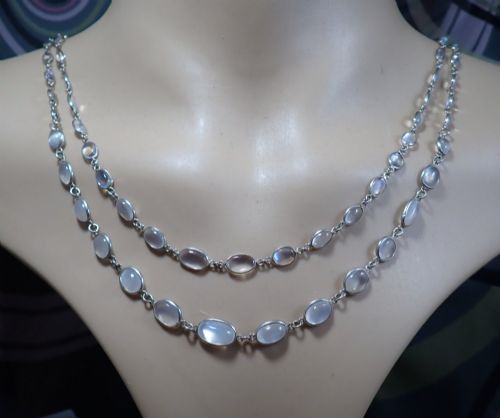
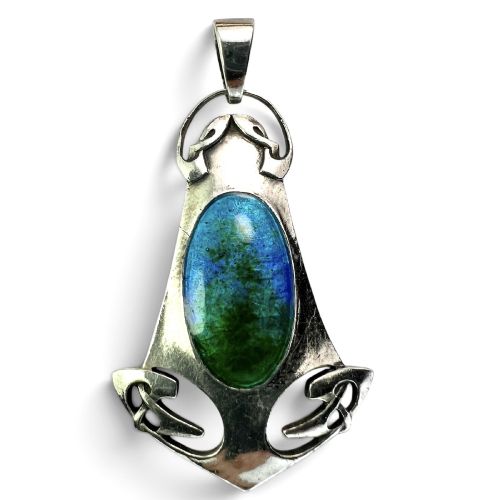
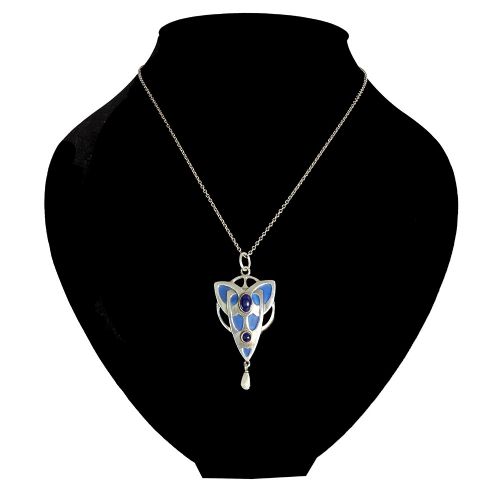
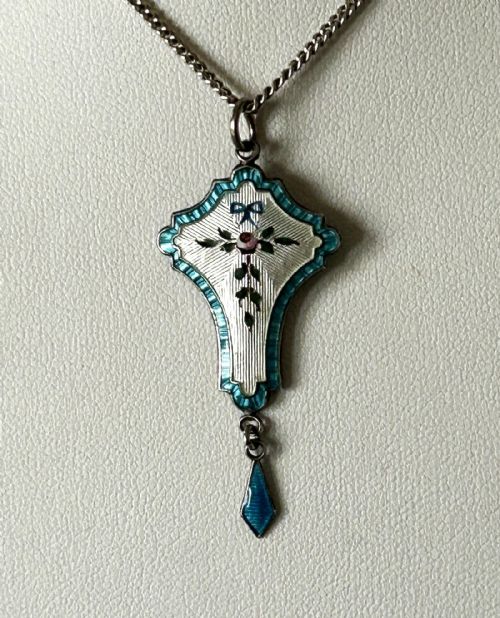
An arts crafts silver necklace brings together hand-wrought metalwork, coloured enamel, and natural gemstones from the early twentieth century.
Arts Crafts Silver Necklace
An arts crafts silver necklace is a distinctive piece of jewellery that bridges the late nineteenth century and the interwar decades, taking forms such as pendants, sautoirs, and festoon necklaces. You will frequently encounter examples defined by the aesthetic movements of the era, spanning the 1900s, 1910s, and 1920s.
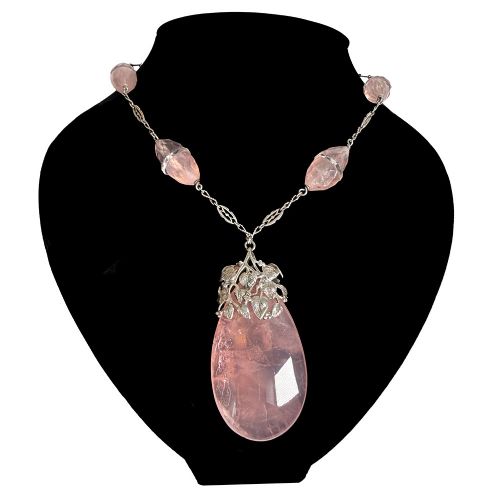
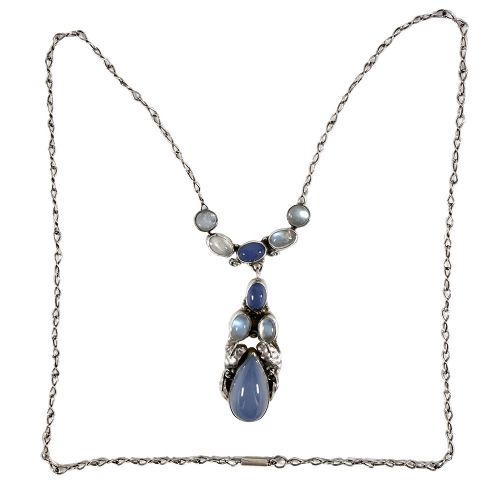
The objects combine hand-beaten silver with semi-precious stones, pearls, and vitreous enamel, reflecting a philosophy that prized artisan creation over mass production. Many pieces incorporate drop pendants or station links that display the characteristic hand of the maker.
Makers working within this idiom drew on Celtic motifs, floral subjects, and geometric framing, producing designs that range from simple silver work to complex multi-gem compositions.
How they were made
Silversmiths shaped sterling silver and silver gilt by hand, often leaving subtle hammer marks on the metal surface to evidence manual construction. Links, bezels, and box settings were soldered together to house a variety of cabochons and faceted stones.
Enamelling techniques played a central role, utilising opaque and translucent coloured glass fused to metal, alongside specialised methods like plique-à-jour and cloisonné to let light pass through the colour.
Makers set uncalibrated natural materials directly into the metalwork, incorporating moonstones, opals, amethysts, turquoise matrix, pearls, and rock crystal according to the colour harmony of each design.
The inventory records pieces dated from the nineteenth century through the 1930s, encompassing Edwardian design alongside the Arts and Crafts and Art Nouveau movements.
What varies in quality
The distinction between standard commercial work and superior execution lies in the depth of hand-craftsmanship and the harmony of the design elements. Better pieces demonstrate precise control in the enamel work and secure, deliberate stone settings that integrate seamlessly with the silver structure.
Design attribution and documentation elevate certain pieces, particularly those bearing maker marks or associations with prominent workshops and Guilds. The choice and matching of natural gemstones, such as glowing moonstones or translucent opals, also determine the visual impact of the finished necklace.
Archibald Knox·Murrle Bennett·Liberty and Co·Arthur and Georgie Gaskin·Charles Horner·Dorrie Nossiter·George Hunt·Theodor Fahrner
The Arts Crafts Silver Necklace Glossary
- Plique-à-jour
- An enamelling technique where translucent enamel is fired in open wire cells without a back, creating a stained-glass effect that lets light pass directly through the colour.
- Cabochon
- A gemstone shaped and polished with a smooth, convex domed surface rather than faceted edges.
- Festoon necklace
- A necklace featuring a drape or garland of chains, links, or drops suspended across the neckline.
- Sterling silver
- An alloy consisting of silver and other metals, typically copper, standardly used to provide durability for wearable jewellery.
- Vitreous enamel
- A material made by fusing powdered glass to a substrate through firing, creating a durable and coloured glassy coating.
Arts Crafts Silver Necklace: Frequently Asked Questions
How do I care for my necklace?
Store your silver jewellery in a dry place away from direct sunlight and moisture to protect both the metal and any delicate enamel work. Avoid exposing softer stones like opals or pearls to harsh chemical cleaners or ultrasonic baths.
Gentle cleaning with a soft microfibre cloth helps maintain the natural patina of the silver without damaging the surrounding gems or enamel surfaces.
Are these necklaces comfortable to wear?
Most pieces are designed with wearable lengths, often featuring secure clasp mechanisms or slipped over the head in longer sautoir formats. The weight depends primarily on the quantity of silver and the size of the set gemstones.
Heavier pendant drops balance well against the collarbone when suspended from sturdy chains or original festoon link arrangements.
How can I distinguish period styles?
Pieces from the 1900s often lean toward fluid Art Nouveau plant forms and plique-à-jour enamel, while items from the 1910s and 1920s frequently emphasise structured Arts and Crafts geometry and Celtic interlace.
Examining the setting styles and the choice of gemstones provides further clues to the decade of manufacture.
What makes a piece signed?
Many makers stamped their initials, monograms, or full names onto the reverse of pendant frames or near the clasp. Retailers like Liberty also applied their own marks alongside the workshop stamp.
Unsigned pieces can often be attributed through distinct design motifs, model numbers, and construction techniques associated with specific guilds.