


Silver Floral Necklace
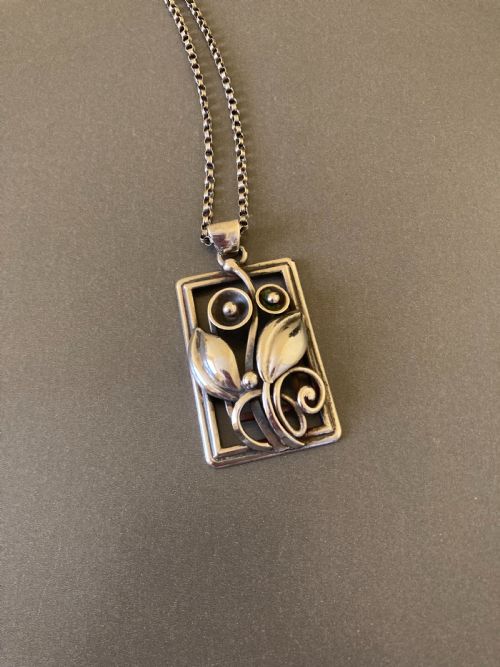
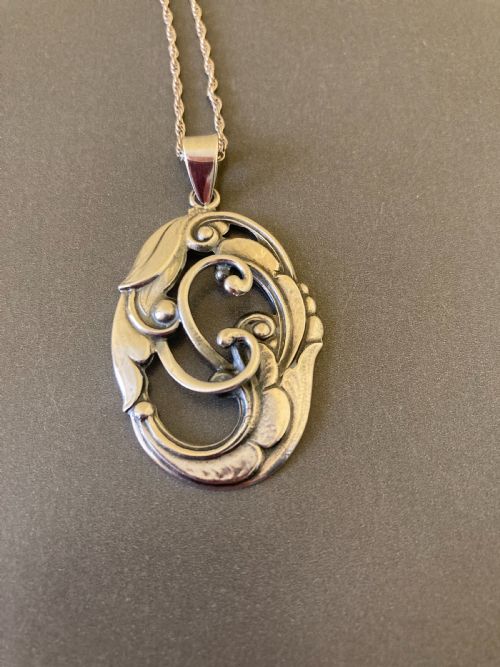
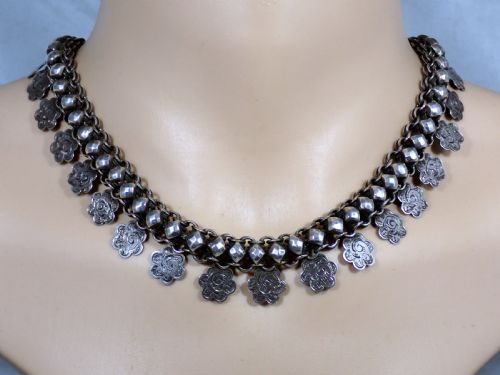
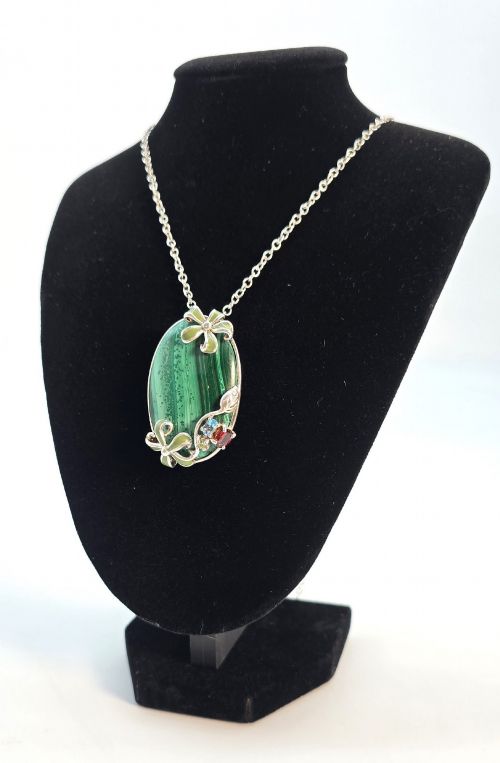
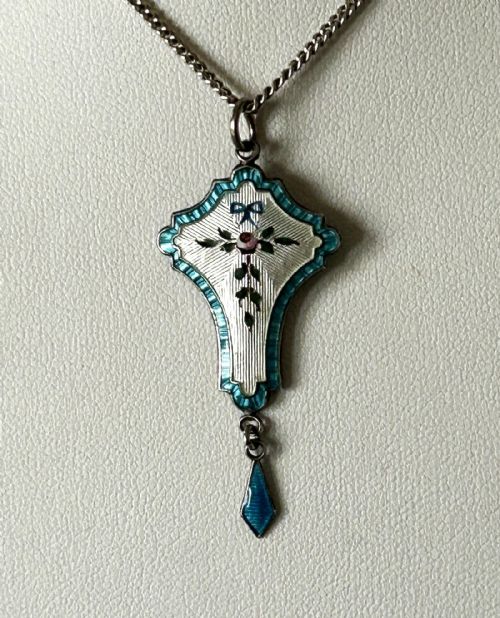
When you search for a silver floral necklace, you find pieces fashioned from precious metal and gemstones into blooms and leaves.
Silver Floral Necklace
A silver floral necklace brings together precious metalwork and botanical motifs, taking the form of pendants, lockets, and linked chains set with blossoms and leaves. When you search for a silver floral necklace, you encounter designs spanning the Victorian, Edwardian, Art Nouveau, and Mid-Century periods.
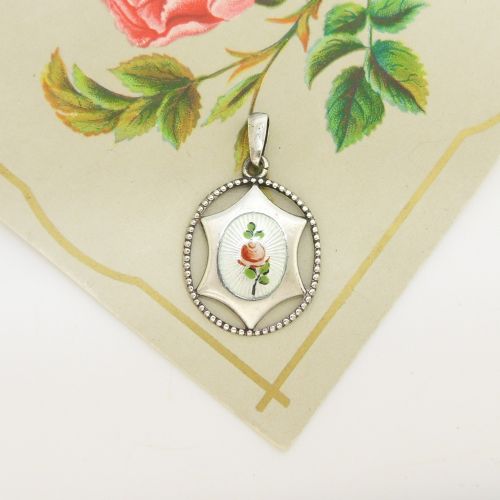
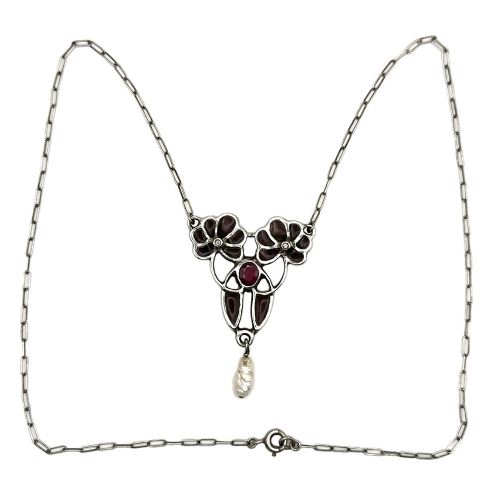
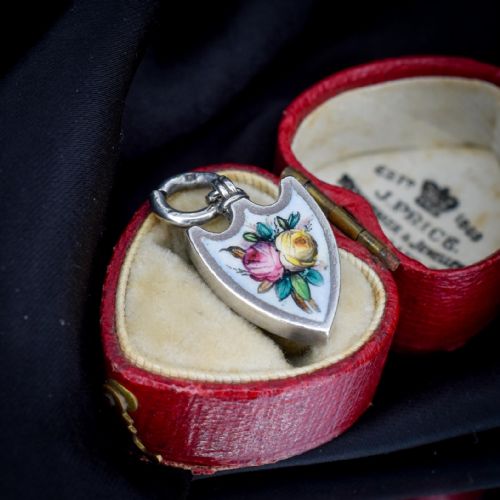
The pieces on this page range from Victorian and Edwardian diamond-set flower pendants to Scandinavian enamel shields and Mid-Century Danish silver work. Many combine silver with natural stones or vitreous enamel to render petals and stems with distinct regional character.
How they were made
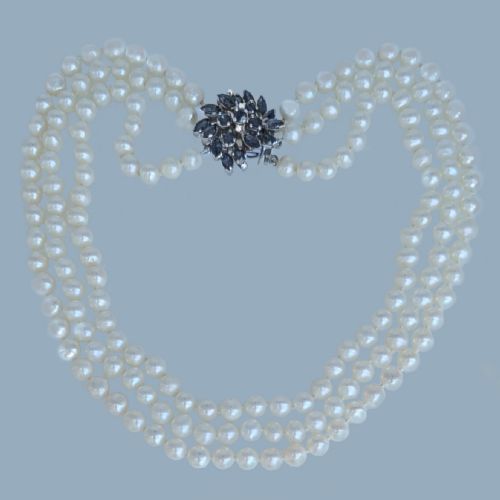
Silversmiths and jewellers shaped these pieces using sterling and continental silver, frequently incorporating gold, enamel, and vitreous enamel to colour the botanical elements. Stones such as diamonds, sapphires, turquoises, opals, and paste were hand-set into the metalwork to articulate flower heads and centres.
Techniques include cloisonné enamelling, hand-piercing, and metal chasing to define the leaves and petals of each pendant and clasp. Workshops employed both cast and fabricated silver links, uniting chains with floral boxes or gem-set centrepieces.
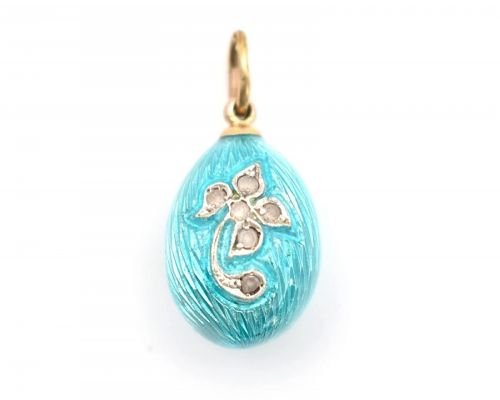
One tiny silver egg pendant opens to reveal a turquoise interior, proving that even miniature blooms needed a place to hide.
What varies in quality
The standard of a silver floral necklace rests on the precision of its metalwork and the quality of its stones or enamel. Finer examples display crisp hand-chasing, secure stone settings, and unblemished enamel work that retain their structural integrity over the decades.
Makers and workshops with established reputations, such as those working within the Arts & Crafts or Scandinavian Modern movements, produced pieces with careful attention to proportion and finish. Simpler mass-produced items or later vintage variants utilise simpler casting methods and standard commercial stones.
G. Hoppe·Christian Dior·Charles Horner·Georg Jensen
The Silver Floral Necklace Glossary
- Silver
- A precious metal used as the primary structural and decorative medium for these necklaces and pendants. Sterling silver denotes a specific high purity standard of the metal.
- Vitreous enamel
- Glass fused to metal under high heat to supply durable colour to leaves and petals. It appears frequently in Arts & Crafts and Scandinavian designs.
- Paste
- Hand-cut glass used historically as a substitute for gemstones to provide brilliance and colour in period jewellery. It is set directly into silver mounts.
- Lavalier
- A pendant necklace featuring a central drop suspended from a chain, popular during the Edwardian period. These often incorporate floral and organic motifs.
Silver Floral Necklace: Frequently Asked Questions
How do I date a silver floral necklace?
Dating depends on the combination of materials, styles, and hallmark evidence present on the piece. Victorian and Edwardian examples often employ rose-cut diamonds or high-relief floral chasing, while Mid-Century Scandinavian pieces favour clean lines and vitreous enamel.
Examining the clasp, chain construction, and setting style helps place a necklace within a specific decade. Comparing the work to known periods like Art Nouveau or the Arts & Crafts movement narrows the timeframe further.
Were these worn as pendants or brooches?
Many floral pieces in silver were constructed with dual fittings, allowing them to function as both a pendant on a chain and a brooch. This versatility was common in the Victorian and Edwardian eras.
When evaluating a piece, check the reverse for hinged pin stems and loop bail attachments. These combined mounts demonstrate how earlier jewellery adapted to different modes of dress.
What is cloisonne enamel on these necklaces?
Cloisonné enamel involves creating small cells of wire soldered onto a silver base, which are then filled with coloured glass paste and fired. This technique produces distinct coloured outlines within floral motifs.
Pieces utilising this method often date from the Arts & Crafts movement or early twentieth-century continental workshops. The wire partitions keep the enamel colours separate and defined.
How should I care for antique silver and enamel?
Antique silver requires gentle cleaning with a soft cloth to preserve the metal finish and any natural patination. Enamel and softer stones like turquoise or opal must be kept away from harsh chemical dips and ultrasonic cleaners.
Store necklaces individually in soft pouches to prevent scratching between the silver links and gemstone facets. Regular inspection of the chain and pendant bail ensures the mount remains secure during wear.