





Victorian Silver Collar
When you search for victorian silver collar, you find the decorative metal bands mounted on walking sticks, decanters, whips and dog collars from the nineteenth century.
Victorian Silver Collar
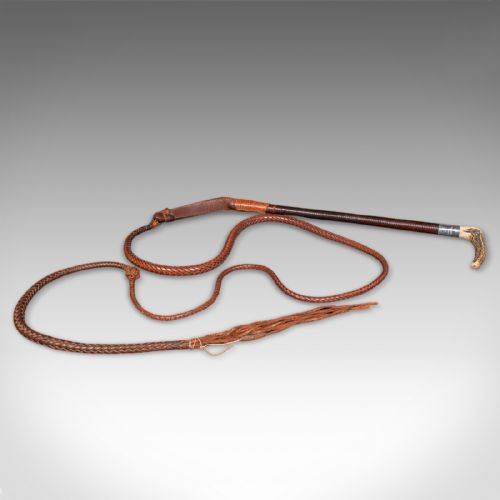
A victorian silver collar refers to the distinct bands of silver fitted around the necks of decanters, walking canes, hunting whips and dog collars. These pieces reflect a period when functional items received ornamental metal mounts to enhance their appearance and reinforce high-wear areas.
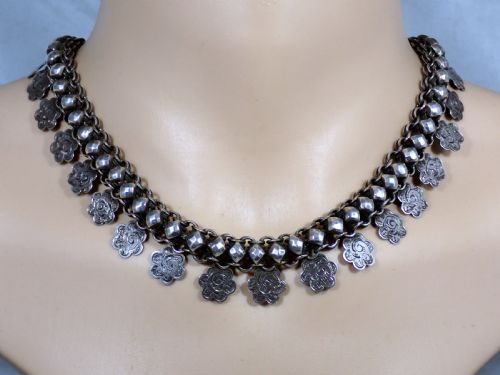
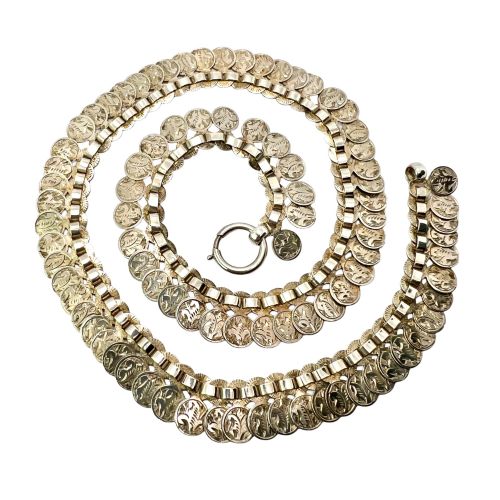
On this marketplace, the phrase spans several distinct object types rather than a single form. Buyers will encounter substantial link necklaces known as collar chains alongside mounted glassware, riding whips and canine accessories.
The objects originate primarily from the Victorian and Edwardian eras, encompassing late nineteenth-century craftsmanship and early twentieth-century survivals. Sterling silver and silver plate dominate the visible metal components across these diverse functional categories.
Materials and Construction
Silversmiths formed the collars from sterling silver and silver plate, often securing them around glass decanter necks, wooden walking stick shafts and leather dog collars. Metalworking techniques included engraving, chasing and piercing to create floral and geometric patterns.
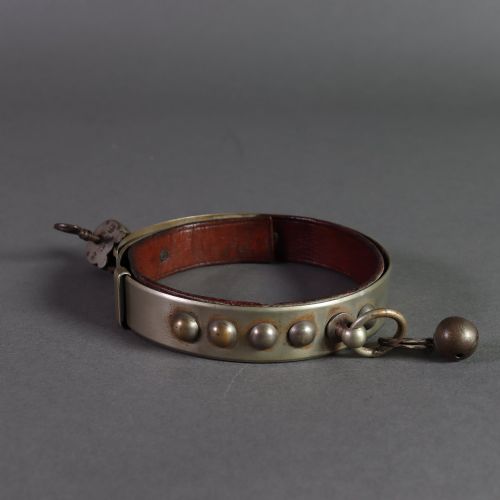
Makers combined silver mounts with varied organic and synthetic materials such as cut glass, crystal, malacca wood, hazel, rosewood, leather and horn. Structural integrity relied on precise fitting of the metal band to the underlying material, sometimes complemented by original padlocks and brass bells.
The material record shows a strong presence of sterling silver and silver plate paired with cut glass, crystal, malacca, rosewood, and engraved leather.
Distinctions in Quality
Quality in these pieces rests upon the crispness of the silversmith's engraving and the weight of the metal used in the band. Finer examples display deep, hand-chased ornamentation and substantial silver gauge rather than thin plating over base metals.
The overall harmony between the silver collar and the host object dictates the tier of the piece. Superior items unite high-grade crystal or dense exotic hardwoods with fully hallmarked silver mounts and well-preserved original elements.
Hukin and Heath·Fenton Bros Sheffield·Swaine Adeney·Prince Simpson Lee
The Victorian Silver Collar Glossary
- Collar chain
- A wide necklace designed to sit flat against the collarbone, often constructed from heavy silver links such as book chain or pierced box links.
- Hallmark
- An official stamp applied to precious metals indicating the standard of purity, the assay office, and the date of manufacture.
- Decanter mount
- The silver band fitted around the neck of a glass wine jug, scent bottle, or claret jug to strengthen the vessel and receive a stopper.
- Book chain
- A necklace style featuring folded rectangular silver links that resemble the spines of miniature books, popular during the Victorian period.
- Silver plate
- A layer of silver fused or electroplated onto a base metal core such as copper or white metal to simulate solid silver.
Victorian Silver Collar: Frequently Asked Questions
How were silver collars used on walking sticks?
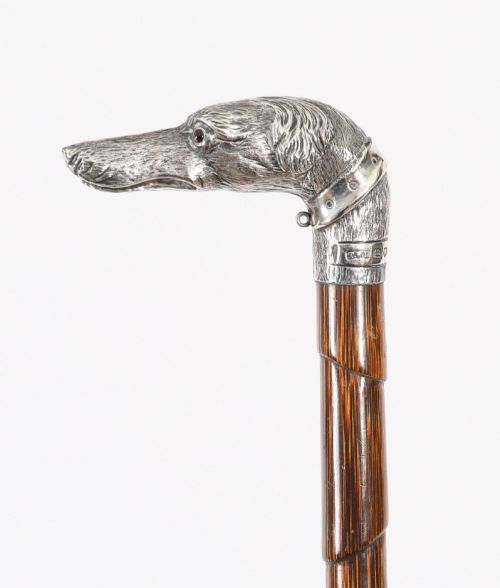
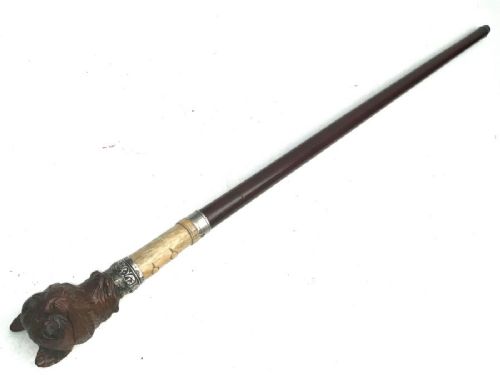
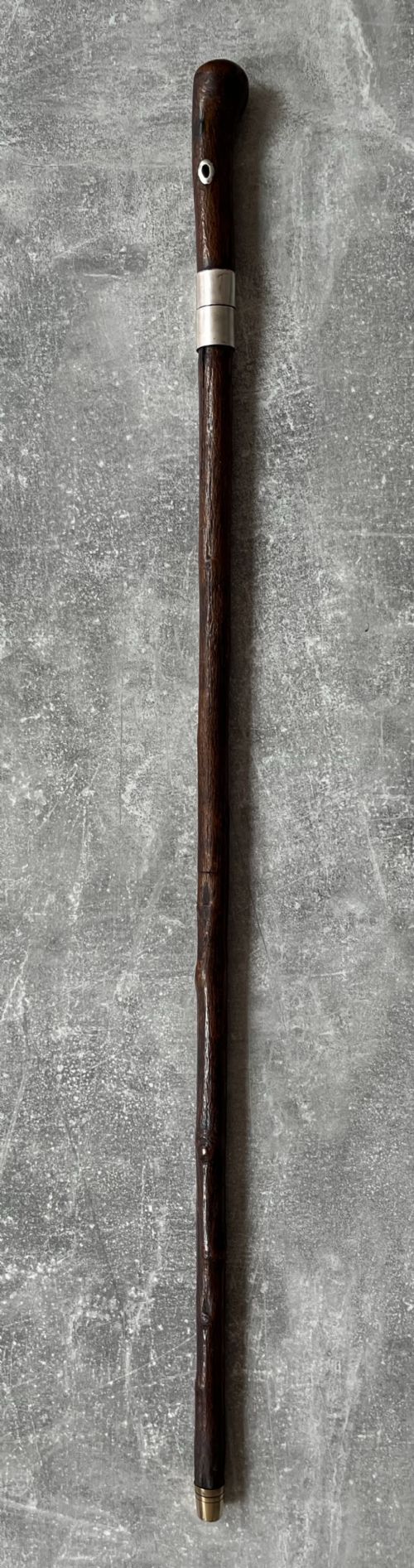
Silver collars on walking sticks served both a decorative and a structural purpose. They were positioned just below the handle to conceal the join between the grip and the wooden shaft.
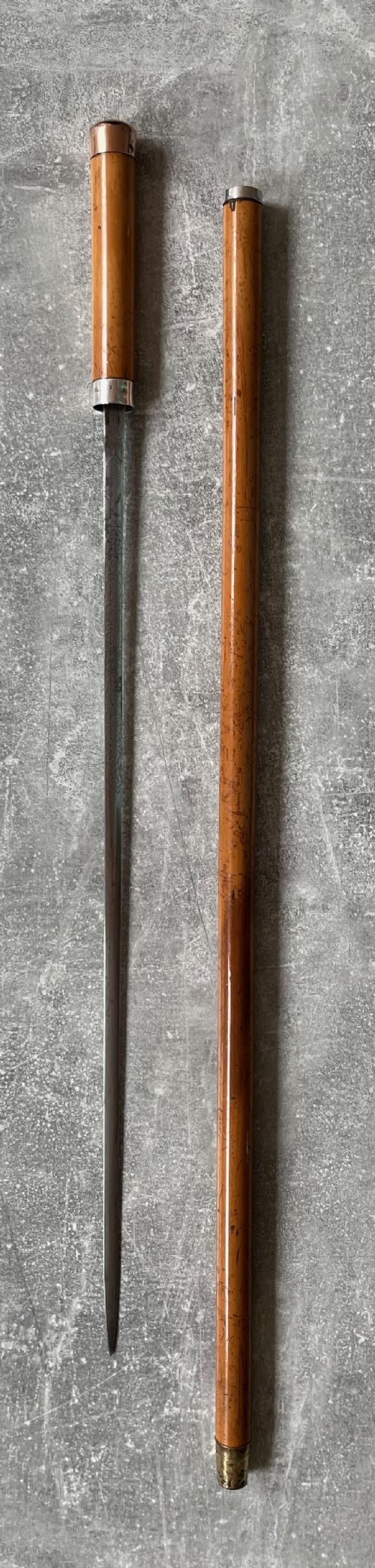
In many instances, the collar also acted as a reinforcement band to prevent the wood from splitting under pressure. Some functional examples doubled as mounts for concealed sword blades or gadgets.
How do I identify a silver decanter collar?
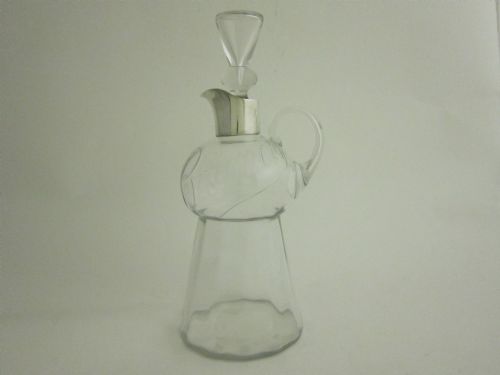
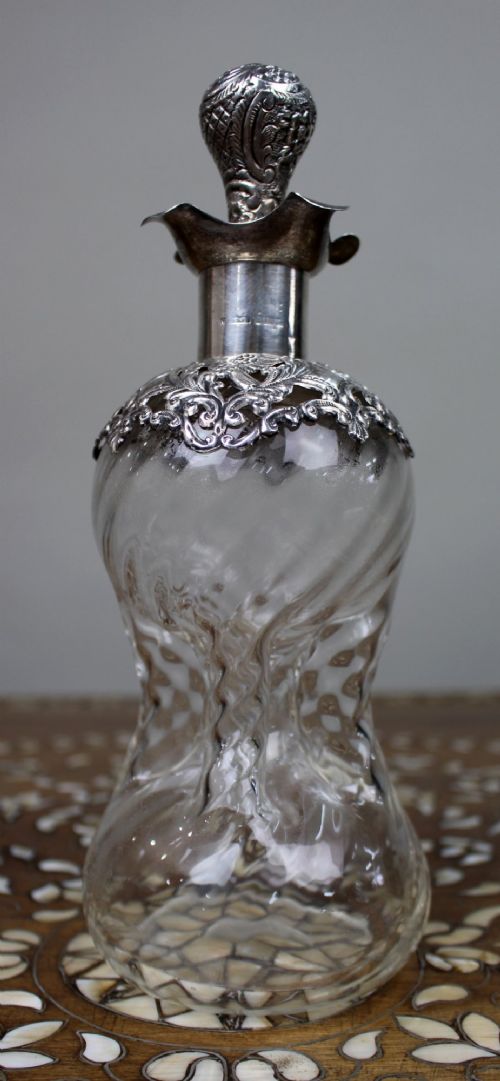
A silver decanter collar is a fitted metal band encircling the neck of a glass wine jug, claret jug, or perfume bottle. They often feature engraved floral motifs or maker marks near the rim.
These collars provide a secure seating point for stoppers and add decorative weight to the glassware. They appear alongside cut crystal and plain glass bodies dating from the late nineteenth century.
Why did dog collars have silver mounts?
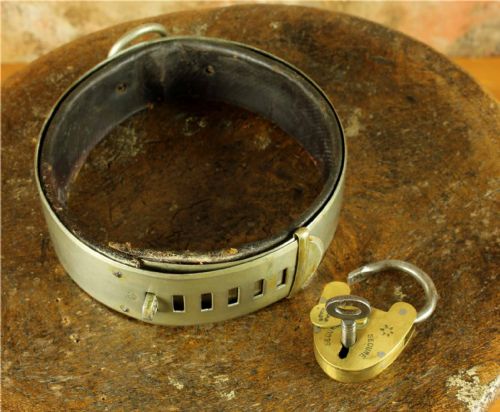
Dog collars featuring silver plates, collars, and padlocks identified the status and ownership of prized pets during the Victorian and Edwardian periods. They combined durable leather with polished metal shields.
Such accessories frequently included subsidiary elements like brass bells or locking padlocks. They reflect the high regard in which sporting and companion animals were held by their owners.