




Antique Silver Medallion Necklace
An antique silver medallion necklace brings together centuries of fine metalwork and wearable art, offering distinct periods from Georgian to Art Deco.
Antique Silver Medallion Necklace
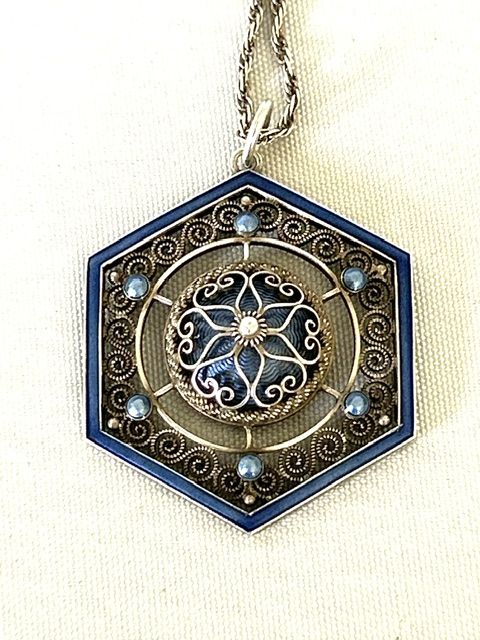
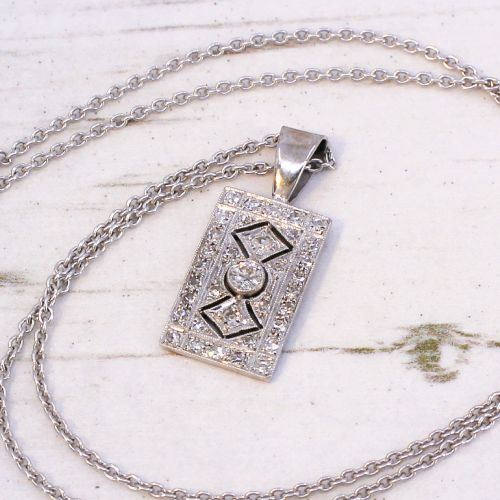
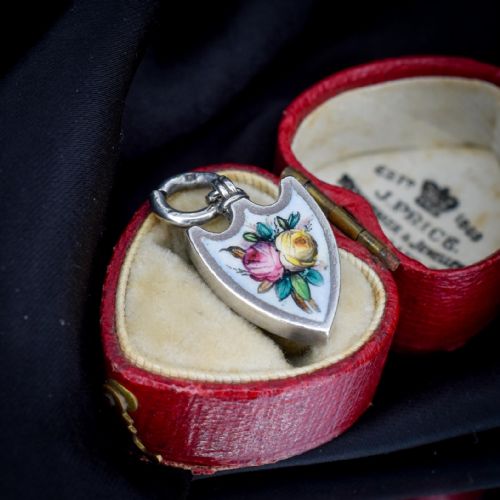
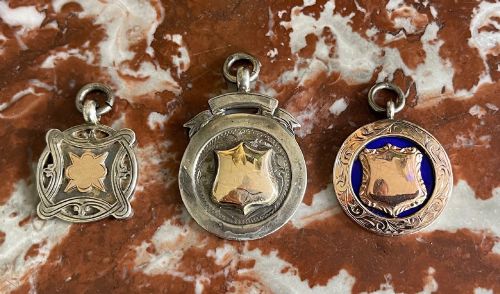
An antique silver medallion necklace comprises pendant drops, watch fobs, and lockets fashioned from silver, sterling silver, and gold. These pieces span eras from the 18th century through the Georgian, Victorian, and Edwardian periods, extending into Art Nouveau, Arts and Crafts, and Art Deco designs.
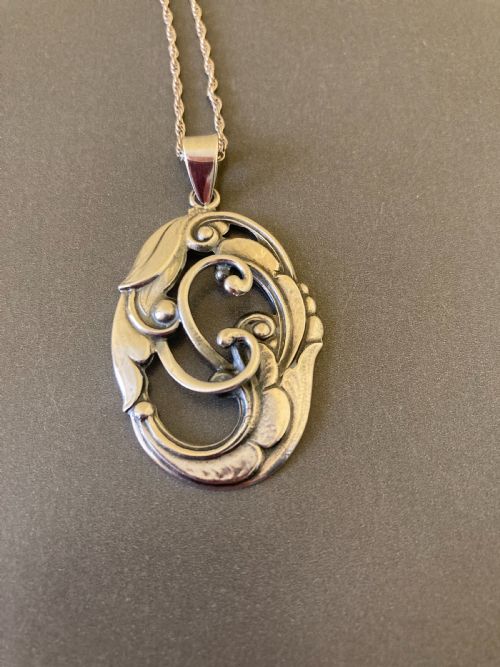
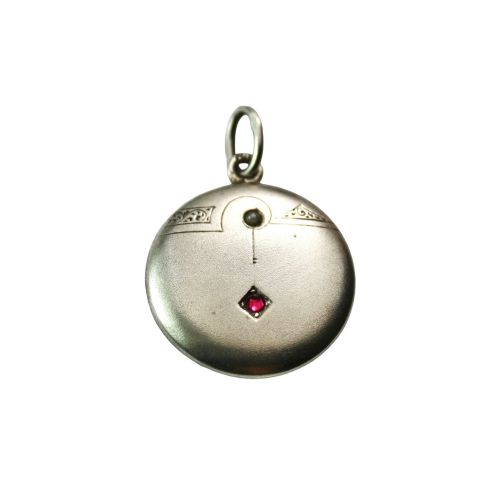
The primary forms encountered include intricate shields, circular lockets, and floral motifs. Many examples integrate decorative elements such as enamel work, pearls, and gemstones.
Origins vary widely across European workshops, including Scandinavian, Viennese, and Austro-Hungarian output, alongside British silver hallmarked in Birmingham. Pieces often adapt earlier components, such as watch fobs converted into pendants or necklaces.
Materials and construction
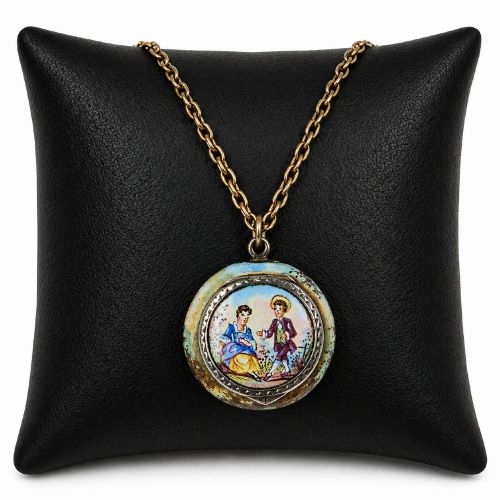
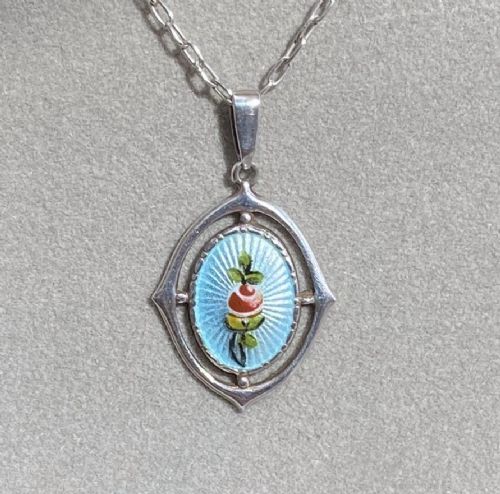
Maker construction relies heavily on silver and sterling silver frames combined with specialised decorative techniques. Enamel work appears frequently, utilising guilloche, vitreous, and cloisonne methods to add vibrant colour to the metal surfaces.
Set elements incorporate natural materials such as pearls, baroque pearls, blister pearls, turquoise, opal doublets, and diamonds alongside paste stones. Filigree work and hand-hammered textures define the Arts and Crafts and Art Nouveau pieces.
Listings feature silver, gold, enamel, pearls, turquoise, and diamonds across 18th-century, Georgian, Victorian, Edwardian, and Art Deco periods.
Factors of quality
Quality rests in the precision of the metalwork, the clarity of the enamel, and the security of the stone settings. Hand-wrought filigree and detailed portrait miniatures demonstrate higher artisan skill than simpler cast mounts.
The integration of materials, such as balanced gemstone placement and intact enamel surfaces without chipping, separates exceptional examples from standard production.
Marius Hammer·Charles Horner
The Antique Silver Medallion Necklace Glossary
- Guilloche enamel
- A decorative technique where an engraved metal surface is covered with translucent enamel. This method creates repeating geometric patterns visible beneath the coloured glass.
- Watch fob
- A short strap or ornament attached to a pocket watch. These items frequently find conversion into necklace pendants.
- Paste
- Hand-cut glass used to imitate gemstones in historic jewellery. High-quality paste displays deliberate faceting and foil backs to enhance brilliance.
- Cloisonne
- Enamelling technique where thin metal wires form compartments on the base metal to hold coloured glass paste. Firing fuses the vitreous enamel within the boundaries.
- Baroque pearl
- A pearl with an irregular, non-spherical shape. These organic forms were popular for drop pendants in various historic periods.
Antique Silver Medallion Necklace: Frequently Asked Questions
What periods do these necklaces span?
The selection covers the 18th century, Georgian era, 19th century, and the early 20th century. Art Nouveau, Arts and Crafts, and Art Deco styles are prominently represented.
Pieces also reflect regional output from Scandinavian, Viennese, and Austro-Hungarian workshops alongside British silver.
How do I care for silver enamel jewellery?
Store pieces individually away from direct sunlight and moisture to protect delicate enamel surfaces. Avoid harsh chemical dips, using only a soft cloth for gentle cleaning.
Take care with pearl and turquoise elements, as these materials are sensitive to cosmetics and immersion in water.
Were all pendants originally made as necklaces?
Many items began life in different formats before conversion into necklaces. Watch fobs and decorative charms were frequently adapted to hang from chains.
Lockets and shield pendants served practical or sentimental purposes, often holding portraits or small mementos behind glass or hinged covers.
How can I identify Art Nouveau pieces?
Art Nouveau examples feature fluid, asymmetrical lines inspired by natural plant forms and stylized portraits. They frequently combine silver with enamel, pearls, and paste stones.
Look for Jugendstil influences and intricate hand-wrought details characteristic of the early twentieth century.