


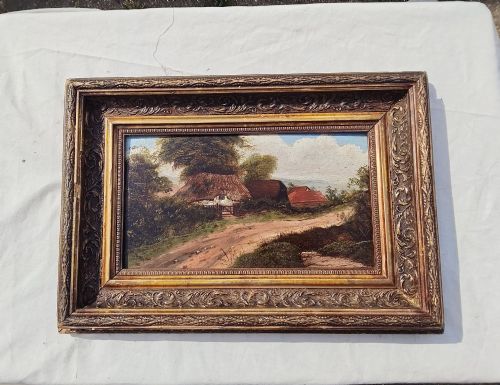
Edwardian Oil Art Framed
Edwardian oil art framed brings together period canvases and boards set within original wood and gesso moulding.
Edwardian Oil Art Framed
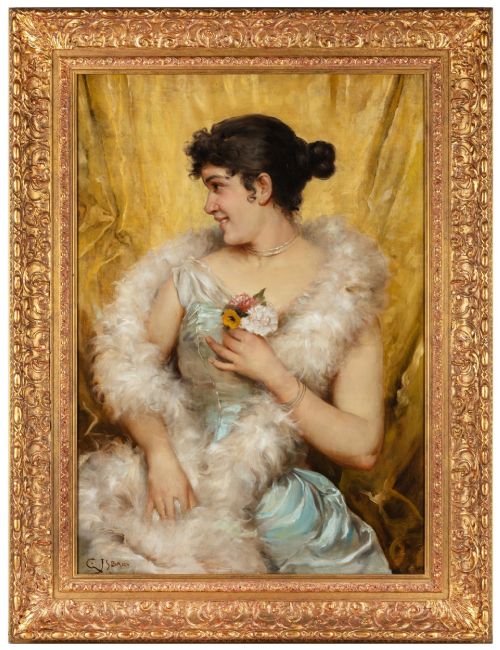
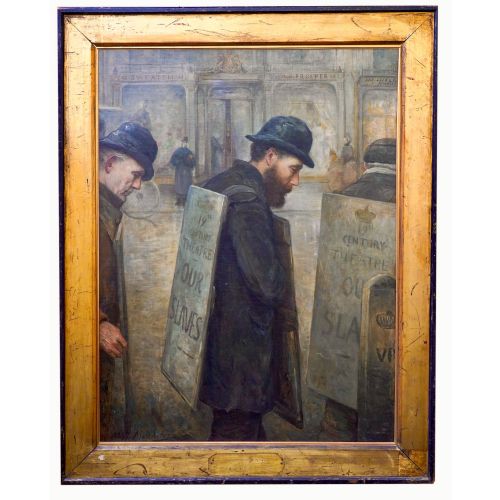
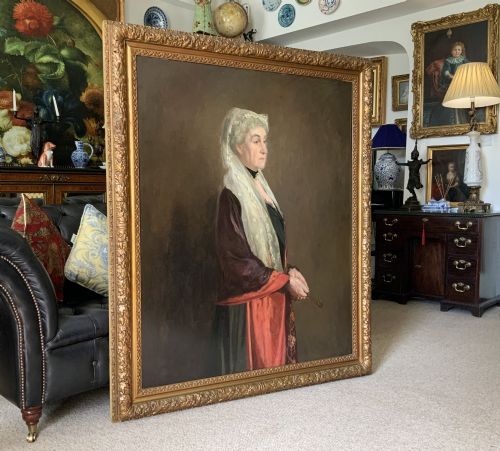
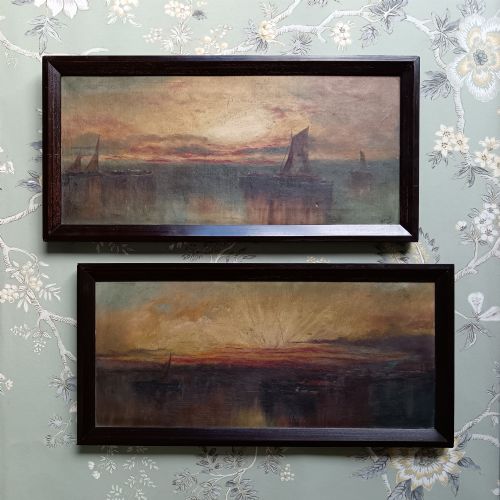
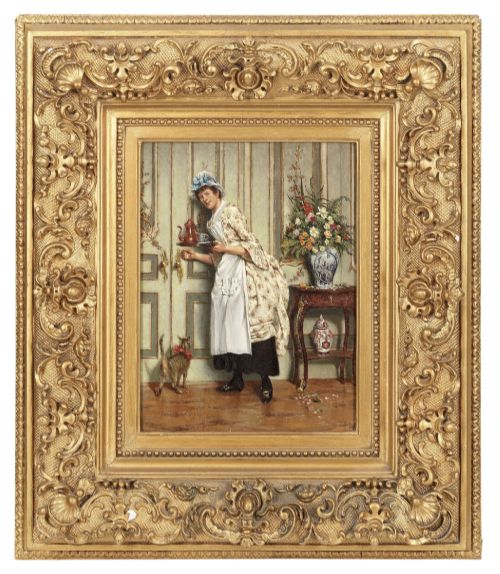
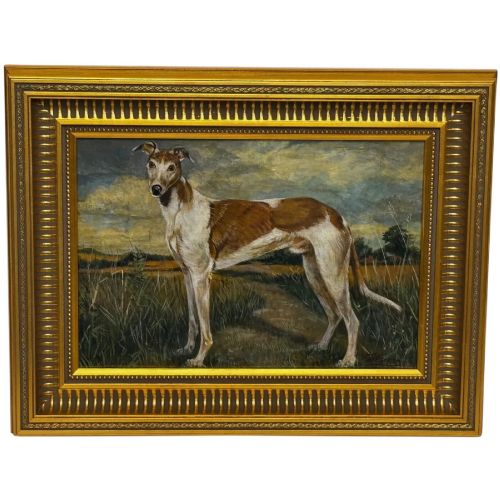
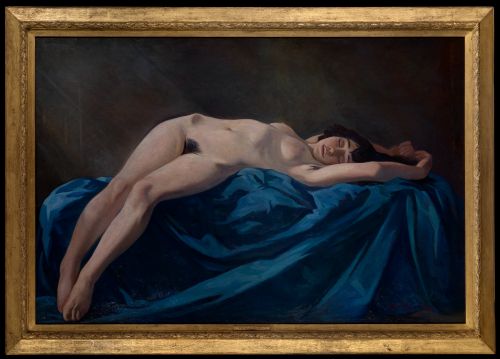
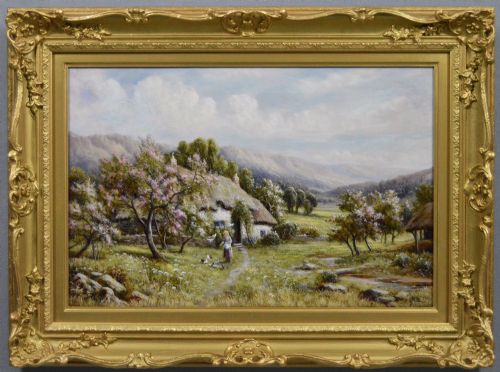
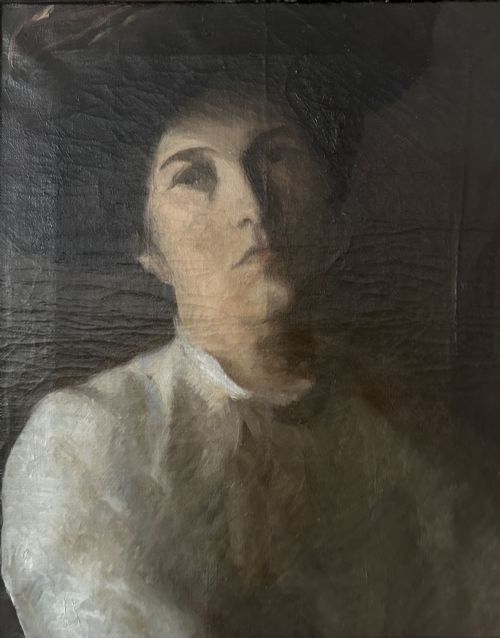
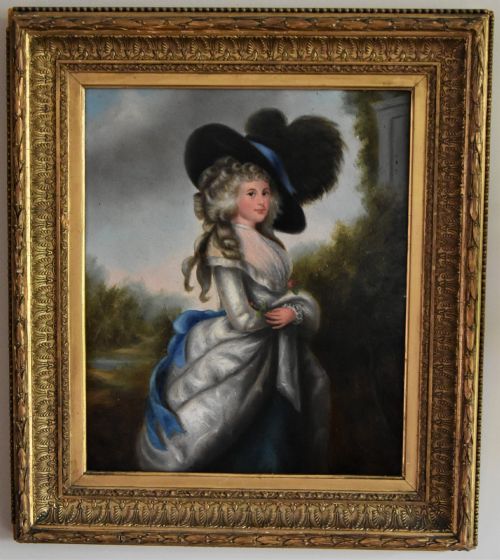
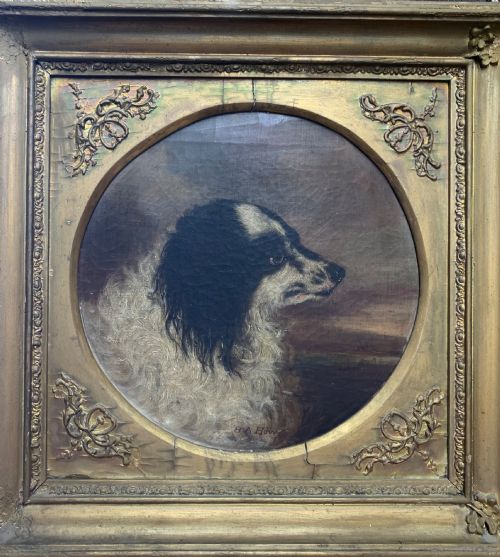
Edwardian oil art framed encompasses original paintings on canvas, board, and card produced during the early twentieth century and surrounding decades. Buyers searching for edwardian oil art framed encounter portraits, marine scenes, landscapes, and animal studies set within period frames.
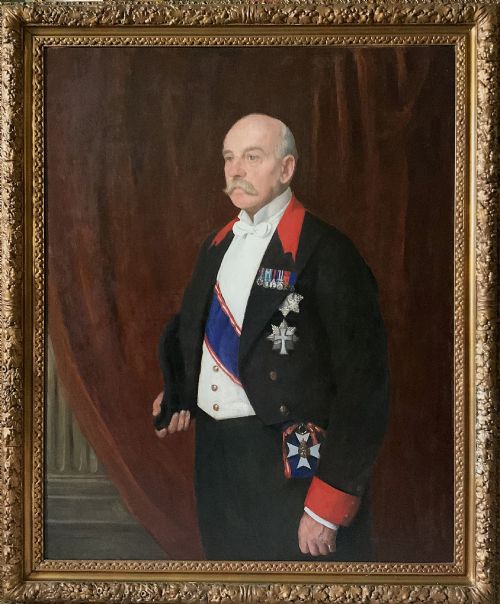
The selections span Edwardian, Victorian, and early twentieth-century periods, capturing subjects ranging from country house interiors to military portraits. Most examples meet the eye in original giltwood or wood frames that complement the painted surface.
Materials and technique
Artists painted primarily in oil upon stretched canvas, wooden panels, or card supports, applying pigment to capture texture and tone. These works rely on traditional ground layers and oil paint mixtures common to British and European studios of the period.
Frames utilise carved wood and moulded gesso, frequently finished with a gilt surface to enclose and protect the artwork. The combination of oil paint on canvas or board secured within a wooden housing forms the standard construction of these pieces.
A painted racing pigeon named Old Badge shares space here with stern military generals.
What separates the range
Distinction across the selection rests upon the skill of the brushwork and the precision with which the subject is rendered. Works by recognised artists or accomplished academic painters demonstrate superior anatomical accuracy, depth of colour, and compositional balance compared to simpler amateur productions.
The integrity and ornamentation of the framing contribute substantially to the overall standard. Original giltwood frames with intact gesso moulding and harmonious proportions elevate the piece above those housed in later or damaged surrounds.
Felix Stone Moscheles·William H Myers·John Maler Collier·Stephen Samuel Lewin·Eric Robertson·Robert John Hammond·John Hodgson Lobley·Henrietta Rae·Edgar Hunt·Harold Knight
The Edwardian Oil Art Framed Glossary
- Giltwood
- Wood that has been coated with a thin layer of gold leaf or metallic gilt powder. This finish provides a reflective decorative border designed to catch ambient light in a room.
- Gesso
- A plaster mixture applied to wooden frames as a base for moulding and gilding. It allows craftsmen to carve intricate relief patterns before applying the surface finish.
- Canvas
- A heavy woven fabric stretched tightly across a wooden stretcher frame to serve as a painting surface. It offers a resilient and textured ground for oil pigments.
- Oil on Board
- A technique where oil paint is applied directly to a rigid cardboard or wooden panel rather than woven fabric. Boards were frequently utilised for smaller plein air sketches and portable studies.
Edwardian Oil Art Framed: Frequently Asked Questions
How do I date an Edwardian oil painting?
Dating relies on stylistic clues within the subject matter, such as fashion, military uniform details, and the framing materials used at the time. Signatures, dates inscribed on the reverse, and exhibition labels also provide direct evidence of creation.
Examination of the canvas weave, stretcher bars, and framing construction helps confirm whether the mounting is original to the period. Comparing the technique to documented works by contemporary artists narrows the timeline further.
Are these paintings on canvas or board?
The works employ a variety of supports, with oil on canvas being the most widespread method for larger portraits and landscapes. Many pieces also utilise wooden panels, card, or panel boards, particularly for smaller studies and preparatory sketches.
Inspect the edges of the painting or the reverse of the frame to determine the support material. Canvas works show stretcher creases, while board and panel pieces remain rigid to the touch.
How should I hang an oil painting?
Select a wall space that avoids direct sunlight and heavy moisture to protect the oil paint and the wooden frame from warping. Secure the hanging wire or brackets to stable wall studs using appropriate fixings rated for the weight of the piece.
Ensure the frame hangs level and maintain a stable indoor temperature to prevent the canvas or panel from expanding and contracting. Regular dusting with a soft, dry brush keeps the surface clear of airborne particles.
What subjects are common in these works?
Portraits of society figures, military personnel, and children frequently appear alongside British landscapes and coastal marine scenes. Animal paintings, including sporting dogs, racing pigeons, and livestock in woodland settings, also form a significant part of the selection.
These themes reflect the artistic tastes and domestic commissioning habits of the Edwardian era. Genre paintings depicting everyday interior scenes and social narratives provide further insight into the period.