
Edwardian Oak Storage
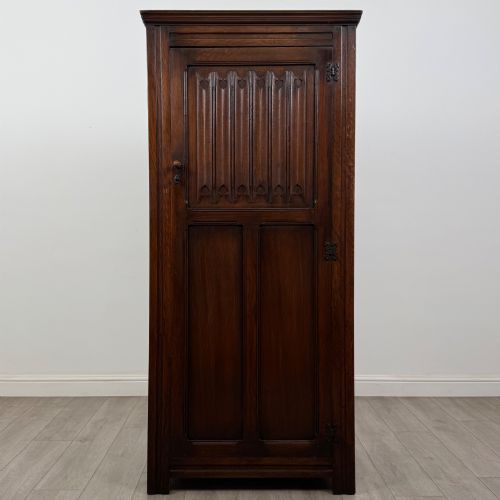
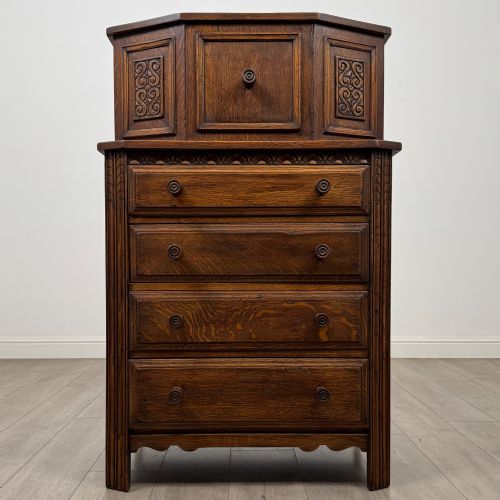
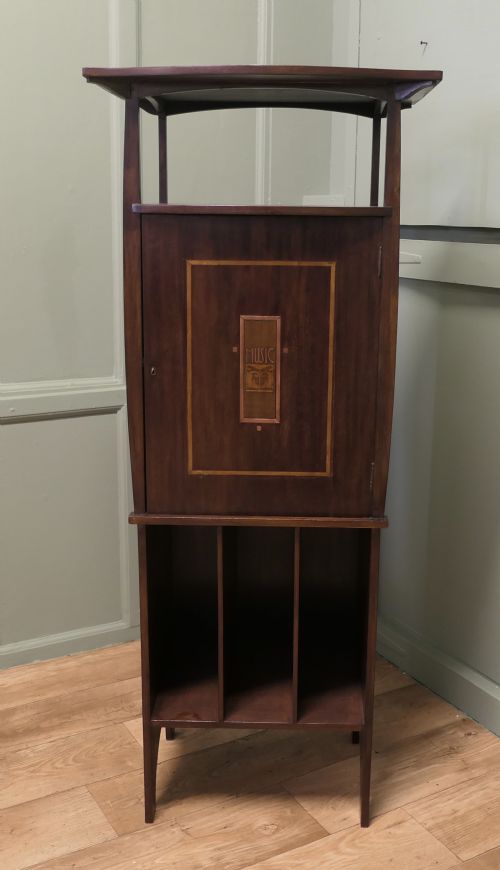
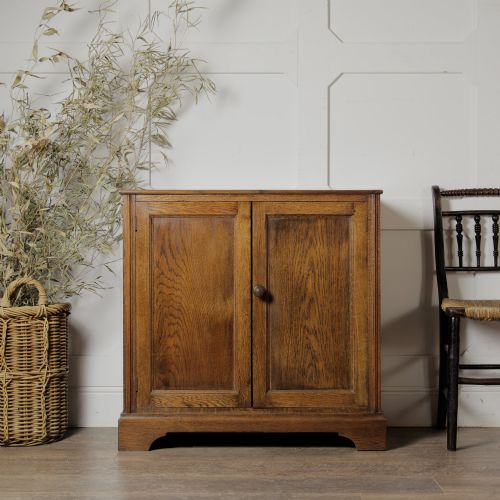
Edwardian oak storage pieces bring practical utility and sturdy timber grain to hallways and studies, offering reliable places for papers, coats and books.
Edwardian Oak Storage
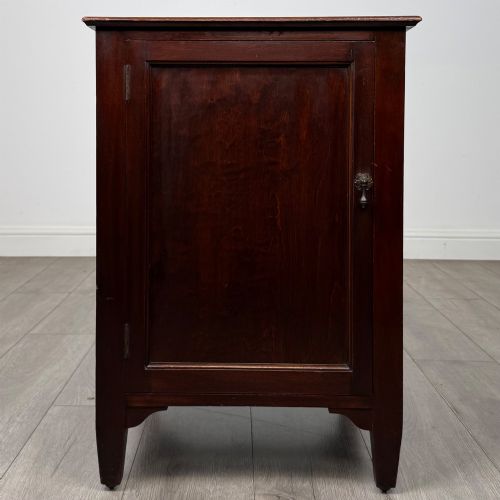
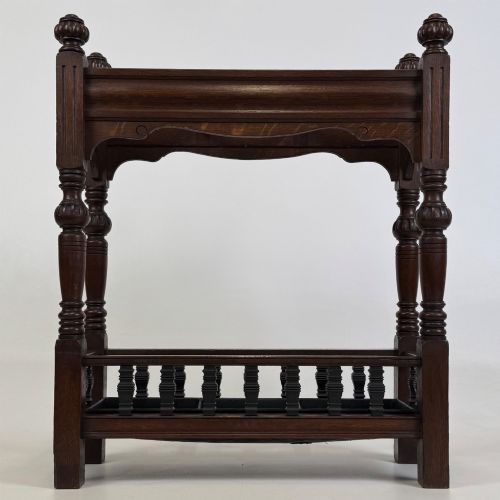
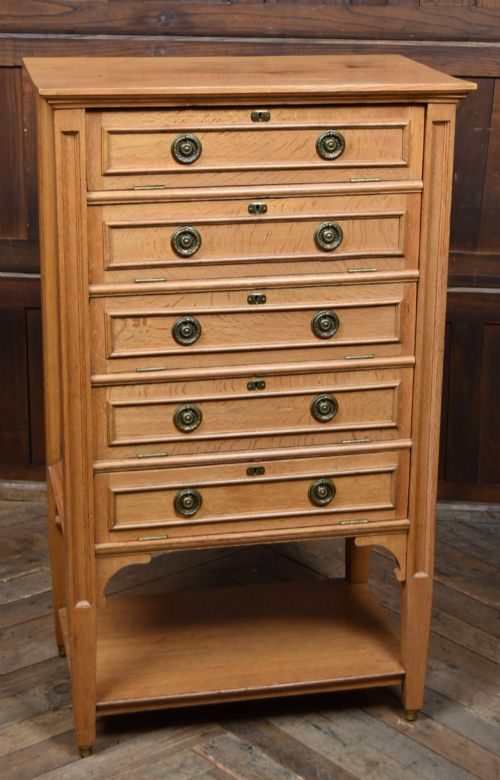
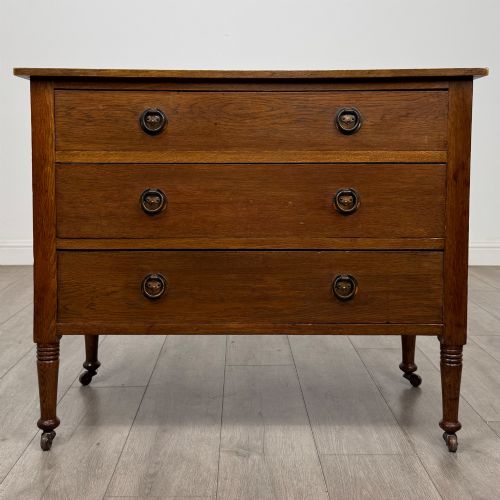
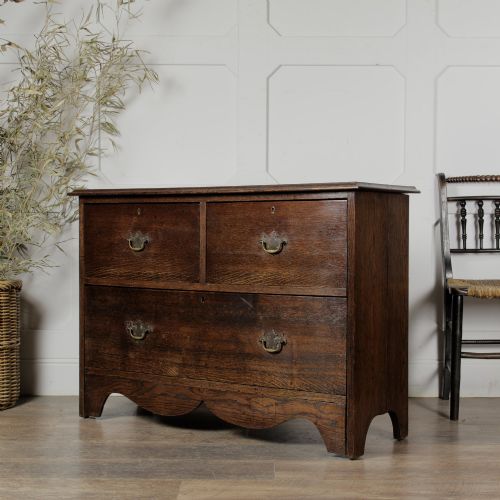
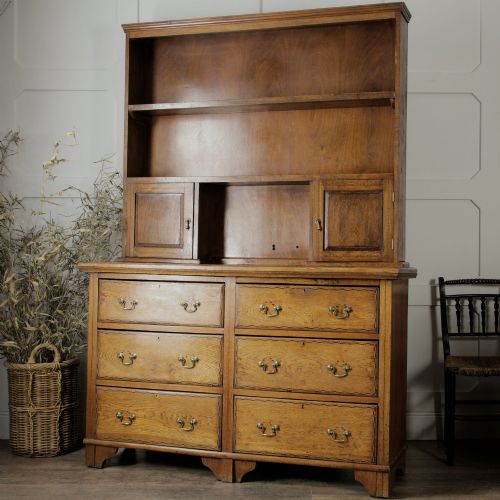
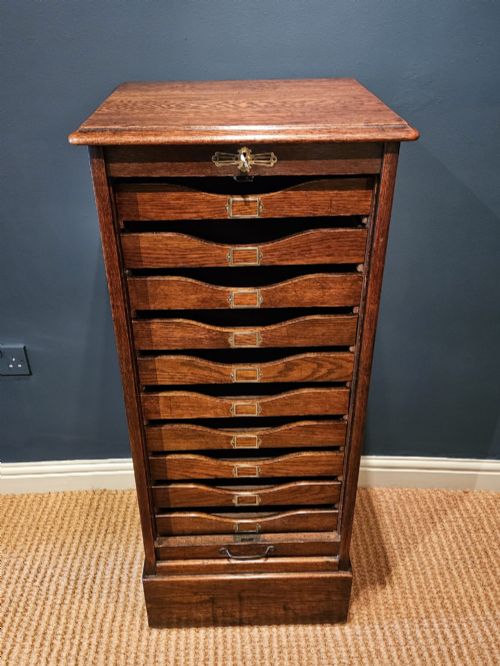
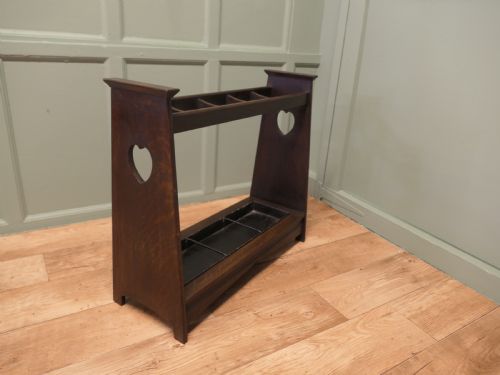
When you search for Edwardian oak storage, you encounter functional furniture designed to organise domestic spaces at the turn of the twentieth century. These pieces range from tall filing cabinets and tambour front office units to hall stands, blanket chests, and compact bedside cupboards.
The versions you meet most frequently on this page date from the Edwardian period itself, alongside related items from the wider early twentieth-century timeline. Solid oak and golden oak predominate, shaped into practical forms that served both busy offices and domestic halls.
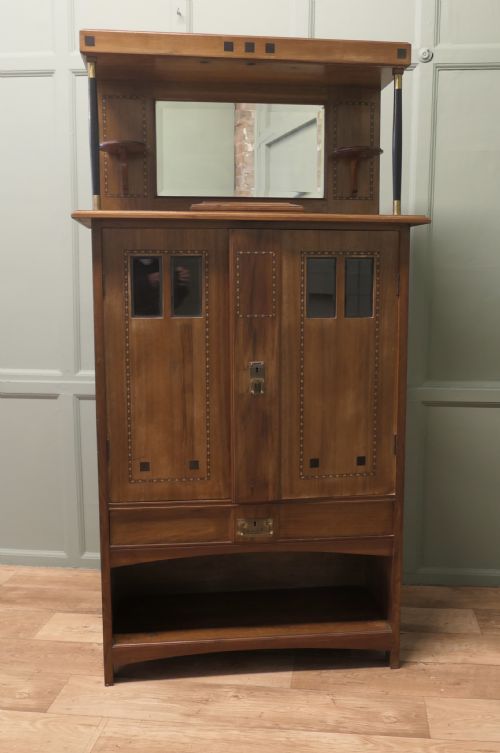
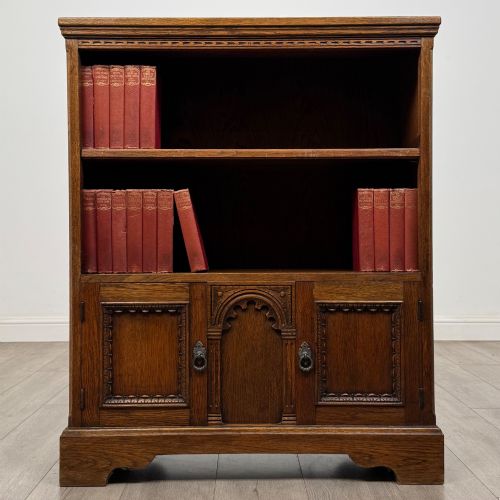
Makers and designers of the period utilised timber to create durable items, varying from simple country pieces to distinctive Arts and Crafts designs. Whether you need a small bookcase or a multi-drawer filing chest, these items provide straightforward period functionality.
Materials and Construction
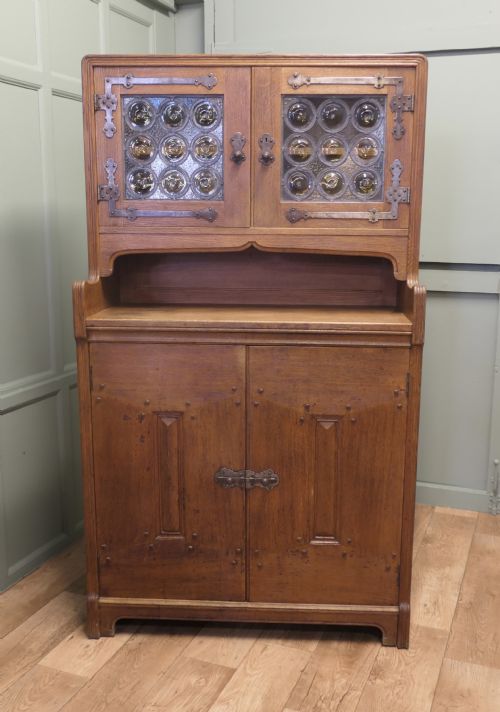
Makers built these pieces primarily from solid oak, sometimes referred to as golden or dark oak, relying on the timber's inherent strength for everyday utility. Secondary materials such as brass, iron, and metal appeared on handles, hinges, and umbrella drip trays.
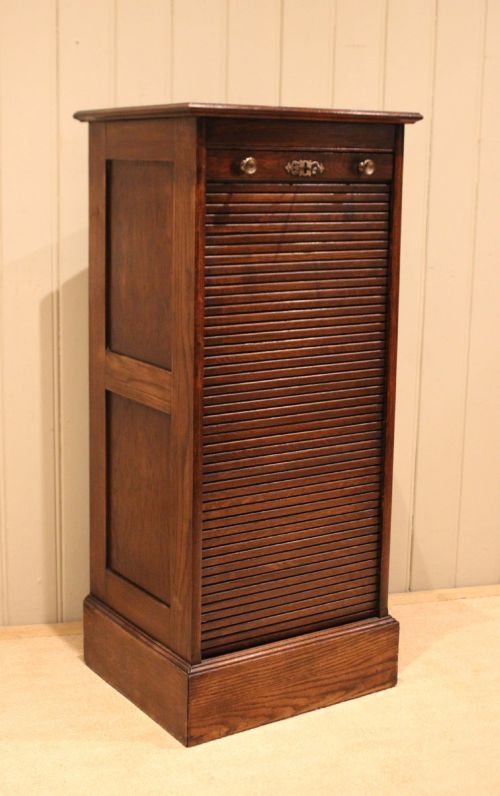
Advanced workshop techniques allowed for specialised mechanisms, seen particularly in tambour front doors that slide smoothly on tracks. Carving, beaded edges, and open back framing added decorative and structural refinement without compromising the sturdy wooden framework.
The site listings feature oak as the primary timber, complemented by brass and iron hardware across multiple decades.
Judging Quality
The distinction between standard utility items and finer examples rests upon the selection of timber and the precision of the joinery. Superior pieces display carefully figured oak grain and robust construction that withstands decades of regular daily opening and closing.
Design ambition separates run-of-the-mill production from pieces influenced by the Arts and Crafts movement or specific artistic direction. Subtle details such as original brass hardware, well-fitted tambour slats, and clean carved mouldings elevate the standing of a piece.
Liberty·GM Elwood·JS Henry
The Edwardian Oak Storage Glossary
- Tambour
- A flexible shutter door formed of narrow wooden slats glued to a canvas backing, allowing it to slide around a curved track to conceal interior shelving or drawers.
- Arts and Crafts
- A design movement promoting handcraft, simple forms, and local materials, reacting against mass production.
- Golden oak
- A bright, warm finish applied to oak furniture that highlights the natural grain of the timber, popular during the Edwardian era.
- Hall stand
- A piece of furniture combining a mirror, coat hooks, umbrella stands, and sometimes a seat or storage compartment, placed near an entrance.
- Coffer
- A large wooden chest used historically for storage, often featuring hinged lids and sturdy plank construction.
Edwardian Oak Storage: Frequently Asked Questions
What is a tambour front cabinet?
A tambour front cabinet uses a slatted wooden door that slides along a track to open and close smoothly. This mechanism allows access to interior files or shelves without requiring clearance space for hinged doors.
Such designs were popular in Edwardian offices and studies for organising documents and correspondence securely.
How do I use a hall stand?
Hall stands organise entryways by providing hooks for coats, holders for umbrellas and sticks, and often a small compartment or seat. They keep outdoor garments tidy and accessible near the front door.
Most feature integrated metal drip trays at the base to catch water from wet umbrellas.
Are these pieces made of solid oak?
Many listings feature solid oak construction, utilising the dense, durable hardwood for frames, panels, and drawer fronts. Some pieces incorporate complementary materials like brass or iron for hardware.
This robust timber choice ensures longevity and accounts for the survival of these storage items over a century later.
How do I distinguish Edwardian oak from Victorian oak?
Edwardian oak furniture often exhibits lighter honey or golden tones, reflecting a shift away from the heavier, darker finishes favored during the Victorian era. Designs from the Edwardian period also tend toward cleaner lines and influences from the Arts and Crafts movement.
Victorian pieces generally display heavier carvings and darker stains, though revival styles often blur these stylistic boundaries.