

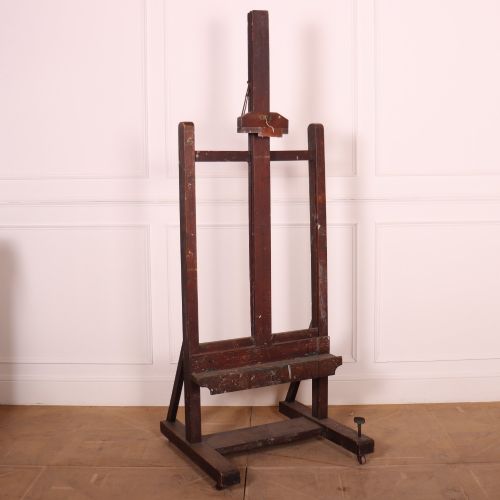
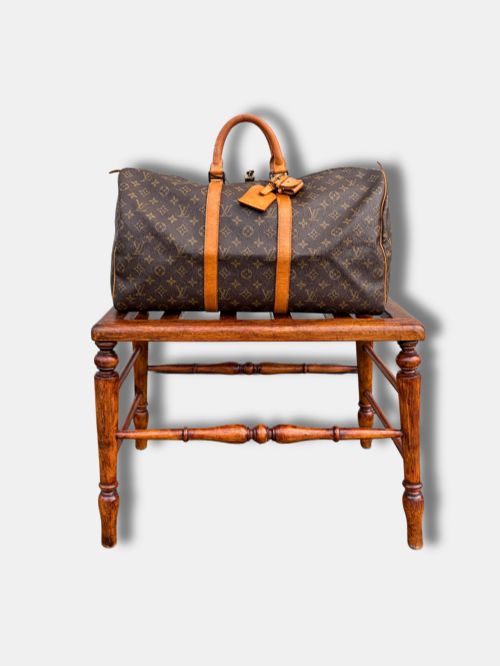
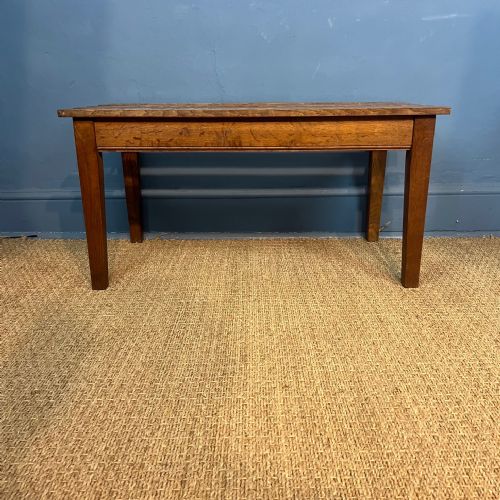
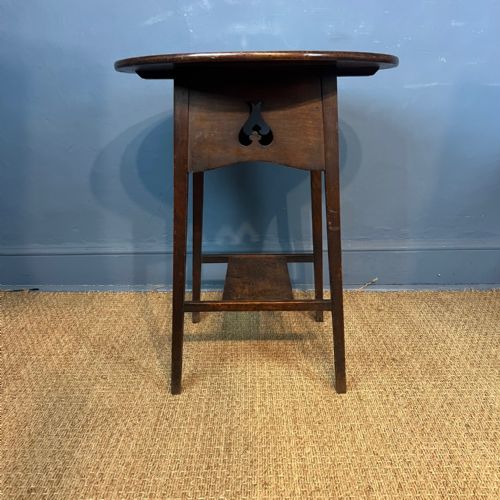
Edwardian Oak Stand
Solid timber frames and practical utility define the edwardian oak stand, providing functional furnishing for period hallways and reception rooms.
Edwardian Oak Stand
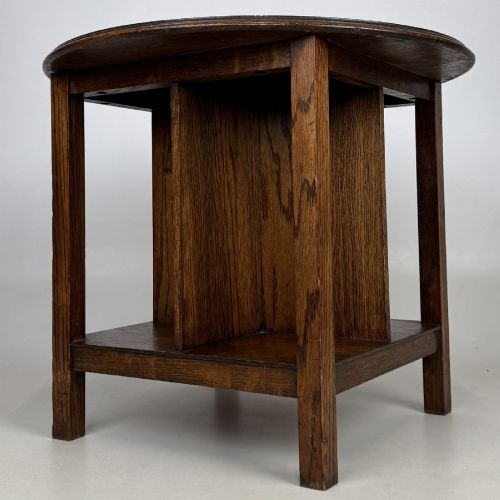
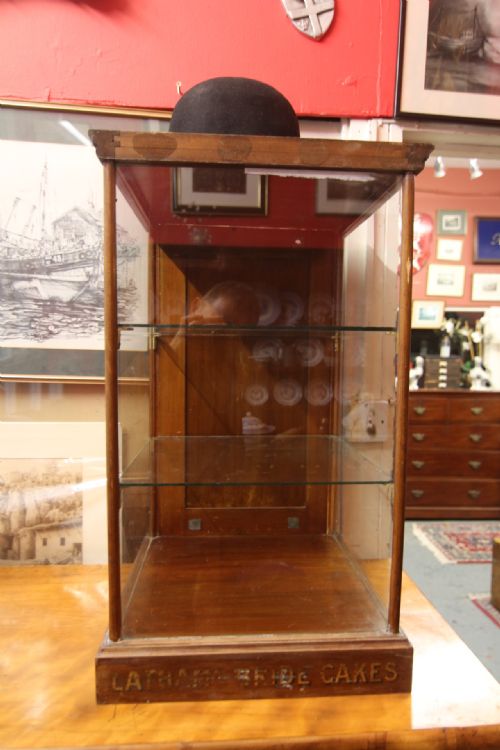
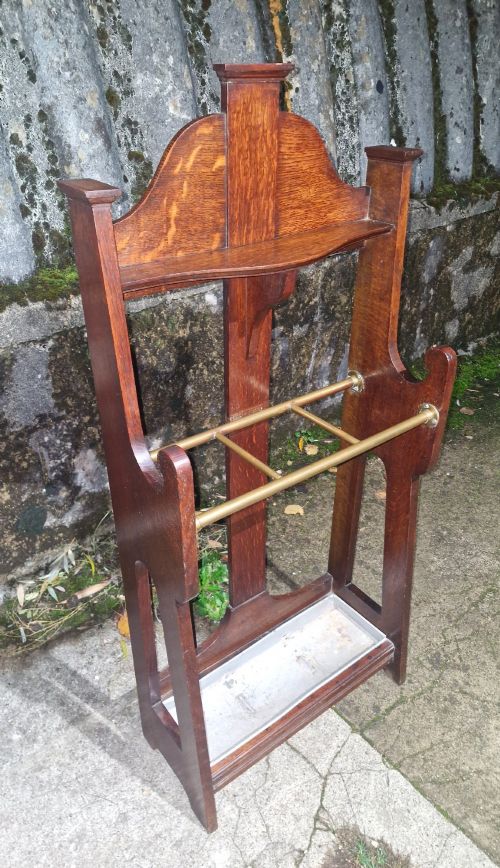
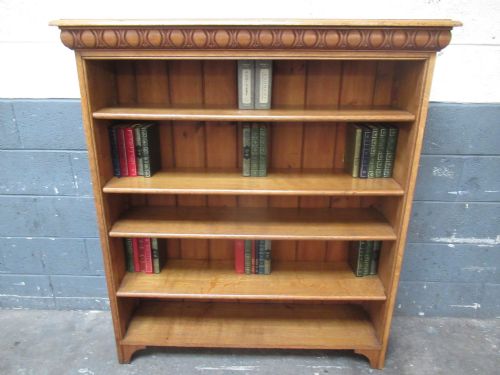
An edwardian oak stand encompasses a diverse group of domestic furnishings produced primarily around the turn of the twentieth century, bridging Victorian conventions and later interwar designs. Buyers encounter everything from umbrella and stick holders to plant stands, music cabinets, and revolving bookcases.
The material palette draws heavily on solid oak, frequently augmented with brass or iron hardware and occasional tile or glass insets. Pieces range from straightforward utilitarian items made for commercial hotels to artistic commissions associated with the Arts and Crafts movement.
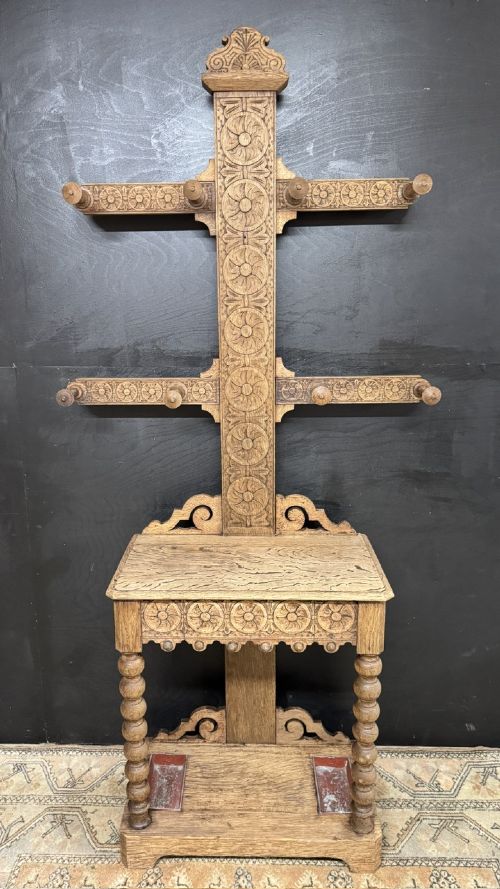
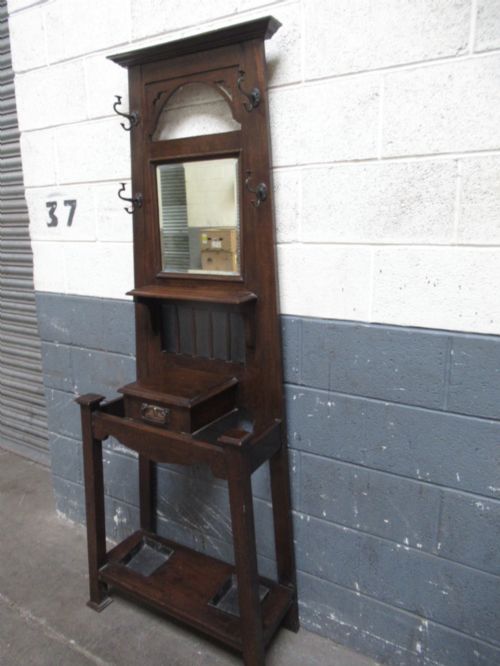
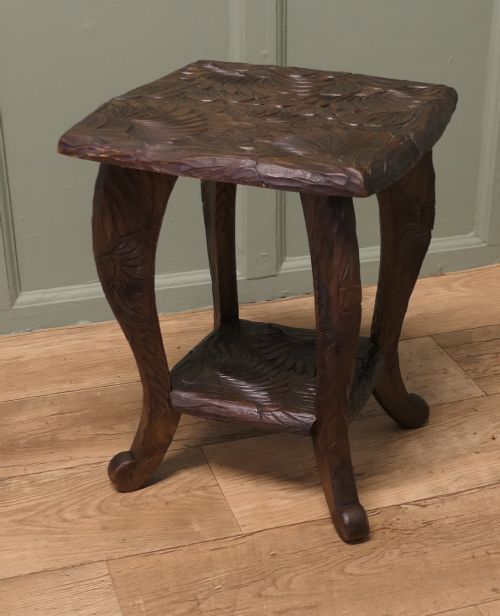
Hall stands and coat racks dominate the larger domestic forms, utilising vertical space to organise garments and accessories in entranceways. Smaller occasional tables and plant supports appear with equal frequency, serving specific display functions within the Edwardian interior.
Craftsmanship and Proportion
Structural integrity separates standard utilitarian items from superior examples, particularly in weight-bearing pieces like hat and coat stands or revolving bookcases. Finer pieces demonstrate careful timber selection with matched grain across visible surfaces, avoiding excessive filler or poor repairs.
Design ambition distinguishes workshop production from mass-manufactured factory goods, with carved details, shaped brackets, and integrated metalwork revealing the hand of skilled cabinet makers. Proportions remain balanced on better examples, ensuring practical utility matches visual harmony.
Edwardian Oak Stand Retail Price Guide 2026
Typical asking prices for edwardian oak stand among the pieces listed under this phrase on Sellingantiques today, from the lower quarter to the upper quarter. They describe what is for sale here now, not the wider market.
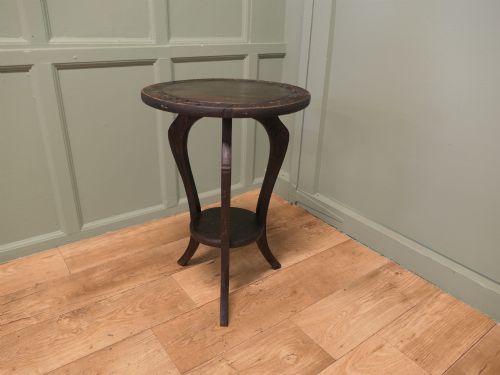
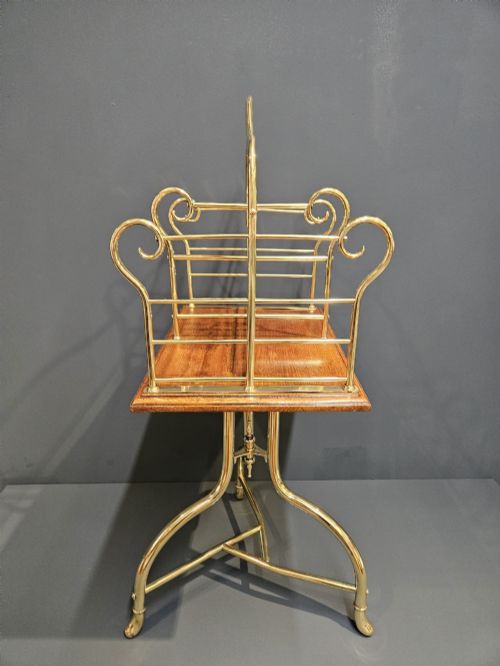
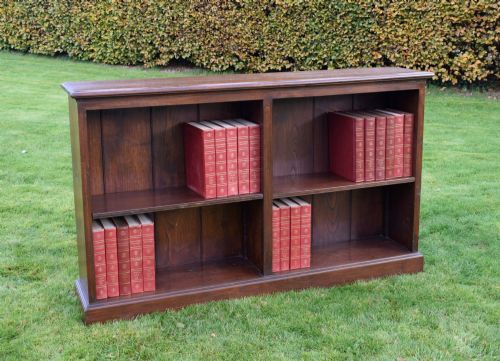
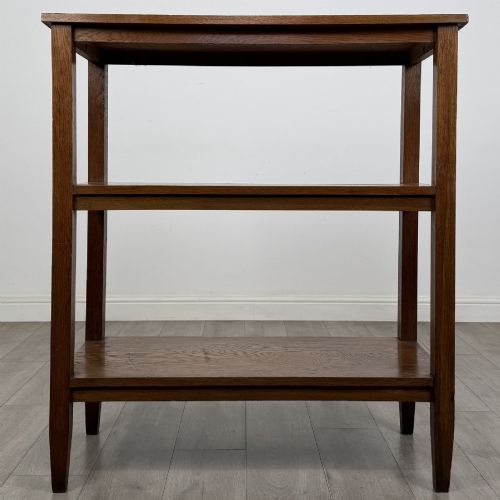
Listings feature diverse oak forms spanning umbrella holders, plant supports, music cabinets, and bookcases produced across the Edwardian era.
Shapland & Petter·JS Henry·Arthur Simpson
The Edwardian Oak Stand Glossary
- Arts and Crafts
- A design movement prioritising traditional craftsmanship and simple forms over mass production. Pieces from this tradition often feature exposed joinery and hand-wrought metal fittings.
- Hall Stand
- A multi-functional piece of entranceway furniture combining coat hooks, umbrella wells, and frequently a central mirror or glove drawer. They were essential for organising outdoor wear in Edwardian homes.
- Torchère
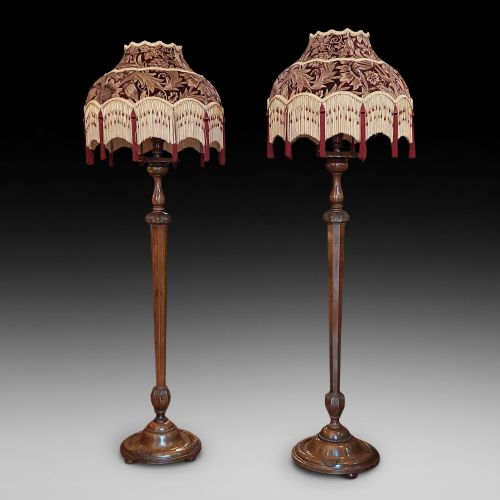
- A tall ornamental stand designed to hold a lamp, plant, or decorative vase. Pairs of these stands frequently flank doorways or fireplaces in period interiors.
- Canterbury
- A partitioned stand originally designed for holding sheet music or loose periodicals. Edwardian examples often feature slatted wooden dividers and low castors.
- Standish
- A portable desk stand or tray fitted with inkwells, pen holders, and sanders. These items served writing desks in formal reception rooms.
Edwardian Oak Stand: Frequently Asked Questions
What is an edwardian oak stand used for?
These pieces served specific utilitarian purposes in historic homes, ranging from storing umbrellas and walking sticks to displaying potted plants and holding reading materials. Their diverse forms reflect the specialised furnishing requirements of early twentieth-century domestic life.
Today, buyers utilise them for identical practical functions while introducing period character into modern hallways, living rooms, and studies. Their robust timber construction ensures they remain suited to everyday use.
Where should I place a hall stand?
Hall stands suit entranceways and corridors where their vertical proportions and built-in storage hooks provide immediate utility for coats, hats, and umbrellas. Their integrated mirrors and glove compartments help bounce light into smaller spaces.
Ensure adequate floor space allows clearance for hanging garments and accessing lower umbrella wells without obstructing household traffic.
Are these stands made of solid oak?
Many examples utilise solid oak throughout their main frames, panels, and shelves, contributing to their enduring structural stability over the decades. Certain larger or more decorative pieces may incorporate secondary timbers or oak veneers on expansive surfaces.
Examining internal components and undersides helps reveal the specific timber construction methods employed by the original maker.