

Edwardian Oak End Table
When you search for an edwardian oak end table, you are looking for sturdy side tables and occasional stands built from solid timber during the early twentieth century.
Edwardian Oak End Table
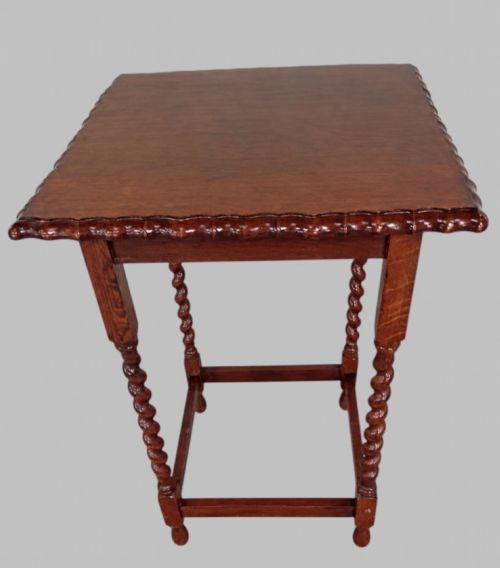
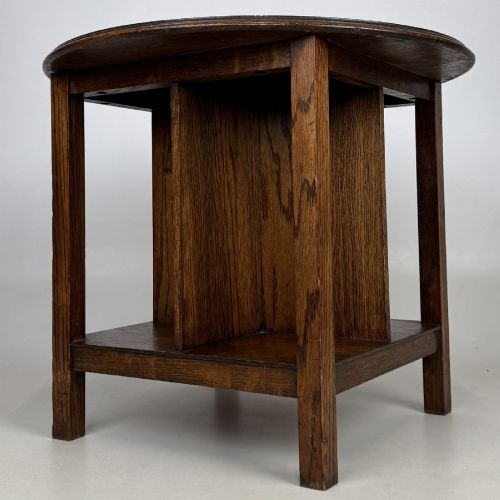
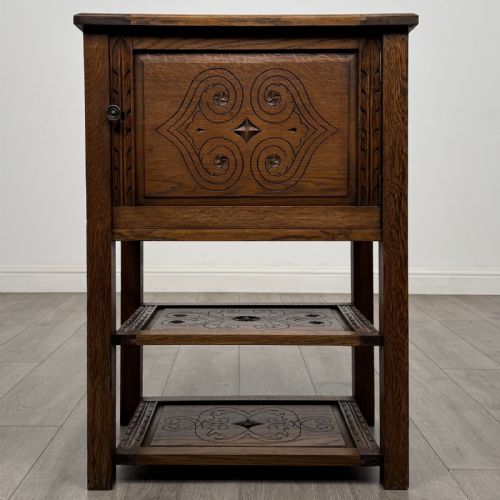
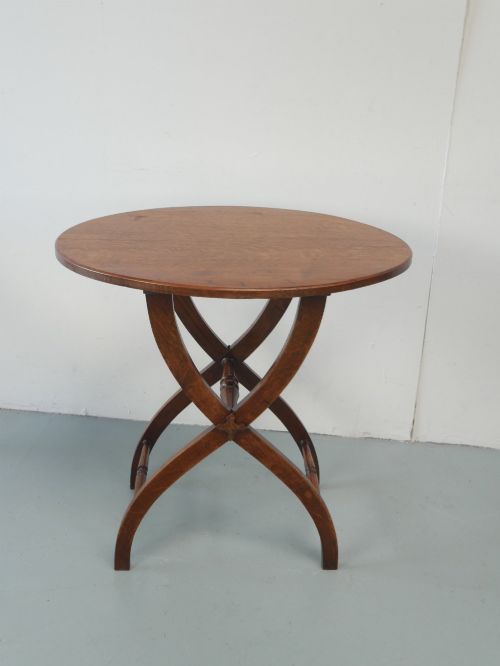
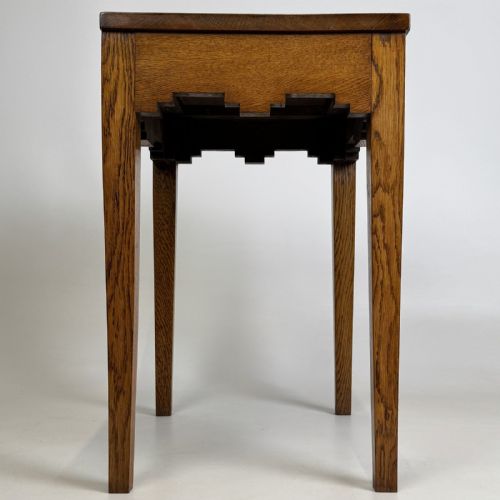
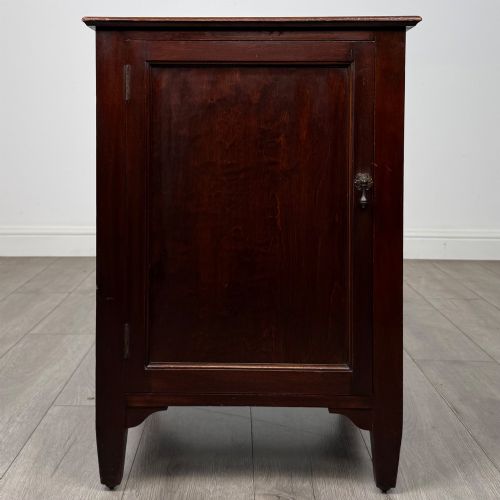
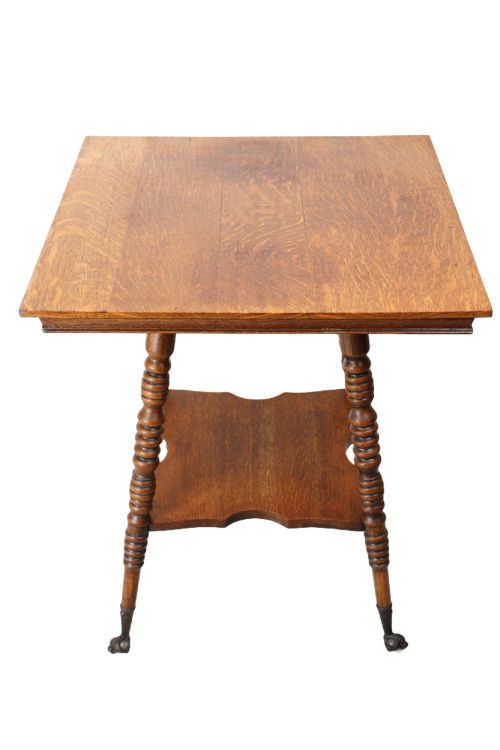
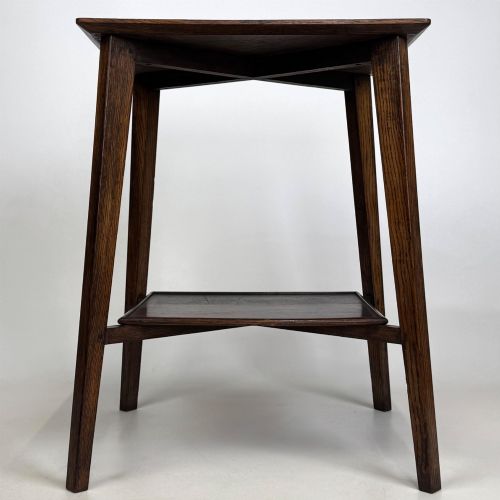
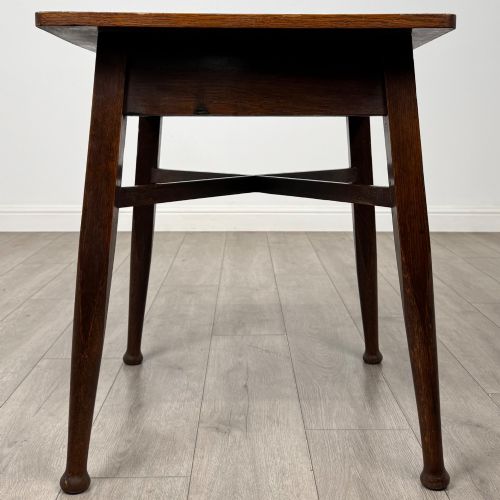
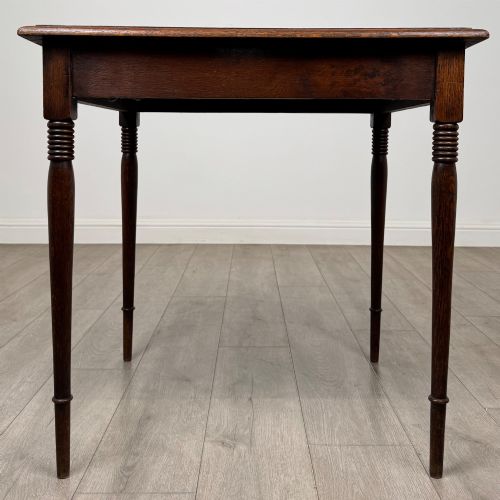
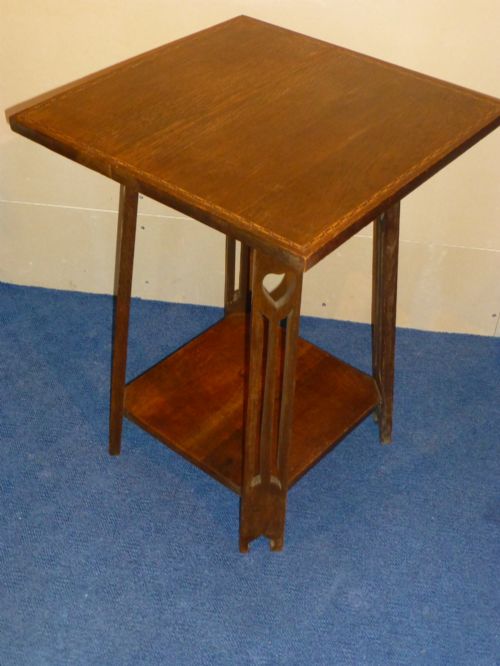
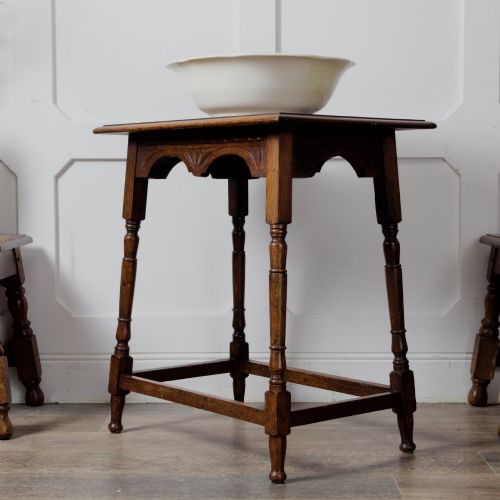
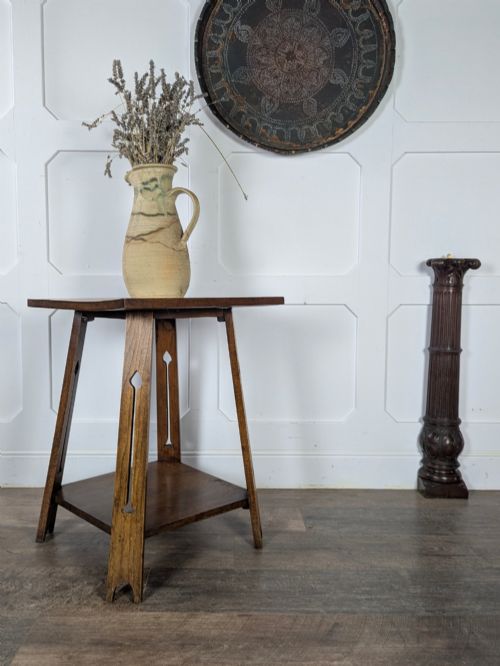
An edwardian oak end table encompasses compact side pieces, occasional stands, and small multi-tiered surfaces designed for domestic use around the turn of the twentieth century. The version you are most likely to meet on this page is a rectangular or square side table in solid or figured oak, often featuring carved details or lower display shelves.
Makers and workshops of the period drew inspiration from Arts and Crafts ideals, plain English country house utility, and occasional revival styles such as Jacobean turning. These tables served practical roles beside seating or in hallways, functioning as lamp stands or repositories for books and small objects.
How They Were Made
Construction relies heavily on solid oak and stained wood, sometimes accented with brass fittings, metal inlays, or contrasting wood chequering. Joinery was robustly executed to withstand daily household service, utilising sturdy framing and occasional tiered supports.
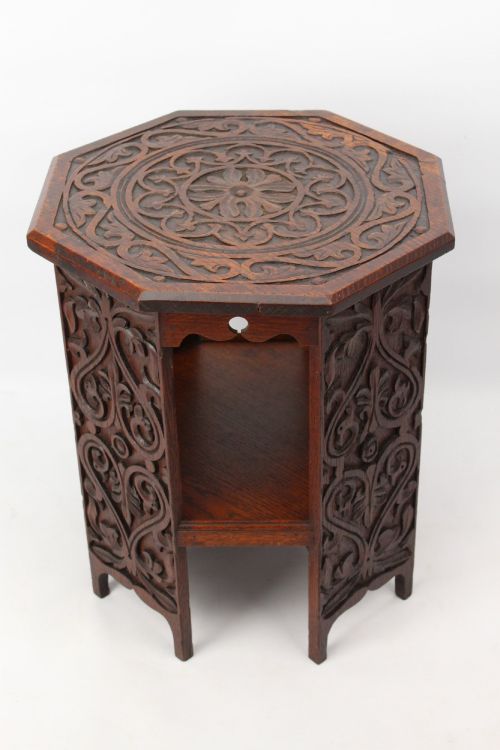
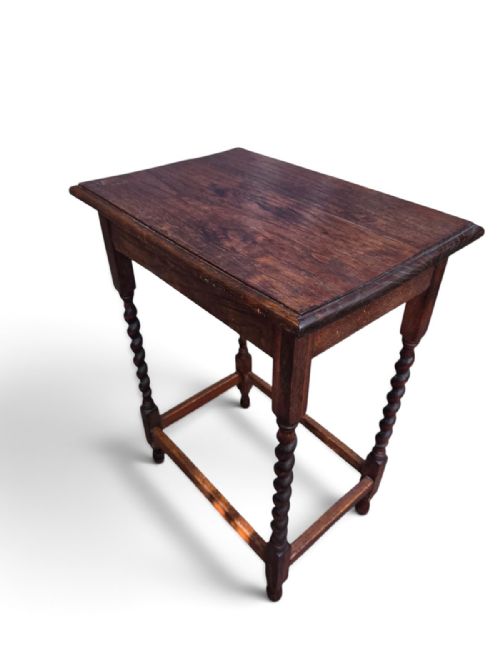
Surface decoration ranges from restrained carved edgings and barley twist legs to simple panelled galleries and smooth-grained golden oak finishes. Makers occasionally incorporated copper tops or subtle inlays to elevate the utilitarian character of the timber.
Edwardian Oak End Table Retail Price Guide 2026
Typical asking prices for edwardian oak end table among the pieces listed under this phrase on Sellingantiques today, from the lower quarter to the upper quarter. They describe what is for sale here now, not the wider market.
What Varies in Quality
The distinction between standard utility furniture and superior examples lies in the selection of figured golden oak and the crispness of hand-carved detailing. Finer pieces demonstrate careful attention to proportions, balanced grain patterns, and thoughtful integration of secondary tiers or inlaid borders.
Construction methods also separate workshop output from mass production, with superior joints, substantial timber thickness, and original hardware contributing to enduring structural integrity. Tables bearing attribution to notable retailers or schools of design generally display a higher standard of finish.
Liberty and Co·William Birch·Baillie Scott·Waring and Gillows
The Edwardian Oak End Table Glossary
- Barley twist
- A turned wooden furniture leg resembling a twisted rope. This decorative profile gained widespread popularity during the late nineteenth and early twentieth centuries.
- Occasional table
- A small, movable table intended for specific, intermittent household tasks rather than permanent placement. These versatile pieces frequently served as lamp stands or display surfaces.
- Gallery
- A raised wooden border surrounding the top edge of a table or shelf. This feature prevented small items from rolling off the surface.
- Chequered inlay
- A decorative pattern formed by alternating light and dark wooden squares embedded into the surface. It is commonly associated with Arts and Crafts design.
- Refectory table
- A long, narrow dining table supported by trestle ends or heavy legs. While primarily used for dining, smaller variants share structural similarities with heavy side furniture.
Edwardian Oak End Table: Frequently Asked Questions
What defines an Edwardian oak end table?
These pieces are compact wooden tables produced around the early 1900s, primarily utilised for holding lamps, books, or decorative objects in domestic interiors.
They typically feature sturdy oak construction, straightforward joinery, and practical formats such as square tops or multi-tiered shelving.
How do I distinguish Edwardian tables from Victorian ones?
Edwardian examples generally exhibit lighter proportions and simpler lines compared to heavier, more heavily ornamented Victorian predecessors. The influence of the Arts and Crafts movement also brought cleaner surfaces and natural wood finishes into prominence.
Examination of the timber, hardware, and structural framing helps clarify the manufacturing era.
Where should I place an oak end table at home?
These versatile surfaces fit naturally beside armchairs, sofas, or beds, providing a convenient landing space for reading materials and lighting. Their compact footprints also suit hallways and tight corners.
Matching the wood tone with existing interior furnishings helps the table integrate smoothly into a room.
How should I care for vintage oak furniture?
Maintaining these pieces involves keeping them away from direct heat sources and excessive moisture to protect the timber and joints. Occasional dusting with a soft, dry cloth preserves the finish without building up residue.
Avoiding harsh chemical polishes ensures the historical patina remains undisturbed.