
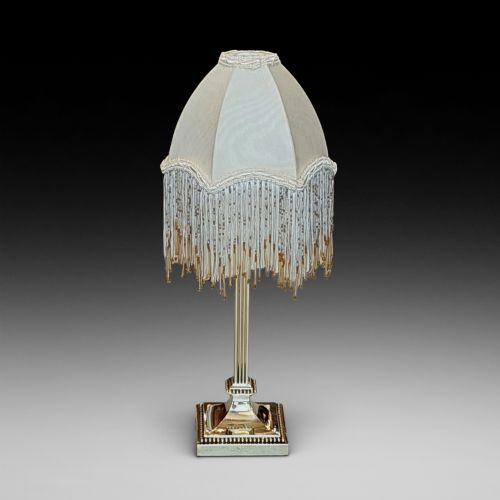
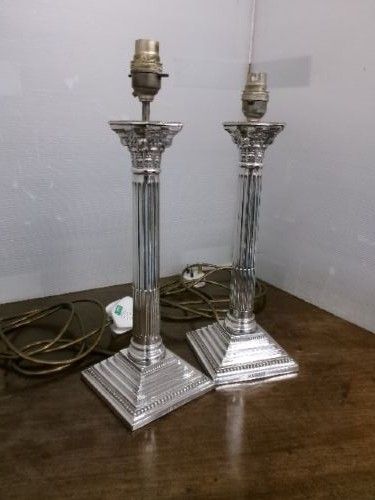
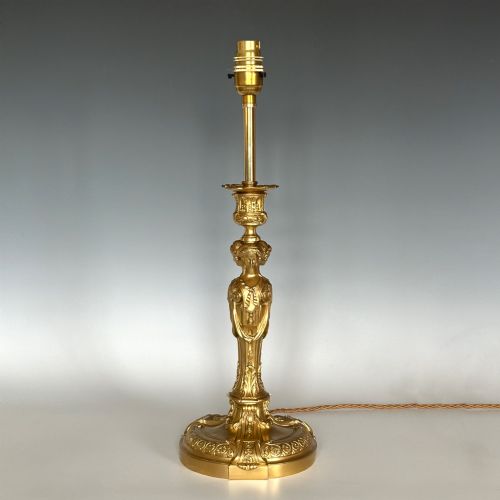
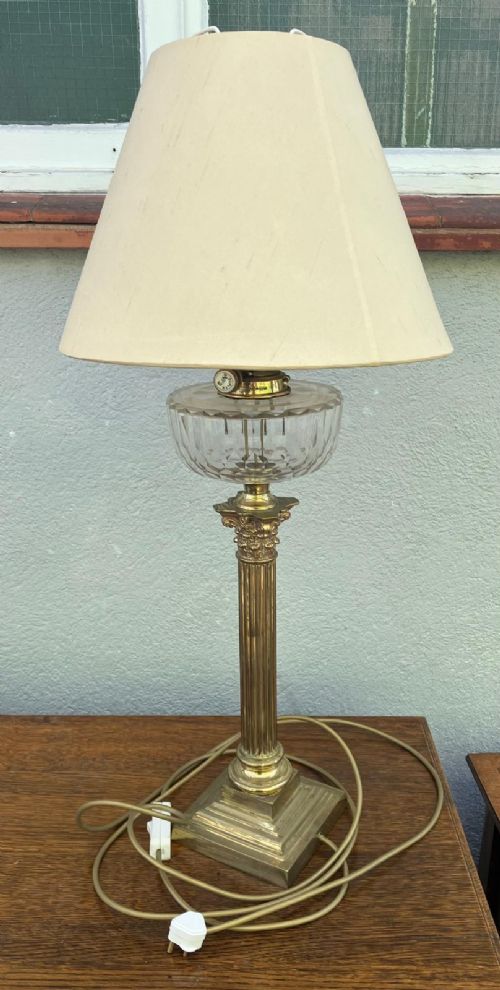
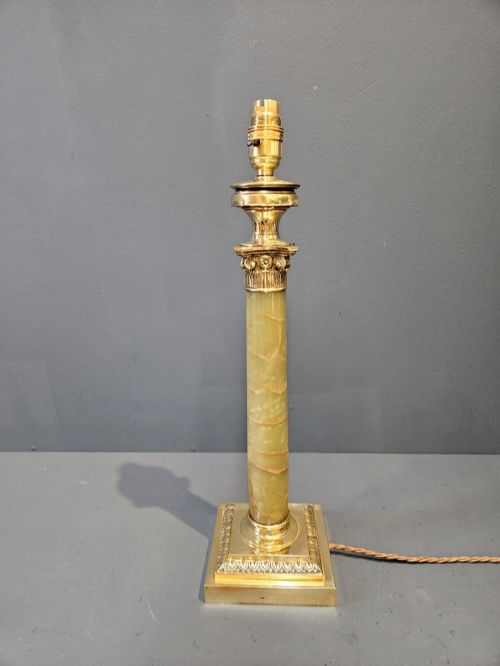
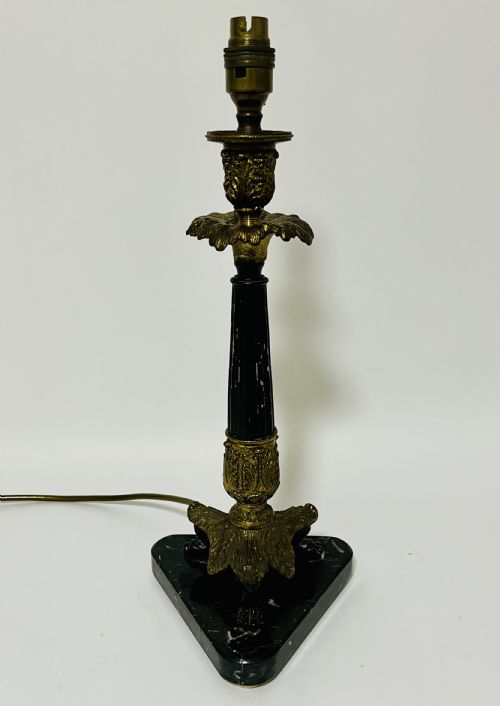
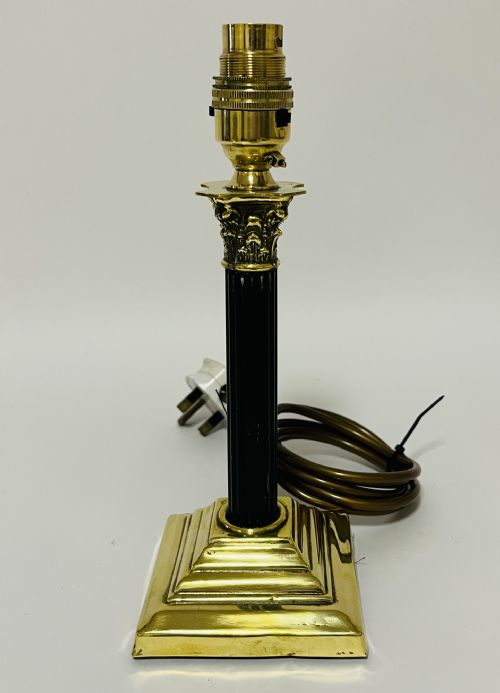
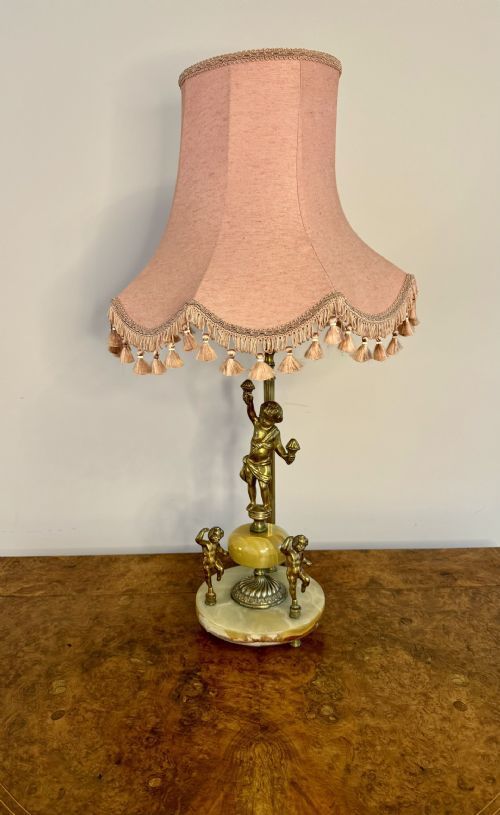
Edwardian Neoclassical Table Lamp
These edwardian neoclassical table lamp pieces bring classical column forms and refined period lighting into modern rooms.
Edwardian Neoclassical Table Lamp
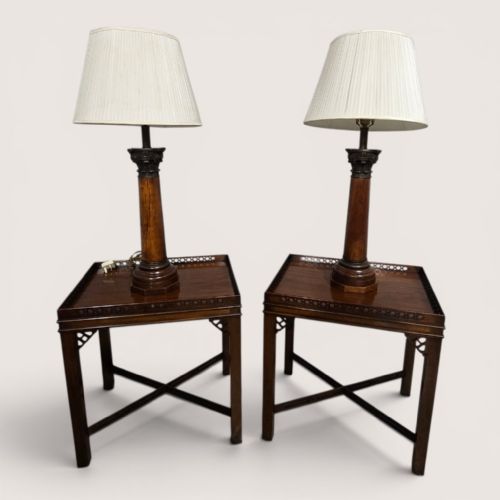
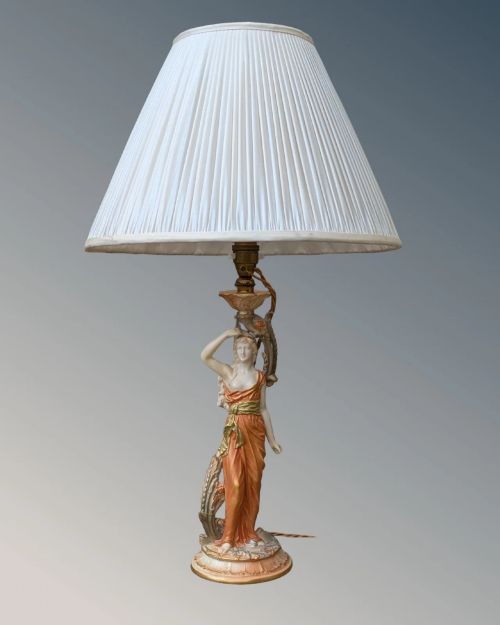
An edwardian neoclassical table lamp draws on classical architectural orders and eighteenth-century revivals. Buyers encounter columns, urns, and pedestal shapes spanning the Edwardian era, Victorian period, and early twentieth century.
Origins stretch across the late nineteenth and early twentieth centuries, with dated pieces settling around nineteen-ten and nineteen-twenty. Brass columns dominate the forms, accompanied by alabaster, marble, and porcelain bodies.
Materials and Construction
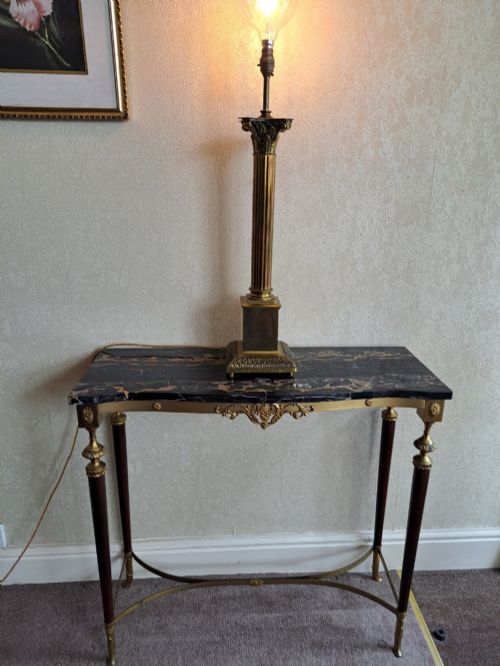
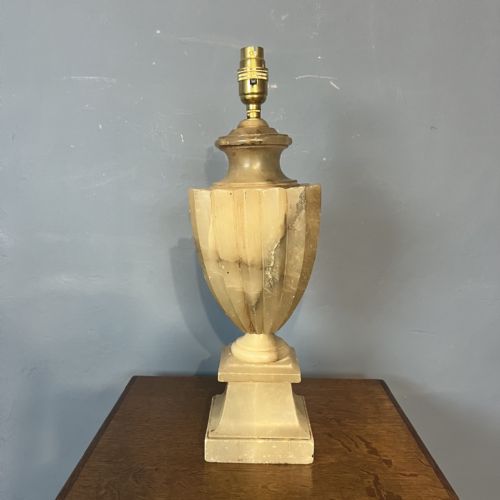
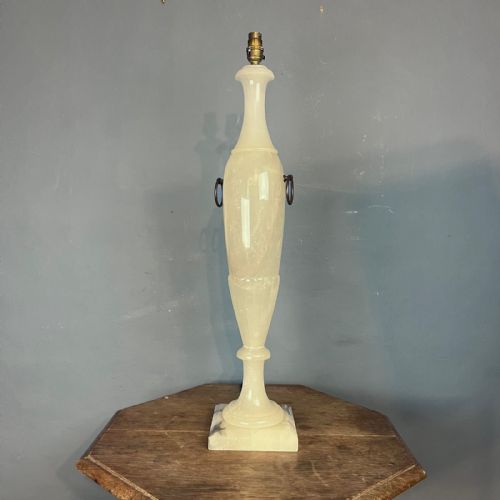
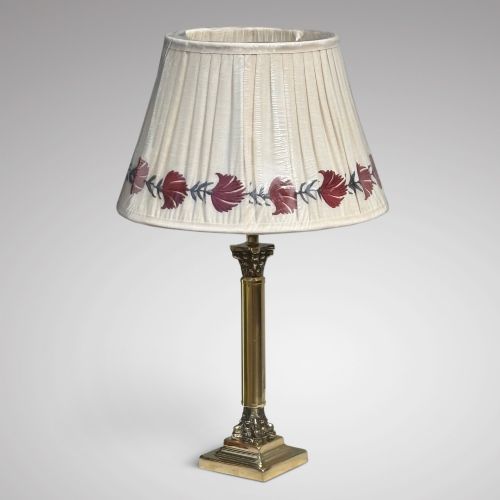
Foundry work and metal casting define the primary structures, using brass, silver plate, ormolu, and bronze to form fluted shafts and decorative capitals. These metals often pair with stone bases made from marble, alabaster, or onyx.
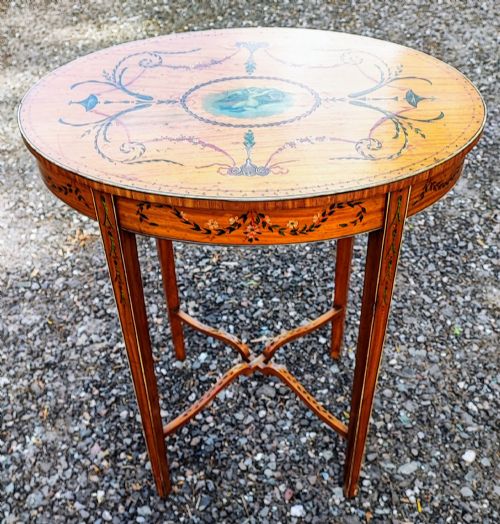
Cabinetmakers and decorators also utilised satinwood, oak, and mahogany for related occasional and centre tables, incorporating painted details and inlaid marquetry. Fabric, silk, and glass complete the lighting assemblies for shades and diffusers.
Several heavy brass columns come equipped with lion's paw feet, ensuring your desk lighting stands its ground against any unruly paperwork.
Quality and Execution
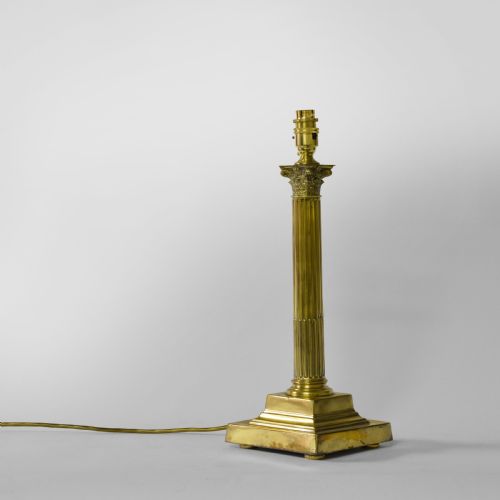
Precision in the metal casting separates standard columns from finer examples, particularly in the crispness of acanthus leaves on Corinthian capitals and the definition of reeded shafts. Heavier gauge brass and solid marble bases indicate superior workshop standards.
The integration of materials also dictates standing; pieces combining cast ormolu, bronze, or sterling silver with carefully turned stone show greater artisan commitment than simple spun brass tubes.
Walter Latham & Son·Dugourc
The Edwardian Neoclassical Table Lamp Glossary
- Corinthian column
- An architectural column order featuring an ornate capital decorated with acanthus leaves. This motif appears frequently on period lamp bases.
- Ormolu
- Gilded bronze produced through mercury amalgamation or electroplating during the eighteenth and nineteenth centuries. It gives metalwork a rich golden sheen.
- Satinwood
- A light-coloured tropical hardwood valued for its lustrous grain and used in fine cabinetmaking. It forms the primary surface for painted occasional tables.
- Alabaster
- A fine-grained, translucent stone carved into smooth urns and lamp bodies. It diffuses light softly when illuminated from within or above.
Edwardian Neoclassical Table Lamp: Frequently Asked Questions
What is an edwardian neoclassical table lamp?
An edwardian neoclassical table lamp is a period lighting fixture styled after ancient Greek and Roman architecture, commonly taking the form of a fluted brass column with a detailed capital.
These pieces reflect the Edwardian taste for formal symmetry and classical revival design, often standing on stepped square bases.
How do I date a brass column lamp?
Dating relies on examining the construction methods, wiring channels, weight, and wear patterns on the metal components. Victorian and Edwardian examples typically feature heavy cast brass rather than lightweight modern stamped metal.
Makers' marks, switch types, and base construction details further help narrow the decade of manufacture between eighteen-eighty and nineteen-thirty.
Were these always electric lamps?
Many surviving examples began as oil lamps before being converted to electricity during the twentieth century. The original burners and reservoirs were replaced with lamp holders and wiring while retaining the decorative metal column.
Some heavy metal and alabaster columns were manufactured specifically for early electric bulbs as electricity became standard in homes.
How do I style these lamps at home?
These lamps suit traditional and transitional interiors, adding height and architectural interest to side tables, desks, or mantelpieces. Their metallic finishes and stone bases introduce texture and a sense of history to a room.
Pairing them with simple fabric shades maintains focus on the classical column base without cluttering the silhouette.