

Edwardian Mirrored Armoire
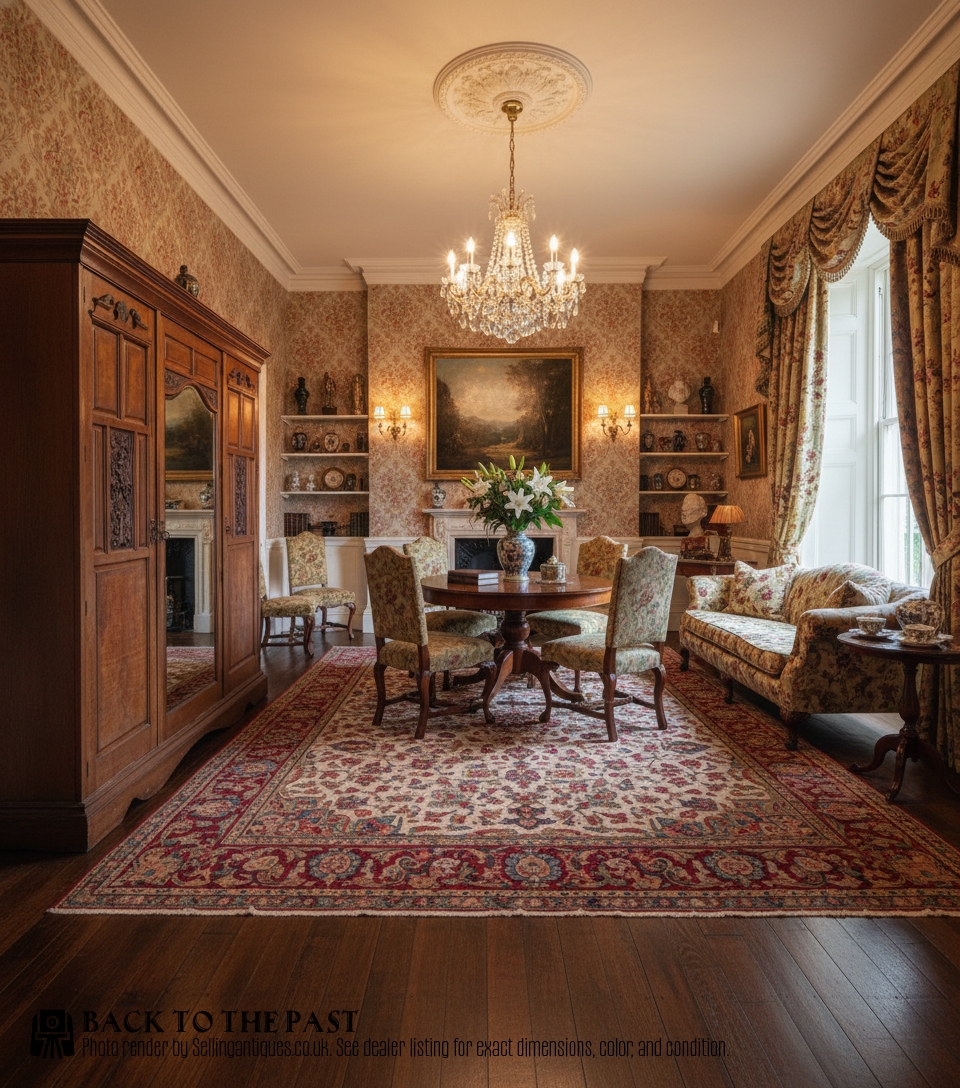
An edwardian mirrored armoire brings generous hanging space and a full-length glass panel to a bedroom.
Edwardian Mirrored Armoire
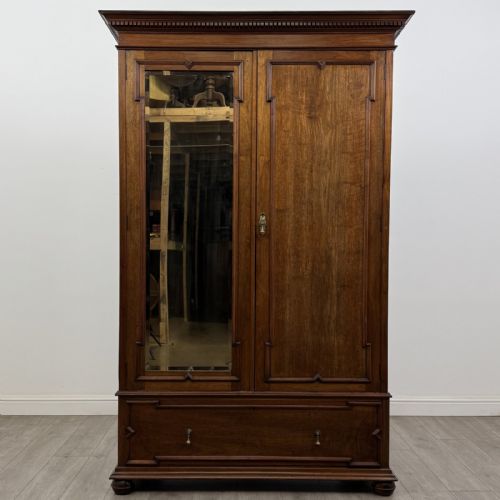
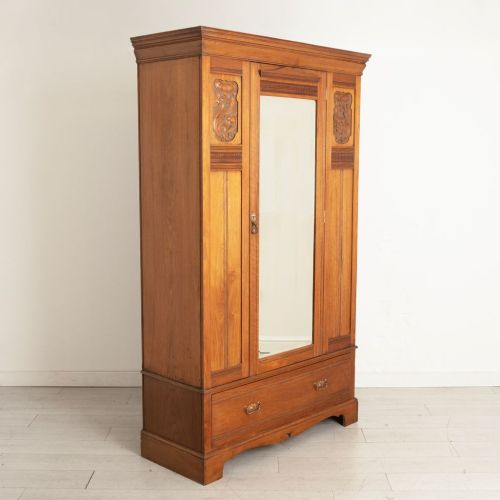
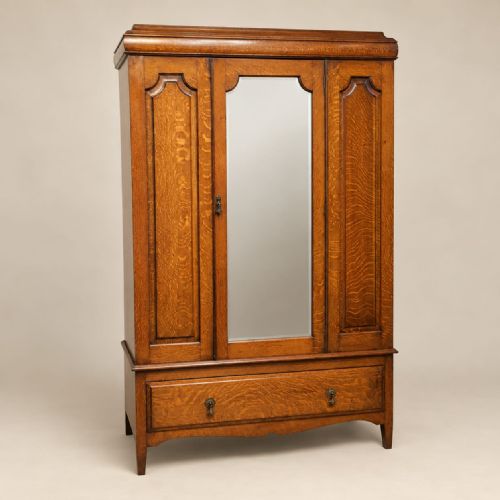
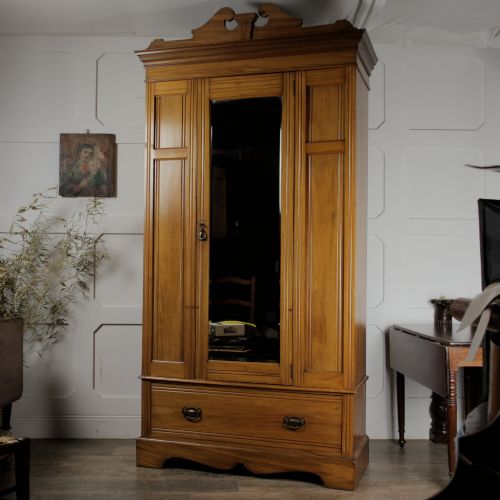
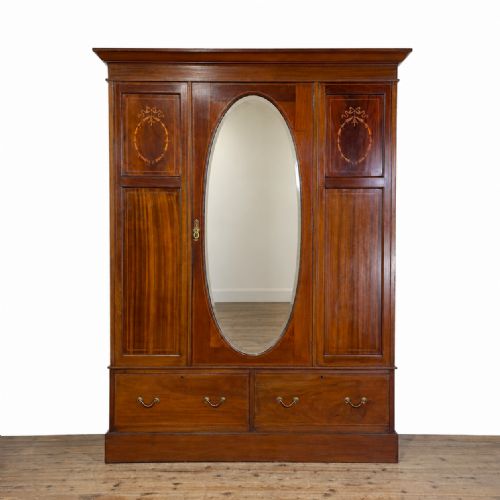
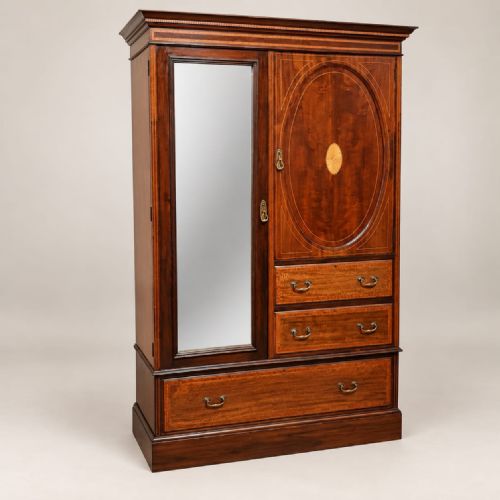
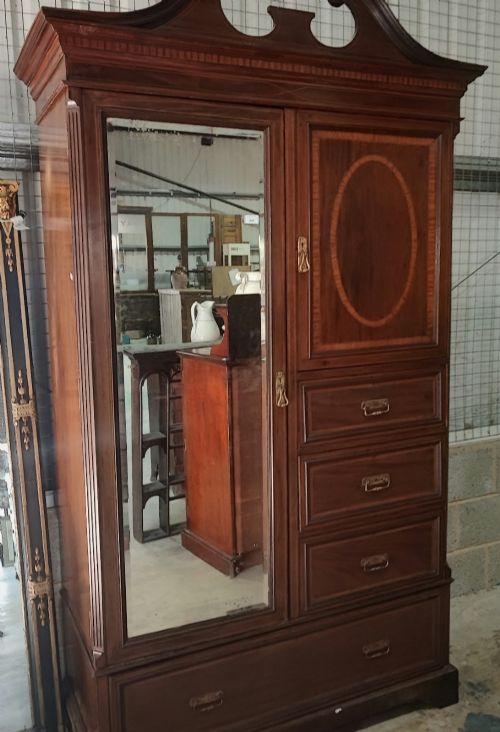
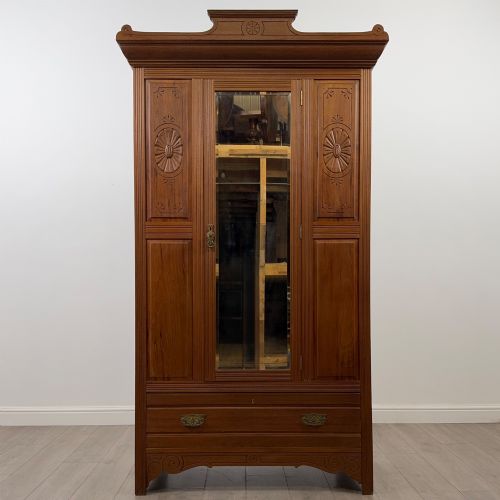
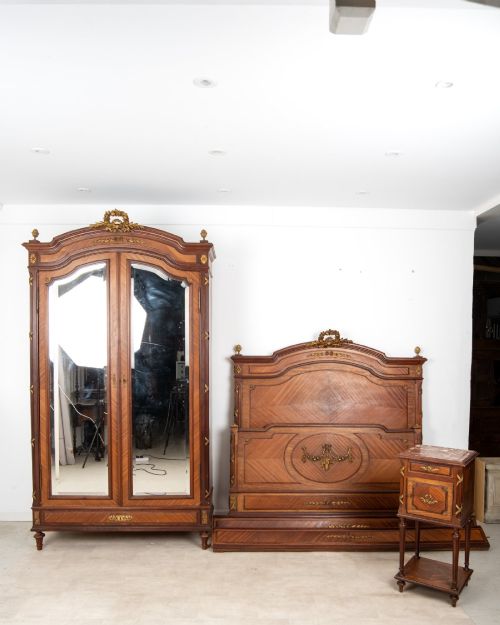
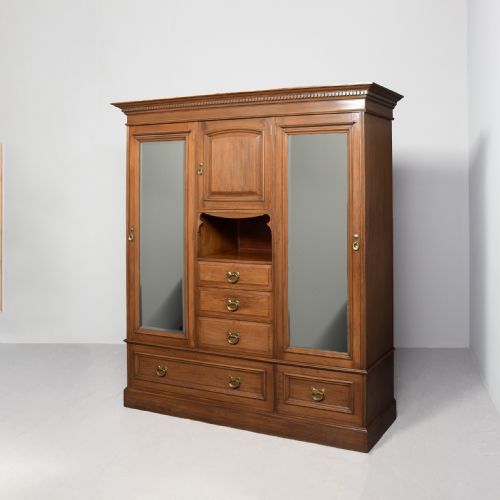
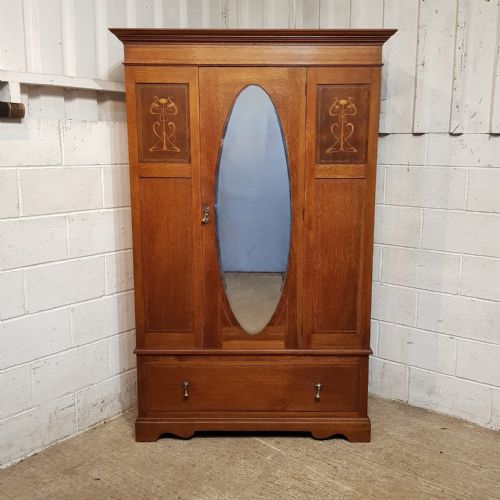
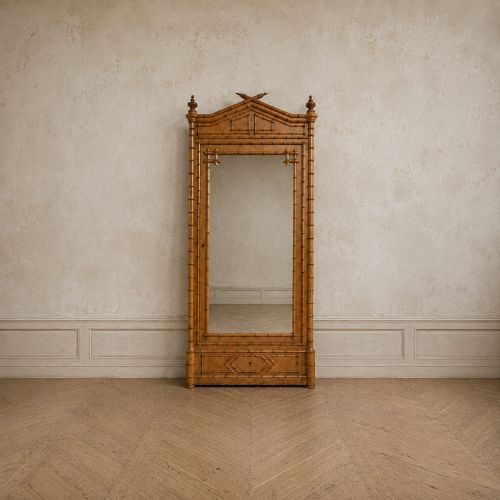
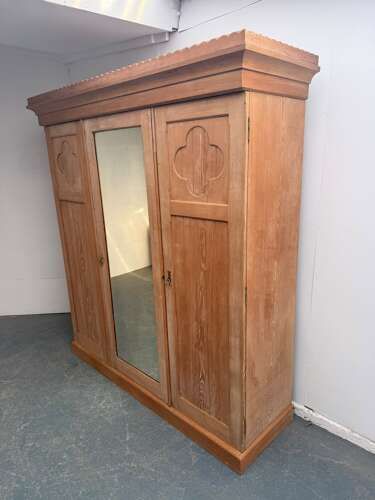
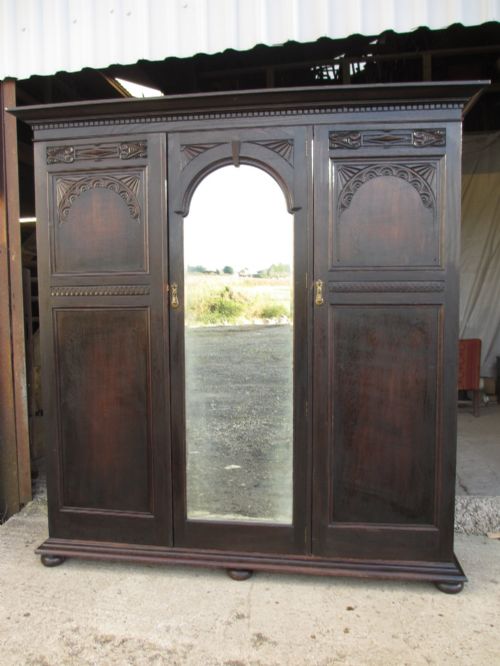
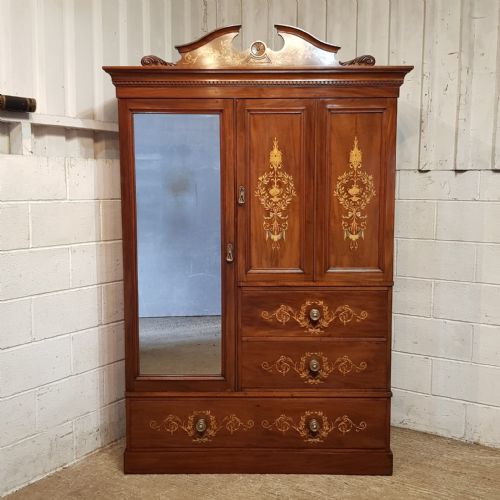
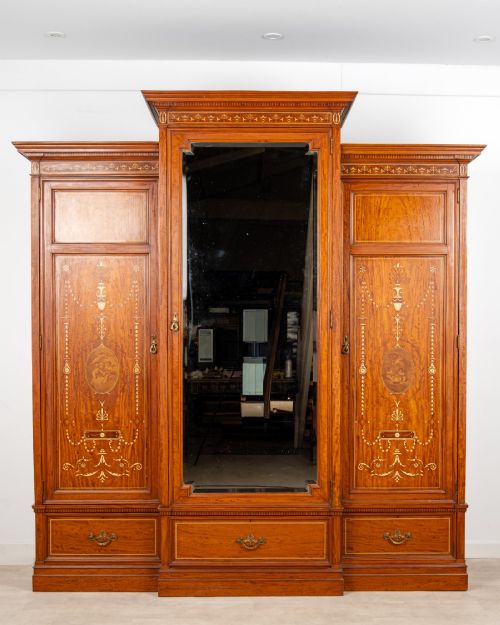
The edwardian mirrored armoire stands as a substantial piece of bedroom furniture designed to store garments while reflecting light into the room through its central glass door. These pieces span single, double, and triple configurations, often incorporating drawers or compartments within a compactum layout.
Most examples found on this page date from the Edwardian era and the turn of the twentieth century, with related Victorian and early twentieth-century iterations appearing frequently. Makers and workshops constructed these wardrobes to serve as the focal point of domestic sleeping quarters.
How they were made
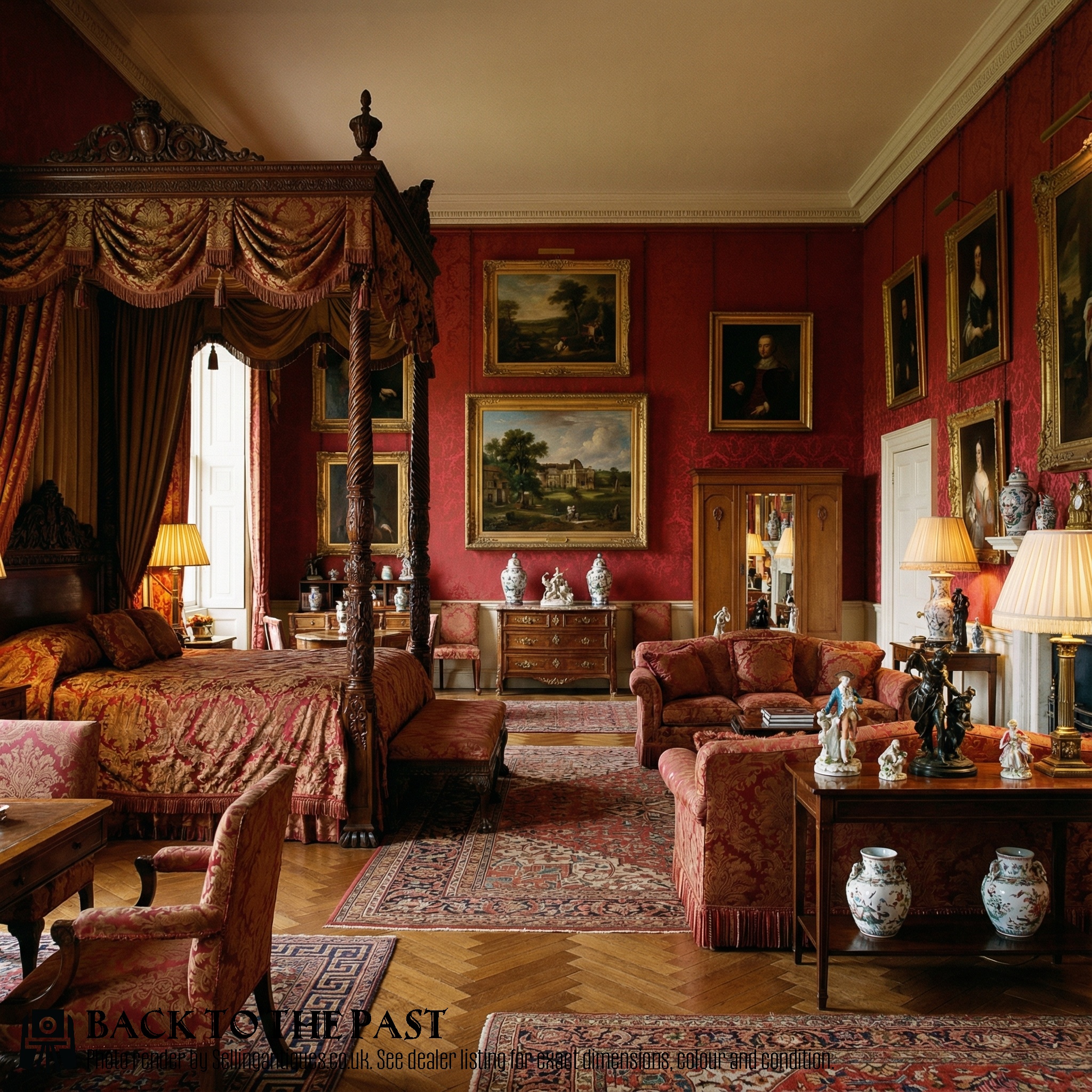
Cabinet makers utilised a foundation of solid timbers such as mahogany, oak, walnut, ash, and satinwood, frequently applying veneers of burr walnut or bird’s eye maple to prominent surfaces. Brass hardware secures the doors and internal fittings, while bevelled mirror glass is set securely into the central panel.
Edwardian Mirrored Armoire Retail Price Guide 2026
Typical asking prices for edwardian mirrored armoire among the pieces listed under this phrase on Sellingantiques today, from the lower quarter to the upper quarter. They describe what is for sale here now, not the wider market.
Some gentlemen's wardrobes include secret tie compartments hidden behind sliding panels.
What varies in quality
Quality separates pieces through the selection of timber figures and the intricacy of the cabinet work, such as hand-carved mouldings and precise inlay. Combination wardrobes with fitted internal drawers and multiple sections demonstrate higher levels of joinery skill than simple single-door carcasses.
The integration of the mirror glass and the weight of the timber doors dictate structural stability over decades of use. Superior examples retain original brass handles, locks, and fitted interior elements without later modifications.
Edwards and Roberts·Shapland and Petter·Lamb of Manchester·Maple and Co·Wylie Lochhead
The Edwardian Mirrored Armoire Glossary
- Compactum wardrobe
- A fitted multi-section wardrobe combining hanging space, internal drawers, and shelves within a single carcass. This layout provides comprehensive storage for various types of clothing.
- Combination wardrobe
- A piece of bedroom furniture that joins wardrobe hanging compartments with a chest of drawers or a cupboard section. It offers versatile storage configurations within one unified case.
- Inlay
- A decorative technique where contrasting pieces of wood or other materials are inserted into recessed portions of a timber base. This creates flat ornamental patterns across the doors and panels.
- Bevelled mirror glass
- Glass with edges cut and polished at an angle to create a framed optical border. This treatment adds depth and a decorative finish to the mirrored door.
- French polish
- A shellac finish applied in numerous thin layers using a rubbing pad to achieve a high gloss. It enhances the natural grain and colour of the underlying wood.
Edwardian Mirrored Armoire: Frequently Asked Questions
How do I clean the mirror glass?
Use a soft cloth and a mild glass cleaner sprayed onto the cloth rather than directly onto the glass. This prevents moisture from seeping behind the silvered backing or damaging the surrounding timber frame.
Avoid abrasive materials or harsh chemicals that can scratch the antique glass surface or degrade the wooden mouldings holding the mirror in place.
Are these wardrobes easy to dismantle?
Many large wardrobes and compactums were constructed to be taken apart for transport and installation in upper-floor bedrooms. Cornices, plinths, and side panels often separate from the main backboards and doors.
Marking each dismantled component during disassembly ensures straightforward reassembly and maintains the alignment of original hinges and locks.
How do I distinguish Edwardian from Victorian styles?
Edwardian pieces generally exhibit lighter timbers, simpler lines, and brighter satinwood or ash finishes reflecting a shift toward airier domestic interiors. Victorian examples tend to use heavier dark mahogany or oak with dense carving and formal proportions.
Overlap occurs around the turn of the century, where transitional pieces combine late Victorian robust construction with emerging Edwardian brightness.