
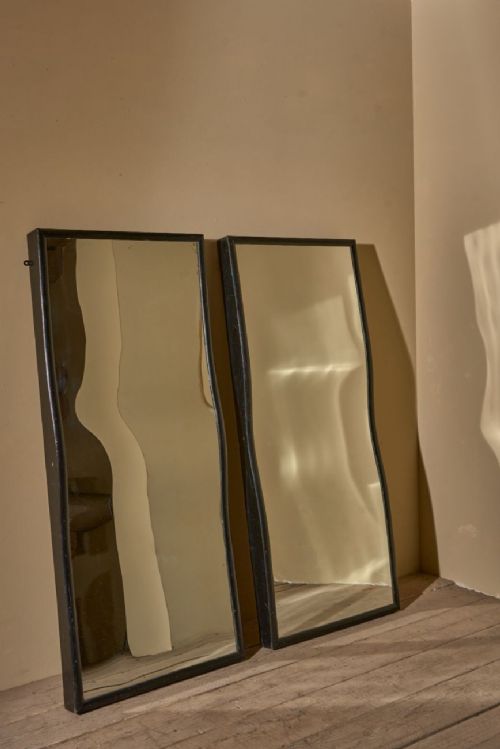
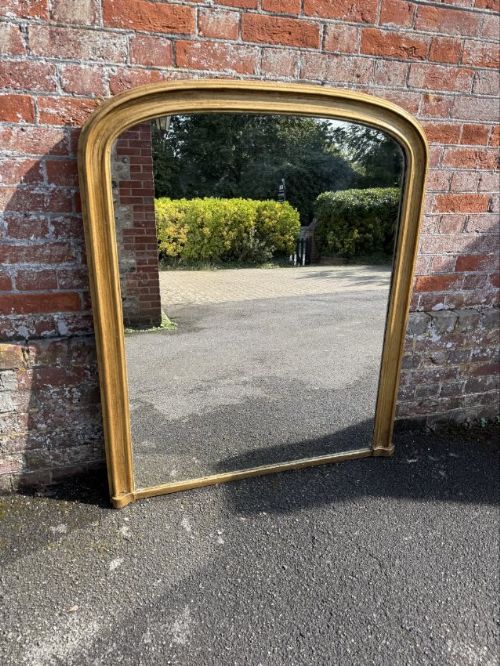
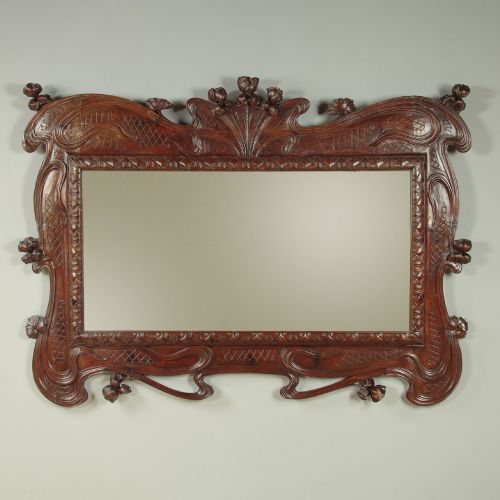
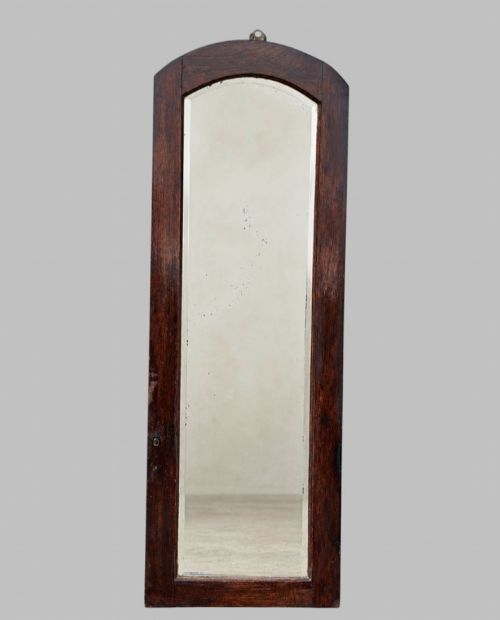
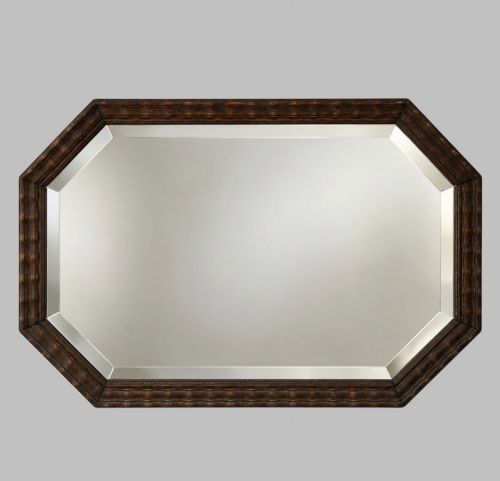

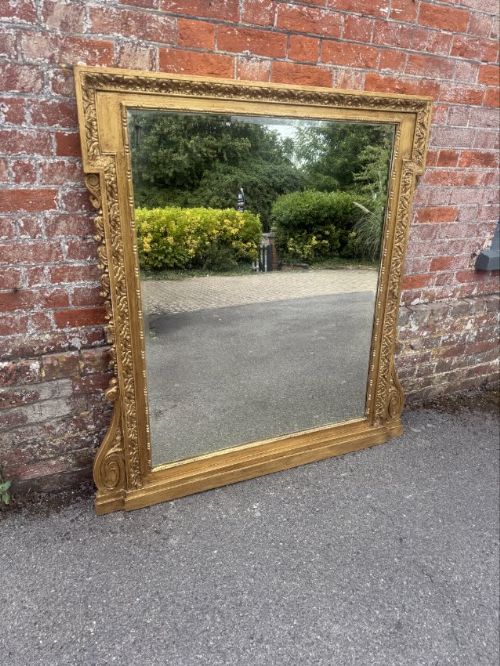
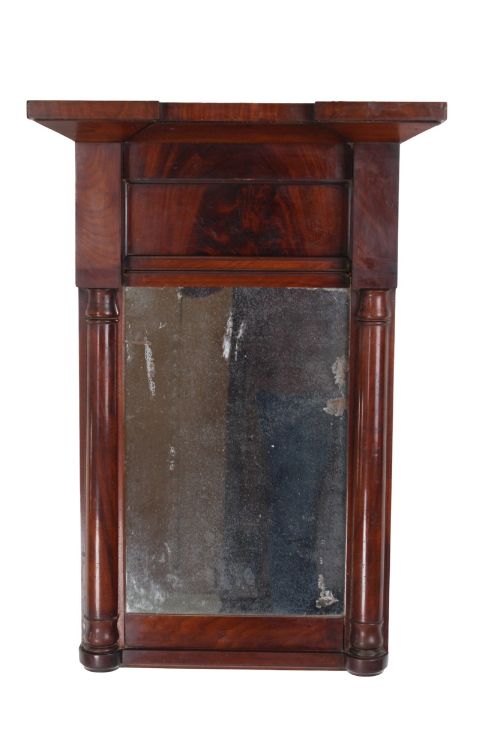
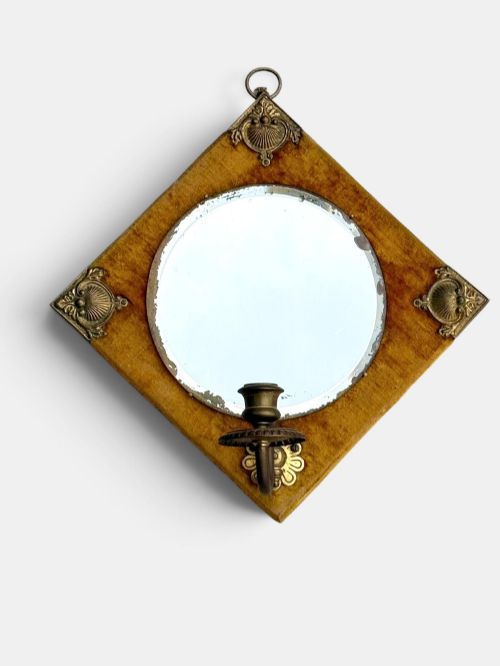
Edwardian Mirror Frame
When you search for an edwardian mirror frame, you enter a diverse landscape of domestic woodwork, gilt finishes, and metalwork spanning the early twentieth century.
Edwardian Mirror Frame
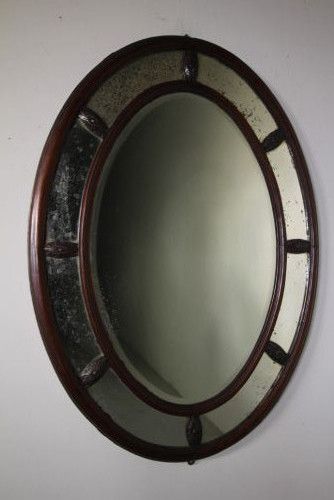
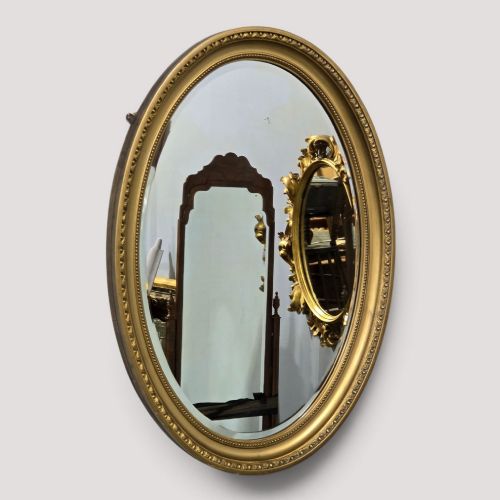
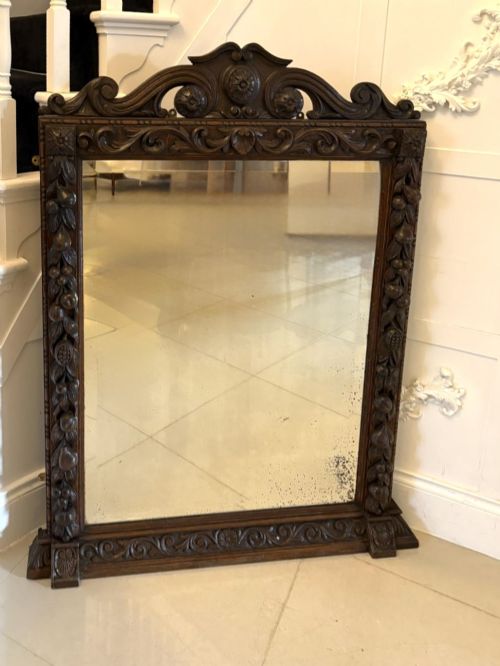
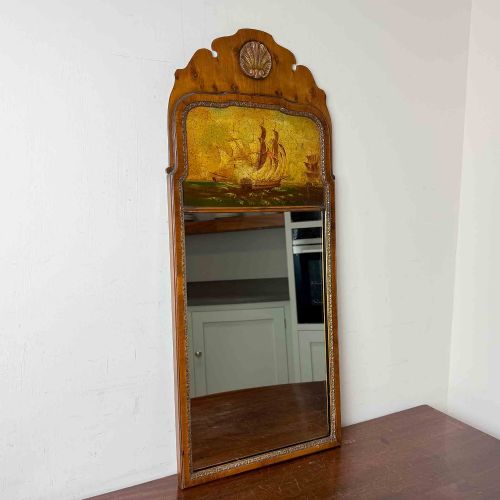
An edwardian mirror frame brings together wall-hung pieces, oval dressing mirrors, and substantial overmantels produced during the opening decades of the twentieth century. These objects served functional daily grooming roles and decorative interior purposes in period homes.
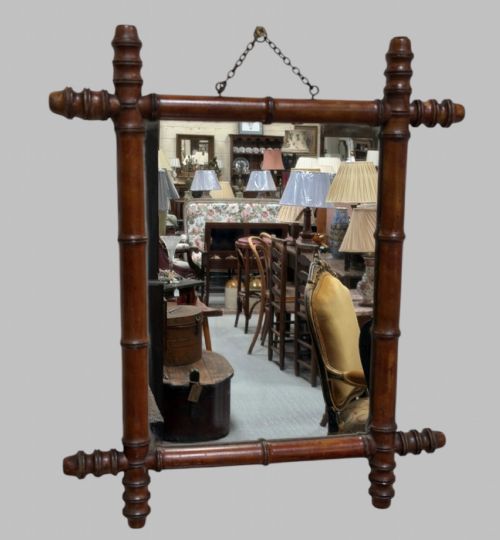
The selections encountered here range from simple oak and mahogany domestic wall mirrors to elaborate carved gilt frames and metalwork designs associated with the Arts and Crafts movement.
How they were made
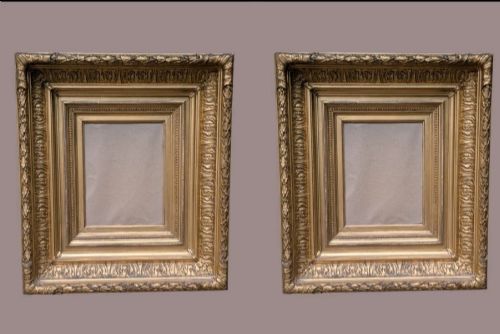
Craftsmen utilised native and imported timbers such as oak, mahogany, and walnut alongside giltwood and gesso to construct structural surrounds. Metal elements like beaten copper, brass mounts, and sterling silver frequently appeared on decorative Arts and Crafts and dressing table pieces.
Makers integrated bevelled glass plates into wooden and metal rebates, securing them with traditional joinery methods appropriate to each workshop tradition.
Listings feature oak, mahogany, walnut, copper, and giltwood pieces spanning the late nineteenth century into the 1920s.
What varies in quality
The depth and crispness of carved wood ornamentation separate standard production items from finely articulated examples. Superior pieces display careful attention to proportion, timber grain selection, and metalwork detailing.
The integrity of original gilding, the presence of genuine bevelled glass plates, and the preservation of original backing boards influence the character of an individual frame.
Waring & Gillow·Liberty & Company·William Comyns
The Edwardian Mirror Frame Glossary
- Gesso
- A plaster-based material applied to wooden frames as a smooth base for subsequent gilding. It allows for intricate moulded decoration.
- Bevelled glass
- A mirror plate with edges cut and polished at an angle to create a framed optical border. This technique adds depth to the reflection.
- Cheval mirror
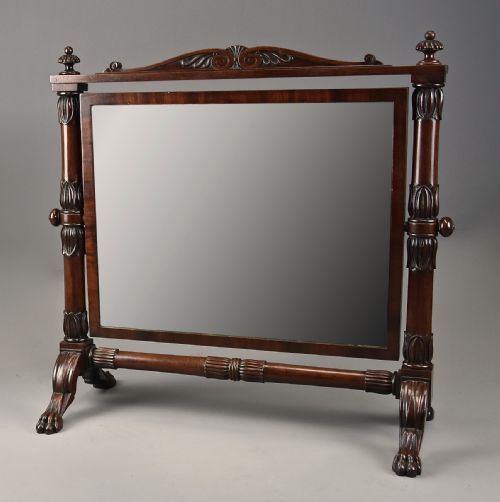
- A full-length dressing mirror suspended on a vertical swivelling frame between two upright pillars. It allows the user to adjust the viewing angle.
- Overmantel mirror
- A large mirror designed to hang specifically above a fireplace mantelpiece. These pieces often anchor the decorative scheme of a principal room.
- Arts and Crafts
- A design movement valuing handcraftsmanship, simple forms, and honest materials. It rejected mass-produced industrial ornamentation in favour of visible artistic labour.
Edwardian Mirror Frame: Frequently Asked Questions
Where were these mirrors placed?
These mirrors found placement across various domestic spaces, from overmantels in principal reception rooms to dressing tables in bedrooms. Smaller examples served specific utilitarian roles in entrance halls and vanity areas.
Their placement depended largely on scale, with large overmantels anchoring main living spaces while cheval mirrors stood freely in dressing quarters.
How do I identify an Edwardian frame?
Edwardian frames typically display lighter timbers, cleaner lines, and distinct stylistic revivals compared to heavy Victorian predecessors. Common indicators include oak, walnut, or mahogany construction alongside inlaid details and specific metal mountings.
Examining the construction methods, backboards, and glass bevels helps confirm the period of manufacture alongside stylistic cues.
How do I hang a heavy wall mirror?
Heavy wall mirrors require secure fixings anchored directly into structural wall studs or masonry rather than standard plasterboard hooks. Utilising robust wire or brackets distributed across the frame weight ensures safe suspension.
Professional installation is often advised for large overmantel mirrors due to their substantial timber and glass weight.