
Edwardian Mirror Cabinet
When you search for an edwardian mirror cabinet, you are looking for practical domestic furniture that combines storage with reflective glass.
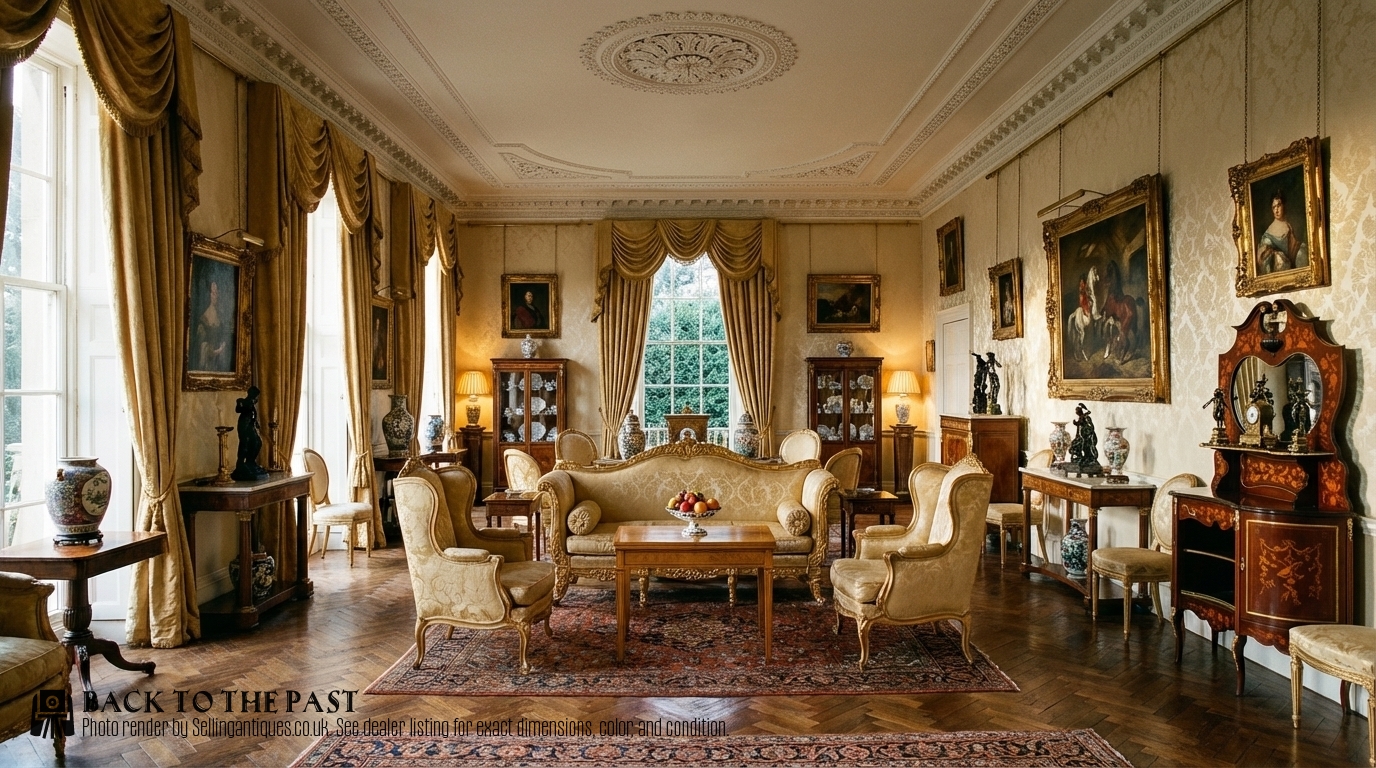
Edwardian Mirror Cabinet
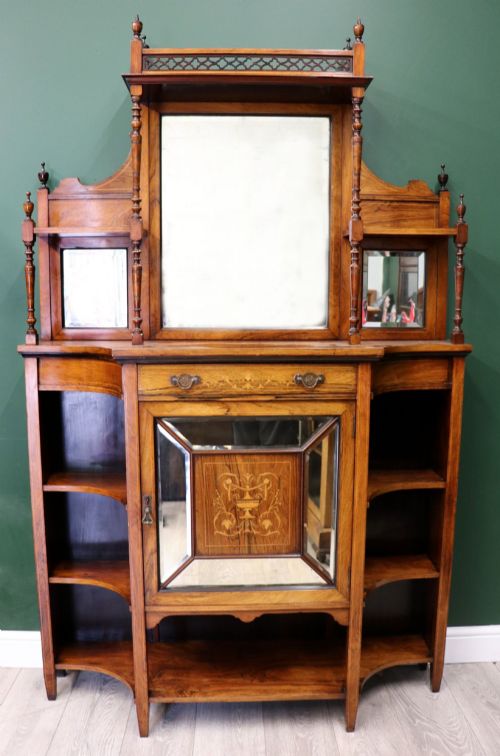
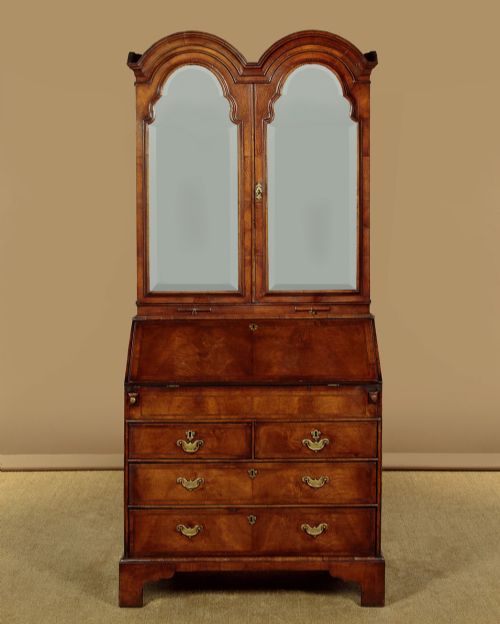
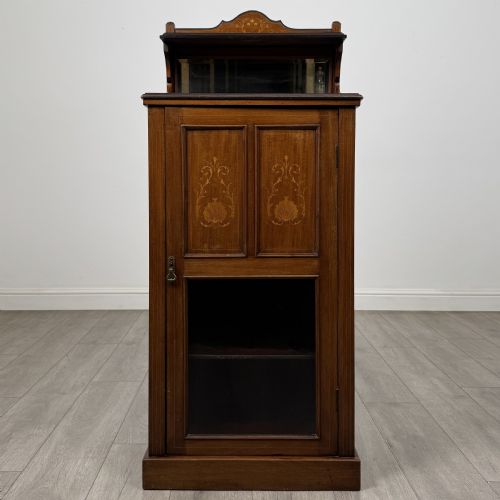
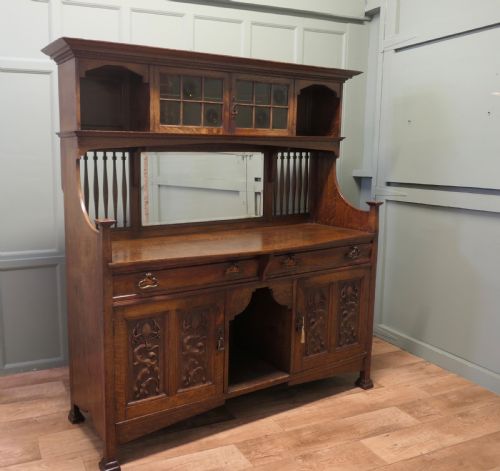
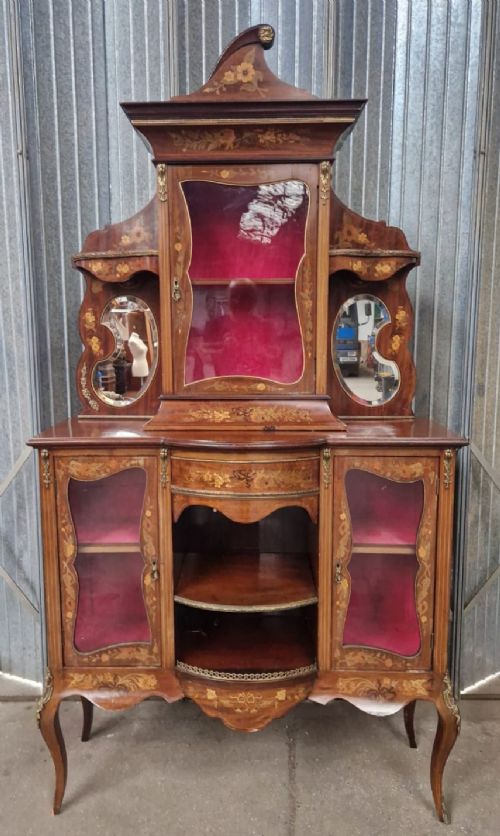
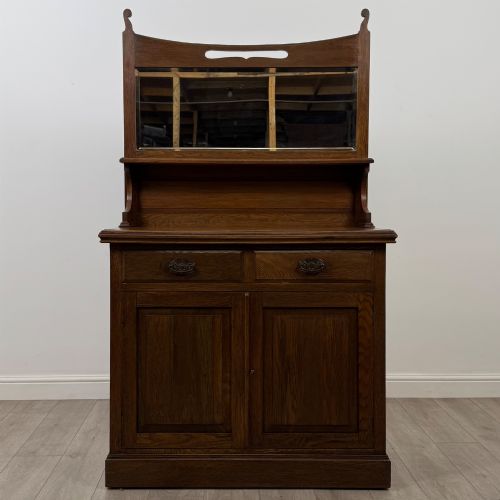
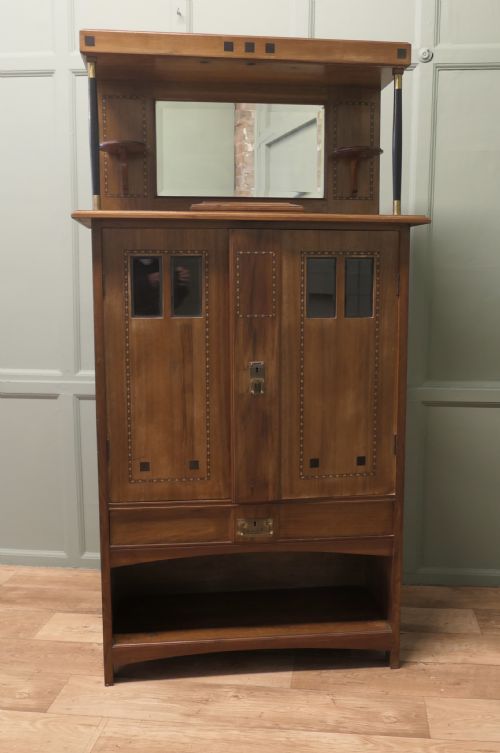
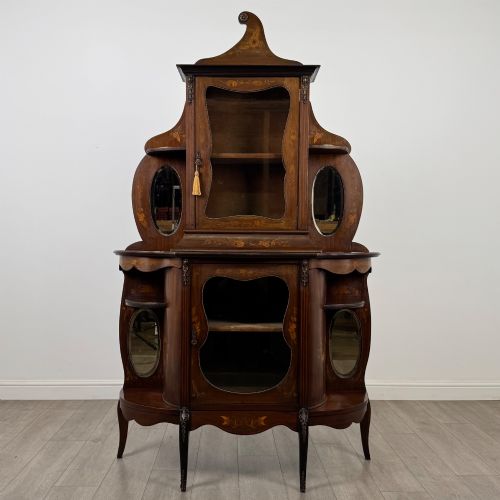
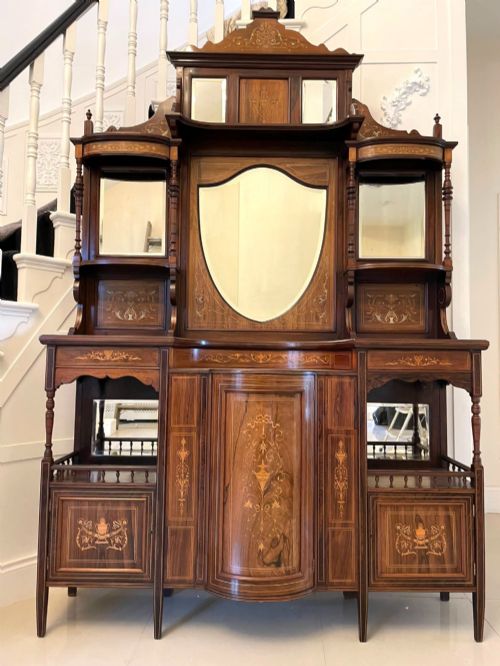
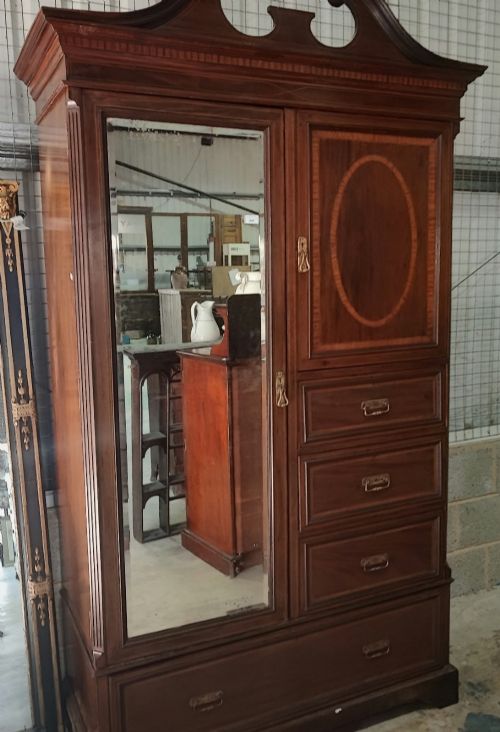
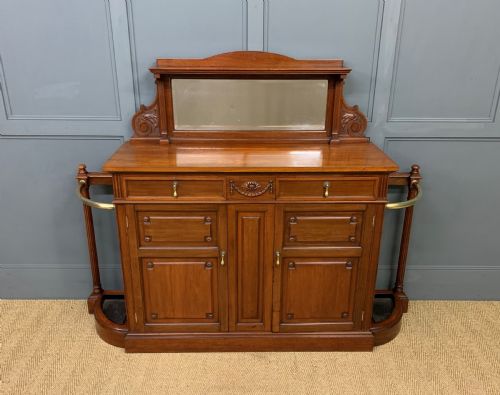
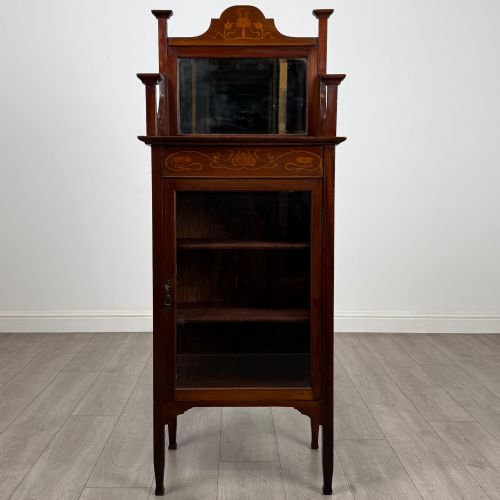
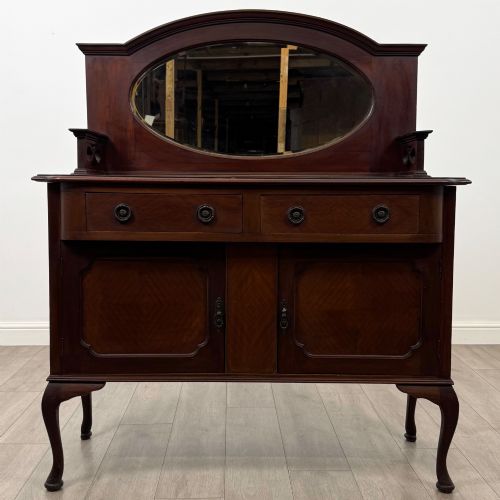
An edwardian mirror cabinet is a form of domestic storage furniture that incorporates mirrored glass into its doors, panels or pediments. The pieces seen here span the Edwardian era, the Victorian period and the early twentieth century, appearing in forms such as wall-mounted cupboards, music cabinets, sideboards and display cabinets.
The version you are most likely to meet on this page is constructed from mahogany, often enhanced with lighter wood inlays, featuring an integrated mirror plate above a cupboard or shelving section. These items served functional roles in bedrooms, halls and living spaces to reflect light and assist with daily grooming.
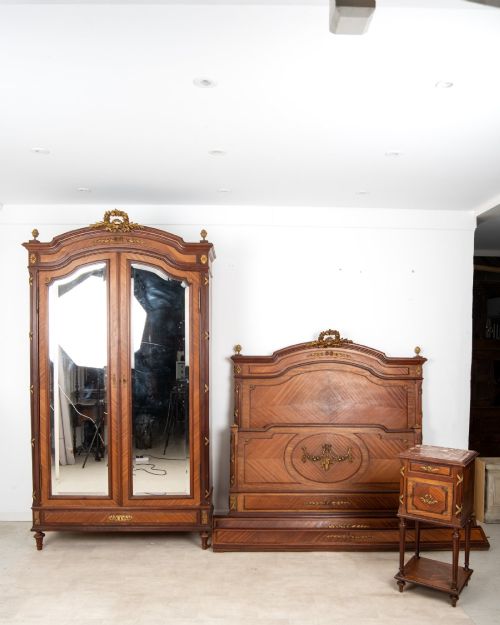
Makers and retailers from these periods produced variations ranging from compact corner cupboards to large mirrored armoires and dressing chests. The integration of mirror glass serves both a practical purpose and a decorative function, breaking up heavy timber surfaces with reflective depth.
How they were made
Cabinet makers utilised solid timbers and veneers such as mahogany, oak, walnut, rosewood and satinwood over supportive pine or structural frames. Panels were joined using traditional methods to accommodate the weight of glass inserts and brass fittings.
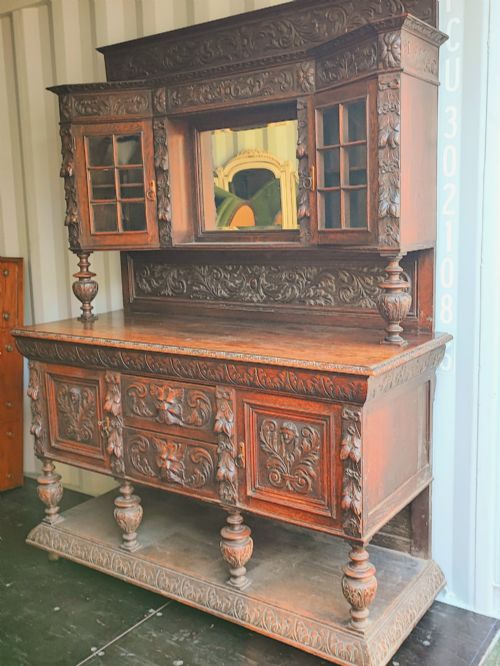
Surfaces were frequently embellished with marquetry and contrasting wood inlays, alongside carved details or gilt metal mounts depending on the prevailing style. Mirror plates were bevelled by hand and secured into rebated doors or backing boards using wooden glazing bars or brass clips.
Listings feature woods including mahogany, oak, walnut, rosewood, satinwood and bird’s eye maple across various cabinet forms.
What varies in quality
The standard of an edwardian mirror cabinet depends on the selection of timber veneers and the precision of the cabinet work. Superior examples demonstrate tight joinery, balanced proportions and high-grade mahogany or burr walnut with clean grain patterns.
Quality is also evident in the thickness and clarity of the original mirror glass, alongside the craftsmanship involved in inlay work and carving. Pieces originating from recognised workshops often display finer finishing details on interior shelving and backboards.
Edwards and Roberts·Shoolbred & Co·Waring & Gillows
The Edwardian Mirror Cabinet Glossary
- Marquetry
- A decorative technique where small pieces of veneer are assembled to form pictorial or geometric patterns on timber surfaces. This method adorns many cabinet doors and panels.
- Pediment
- The architectural structure surmounting the top of a cabinet or wardrobe. On mirrored pieces, this section frequently holds an oval or rectangular mirror plate.
- Compactum
- A large fitted wardrobe combining hanging space, drawers and shelving within a single unit. These multi-functional pieces often incorporate mirrored doors.
- Chiffonier
- A low sideboard or cupboard featuring a raised shelf or mirror back. They emerged during the nineteenth century for living room storage.
- Art Nouveau
- A decorative arts style characterised by organic, flowing lines and natural motifs. Pieces from this movement often employ stylized floral inlays on timber surfaces.
Edwardian Mirror Cabinet: Frequently Asked Questions
What rooms suit an edwardian mirror cabinet?
These cabinets suit bedrooms, hallways and living rooms where reflective glass helps to bounce natural light around the space.
Smaller wall-mounted or table-top versions fit narrow corridors or dressing areas, while larger freestanding units anchor a primary bedroom.
How do I care for the mirror glass?
Clean the mirrored surfaces gently using a soft cloth and mild glass cleaner, avoiding abrasive materials that might scratch the silvering.
Take care to prevent moisture from seeping behind the glass plate edges during cleaning to protect the original backing.
Are the shelves inside usually adjustable?
Many display cabinets and cupboards feature adjustable wooden or glass shelving supported by brackets or rack strips.
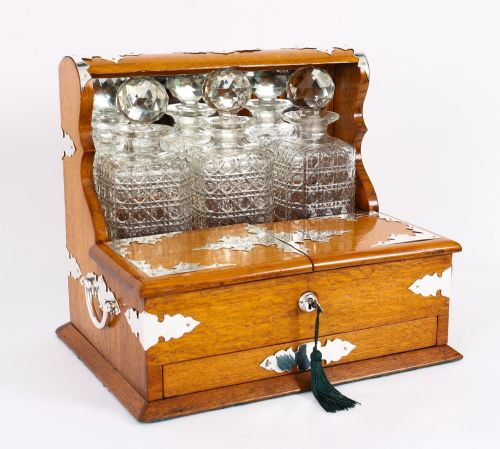
This adaptability allows storage of items of varying heights, from tall decanters to small books and ornaments.
How do I distinguish Edwardian from Victorian styles?
Edwardian furniture generally exhibits lighter timbers such as satinwood, golden oak and slender mahogany proportions with refined inlays.
Victorian pieces tend toward heavier, darker woods, deeper carvings, and more substantial cornices and mirror frames.