
Edwardian Dressing Stand
An edwardian dressing stand brings period grace to a bedroom, offering a functional place to groom with mirrors, stands, or washbasins.
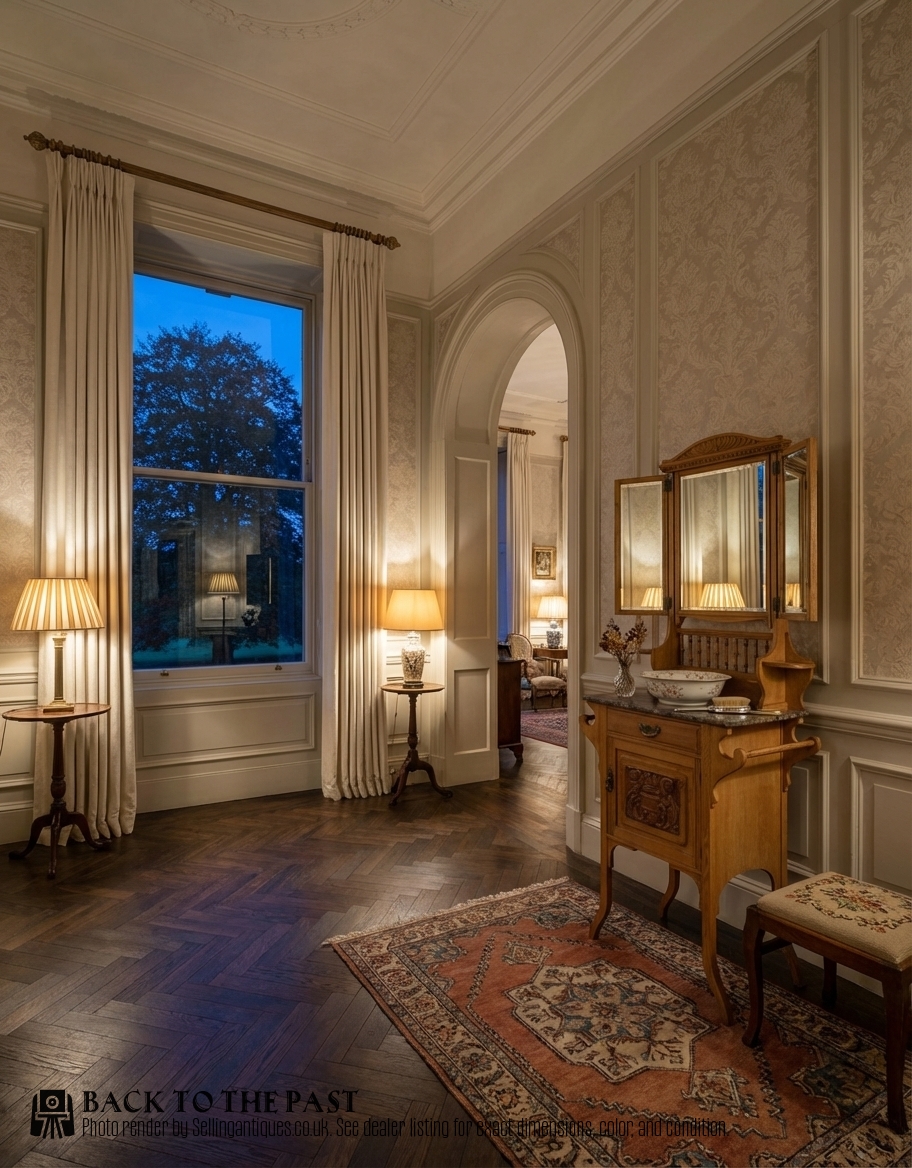
Edwardian Dressing Stand
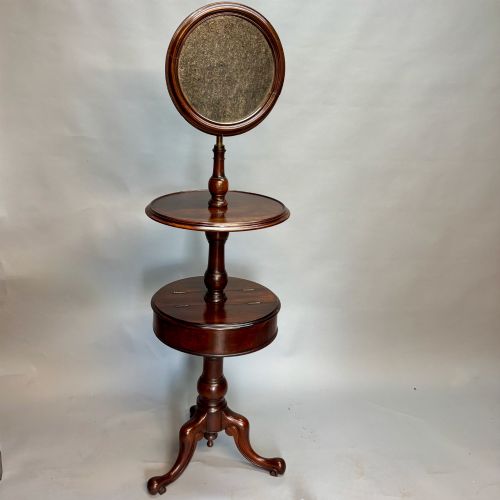
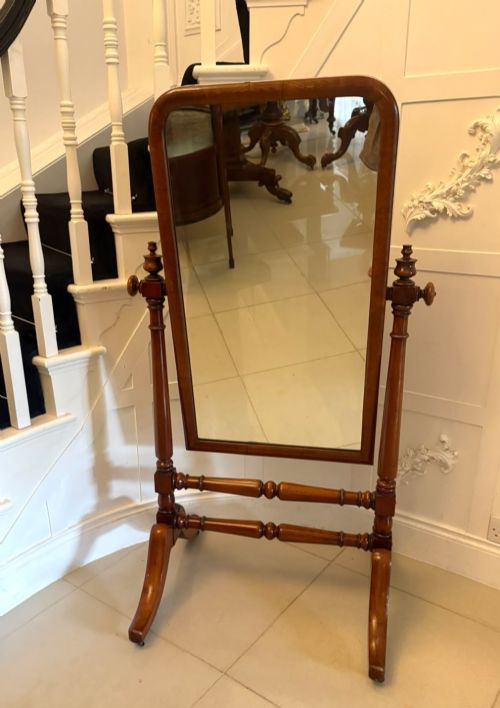
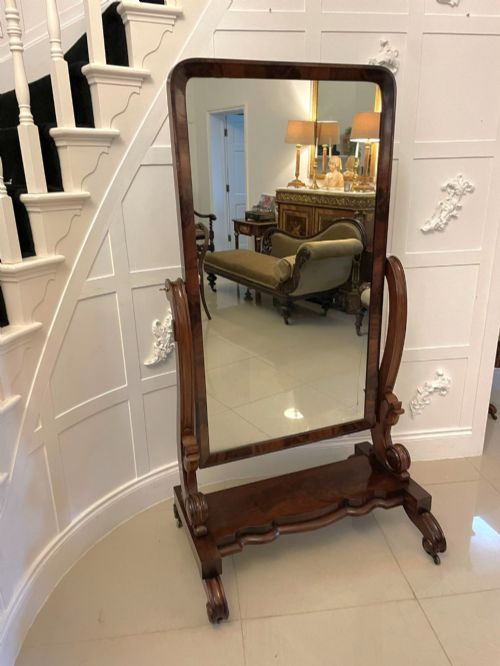
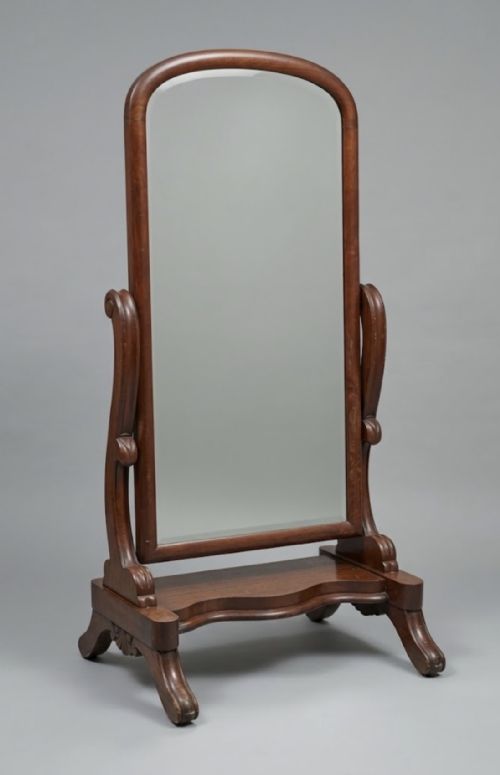
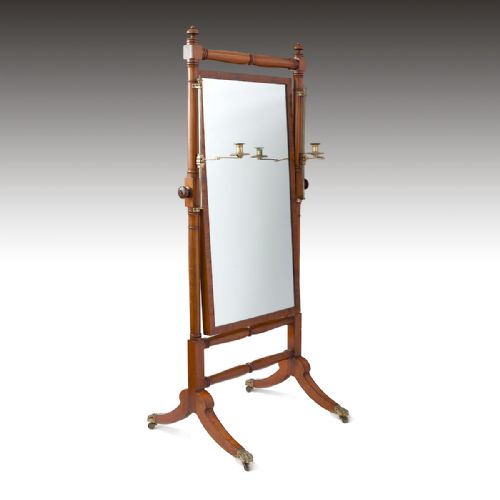
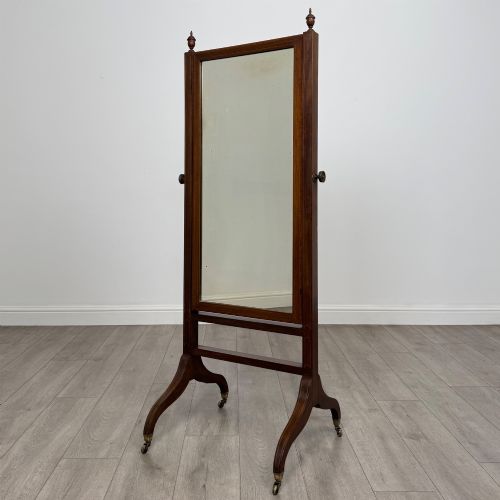
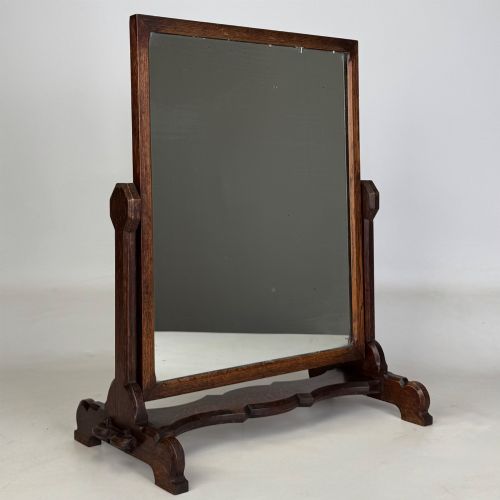
When searching for an edwardian dressing stand, you encounter a variety of pieces designed for personal grooming and bedroom utility. These range from tall floor-standing cheval mirrors and toilet mirrors to shaving stands and marble-top washstands.
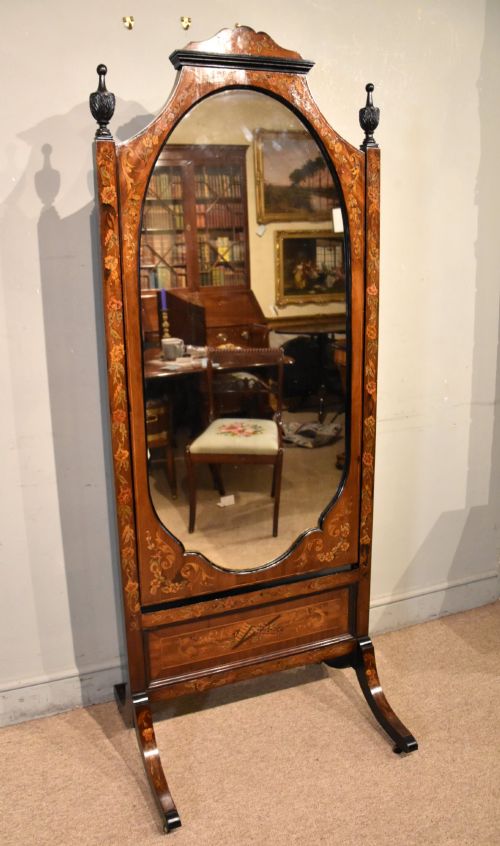
The version you are most likely to meet on this page is an edwardian or late victorian mahogany or satinwood piece, often featuring inlaid details, adjustable frames, or associated washing facilities.
How they were made
Cabinet makers constructed these pieces primarily from solid timbers and veneers such as mahogany, oak, walnut, and satinwood, frequently embellishing them with marquetry inlay or brass hardware.
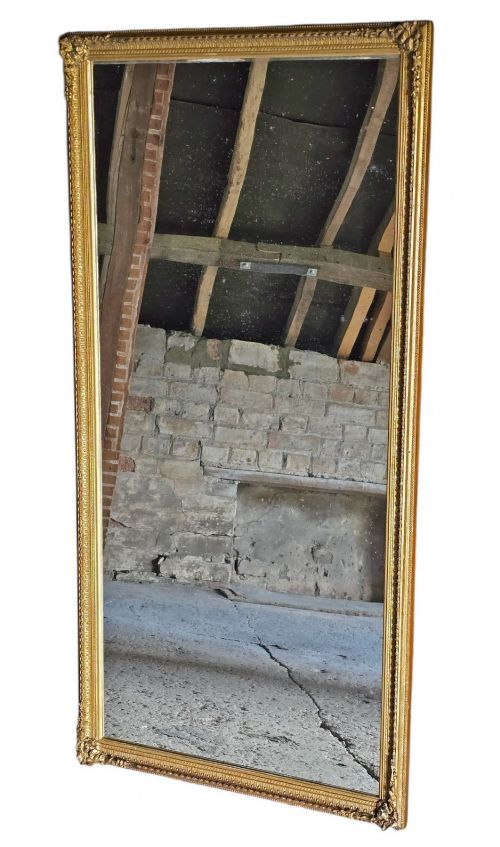
Mirrors utilise heavy plate glass set into pivoting frames, while washstands incorporate functional inserts like marble tops and brass fittings to handle daily bathroom use.
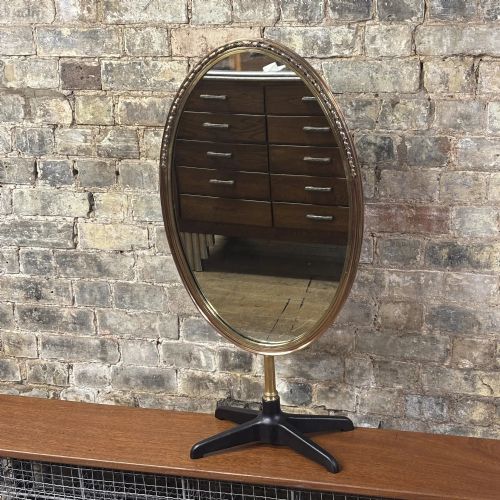
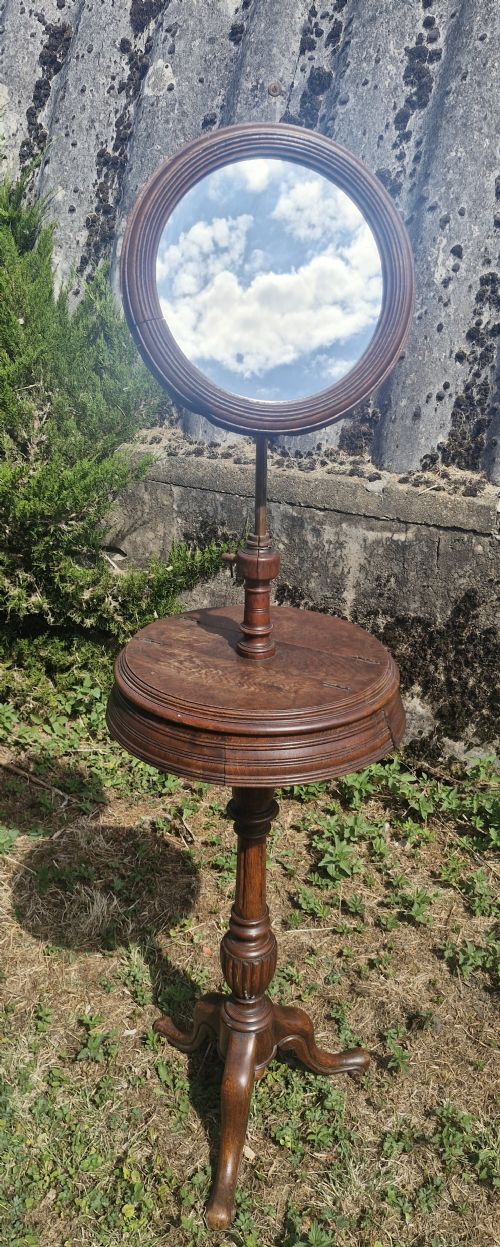
The furniture forms vary widely, spanning cheval mirrors, shaving stands, washstands, and small strut mirrors.
What varies in quality
The standard of timber selection and cabinetmaking dictates the dignity of the piece, with finely figured mahogany or satinwood and precise joinery standing apart from simpler utility furniture.
Hardware execution, such as repoussé brass work, stamped metal details, and the weight of the pivoting mirror frames, separates standard regional work from pieces produced by notable makers.
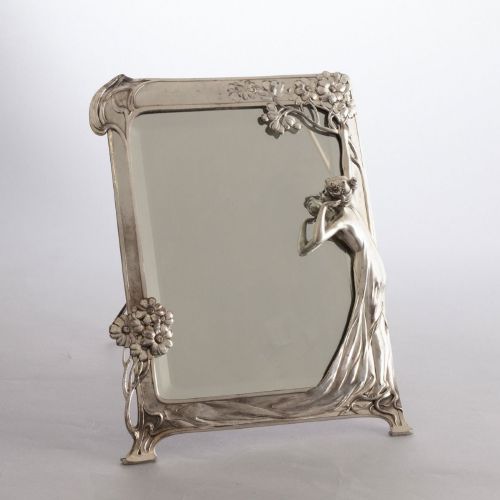
Heal And Sons·Mappin And Webb·WMF·Gillow
The Edwardian Dressing Stand Glossary
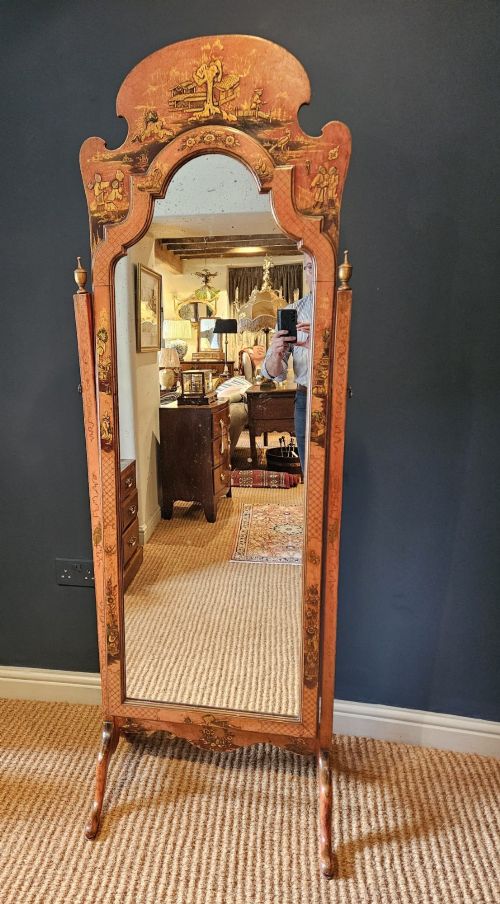
- Cheval mirror
- A full-length floor-standing mirror suspended in a frame that allows it to swing. It is designed to let someone view their entire outfit.
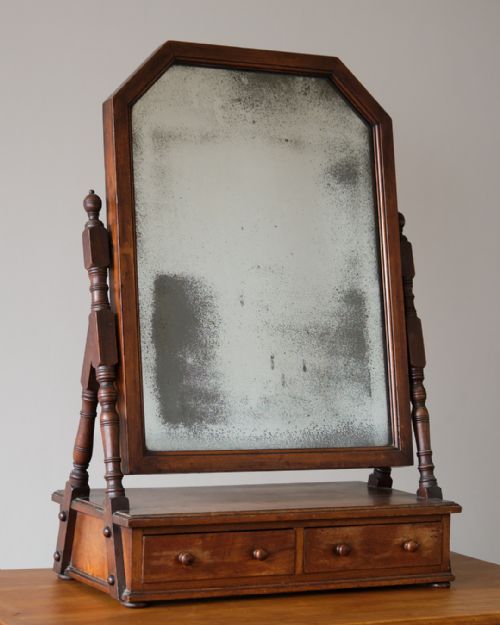
- Shaving stand
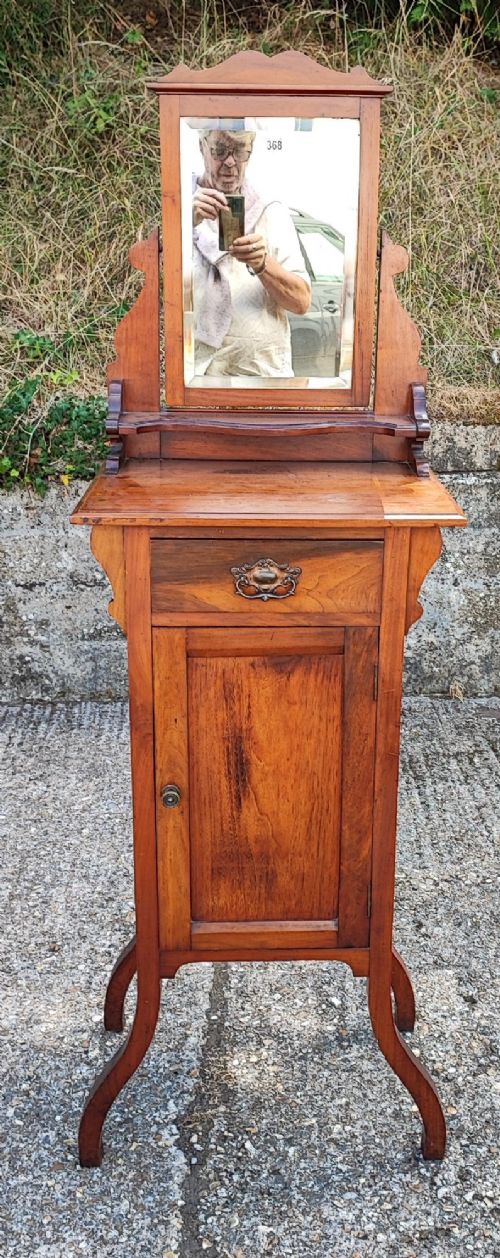
- A specialised piece featuring an adjustable mirror and small surfaces or drawers for shaving equipment. Gentlemen utilised these in bedrooms or dressing rooms.
- Washstand
- A wooden cabinet or table topped with marble or tile to hold a basin and pitcher. These served bedrooms before plumbed bathrooms became standard.
- Strut mirror
- A small table mirror supported by a hinged prop at the back. It sits upright on a dressing table or chest.
- Inlay
- A technique where contrasting woods or metals are inserted into the primary timber surface to create decorative patterns.
Edwardian Dressing Stand: Frequently Asked Questions
What is an edwardian dressing stand?
An edwardian dressing stand is a piece of bedroom furniture intended for personal grooming, typically encompassing mirrors, washbasins, or shaving equipment.
These items date from the early twentieth century and reflect the domestic habits and interior tastes of the period.
How do I use one today?
You can place a cheval mirror in a bedroom or dressing room to serve as a functional full-length looking glass.
Washstands and shaving stands adapt well as accent pieces in bathrooms or hallways, providing useful surface area and period character.
How do I tell edwardian from victorian pieces?
Edwardian pieces generally exhibit lighter timbers, simpler lines, and influences from the Arts and Crafts or Art Nouveau movements.
Victorian items tend to be heavier in scale, utilising darker mahogany, walnut, and more ornate turnings like barley twists.
What materials are common?
Mahogany, oak, and satinwood form the primary wooden structures, often complemented by brass handles, brackets, and mirrors.
Washstands frequently feature marble tops to resist water damage during daily use.