


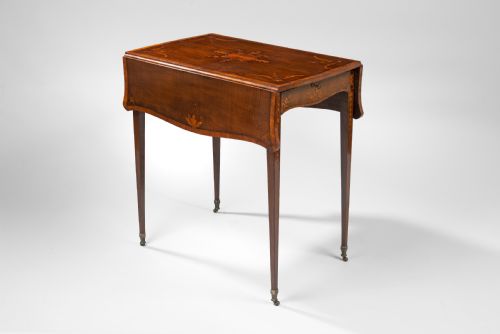


Edwardian Marquetry Sofa
An edwardian marquetry sofa brings delicate inlaid woods and refined seating to a room, offering both period charm and comfortable elegance.
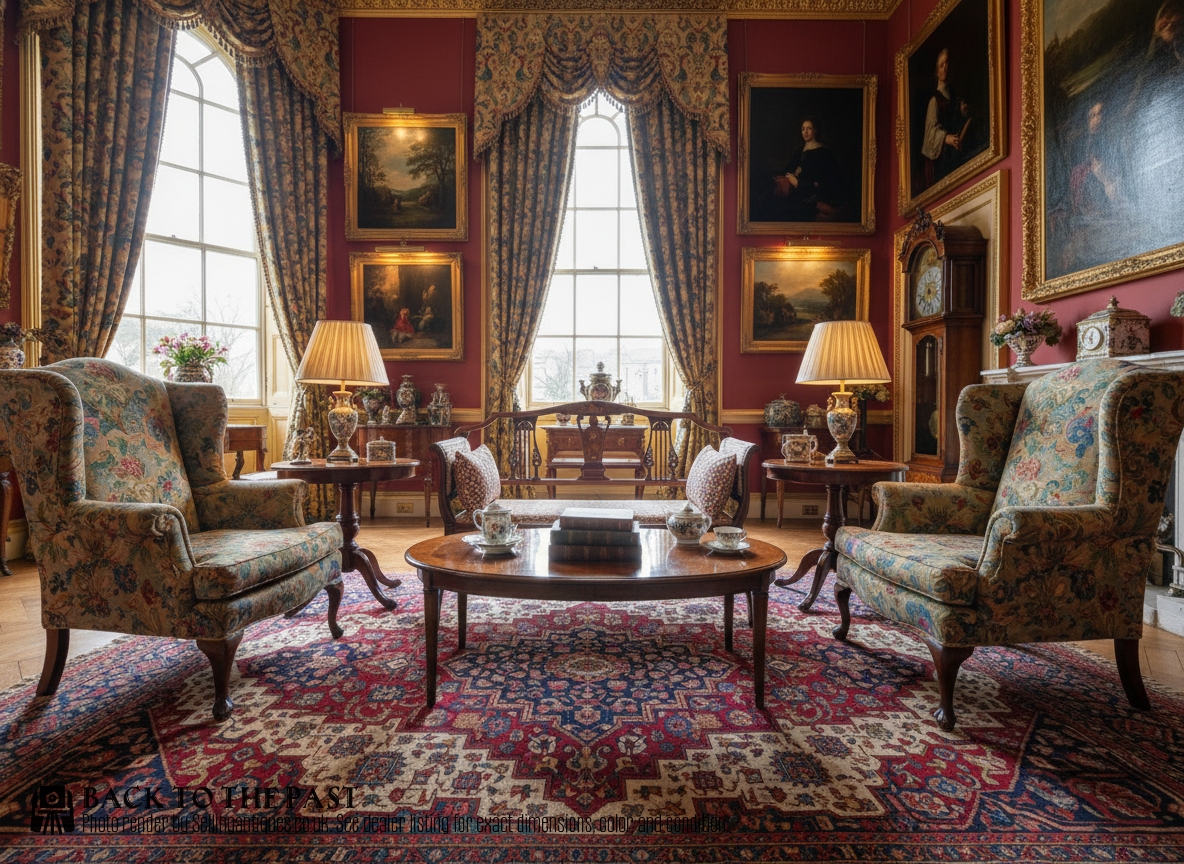
Edwardian Marquetry Sofa
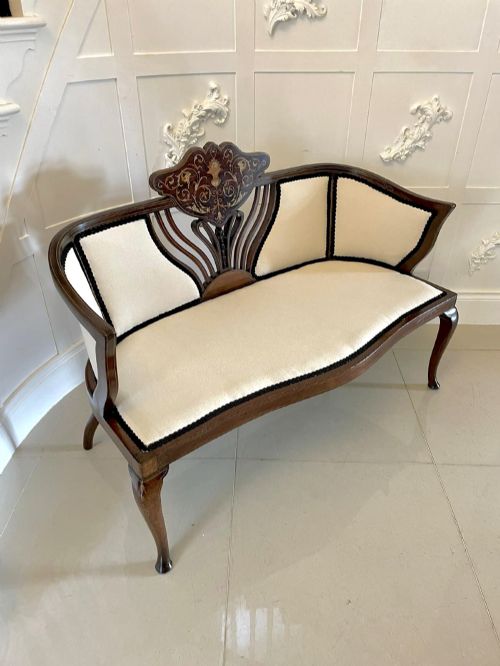
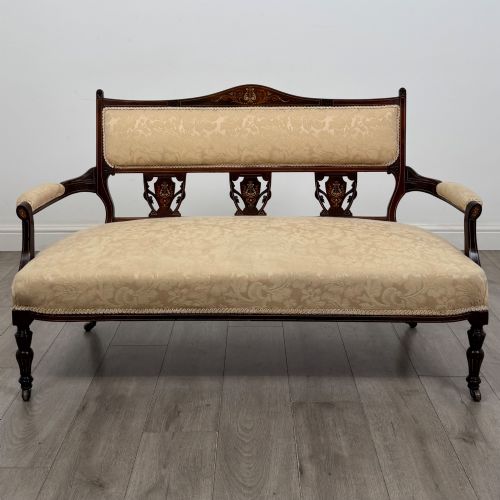
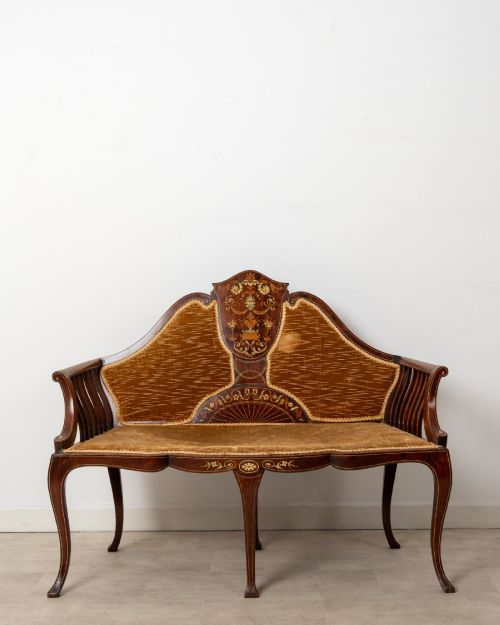
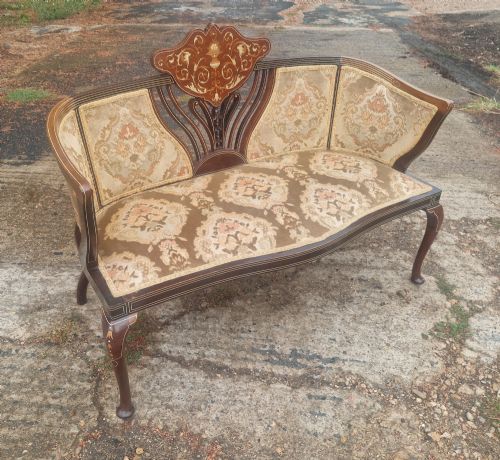
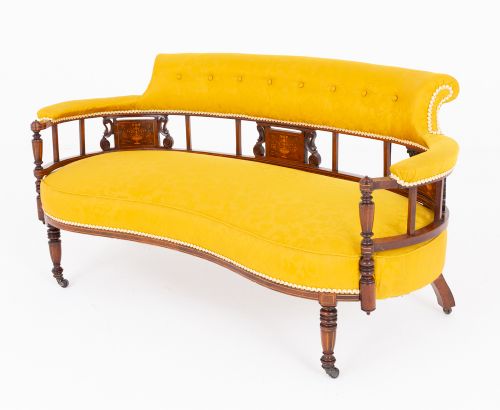
An edwardian marquetry sofa combines slender proportions with intricate wood inlay, making it a distinctive seating choice for a formal reception room or a quiet corner. Buyers seeking this phrase encounter pieces dating primarily from the Edwardian period and the late Victorian era, constructed in forms such as two-seater settees and window sofas.
The design vocabulary draws heavily upon earlier Sheraton traditions while maintaining the lighter, airier feel characteristic of the early twentieth century. Many examples feature open frameworks, upholstered seats, and backs embellished with contrasting floral or geometric veneer patterns.
Materials and construction methods
Cabinetmakers built the structural frames of these settees using dense timbers like mahogany and rosewood, ensuring long-term stability beneath the decorative surfaces. Artisans applied thin veneers of satinwood and harewood to create contrasting panels, embellishing the wood with intricate marquetry motifs.
Detailed embellishment often involved fine stringing lines in boxwood, alongside occasional accents of bone or brass. Upholstery was traditionally secured over webbing and springs, though many surviving examples require fresh fabric to suit modern interiors.
Certain compact settees were specifically designated as window sofas, designed to fit snugly beneath low sills without blocking the light.
Markers of superior craftsmanship
Quality in an inlaid sofa is determined by the precision of the cabinetwork and the intricacy of the wood selection. Superior pieces display tightly fitted veneer panels with minimal gaps in the surrounding stringing, alongside substantial framing timbers that avoid excessive bulk.
The artistry of the marquetry itself separates standard production from finer workshop output, with better examples utilising varied grain directions and multiple timber tones to create depth in the floral or classical motifs.
The Edwardian Marquetry Sofa Glossary
- Marquetry
- Decorative veneer applied to furniture in patterns and pictures using thin slices of wood. This technique allows for complex multi-toned designs across flat surfaces.
- Satinwood
- A lustrous yellow-brown timber imported from tropical regions, valued for its bright contrasting colour in inlay work. It forms the pale background for many floral motifs.
- Settee
- A small upholstered bench with a back and arms designed for two or more people. The term is frequently used interchangeably with sofa in period listings.
- Stringing
- Narrow strips of contrasting wood inlaid into grooves on table edges and chair rails. This linear detail outlines panels and defines structural shapes.
Edwardian Marquetry Sofa: Frequently Asked Questions
Where should I place an edwardian sofa?
These settees suit drawing rooms, bedrooms as end-of-bed seating, or spacious hallways where their decorative backs remain visible.
Because their frames are relatively slender compared to heavy Victorian upholstery, they fit comfortably in lighter modern spaces.
How do I care for inlaid wood?
Keep wooden surfaces away from direct sunlight and excessive heat to prevent the delicate satinwood and boxwood veneers from lifting or fading.
Apply a traditional beeswax polish occasionally to nourish the timber and maintain the subtle sheen of the finish.
Are these sofas comfortable for daily use?
Edwardian settees were built primarily for formal reception rooms rather than deep lounging, offering a firm and upright sit.
Many examples feature original spring units or webbed bases that can be re-sprung during re-upholstery to adjust the comfort level.
How do I distinguish Edwardian from Victorian pieces?
Edwardian furniture generally exhibits lighter timber tones, slender tapered legs, and restrained proportions influenced by eighteenth-century revivals.
Victorian counterparts tend to utilise heavier rosewood or dark mahogany frames with more robust carved details and denser upholstery.