




Edwardian Marquetry Centre Table
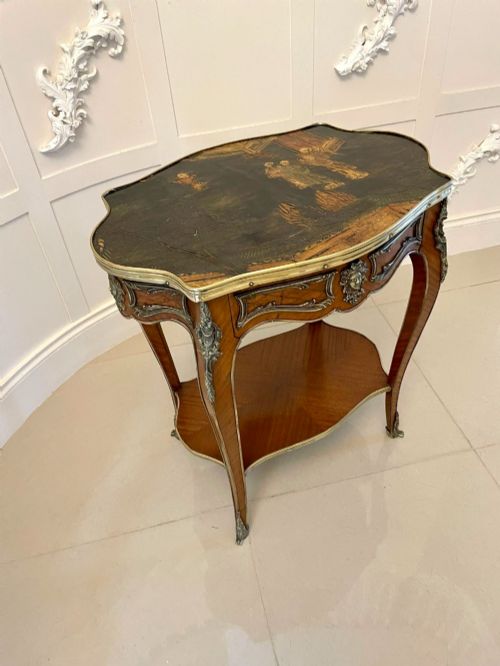
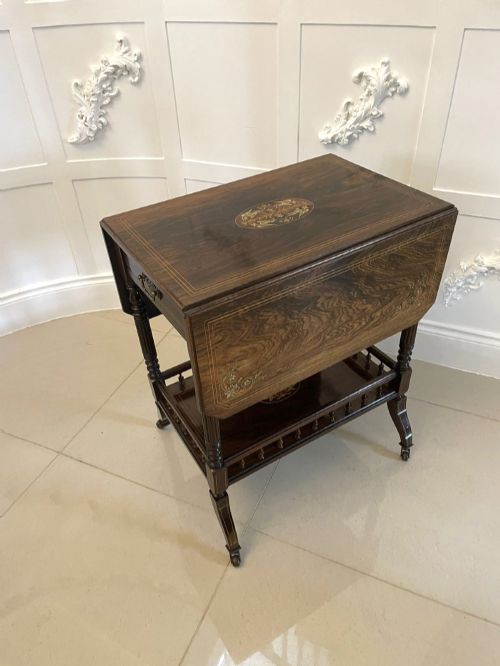
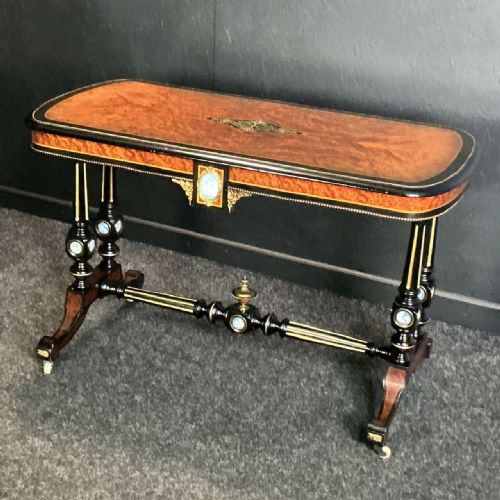
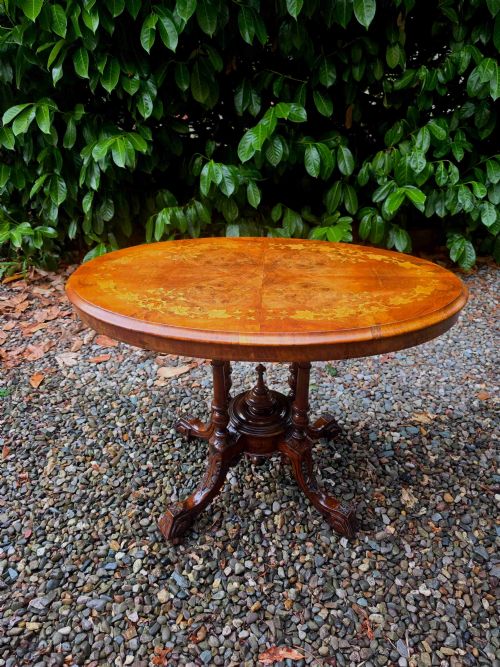
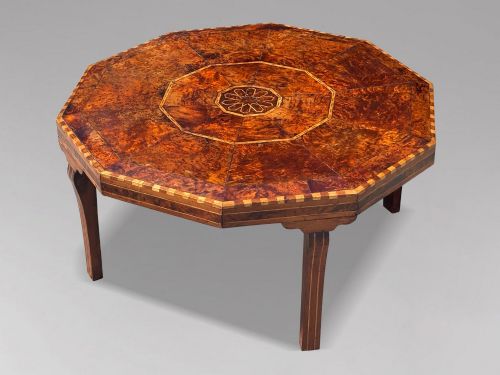
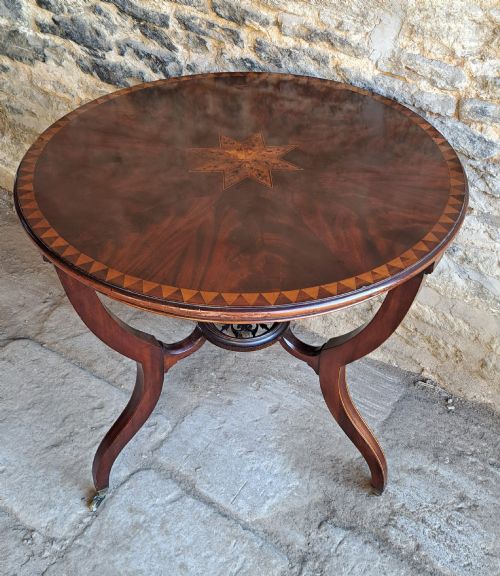
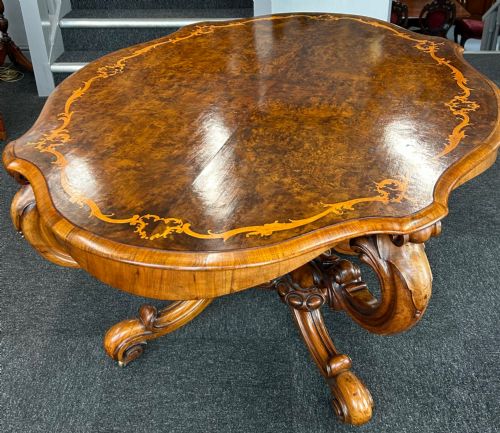
An edwardian marquetry centre table brings sophisticated floral and geometric wood inlay to the middle of a room.
Edwardian Marquetry Centre Table
An edwardian marquetry centre table stands as a decorative piece designed to be viewed from all sides in the middle of a room. The search phrase covers occasional, side, drum, and coffee formats created during the Edwardian period and late nineteenth century.
Buyers frequently encounter models featuring satinwood, rosewood, walnut, and mahogany, often enhanced by elaborate wood inlay and occasional brass mounts. Forms range from circular and oval tops to octagonal and drop-leaf variations.
How They Were Made
Craftsmen built these tables using foundational timbers like mahogany, walnut, and rosewood, applying fine veneers of satinwood or burr walnut to the surfaces. Wood inlay and marquetry techniques involved cutting contrasting timbers into delicate floral, geometric, or zodiac motifs.
Secondary elements included brass mounts, ormolu, and gilt bronze details, which embellished edges and legs on select pieces. Cabinetmakers utilised sturdy construction methods such as stretcher supports and drop-leaf hinges to ensure stability for freestanding use.
Periods represented span from the Victorian and Regency eras through the Edwardian period into the early twentieth century.
What Varies in Quality
The precision and complexity of the wood inlay separate standard examples from superior ones, with finer pieces displaying intricate multi-coloured botanical or geometric marquetry. The choice of underlying timber, such as highly figured satinwood, burr walnut, or rosewood, significantly elevates the status of the piece.
Execution of mounts and structural framing further defines the tier of the table, where cast bronze ormolu and meticulous hand-finishing distinguish high-end workshop production from simpler commercial output.
Maples And Co
The Edwardian Marquetry Centre Table Glossary
- Marquetry
- Decorative patterns formed by fitting together thin slices of wood veneer into pictorial or geometric designs. This technique defines the ornate surface decoration seen on top panels.
- Satinwood
- A pale, lustrous timber native to India and Sri Lanka, highly prized for its golden sheen and smooth grain. It frequently forms the primary surface veneer on Sheraton revival pieces.
- Ormolu
- Gilt bronze ornamentation applied to furniture mounts and edges. It provides a metallic contrast to dark rosewood and mahogany surfaces.
- Parquetry
- Geometric wood inlay resembling a mosaic pattern of small tiles. It creates structured, repeating motifs across table tops.
- Drum Table
- A circular table with a deep rim containing drawers, resembling the shape of a drum. These typically rest on a central pedestal with branching legs.
Edwardian Marquetry Centre Table: Frequently Asked Questions
Where should an edwardian marquetry centre table go?
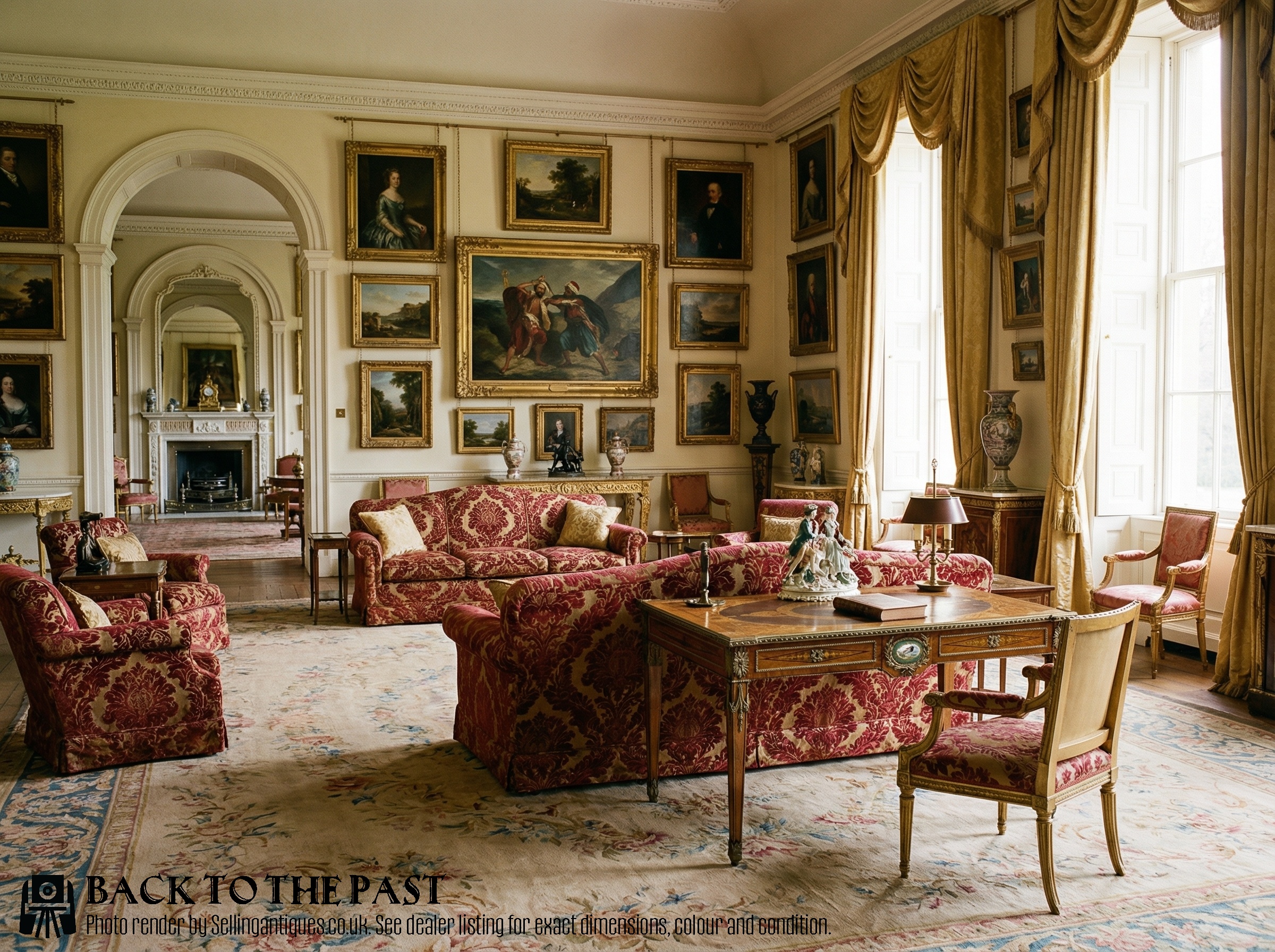
These tables function best in the middle of a room or as a prominent focal point where all sides remain visible. Their finished backs and detailed marquetry tops allow them to stand independently away from walls.
They serve effectively as lamp tables, occasional surfaces, or parlour display pieces rather than tucked-away writing desks. Placing them out in the open highlights the intricate wood inlay on the top and sides.
How do I care for wood inlay?
Protect the delicate veneers and wood inlay by keeping the table away from direct sunlight and sudden temperature shifts. Excessive heat can cause the fine timbers to dry out and lift from the base.
Dust the surface gently with a soft, dry cloth and avoid harsh chemical polishes. Natural wax applied sparingly helps maintain the lustre of satinwood, rosewood, and walnut without damaging the marquetry.
What is the difference between marquetry and parquetry?
Marquetry involves cutting contrasting wood veneers into pictorial motifs such as flowers, ribbons, and scrolls. It creates flowing, organic designs across the table top.
Parquetry uses geometric shapes like cubes, triangles, and squares to form repeating, mosaic-like patterns. Both techniques appear frequently on Edwardian and Victorian tables to showcase cabinetmaking skill.
Can I use these as coffee tables?
Lowered or appropriately proportioned examples function well as coffee tables in modern reception rooms. Many period pieces share similar heights and surface areas with contemporary low tables.
Care should be taken to protect the delicate antique veneer and marquetry from moisture and heavy objects. Using coasters and trays preserves the historic surface while accommodating daily use.