
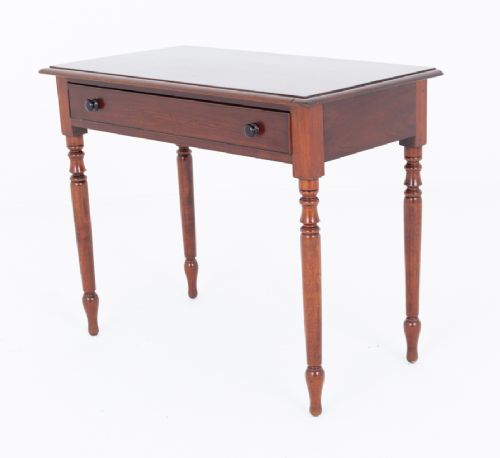
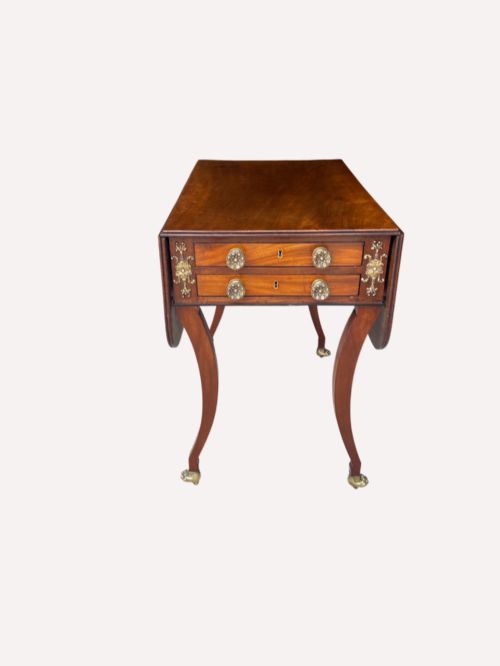
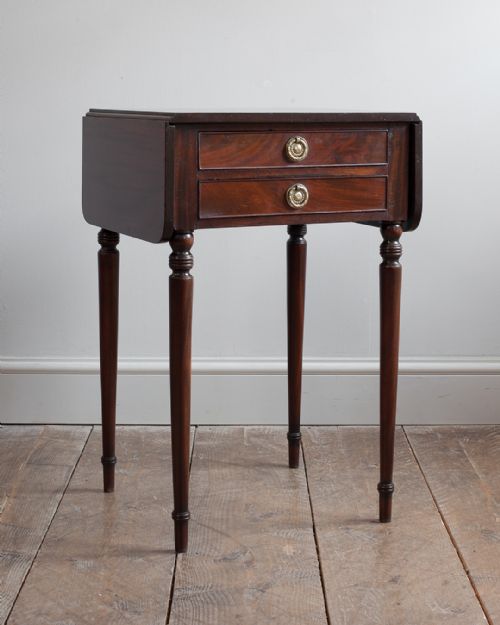
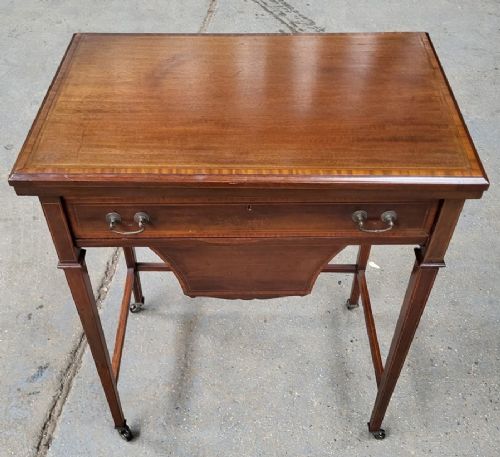
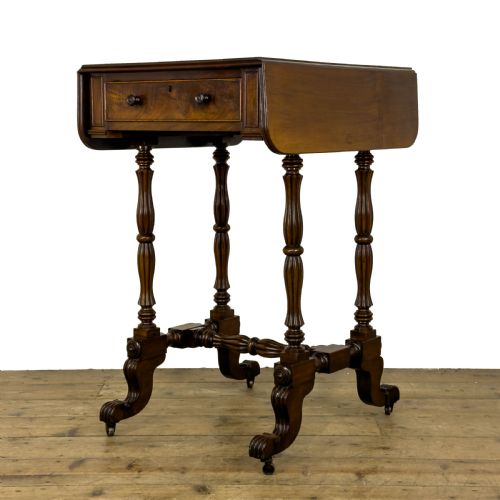

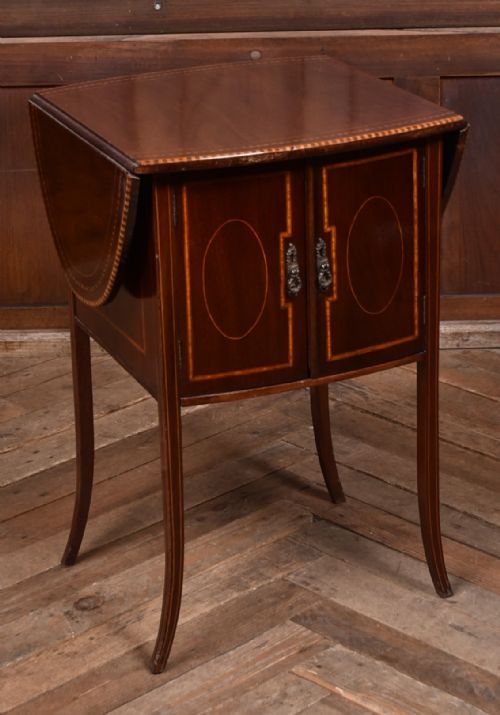

Edwardian Mahogany Work Table
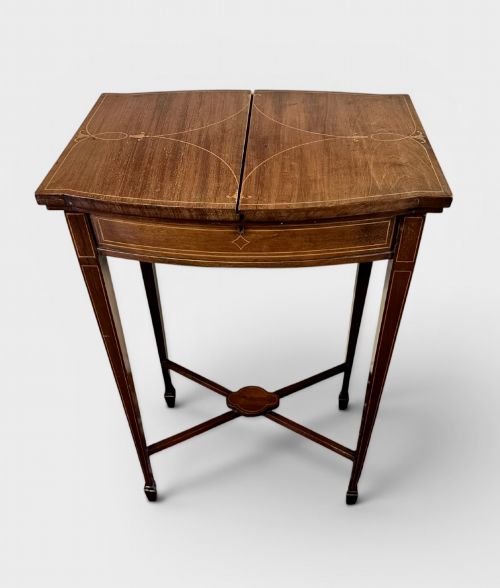
An edwardian mahogany work table combines refined practicality with delicate timber work, offering a charming surface and internal storage for needlework.
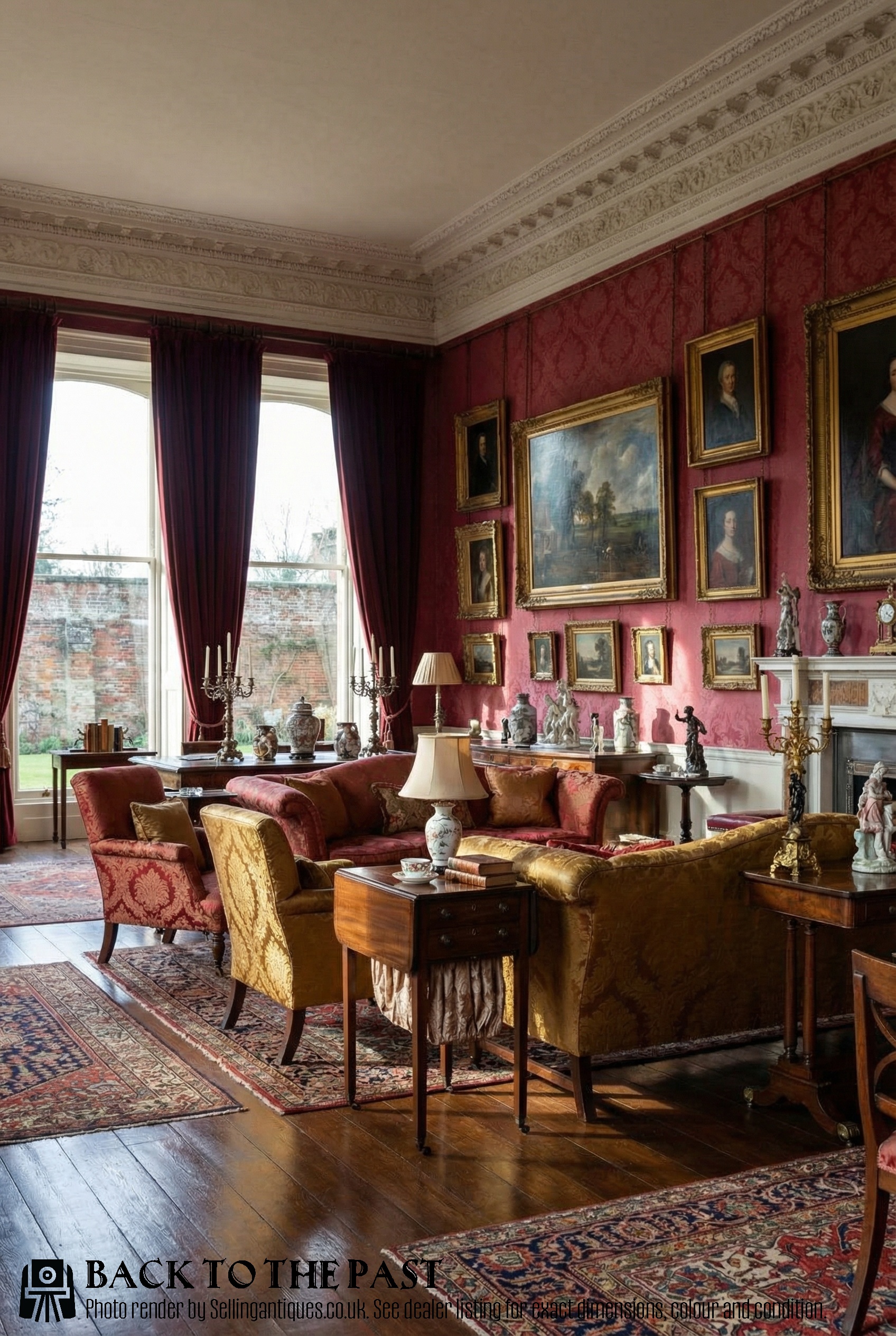
Edwardian Mahogany Work Table
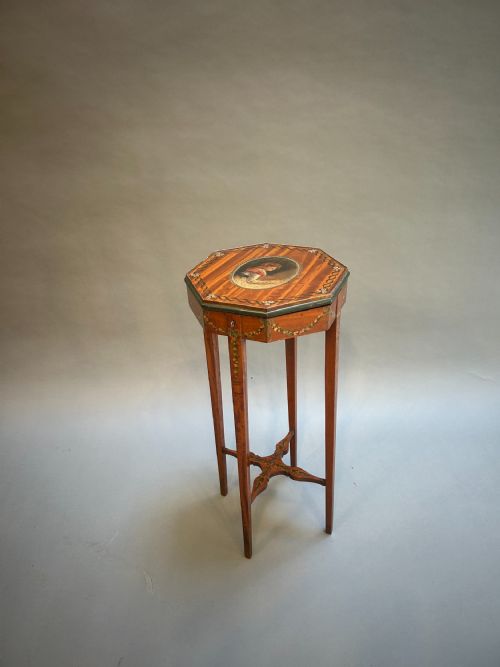
When you examine an edwardian mahogany work table, you encounter pieces designed primarily for sewing, writing, and light occasional use during the early twentieth century. The prevailing forms on this page date from the Edwardian period, though earlier Victorian, Regency, and Georgian examples also appear alongside them.
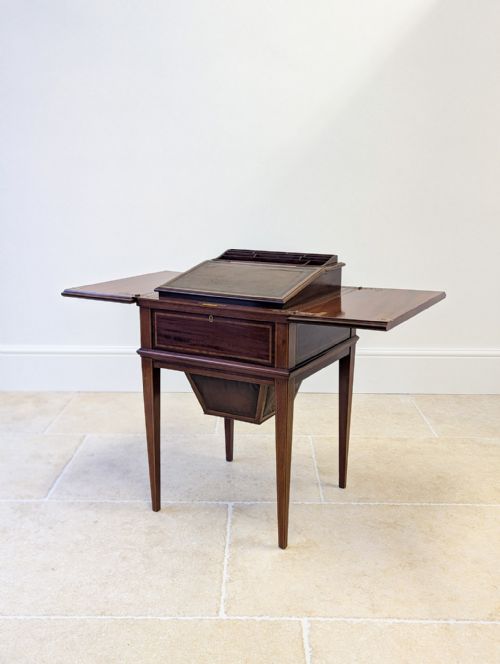
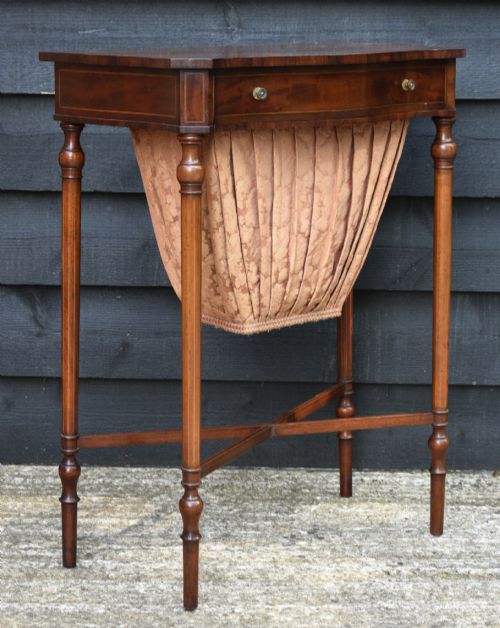
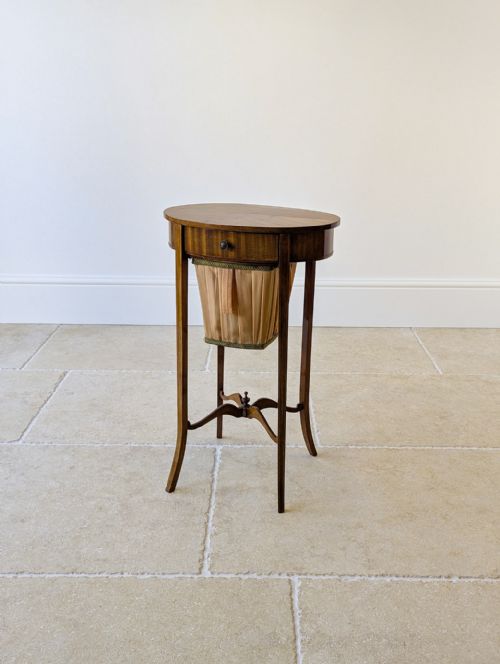
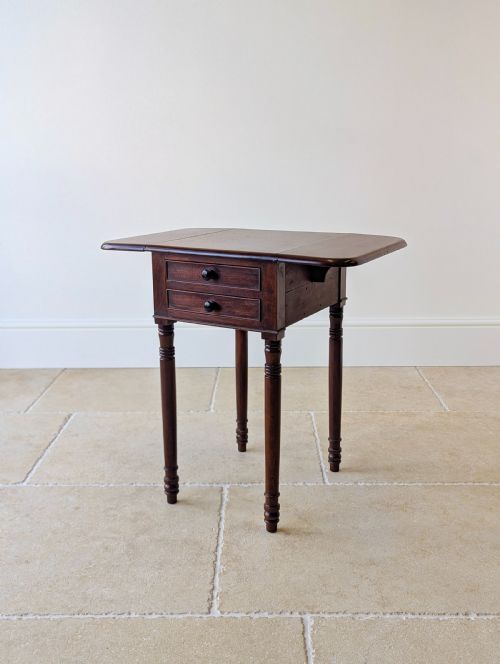
These tables typically incorporate lift-up lids, fitted interiors, drop leaves, or suspended silk bags for wool and thread. They function equally well as compact side tables or lamp tables in contemporary sitting rooms.
Design and Execution
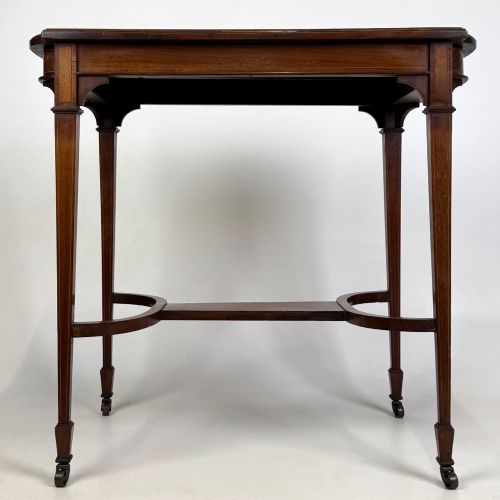
The distinction between standard production and superior pieces lies in the crispness of the inlay work and the selection of timber grain. Tables exhibiting fine serpentine shapes, delicate cross-banding, and intact original silk bags command greater regard.
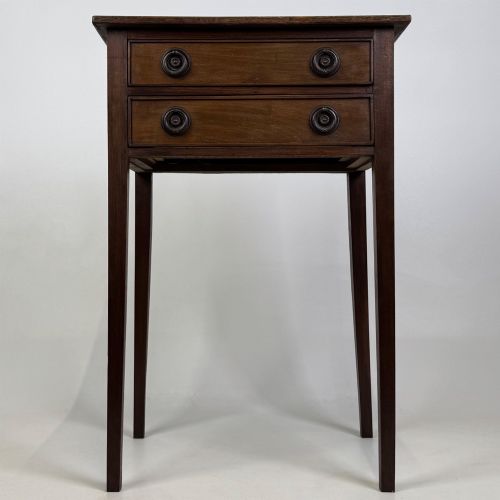
Proportion and structural integrity also separate the ordinary from the exceptional. Examples with slender tapered legs, tight joints, and well-fitted internal trays demonstrate superior craftsmanship by the original maker.
Several tables hide secret compartments beneath their fitted lids, originally designed to keep private correspondence safe from wandering eyes.
The Edwardian Mahogany Work Table Glossary
- Work Table
- A multi-purpose small table designed for needlework, sewing, or light writing, usually equipped with interior compartments or a hanging basket. These items became essential parlour furniture during the nineteenth and early twentieth centuries.
- Satinwood Inlay
- Contrasting light-coloured wood inserted into recesses within the darker mahogany surface to create decorative borders or motifs. This technique highlights the geometric and floral designs favoured by Edwardian cabinet makers.
- Drop Leaf
- A hinged flap on the side of a table that can be raised to extend the surface area or lowered when space is limited. Brass brackets or swing legs support the leaf when in use.
- Serpentine
- A gently undulating curved line shaping the edge of a tabletop or drawer front. This subtle contouring requires considerable skill to execute successfully in solid timber or veneer.
- Metamorphic
- Describing a piece of furniture that transforms from one form or function to another, such as a writing table converting into a sewing station.
Edwardian Mahogany Work Table: Frequently Asked Questions
What is an edwardian mahogany work table used for?
These tables were originally built to hold sewing, knitting, and needlework supplies within dedicated internal compartments or suspended fabric bags. Today, they serve as versatile side or lamp tables that add character to smaller spaces.
The lift-up tops and compartmentalised drawers also provide practical concealed storage for modern household items while maintaining a decorative appearance.
How do I distinguish an edwardian table from a victorian one?
Edwardian examples generally display lighter proportions, brighter mahogany finishes, and delicate satinwood or boxwood inlay reflecting the Sheraton Revival influence. Victorian pieces tend to be heavier in construction with darker timber tones and less emphasis on fine surface stringing.
Examining the internal drawer construction and secondary woods often confirms the manufacturing era more clearly than the exterior finish alone.
Are the silk bags on sewing tables original?
Many surviving tables retain replacement fabric bags because the original silk or textile components deteriorated over decades of use. Skilled restorers replicate the historical gathering and hanging methods to match the period style.
When a piece retains its original fabric, it usually shows appropriate signs of gentle age and wear rather than pristine modern manufacture.
Where should I place a work table at home?
Their compact footprints make these tables ideal beside armchairs, sofas, or in entrance halls where surface space is limited. The fitted tops and drawers accommodate small accessories while keeping the room uncluttered.
Avoid positioning them in direct sunlight or beside intense heat sources to protect the mahogany veneers and delicate stringing from drying out.