




Carved Mahogany Coffee Table
A carved mahogany coffee table anchors a room with rich timber grain and classic proportion, offering a sturdy surface shaped by decades of traditional British cabinet-making.
Carved Mahogany Coffee Table
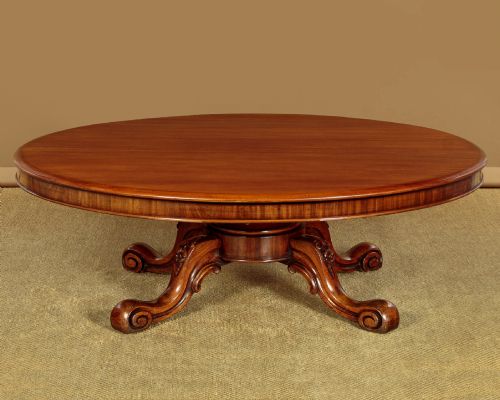
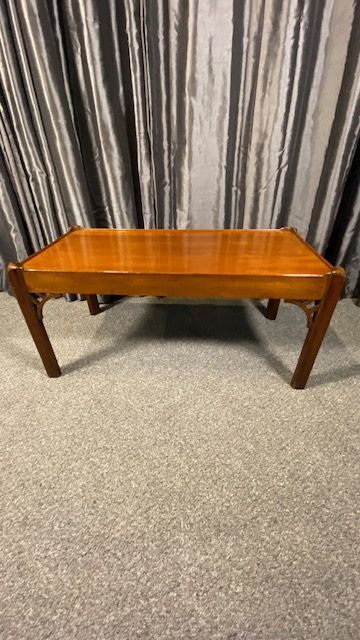
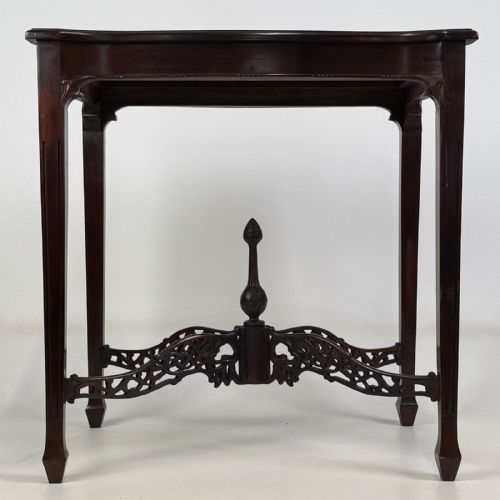
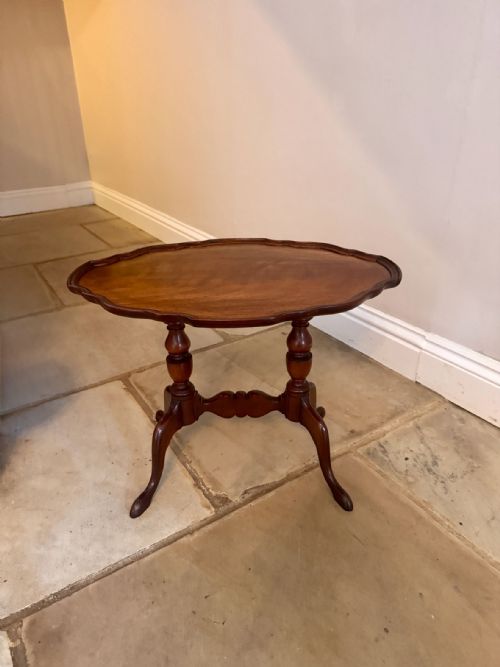
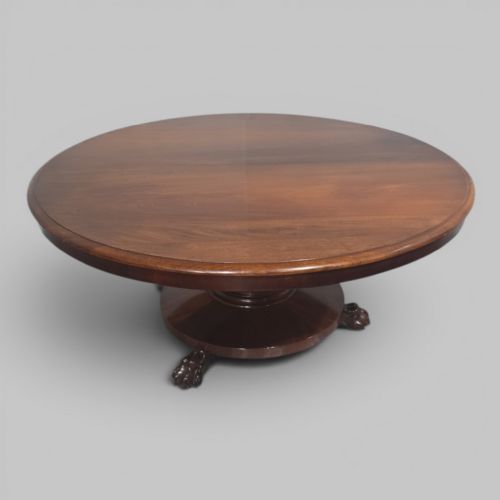
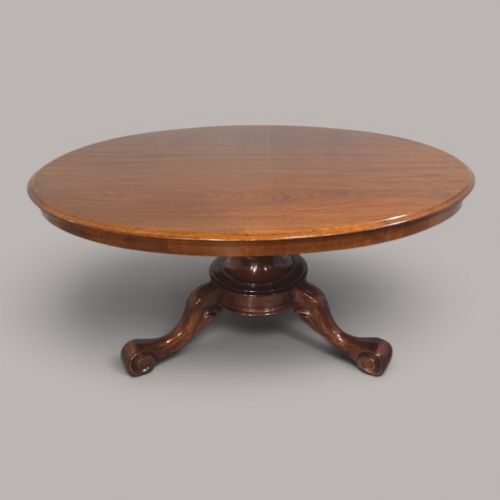
A carved mahogany coffee table brings formal timber furniture into domestic living spaces through various historical periods, including the Victorian era, Edwardian period, and early twentieth century. These low tables often derive their forms from earlier designs, such as Georgian, Regency, and Chippendale revivals, translating traditional proportions into functional living room furniture.
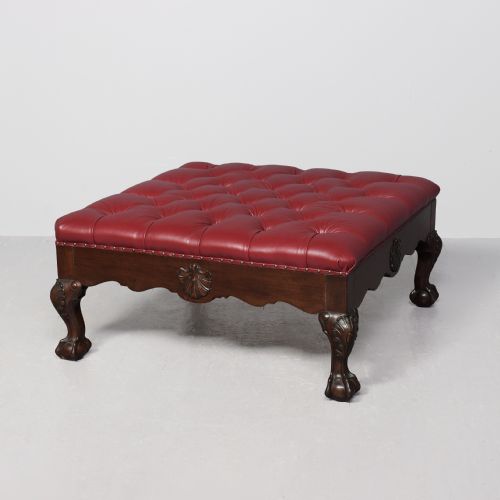
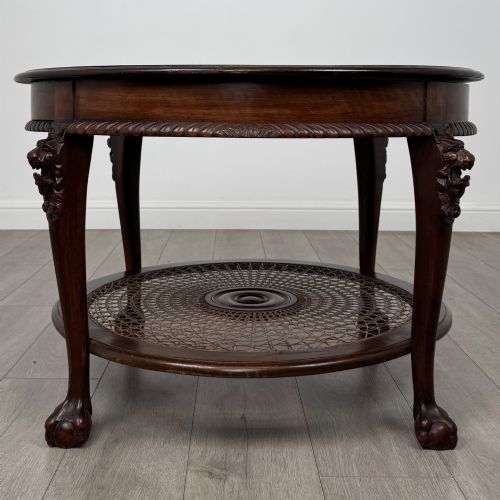
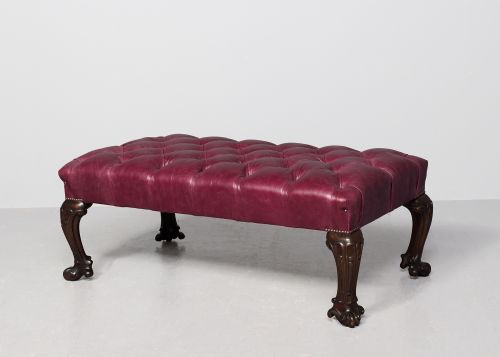
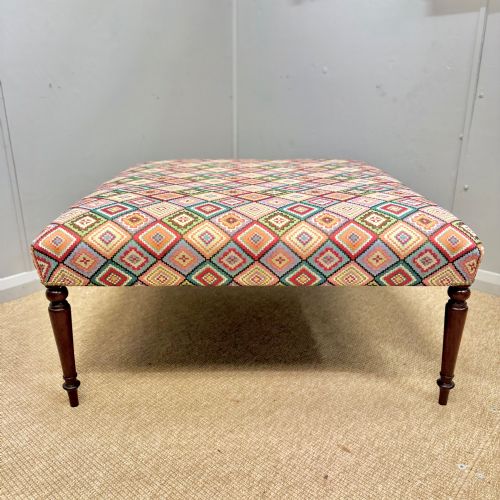
Buyers encounter multiple forms under this heading, ranging from dedicated low coffee tables to adapted side tables, tray tables, and upholstered footstools or centre stools. Pieces frequently feature circular, oval, square, or shaped tops, sometimes incorporating lower tiers, nesting configurations, or contrasting inserts like leather, marble, and cane.
Origins and styling span straightforward English country house utility to more ornate Revival pieces, along with occasional Anglo-Indian or Oriental influences. The timber itself varies from deep, dark Victorian boards to lighter Edwardian finishes, often complemented by subtle boxwood stringing, satinwood inlay, or intricate edge carving.
Materials and construction methods
Construction relies primarily on solid mahogany and mahogany veneers, selected for strength and rich reddish-brown colour. Cabinet-makers frequently combined this dense timber with secondary woods for internal framing, applying decorative techniques such as boxwood and satinwood inlay to accent the main surfaces.
Surface detailing involves hand-carving directly into the timber, producing characteristic motifs like pie-crust edges, reeded legs, or shaped aprons. Many tables integrate contrasting materials into the design, mounting Italian marble slabs, fitted leather writing surfaces, or woven cane panels directly into the mahogany framework.
Carved Mahogany Coffee Table Retail Price Guide 2026
Typical asking prices for carved mahogany coffee table among the pieces listed under this phrase on Sellingantiques today, from the lower quarter to the upper quarter. They describe what is for sale here now, not the wider market.
Listings feature mahogany combined with marble, brass, leather, and cane across Edwardian and Victorian periods.
Assessing quality and craftsmanship
Quality reveals itself in the crispness of the timber carving and the selection of the mahogany stock, where superior pieces display striking grain patterns such as fiddleback figuring. The integration of secondary materials, such as finely fitted Italian marble or neatly tooled leather inserts, separates standard utility items from finer decorative examples.
Structural integrity and joinery define the upper tier of these pieces, showing precision in turned legs, stable nesting mechanisms, and well-fitted trays or drop-leaf hinges. The restraint and accuracy of period revival details, from Chippendale pie-crust borders to subtle inlay work, indicate the skill of the original workshop.
The Carved Mahogany Coffee Table Glossary
- Mahogany
- A durable tropical hardwood known for its deep reddish-brown colour and fine grain. It serves as the primary structural and visual material across these tables.
- Pie Crust Edge
- A raised, decoratively carved perimeter shaped to resemble pastry work. This technique appears on finer circular table tops.
- Butler Tray
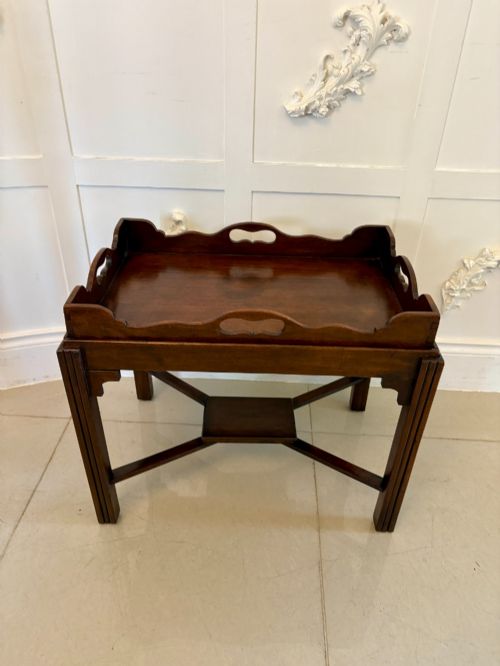
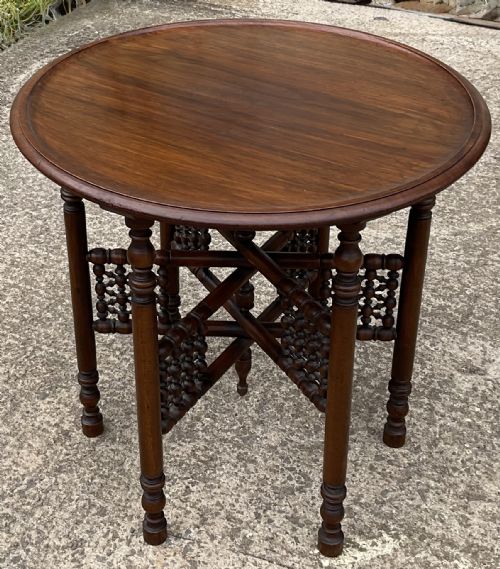
- A removable wooden tray with hinged or shaped sides, traditionally set upon a folding X-frame stand. Many survive as versatile coffee or side tables.
- Inlay
- A decorative technique where contrasting woods like boxwood or satinwood are embedded into the mahogany surface. This creates geometric or floral patterns.
Carved Mahogany Coffee Table: Frequently Asked Questions
Are these original low tables?
Most pieces dating from the Victorian and Edwardian eras started life as occasional tables, side tables, or tray stands rather than low coffee tables. Cabinet-makers and later handlers frequently adapted or lowered these frames to suit modern seating heights.
Despite these adjustments, the timber, joinery, and carved detailing remain authentic to their nineteenth or early twentieth-century periods of origin.
What is the difference between Edwardian and Victorian styles?
Victorian tables generally feature darker timber, heavier proportions, and more robust, substantial carving. They lean towards formal display and sturdy domestic utility.
Edwardian pieces often appear lighter and more refined, frequently incorporating satinwood inlay, tapered legs, and influences from Sheraton or Chippendale revival movements.
Can I use a tray table for serving?
Tables featuring removable butler trays retain their original dual-purpose design, allowing the top to lift off the folding stand. This makes them practical for serving afternoon tea or drinks before returning the tray to its base.
Care should be taken with antique finishes when handling liquids, using coasters to protect the historic polished mahogany and leather surfaces.