

Edwardian Mahogany Pedestal
These edwardian mahogany pedestal pieces anchor a room with timber grain and classical proportion.
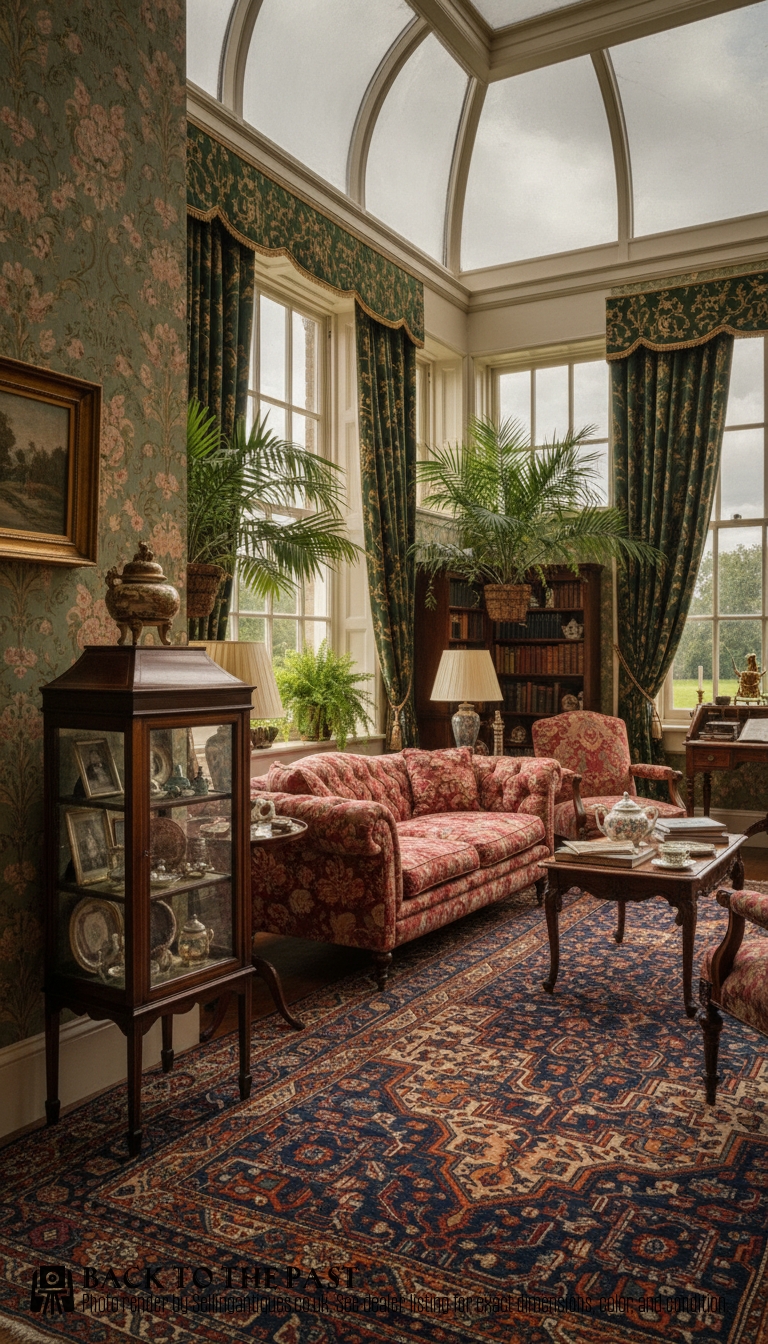
Edwardian Mahogany Pedestal
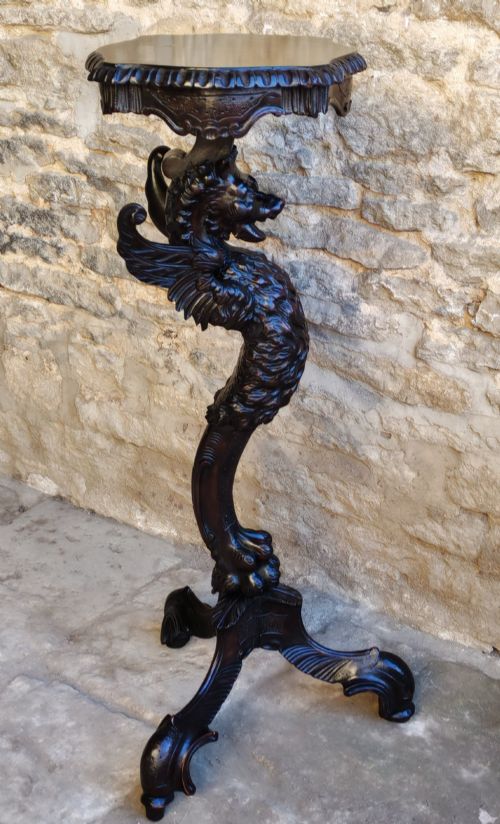
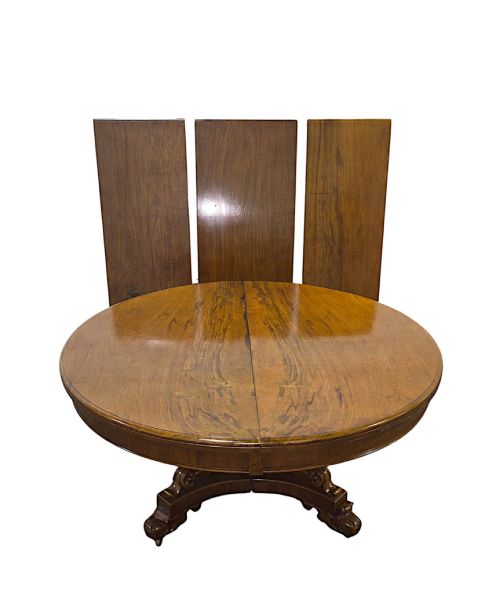
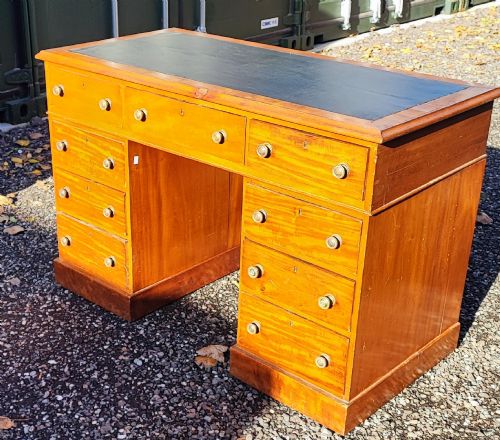
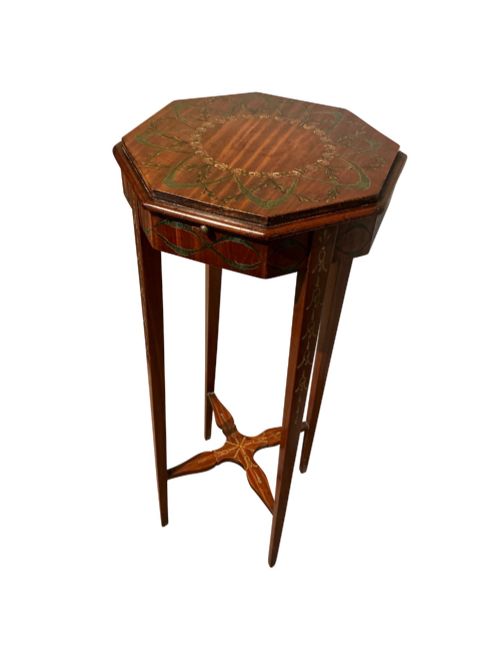
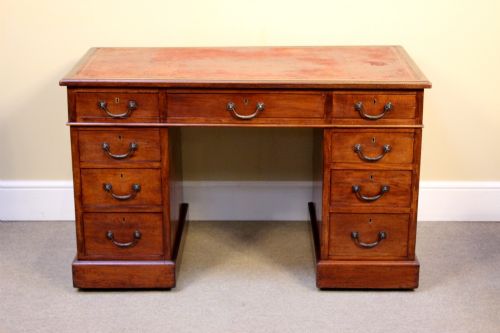
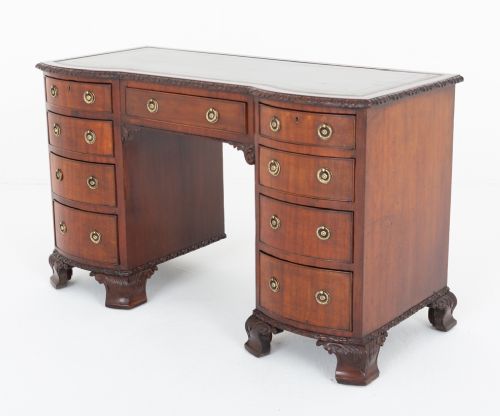
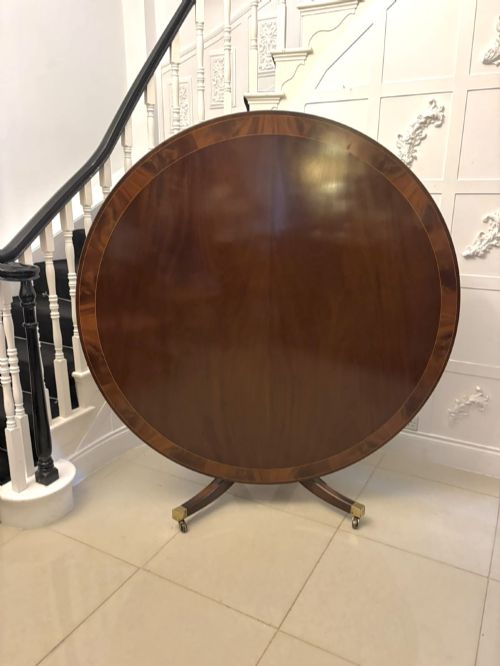
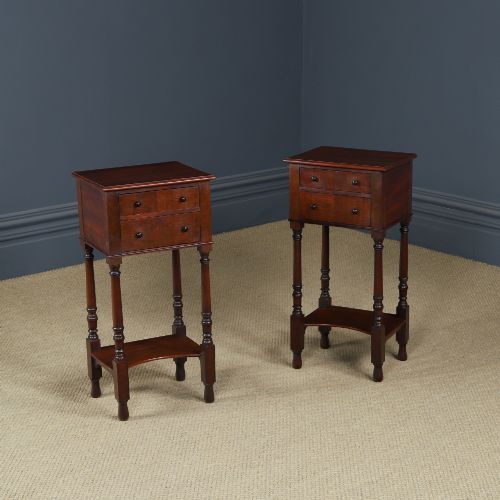
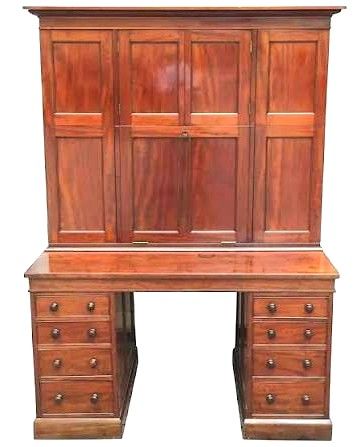
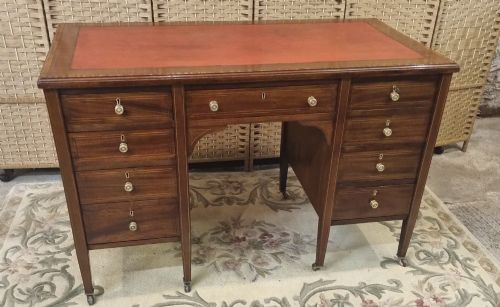
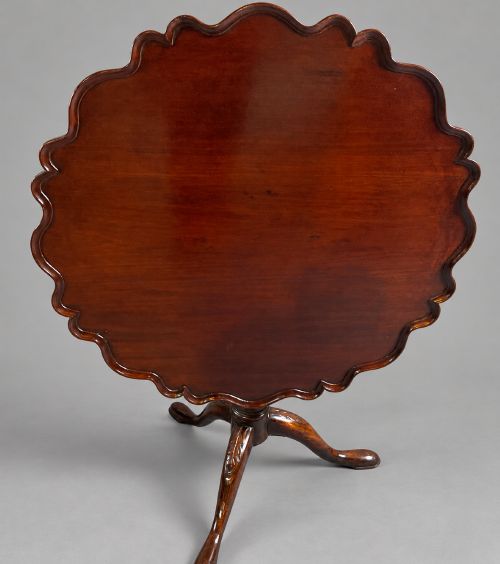
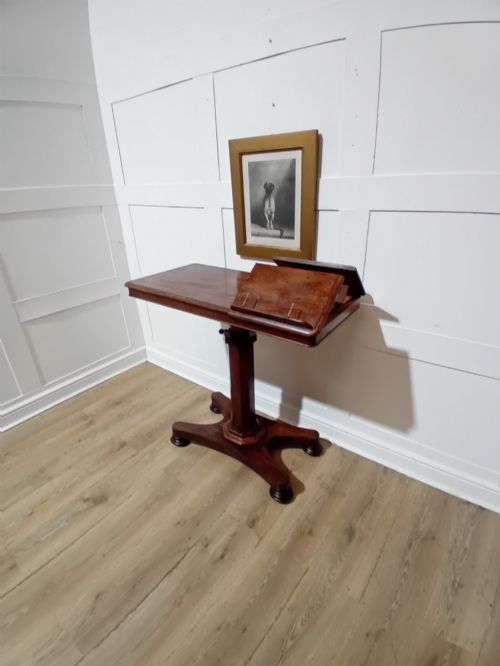
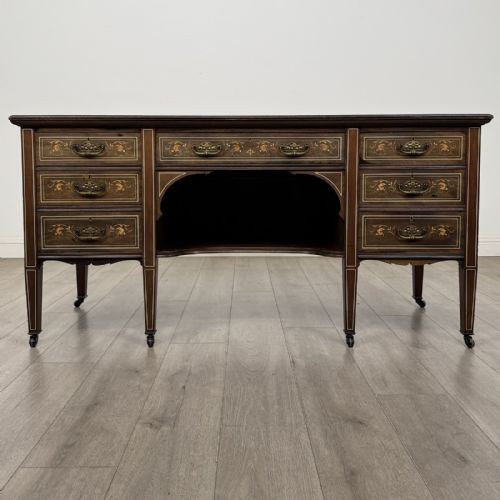
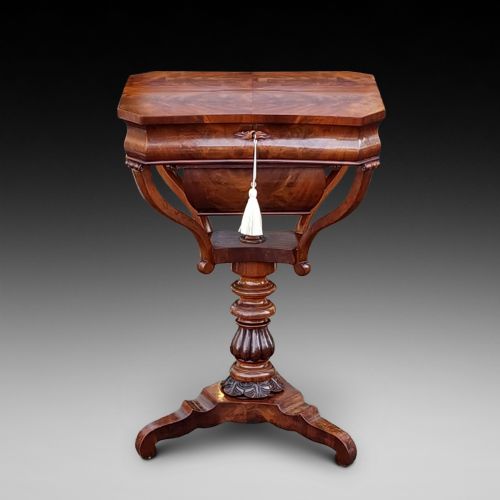
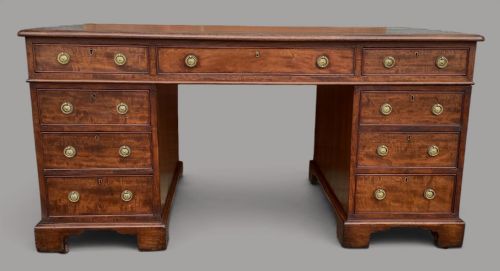
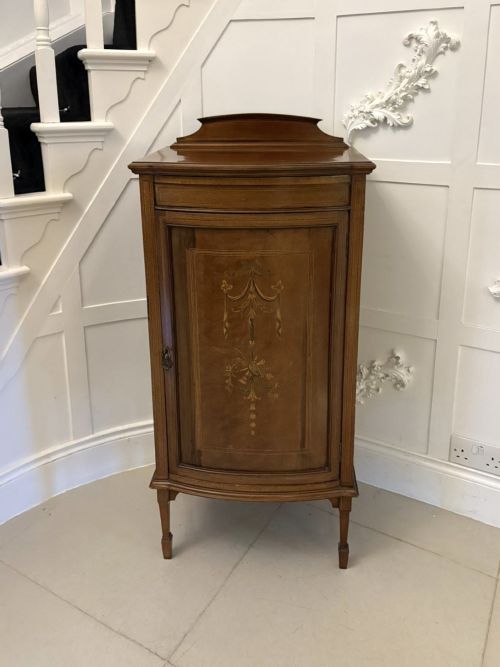
An edwardian mahogany pedestal search covers tall display columns, slender plant stands, bedside cupboards, and large twin-pedestal writing desks. The listings show a heavy concentration of tall torchères, display cabinets, and multi-drawer kneehole desks spanning the Edwardian era into the early twentieth century.
Makers drew on Victorian Chippendale, Classical, and Sheraton revivals to shape these items. Buyers encounter simpler column supports alongside heavily inlaid cabinets and leather-topped office furniture.
The objects serve varied domestic roles, functioning equally as display surfaces for sculpture or as functional study desks. Most examples originate from British workshops operating around nineteen hundred.
Materials and Construction
Craftsmen built these pieces primarily from solid mahogany and mahogany veneers, occasionally incorporating satinwood banding for contrast. Surfaces frequently receive decorative details such as string inlay, ribbon carving, or ormolu mounts.
Desk surfaces integrate tooled leather panels in burgundy or similar shades. Structural variations include glass panels for vitrine cabinets, marble tops on column torchères, and brass hardware.
Joinery techniques balance the weight of dense timbers with classical architectural proportions. Tall stands employ heavy plinths to maintain stability for displayed objects.
Edwardian Mahogany Pedestal Retail Price Guide 2026
Typical asking prices for edwardian mahogany pedestal among the pieces listed under this phrase on Sellingantiques today, from the lower quarter to the upper quarter. They describe what is for sale here now, not the wider market.
Smoking stands appear among the archive records, proving Edwardian gentlemen required dedicated mahogany furniture just to drop their ash.
Distinctions in Grade
Quality rests on the depth of timber selection and the precision of decorative inlay. Pieces displaying balanced satinwood banding and crisp ribbon carving sit apart from plain utility items.
Structural integrity dictates value, particularly in tall torchères and heavy twin-pedestal desks where joints face daily stress. Original leather writing surfaces and intact glass vitrines elevate the standing of a piece.
Provenance and documented workshop attribution separate standard production furniture from superior commissions. The presence of integrated marble tops or original ormolu mounts marks the upper tier of surviving examples.
Cooke’s of London
The Edwardian Mahogany Pedestal Glossary
- Torchère
- A tall, slender stand designed to support a lamp or decorative object. These pieces often feature column or pedestal configurations.
- Vitrine
- A glass-sided display cabinet used for showing porcelain or small collectibles. Edwardian versions frequently incorporate pedestal bases.
- Satinwood
- A pale exotic timber utilised for contrasting inlay and banding on darker mahogany furniture. This wood creates fine geometric borders.
- Ormolu
- Gilded bronze mounts applied as decorative ornaments to furniture surfaces. They appear alongside marble on select torchères.
- Kneehole desk
- A writing table featuring a central recess for the user's legs, flanked by two vertical stacks of drawers. These form the standard twin-pedestal desk format.
Edwardian Mahogany Pedestal: Frequently Asked Questions
How do I identify an Edwardian pedestal desk?
Edwardian pedestal desks typically feature mahogany construction, often enhanced with satinwood inlay and tooled leather writing surfaces. They follow classical revival styles established around nineteen hundred.
Examine the drawer construction and timber grain to confirm the period. Many retain original brass hardware and proportions distinct from heavier Victorian equivalents.
What is the difference between a torchere and a plant stand?
A torchère traditionally supports a light source or decorative urn on a raised column. Plant stands share similar tall, slender profiles.
Both forms utilise mahogany shafts, sometimes paired with marble tops. Their primary distinction lies in historical function rather than physical build.
Are pedestal desks suitable for daily workspace use?
Twin-pedestal desks provide substantial surface area and numerous drawers for modern office equipment. Their internal compartments help organise documents efficiently.
Buyers should verify kneehole dimensions and writing height before daily use. Leather top surfaces require careful maintenance to preserve the gold tooling.
How should I care for mahogany pedestal furniture?
Protect mahogany surfaces from direct sunlight to prevent the timber from fading. Dust regularly with a dry cloth and avoid silicone polishes.
Leather inserts benefit from occasional specialist conditioning. Maintain stable room humidity to protect veneer and inlay work.