
Edwardian Mahogany Display
An Edwardian mahogany display piece brings refined timber grain, delicate inlay and glazed shelving together to showcase cherished objects in any room.
Edwardian Mahogany Display
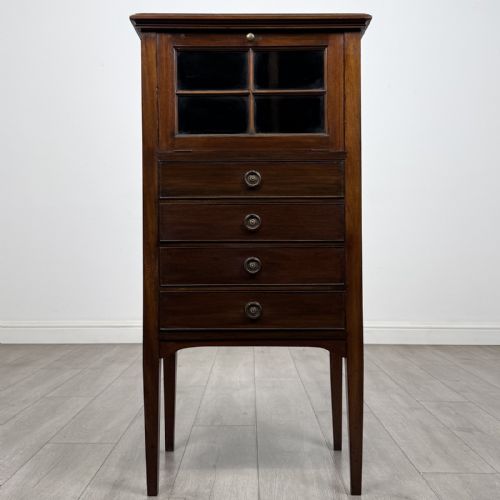
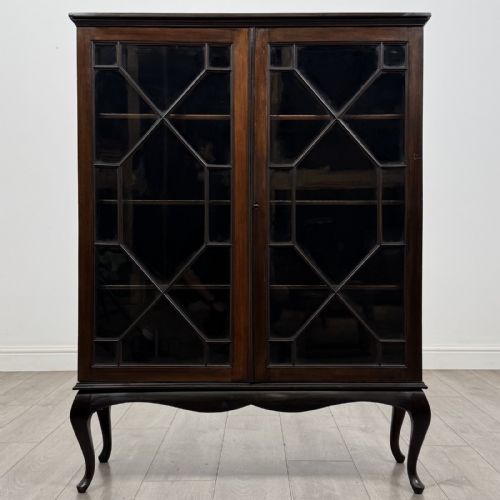
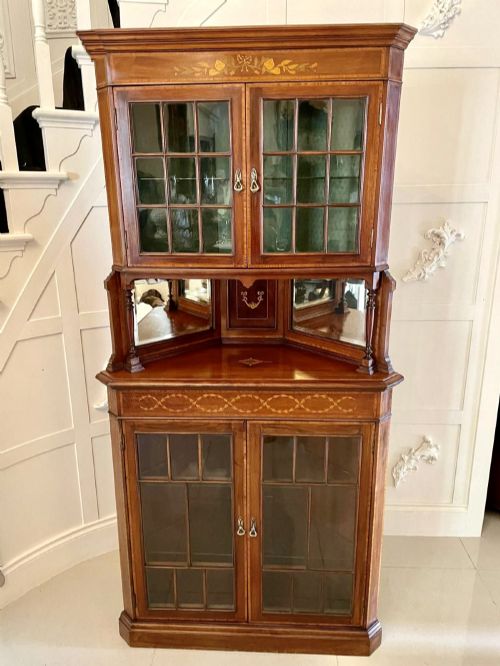
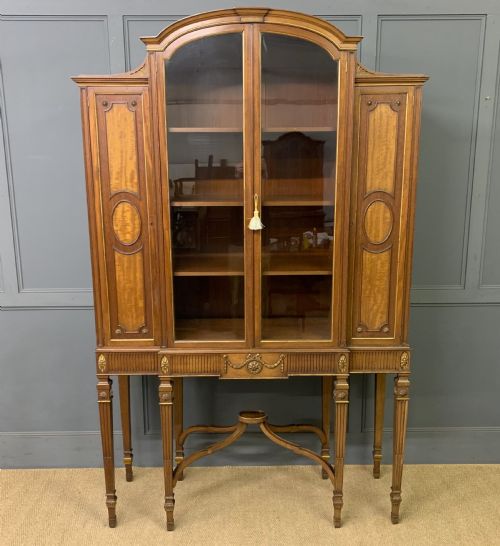
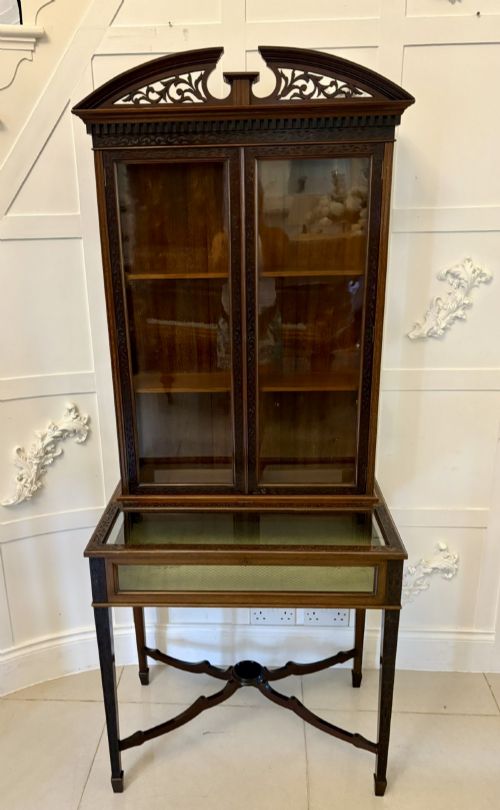
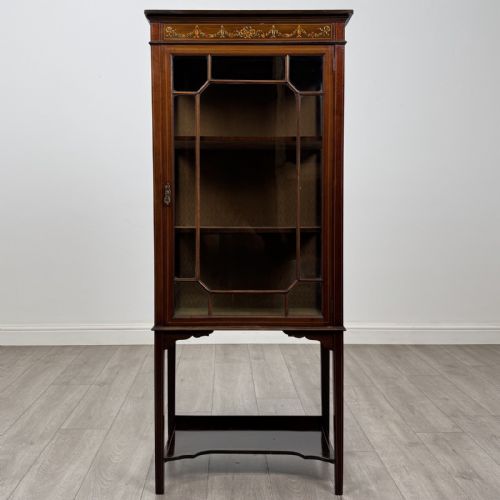
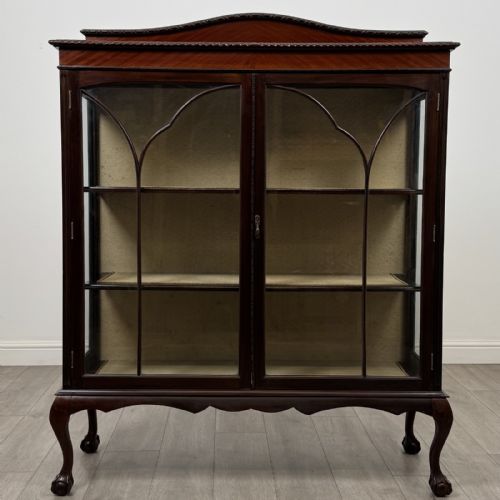
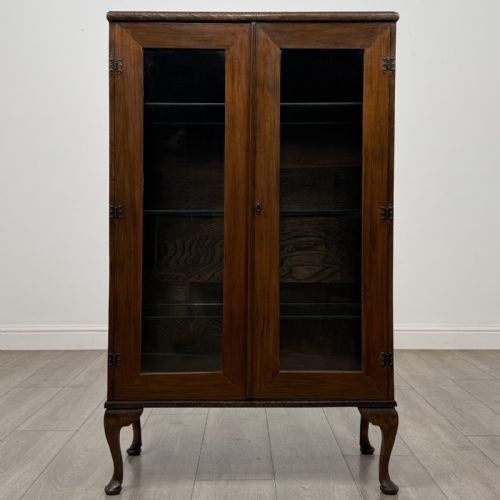
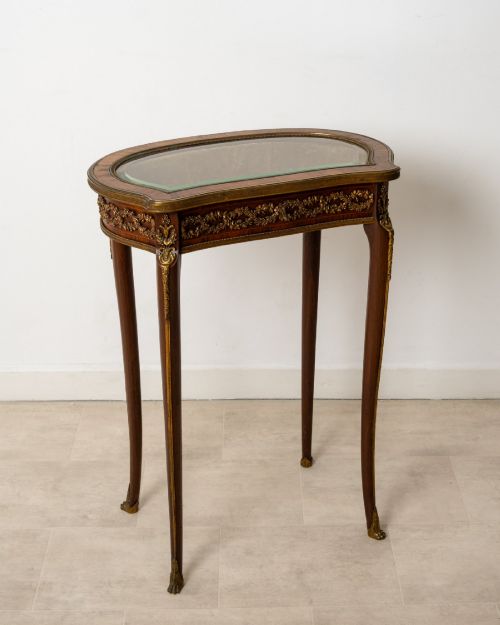
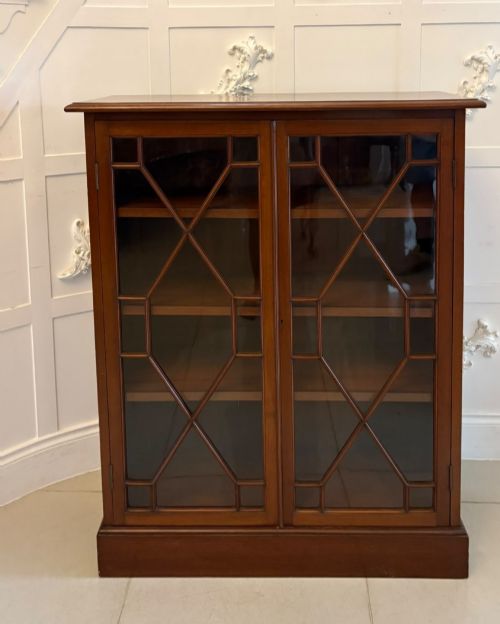
A search for an Edwardian mahogany display reveals a varied selection of cabinets, bookcases, corner cupboards and glass-topped bijouterie tables spanning the late Victorian and Edwardian eras. The predominant form encountered on this page is the glazed display cabinet, often featuring slender upright proportions, inlaid satinwood details and delicate astragal glazing bars.
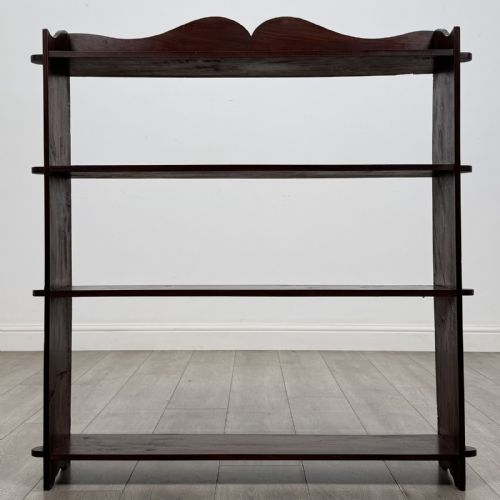
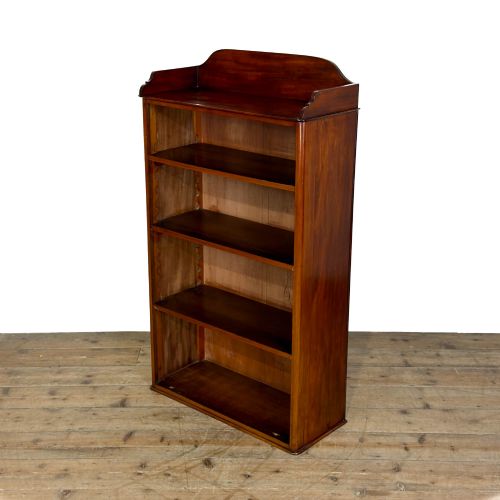
Beyond standard cabinets, buyers frequently encounter open bookcases with adjustable shelving, breakfront library pieces and smaller wall-hanging compartments. These domestic furnishings reflect the refined interior tastes of the early twentieth century, incorporating revival styles such as Sheraton and Chinese Chippendale alongside simpler Edwardian designs.
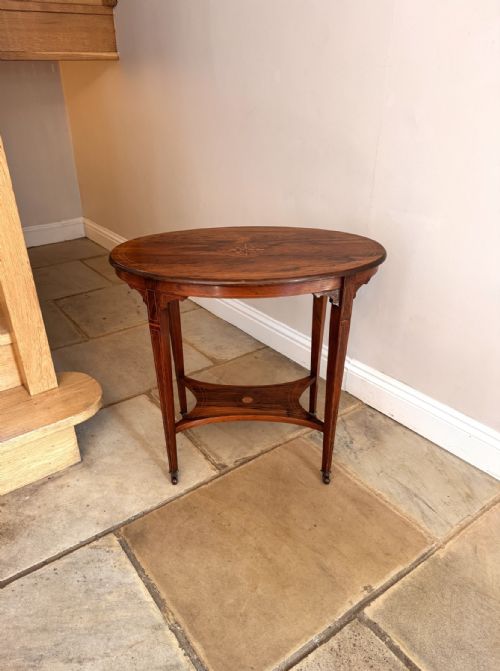
The materials used across these forms lean heavily on rich mahogany timber, frequently enhanced with contrasting satinwood inlay, brass hardware and mirrored backs. Many pieces rest on subtle supports, ranging from tapered legs to brass castors, balancing structural utility with lighter aesthetic forms.
Timber, glass and inlay techniques
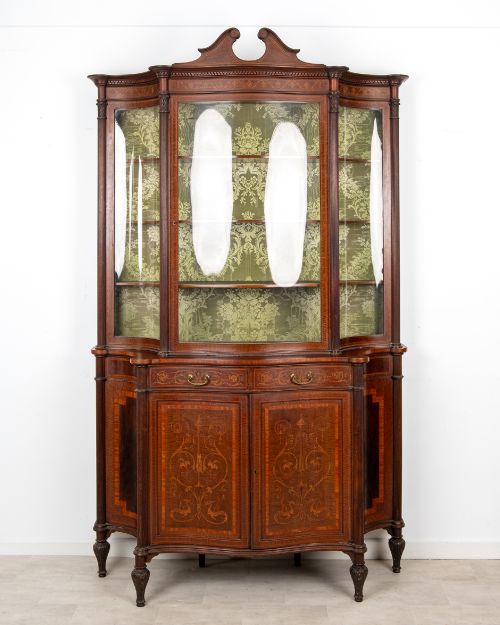
Cabinet makers of the period relied on solid mahogany and finely cut veneers, often selecting flamed grains for prominent door panels and drawer fronts. This timber was frequently paired with lighter satinwood inlay to create geometric banding, neoclassical swags or floral motifs across the facade.
Glazing was a central feature of these items, employing individual glass panes held securely within wooden astragal bars or fitted into curved bow fronts. Interiors were occasionally lined with fabric or fitted with mirror glass to amplify light within the display space, while brass hinges, locks and castors provided durable functional hardware.
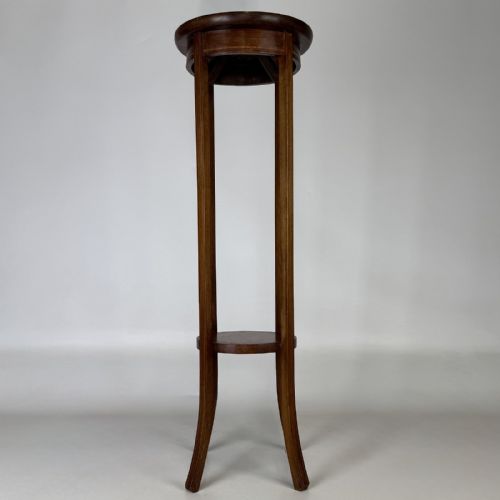
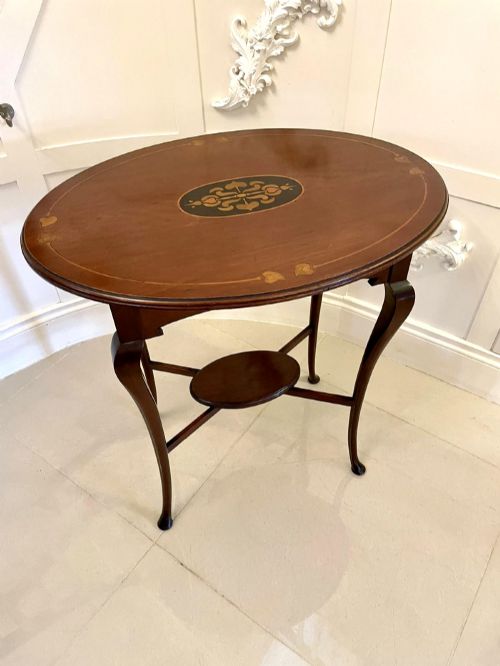
Form variations range from open bookcases and corner cabinets to glass-topped bijouterie tables and wall-hanging shelves.
Distinguishing grades of craftsmanship
The upper tier of these pieces is distinguished by thoughtful proportion, superior timber selection and meticulous hand-painted panels or intricate marquetry. Maker attribution also plays a role, with documented workshops demonstrating a higher precision in joint construction and timber matching.
Simpler iterations rely on standard factory production methods with more repetitive decoration and plainer secondary woods. Quality is further expressed through the crispness of the carved details, the weight and finish of the brass fittings, and the integrity of the original glass panes.
Trevor Page and Co·F Sage and Co·T Inglesant and Sons Leicester·Waring and Gillow·James Gardner
The Edwardian Mahogany Display Glossary
- Astragal
- A narrow wooden moulding used to divide glass panes within a cabinet door. These bars often form delicate geometric lattices on Edwardian display cases.
- Bijouterie table
- A glass-topped table designed specifically for displaying small ornaments, medals or jewellery. They frequently feature hinged glazed lids and fabric-lined interiors.
- Breakfront
- A piece of furniture where the central section projects forward from the flanking wings. This architectural arrangement adds depth and visual rhythm to larger library cabinets.
- Satinwood inlay
- A decorative technique using contrasting pale yellow satinwood veneer set into recesses within the darker mahogany surface. It creates crisp borders and neoclassical motifs.
- Sheraton Revival
- A late nineteenth and early twentieth century design movement inspired by the neoclassical furniture of George Sheraton. It favours light proportions, straight tapered legs and subtle marquetry.
Edwardian Mahogany Display: Frequently Asked Questions
What is a bijouterie table?
A bijouterie table is a specialised display piece featuring a glazed top and a shallow compartment for showing small collectables, coins or trinkets. These tables were typically placed in drawing rooms to allow guests to inspect delicate items up close.
They often include hinged lids lined with velvet or silk fabric to protect the objects placed inside. The legs are usually slender and tapered, matching the lighter aesthetic of the Edwardian period.
How do I distinguish Edwardian from Victorian cabinets?
Edwardian cabinets generally exhibit lighter proportions, brighter mahogany tones, and more delicate satinwood inlay compared to earlier Victorian examples. Victorian pieces often lean towards heavier construction, darker finishes, and more robust carved decorations.
Revival styles can sometimes blur these distinctions, but overall the Edwardian era favoured a simpler, airier aesthetic. Examining the interior linings, hardware styles, and secondary timbers helps clarify the date of manufacture.
Were these cabinets meant for books or china?
Cabinets and bookcases served both purposes depending on the room and the specific internal shelving provided. Glazed doors protected fine china and decorative ornaments from dust while keeping them visible in reception rooms.
Open bookcases and library cabinets were designed to house bound volumes and periodicals for everyday reading. Adjustable shelving allowed owners to customise the interior layout for different book sizes.
How should I care for mahogany display furniture?
Maintaining mahogany display furniture involves keeping pieces away from direct sunlight and steady heat sources to prevent timber warping and veneer cracking. Regular dusting with a soft, dry cloth preserves the polished surface without building up residue.
Glass panels and mirrors can be cleaned with standard glass cleaner applied to a cloth rather than sprayed directly near the wood. Checking the stability of brass castors and hinges periodically ensures the structural integrity remains sound.