





Brown Timber Shelving
Brown timber shelving brings together centuries of practical storage, from oak plate racks to walnut bookcases.
Brown Timber Shelving
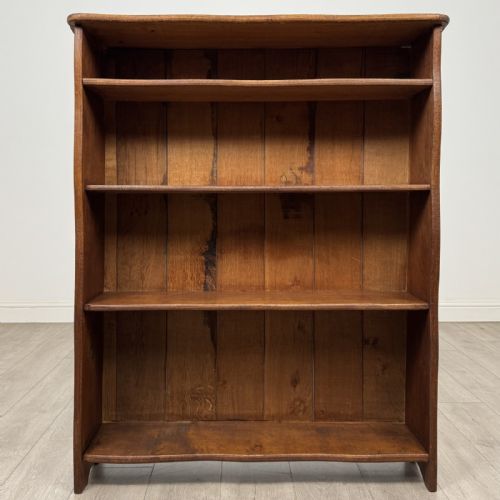
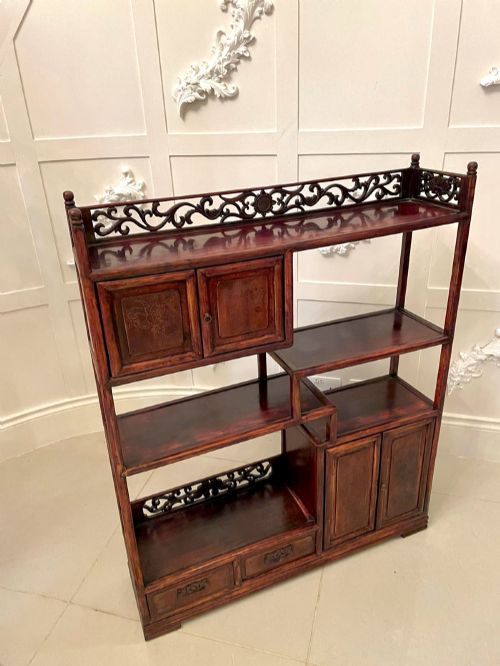
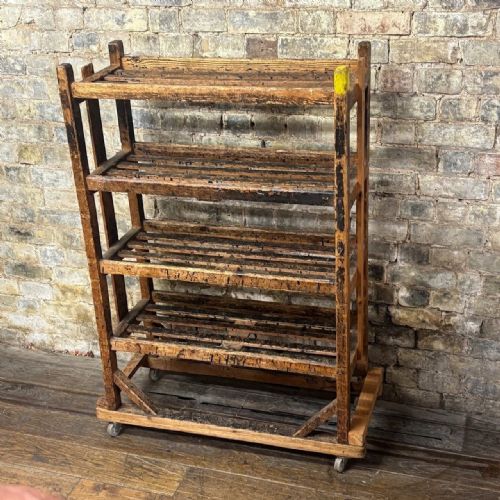
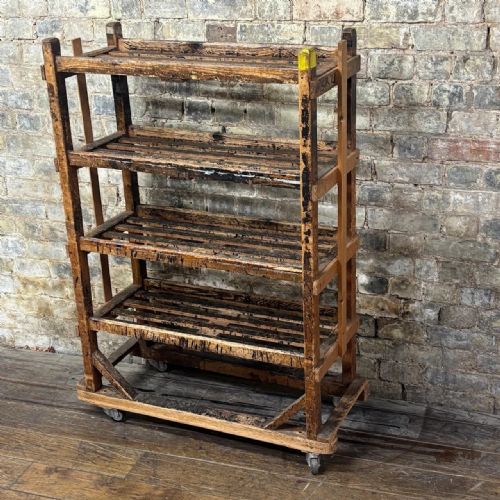
Brown timber shelving encompasses an array of storage solutions designed for books, display, and utility across multiple centuries. When searching for brown timber shelving, buyers encounter forms ranging from industrial wooden shoe trolleys and pigeon hole cabinets to refined breakfront bookcases and corner whatnots.
The selection leans heavily toward nineteenth-century and Edwardian pieces constructed in woods such as mahogany, oak, walnut, and pine. Open bookcases, wall shelves, and display cabinets dominate the offerings, providing both functional storage and traditional aesthetic appeal for domestic spaces.
How they were made
Cabinet makers utilised a variety of solid timbers and veneers, selecting oak, mahogany, walnut, and pine for their structural integrity and grain patterns. Selected pieces incorporate brass hardware, glass panels, and iron elements to complement the primary wooden frames.
Construction methods vary from the sturdy joinery of Georgian plate racks and Victorian open bookcases to the utilitarian assembly of industrial shoe trolleys. Carved details, inlay work, and painted finishes appear on specific regional and period pieces, reflecting the prevailing craftsmanship of their era.
Brown Timber Shelving Retail Price Guide 2026
Typical asking prices for brown timber shelving among the pieces listed under this phrase on Sellingantiques today, from the lower quarter to the upper quarter. They describe what is for sale here now, not the wider market.
The listings span multiple centuries, incorporating oak, walnut, mahogany, and pine across forms from industrial trolleys to Georgian plate racks.
What varies in quality
The choice of timber and veneer fundamentally dictates the grade of a piece, with figured burr walnut and dense mahogany sitting at the upper end of the scale. Superior examples display refined proportions, careful joinery, and well-executed decorative elements such as inlay or carving.
Proportion and utility also separate standard utility items from finer domestic furniture. Smaller dimensions, such as diminutive dwarf bookcases or neat open shelves, often command greater interest through their adaptability to modern interiors.
The Brown Timber Shelving Glossary
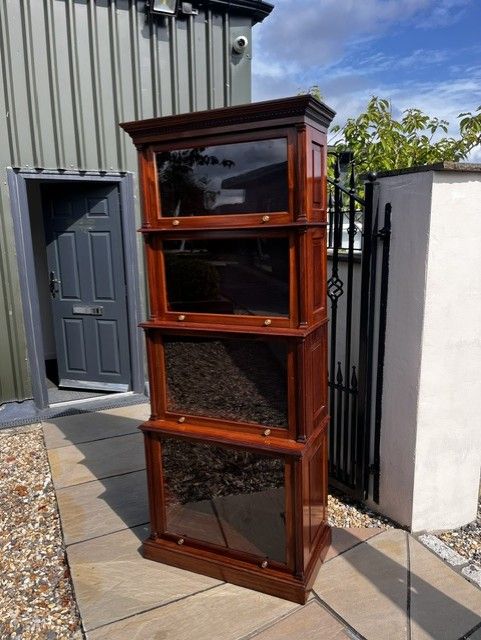
- Barrister bookcase
- A tall storage unit featuring glazed, upward-opening stacking doors designed to protect books.
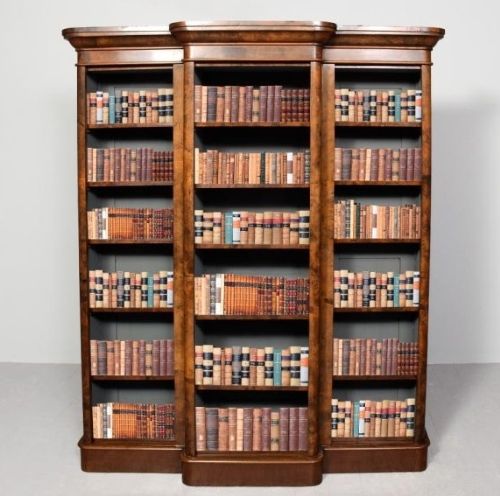
- Breakfront
- A cabinet design where the central section projects forward from the flanking sections.
- Whatnot
- A multi-tiered open shelving unit traditionally used for displaying ornaments and small objects.
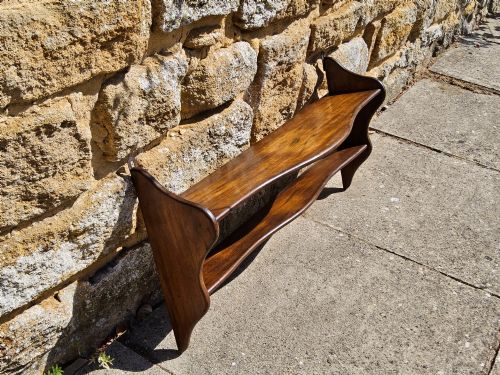
- Plate rack
- A wall-mounted wooden frame featuring grooved shelves and vertical slats to hold plates upright.
- Waterfall bookcase
- A set of open shelves where each tier steps back progressively from bottom to top.
Brown Timber Shelving: Frequently Asked Questions
What is a barrister bookcase?
A barrister bookcase is a modular unit featuring stacked shelves with glass-fronted doors that lift and slide inward.
Originally designed for legal professionals to transport and protect libraries, these pieces allow sections to stack vertically without permanent fixings.
How do I style open bookshelves?
Open bookshelves accommodate a mix of vertical book groupings, horizontal stacks, and decorative objects to break up solid lines of text.
Matching the timber tone of the shelves to existing furniture creates visual continuity within a room.
Are these shelves adjustable?
Certain period bookcases feature adjustable shelving systems, though many older pieces rely on fixed wooden supports.
Mid-Victorian breakfront bookcases and similar larger formats frequently include adjustable shelf heights to accommodate varying book sizes.
How do I identify a whatnot?
A whatnot is a multi-tiered piece of freestanding furniture supported by slender corner posts or turned columns.
These pieces were typically placed in corners or against walls to display ceramics, books, and decorative items.