


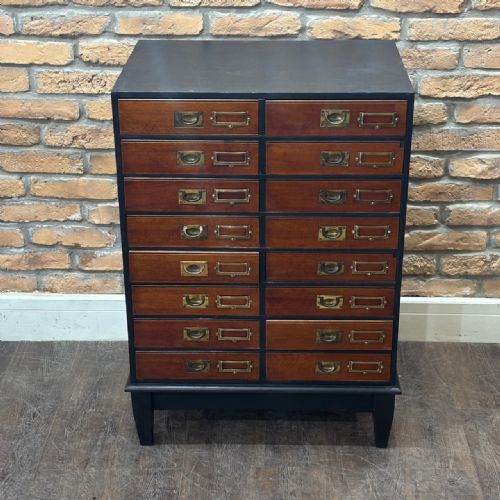


Edwardian Mahogany Collectors Cabinet
When you handle an Edwardian mahogany collectors cabinet, you quickly appreciate the precise drawer engineering and fine timber selection designed to hold natural history specimens or small treasures.
Edwardian Mahogany Collectors Cabinet
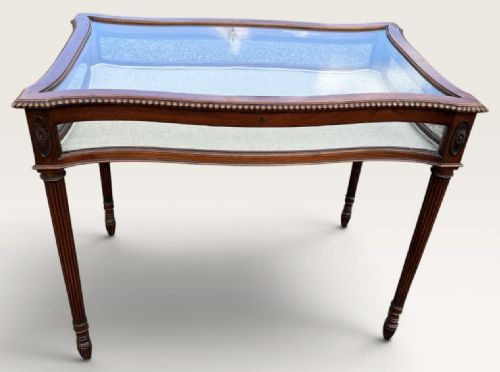
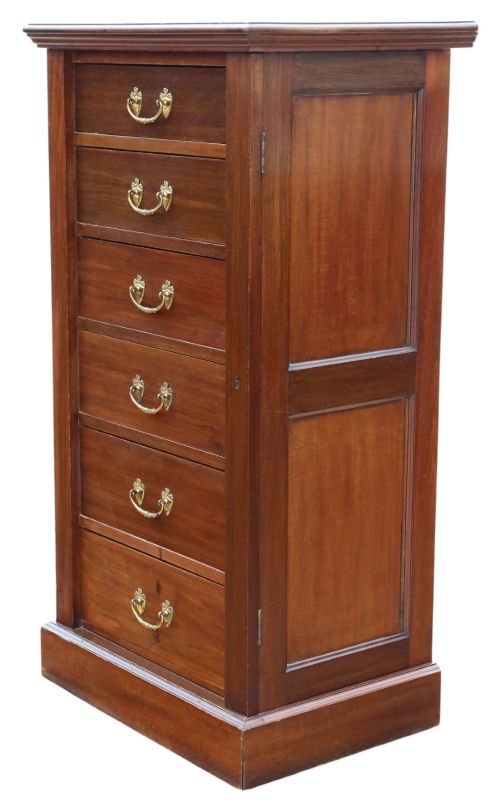
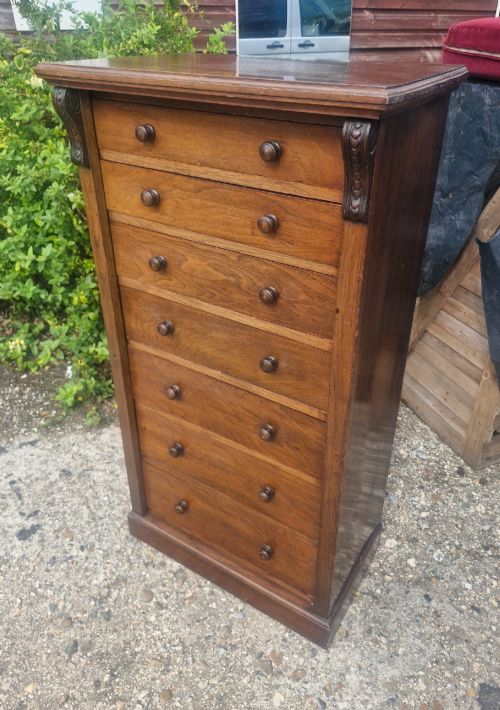
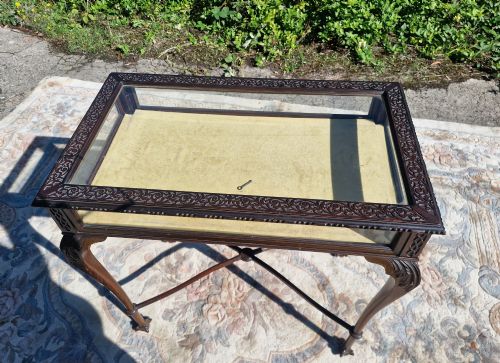
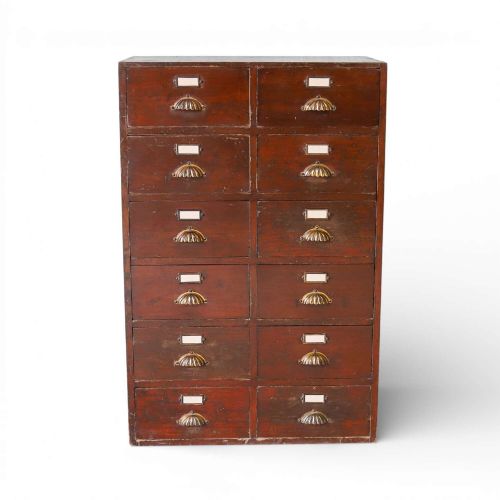
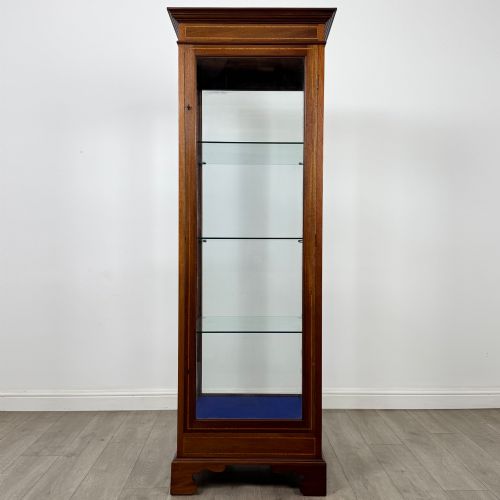
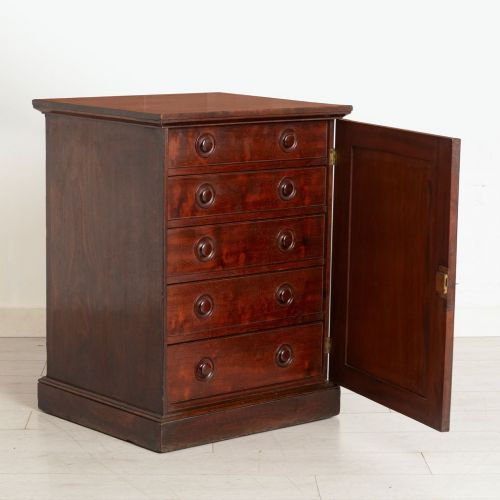
An Edwardian mahogany collectors cabinet gathers multiple shallow drawers or glass-fronted display spaces into a single upright or tabletop case, originating largely from the early twentieth century and the late Victorian era. You encounter freestanding multi-drawer units alongside glazed tabletop vitrines and serpentine bijouterie tables intended for public or private display.
The search phrase spans specialised multi-drawer specimen chests and glass-fronted display furniture built to house butterflies, coins, or jewellery. Makers configured these pieces using dense tropical hardwoods, often incorporating satinwood stringing or brass label holders to keep orderly archives.
Construction and Materials
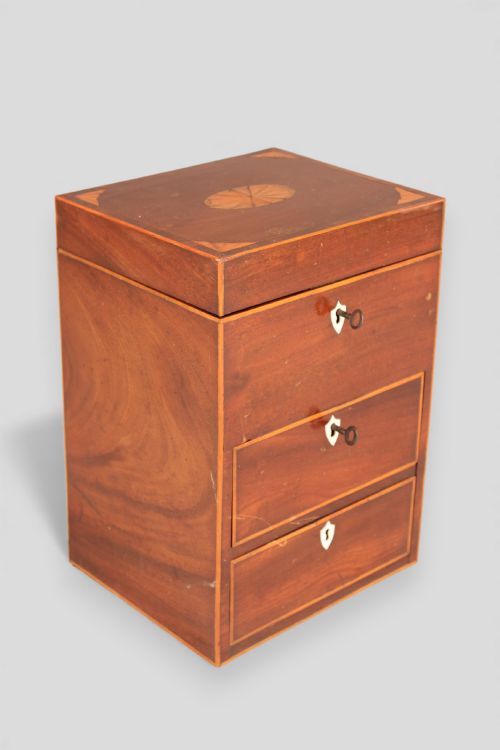
Cabinetmakers built the structural carcases using solid mahogany and figured veneers, applying boxwood and satinwood inlay to linear drawer fronts and tabletops. Interior drawer linings frequently utilise softwoods or cedar, fitted tightly to protect delicate contents from dust and humidity.
Glazed doors utilise thin timber framing and brass hinges, whilst tabletop display cases integrate bevelled glass panels and velvet or fabric linings. Exterior hardware relies on cast brass pull handles, drop handles, and specialised locking mechanisms.
Some Edwardian apothecary chests still retain faint, lingering traces of dried medicinal herbs inside their tightly sealed mahogany drawers.
Evaluating Quality and Craftsmanship
Quality rests on the integrity of the drawer construction, where fine dovetail joints and smooth running actions distinguish superior workshops from commercial production. The thickness and figure of the mahogany veneer, alongside crispness in the boxwood and satinwood inlay, signal higher tiers of cabinetmaking.
Original brass label holders, functioning locks with matching keys, and intact fabric or velvet drawer linings elevate a piece. The structural balance of tall Wellington chests and the precision of glazed joints dictate whether a cabinet remains structurally sound over decades of use.
Brady of Edmonton·Whytock and Reid of Edinburgh·Watkins and Doncaster·J.T. Crockett·Edwards and Roberts
The Edwardian Mahogany Collectors Cabinet Glossary
- Wellington chest
- A tall, narrow chest of drawers secured by a locking hinged side pilaster that fastens over the drawer edges. This clever mechanism locks the entire stack with a single turn of a key.
- Bijouterie table
- A glass-topped display table designed to showcase jewellery, medals, or small curiosities at a comfortable viewing height. These often feature hinged lids and velvet-lined interiors.
- Stringing
- Thin, linear inlay of contrasting timber such as boxwood or satinwood set flush into grooves on drawer fronts or table legs. It creates a subtle border effect characteristic of Edwardian marquetry.
- Vitrine
- A glass-fronted or glass-sided display cabinet intended for the presentation of porcelain, glass, or specimens. The transparent panels protect contents while maximising ambient light.
- Specimen cabinet
- A specialised storage unit containing numerous shallow, dust-proof drawers built to house natural history collections like insects, minerals, or botanical samples. These drawers often feature glass covers.
Edwardian Mahogany Collectors Cabinet: Frequently Asked Questions
What were collectors cabinets used for?
These specialised pieces were built for naturalists, numismatists, and antiquarians to house structured collections of insects, fossils, coins, and small artefacts. The numerous shallow drawers kept fragile specimens organised, dark, and protected from dust.
Over time, many of these cabinets transitioned into general domestic settings to display personal treasures, jewellery, and decorative curiosities rather than scientific specimens.
How do I distinguish Edwardian from Victorian cabinets?
Edwardian pieces generally exhibit lighter proportions, subtler satinwood or boxwood stringing, and a brighter reddish-brown mahogany tone. Victorian versions tend to be heavier, darker in finish, and display more robust carved mouldings.
Drawer construction and internal timber choices also offer clues, as Edwardian workshops increasingly adopted standardised commercial components alongside traditional dovetails.
Are the drawer interiors usually lined?
Many specimen and collectors drawers feature original cotton, velvet, or baize fabric linings designed to cushion delicate items and prevent sliding. These textile inserts are often glued directly to the wooden baseboards of the drawer.
Finding a cabinet with intact, clean original linings is a significant advantage, though many examples have been professionally relined during restoration to preserve their utility.
How should I care for mahogany display furniture?
Keep mahogany furniture out of direct sunlight to prevent the rich reddish timbers and satinwood inlay from fading unevenly. Maintain stable indoor humidity to stop solid wood panels and delicate drawer dividers from warping.
Clean glass panels with standard non-ammonia solutions and apply a light application of traditional beeswax to nourish the polished wood surfaces periodically.