


Fitted Multi Drawer Cabinet
These fitted multi drawer cabinet pieces offer serious storage, and collectors prize them for their practical compartments and authentic period character.
Fitted Multi Drawer Cabinet
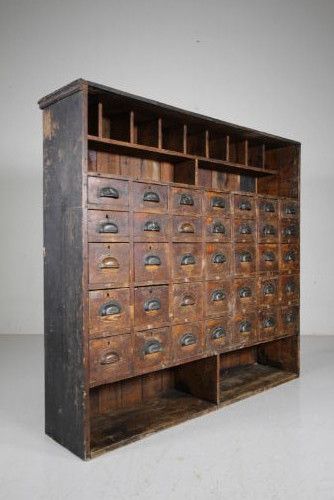
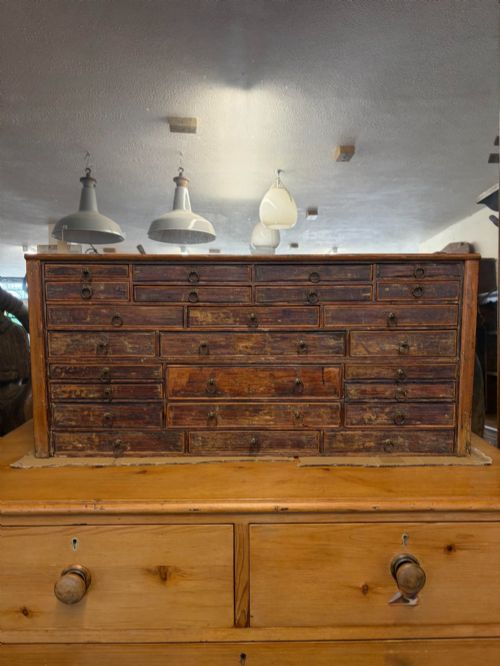
A fitted multi drawer cabinet provides extensive organisation through rows of numerous small drawers designed for functional utility. When exploring a fitted multi drawer cabinet, buyers encounter forms ranging from large shop fittings and haberdashery units to jewellers chests and collectors cabinets.
The selection on this page spans the nineteenth century, the Victorian era, eighteen ninety, nineteen hundred, the Edwardian period, and nineteen thirty. Origins include English, French, and Hungarian workshops, taking the shape of banks of drawers, shop counters, and storage cabinets.
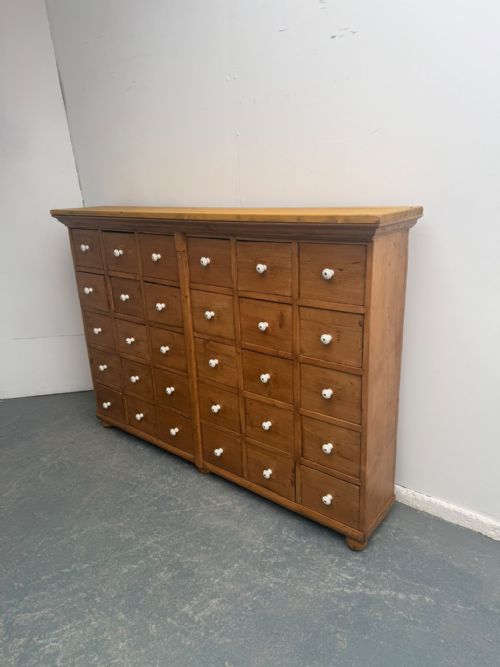
Industrial influences and Victorian industrial styles appear frequently alongside French country and Regency revival aesthetics. Buyers most often meet pine, mahogany, and walnut examples, often featuring numerous compartments built for commercial or domestic sorting.
How they were made
Maker construction relies heavily on solid woods such as pine, mahogany, and walnut, often paired with painted finishes in cream or black and gold. Cabinet makers built robust carcasses to house extensive banks of twenty-five, thirty, or fifty individual drawers.
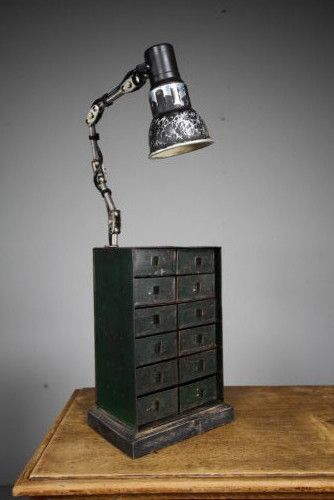
Metal, iron, brass, steel, and cast iron components appear in handles, fittings, and associated hardware like original light fittings. These durable materials ensured the cabinetry withstood heavy daily use in draper shops, jewellers, and commercial trade environments.
What varies in quality
Quality rests in the scale of the timber construction and the preservation of original painted or polished surfaces. Larger configurations with substantial numbers of drawers demonstrate greater ambition in workshop production than smaller domestic units.
The integrity of original hardware, brass pulls, and integrated lighting fixtures elevates certain examples above standard utilitarian survivors. Provenance noted from specific regional trading establishments adds historical weight to individual pieces.
The Fitted Multi Drawer Cabinet Glossary
- Bank of Drawers
- A multistoried assemblage of numerous small drawers arranged in vertical and horizontal rows. These units originated in commercial or workshop settings for organised stock management.
- Haberdashery Cabinet
- A glass-fronted or multi-drawer retail storage unit designed for textiles and small garments. Retailers utilised these pieces to display and store dry goods efficiently.
- Collectors Cabinet
- A specialised piece intended for the orderly storage of natural history specimens, coins, or small objects. These cabinets feature shallow drawers designed for careful preservation.
- Shop Fitting
- Built-in or substantial freestanding furniture created specifically for retail environments. Such pieces reflect robust commercial construction standards.
- Victorian Industrial
- A design crossover combining mid-to-late nineteenth-century domestic or commercial cabinetry with utilitarian metal and iron hardware. This aesthetic merges decorative period timber with heavy-duty function.
Fitted Multi Drawer Cabinet: Frequently Asked Questions
What were multi drawer cabinets used for originally?
These cabinets served primarily in commercial shops, jewellers, draperies, and offices to sort small inventory, tools, and dry goods. Merchants relied on the numerous compartments to keep disparate items organised and accessible during daily trade.
In domestic settings, similar pieces functioned as collectors cabinets or specialised storage chests for documents and personal effects. Their modular layout suited any task requiring the systematic separation of small objects.
How do I date a nineteenth century cabinet?
Dating relies on identifying timber choices, construction techniques, and hardware styles characteristic of specific decades within the Victorian era. Examining dovetail joints and backboards provides reliable clues regarding manufacturing periods.
Specific design traits, such as Regency revival influences or industrial iron fittings, help narrow the timeline further. Comparing the piece to documented shop fittings of the same era confirms its chronological placement.
Where were these storage cabinets manufactured?
Makers across England, France, and Hungary produced these cabinets to supply local businesses, draper shops, and commercial enterprises. Regional woodworking traditions dictated the choice of local timber, such as pine or mahogany.
Imported styles often reflected broader European retail trends of the late nineteenth and early twentieth centuries. Surviving trade labels or stamps occasionally pinpoint the exact town of origin.
How do I incorporate a large bank of drawers at home?
Large drawer units provide exceptional storage capacity for kitchens, studios, or living spaces seeking a utilitarian focal point. Positioning a substantial piece against a neutral wall allows the multiple drawer fronts to display their natural timber or painted finish.
Selecting a configuration that matches available floor space ensures the cabinet complements existing room layouts. The surface top also offers functional display area for lamps or decorative objects.