


Edwardian Mahogany Coffee Table
An edwardian mahogany coffee table brings functional surface space and period craftsmanship into a modern sitting room.
Edwardian Mahogany Coffee Table
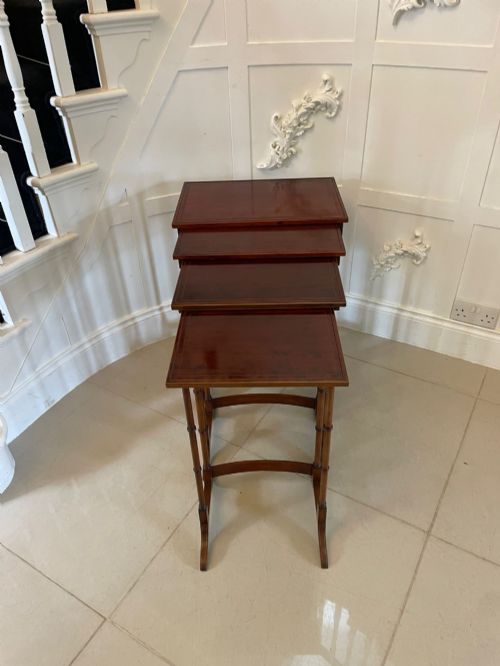
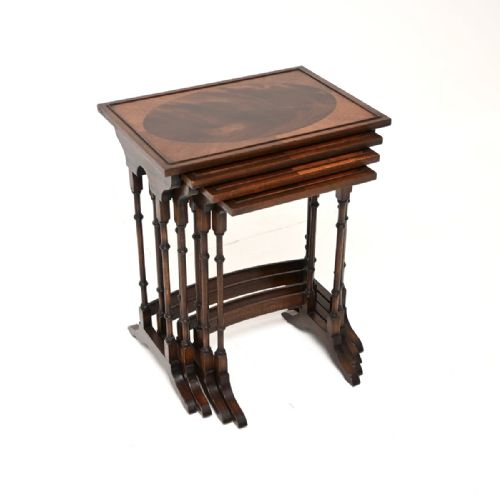
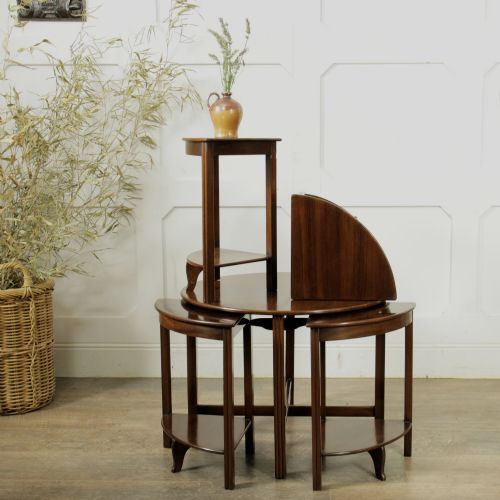
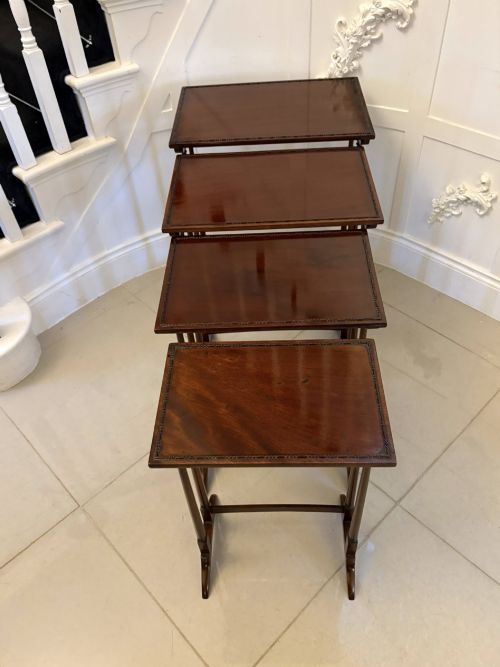
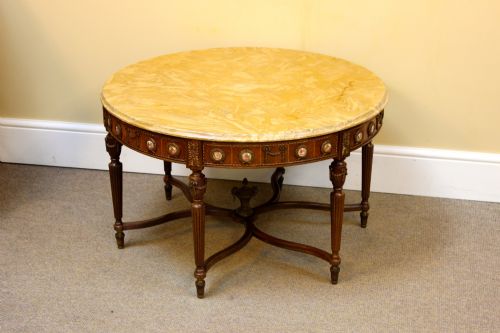
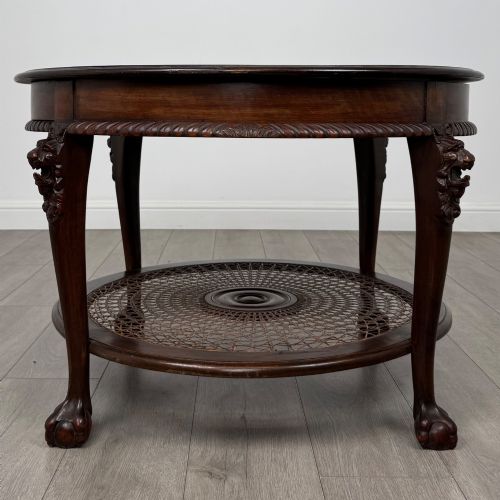
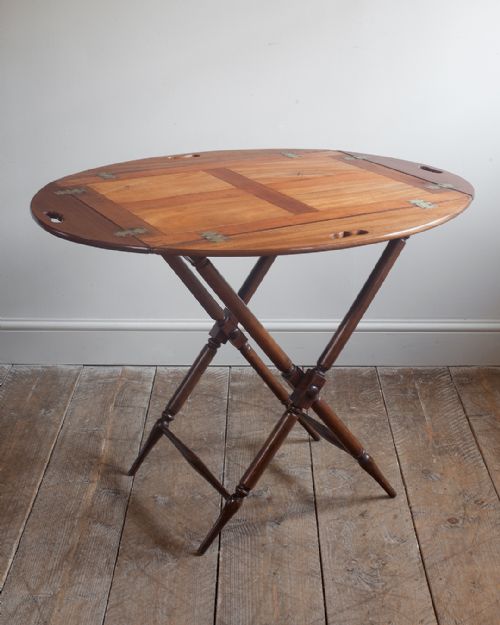
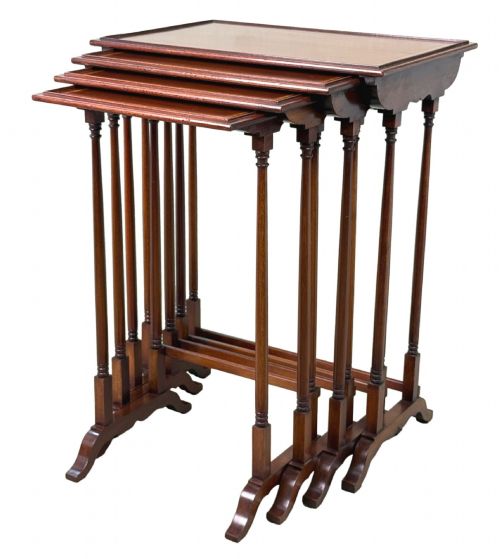
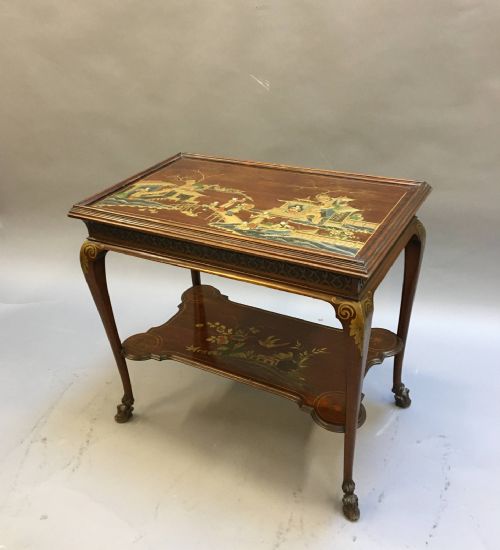
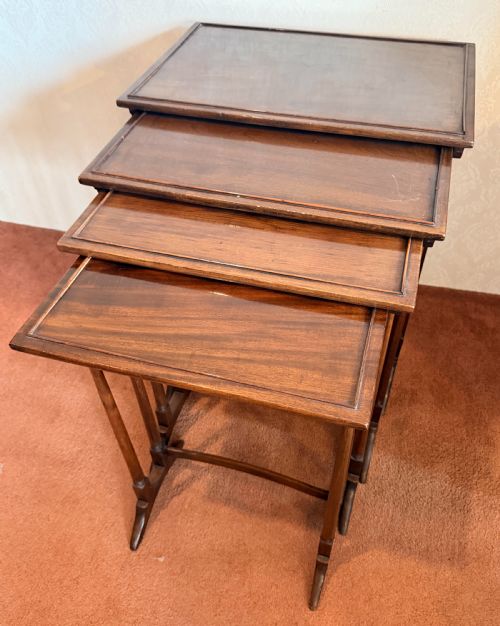
When searching for an edwardian mahogany coffee table, collectors encounter pieces that span formal drop-flap serving stands, multi-tiered occasional tables, and nests of four tables designed for stacking. These items originate predominantly from the Edwardian era alongside late Victorian periods and later revivals.
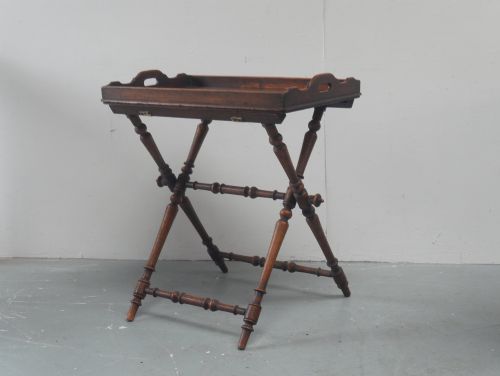
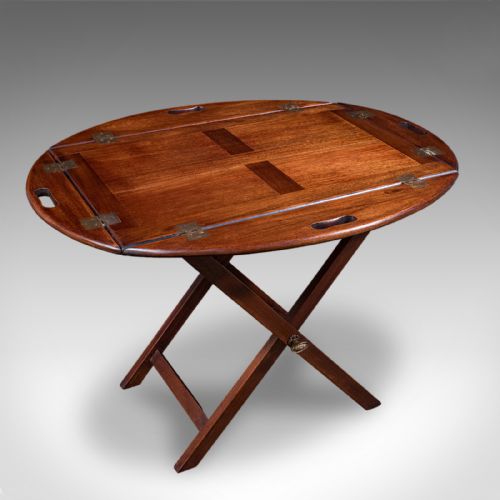
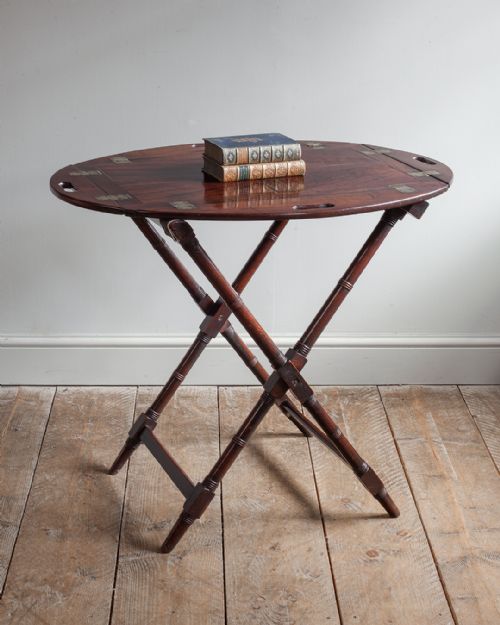
The format frequently appears as a quartetto nest of tables, an oval tray top table on a folding stand, or a dropleaf design utilised for flexible entertaining. Such variations reflect the versatile domestic requirements of early twentieth-century households.
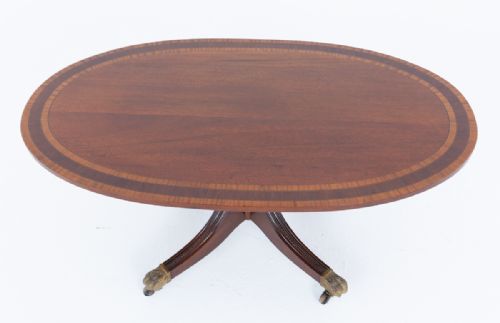
Pieces frequently display stylistic influences from the Georgian and Regency periods, incorporating Sheraton revival motifs alongside standard Edwardian production methods. This blend of historic inspiration and functional domestic design defines the category.
How They Were Made
Construction relies heavily on solid mahogany and mahogany veneers, often enhanced with contrasting boxwood and satinwood inlay to define table edges and surface borders. Turnery appears on legs and supports, while hardware relies on brass fittings for drop-flaps and folding mechanisms.
Surfaces occasionally feature embossed or plain leather panels inset into the timber top, alongside specialised elements such as fiddleback grain patterns. Joinery techniques connect turned legs to aprons and frames designed to support everyday use.
Some six-sided occasional tables turn up with enough angular charm to confuse any geometry teacher.
What Varies in Quality
Quality differentiates through the precision of cabinetmaking, particularly in the alignment of nesting tables and the stability of folding tray stands. Superior examples display refined proportions and crisp inlay work without awkward joints.
The selection of timber grain, such as flame mahogany or fiddleback figures, elevates the visual depth of the surface. Finer pieces maintain original hardware and stable structural framing across multi-tiered and dropleaf formats.
The Edwardian Mahogany Coffee Table Glossary
- Quartetto
- A set of four graduating tables designed to nest together. They stack neatly beneath one another to save floor space when not in use.
- Butlers Tray
- A removable wooden tray with hinged or fixed sides, traditionally used for serving and placed upon a folding wooden stand. This form provides a portable surface for drinks or refreshments.
- Satinwood
- A durable, yellowish timber utilised for stringing and decorative inlay work on mahogany furniture. Its pale tone creates sharp visual contrast against darker woods.
- Dropleaf
- A table top featuring hinged side flaps that fold down to reduce the overall footprint. Brackets or swing legs support the flaps when raised.
- Pie-Crust
- A carved, raised decorative edge shaped in rhythmic curves resembling pastry work. This detail appears on circular table tops.
Edwardian Mahogany Coffee Table: Frequently Asked Questions
How do I use a nest of tables?
Nesting tables provide multiple surfaces that pull out independently when guests require space for drinks or books. They stack back into a single footprint when floor space is needed.
This modular design allows them to function around a seating area without permanent crowding.
How do I identify Edwardian furniture?
Edwardian pieces date from the reign of King Edward VII between 1901 and 1910, though the style extends slightly either side. They often combine lighter proportions with Sheraton revival mahogany and delicate boxwood inlay.
Construction methods reflect industrial advances while retaining skilled cabinetmaking techniques.
Can I use a dropleaf table daily?
Dropleaf tables accommodate changing space requirements by dropping their sides when a smaller footprint is desired. The folding mechanism requires gentle handling to preserve the original hinges.
Raised flaps provide adequate surface area for regular living room use.