




Red Mahogany Coffee Table
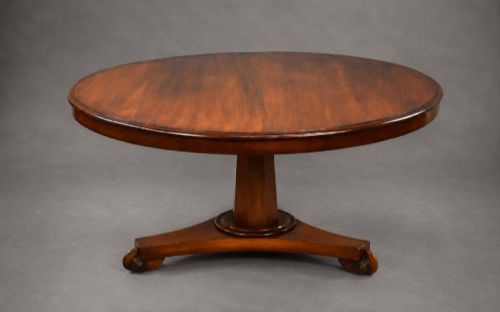
A red mahogany coffee table brings deep timber grain and enduring British craftsmanship into a sitting room.
Red Mahogany Coffee Table
When you search for a red mahogany coffee table, you encounter low tables, butler trays, and upholstered centre stools adapted for modern living. These pieces originate from various eras, including the Georgian, Victorian, and Edwardian periods.
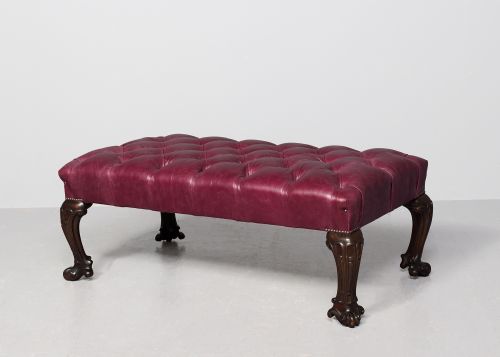
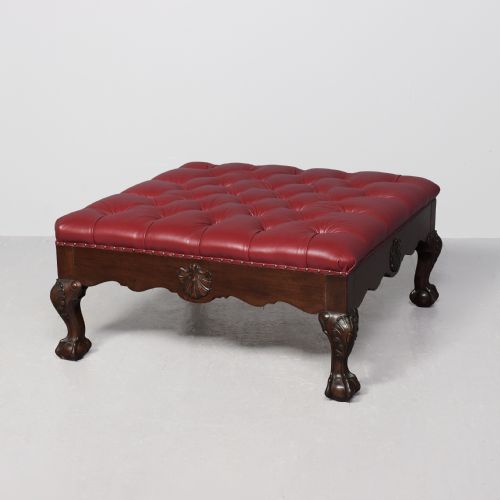
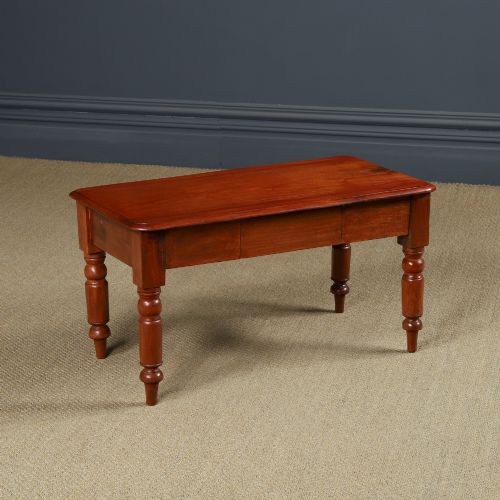
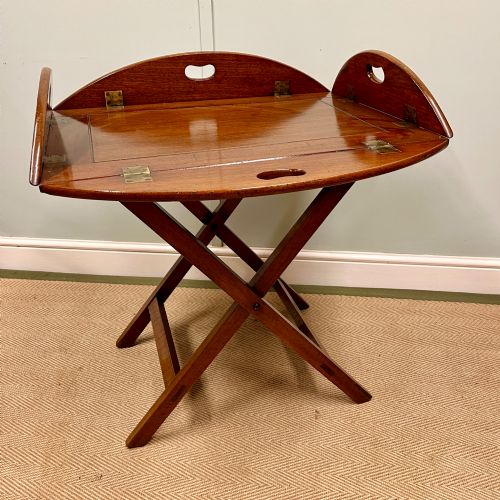
The most common form on this page is the low coffee table or converted centre table, often accompanied by butler trays and upholstered stools. They display the rich timber tones characteristic of traditional British cabinet making.
How they were made
Cabinet makers utilised solid mahogany and figured mahogany veneers over secondary timbers to achieve deep reddish-brown surfaces. Workshops shaped these materials with carved details, pie crust edges, and inlaid marquetry.
Many tables incorporate brass hinges, handles, or castors to aid movement and function. Upholstered variants feature buttoned leather hides in burgundy and red tones secured with traditional tacks.
Red Mahogany Coffee Table Retail Price Guide 2026
Typical asking prices for red mahogany coffee table among the pieces listed under this phrase on Sellingantiques today, from the lower quarter to the upper quarter. They describe what is for sale here now, not the wider market.
The listings span pieces from the eighteenth century through to the Edwardian era, incorporating brass and leather elements alongside solid mahogany.
What varies in quality
The distinction between ordinary and exceptional pieces lies in the depth of timber figure and the crispness of carved details. Superior examples display carefully matched grain patterns and substantial structural weight.
Hardware and secondary materials also dictate standing. Original brass fittings and high-grade leather upholstery elevate a piece above standard utilitarian examples.
The Red Mahogany Coffee Table Glossary
- Mahogany
- A durable tropical hardwood prized for its rich reddish-brown colour and fine grain. Cabinet makers selected it extensively for formal British furniture.
- Butler tray
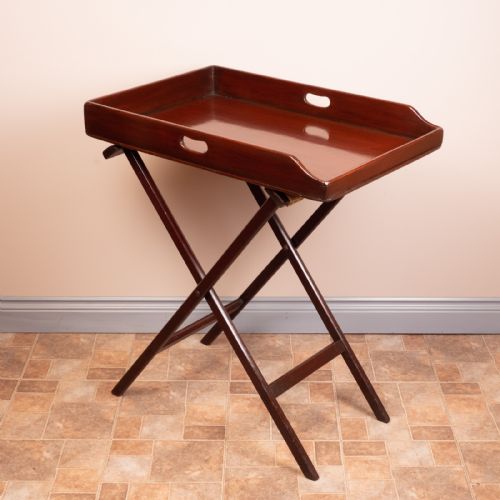
- A portable wooden tray with hinged sides, designed to rest upon a folding stand. They served domestic dining purposes before finding new life as coffee tables.
- Pie crust
- A raised, carved tabletop edge shaped in undulating curves reminiscent of pastry crusts. This decorative moulding appeared on finer tables.
- Centre stool
- A large upholstered seat designed to stand in the middle of a room. Many examples now function as low coffee tables in contemporary settings.
- Figured mahogany
- Timber cut to reveal distinctive patterns in the grain, such as flame or sunburst figures. It added visual depth to prominent table surfaces.
Red Mahogany Coffee Table: Frequently Asked Questions
Are these tables solid mahogany?
Most pieces combine solid mahogany frames with figured mahogany veneers applied to tabletops. Cabinet makers used solid timber for structural integrity and legs.
Secondary woods often appear beneath veneers or on internal components. This construction method prevented warping while displaying decorative grain patterns.
How do I care for leather upholstery?
Keep leather surfaces away from direct sunlight and heat sources to prevent the hide from drying out. Apply a suitable leather balm periodically to maintain suppleness.
Avoid excessive moisture during cleaning and wipe spills immediately with a dry cloth. This preserves the rich red and burgundy tones.
Can butler trays be removed?
Butler trays typically lift completely off their folding wooden stands for easy movement and storage. The stands themselves fold flat when not in use.
This portable design allowed servants to transport items between rooms easily. Today, the configuration offers flexible placement options in a sitting room.
How do I distinguish Victorian from Georgian styles?
Georgian and Georgian Revival pieces tend to exhibit restrained classical proportions and fine carving. Victorian examples often incorporate heavier timbers and robust proportions.
Stylistic revivals in the later nineteenth century frequently borrowed earlier motifs. Examining the construction methods and timber characteristics helps clarify the period.