

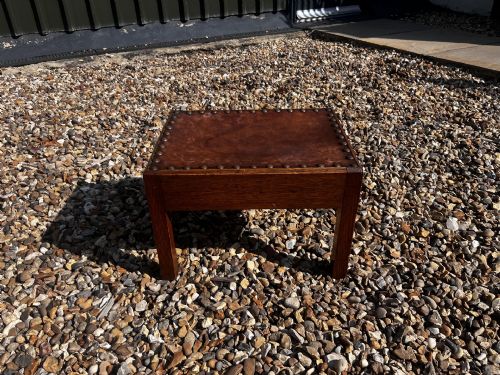


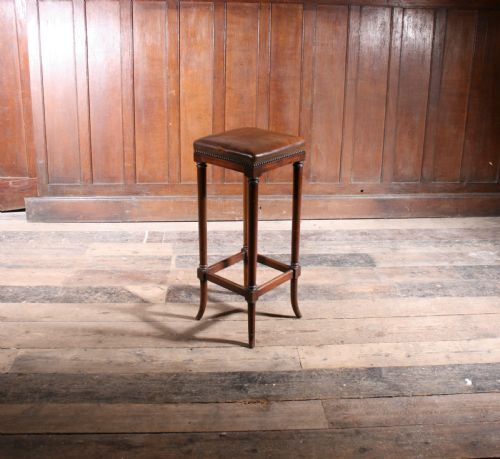


Edwardian Leather Stool
An edwardian leather stool brings domestic comfort and period character into a room, combining tactile hides with sturdy timber frames.
Edwardian Leather Stool
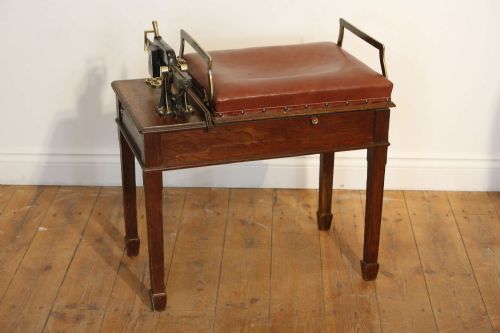
When you search for an edwardian leather stool, you encounter low footstools, piano benches, and taller seating designed for functional daily use. The pieces listed span compact dressing stools and substantial ottomans, reflecting the diverse domestic seating requirements of the period.
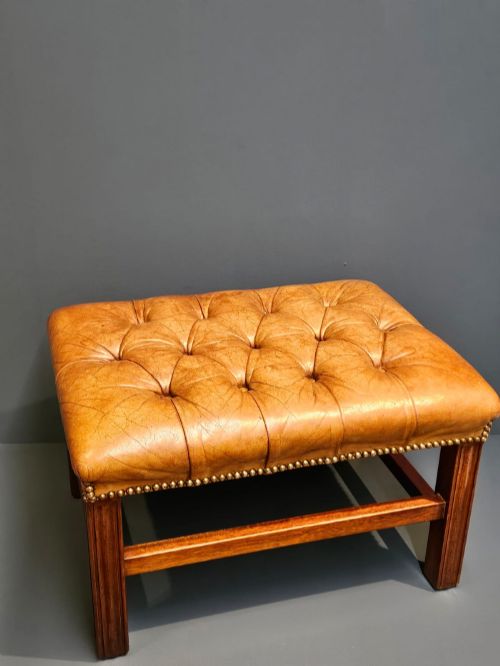
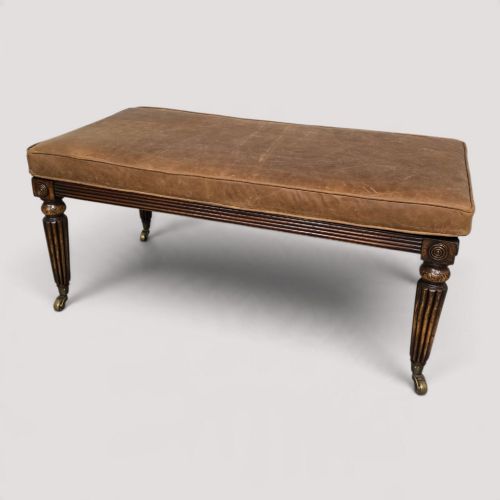
Mahogany and oak form the structural backbone of these examples, frequently paired with tan, green, or simulated crocodile leather upholstery. You regularly find simpler forms alongside pieces exhibiting decorative carving or brass stud detailing.
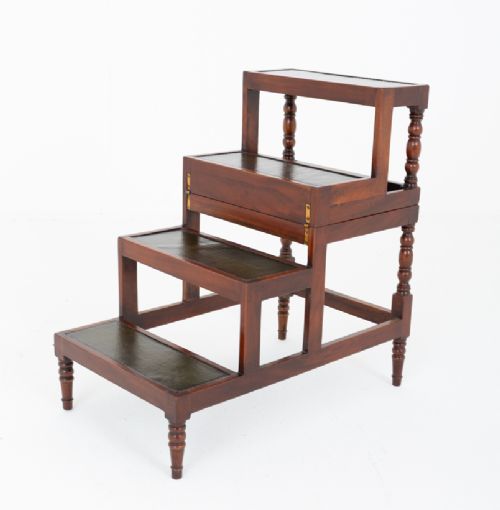
Originating predominantly from the early twentieth and late nineteenth centuries, these items demonstrate traditional British furniture making. The selection encompasses straightforward domestic forms alongside specialised library steps and metamorphic gout stools.
Determinants of quality
The sophistication of the timber carving and the precision of the frame joinery separate standard domestic seating from finer workshop productions. Better examples display careful attention to structural proportion and timber grain.
The grade of the leather upholstery and the integrity of traditional buttoning or stud work influence the overall finish. Superior pieces retain well-preserved hide surfaces that show natural ageing without structural compromise.
Edwardian Leather Stool Retail Price Guide 2026
Typical asking prices for edwardian leather stool among the pieces listed under this phrase on Sellingantiques today, from the lower quarter to the upper quarter. They describe what is for sale here now, not the wider market.
Lion head carvings peer out from beneath the upholstery on select oak stools, keeping a silent watch over the floor.
Arthur Simpson Of Kendal·Arthur W Simpson·James Shoolbred
The Edwardian Leather Stool Glossary
- Cabriole leg
- A furniture leg featuring a double curve, typically swelling outward at the knee and tapering inward to a foot. This form draws inspiration from animal limbs and appears frequently on period seating.
- Metamorphic
- Describing furniture designed to transform into another object, such as library steps converting into a seat. These clever mechanisms required precise engineering.
- Gout stool
- An adjustable footstool specifically designed to elevate and support a foot afflicted with gout. They often feature pivoting top sections for custom angles.
- Buttoned leather
- An upholstery method where deep indentations are created by pulling twine through the leather and padding to secure buttons. This technique provides both visual depth and structural tightness.
Edwardian Leather Stool: Frequently Asked Questions
How do I identify an Edwardian piece?
Edwardian seating typically displays lighter proportions and simpler lines compared to heavier Victorian predecessors. Makers often utilised mahogany or oak with restrained decorative elements.
Examine the construction methods and upholstery styles underneath the piece to confirm the period of origin. Comparing the timber finish with known examples helps verify the date.
Where were these stools used?
These items served various rooms including drawing rooms, libraries, and bedrooms as footrests or seating. Tall variants functioned in workspaces or at bars.
Specialised forms like piano benches and metamorphic steps fulfilled specific household tasks. Their portability allowed owners to move them easily around the home.
How should I clean leather?
Maintain the hide by dusting gently with a dry cloth and applying appropriate leather balms periodically. Avoid harsh chemical cleaners that strip natural oils.
Keep pieces away from direct heat sources and strong sunlight to prevent the leather from drying and cracking. Regular gentle care preserves the supple texture.
Are these pieces sturdy?
Hardwood frames constructed with traditional joinery offer robust support for daily sitting or resting feet. Solid timber construction ensures lasting stability.
Check the tightness of the frame joints and the condition of the internal webbing or stuffing. Sound construction guarantees the stool remains functional for regular use.