


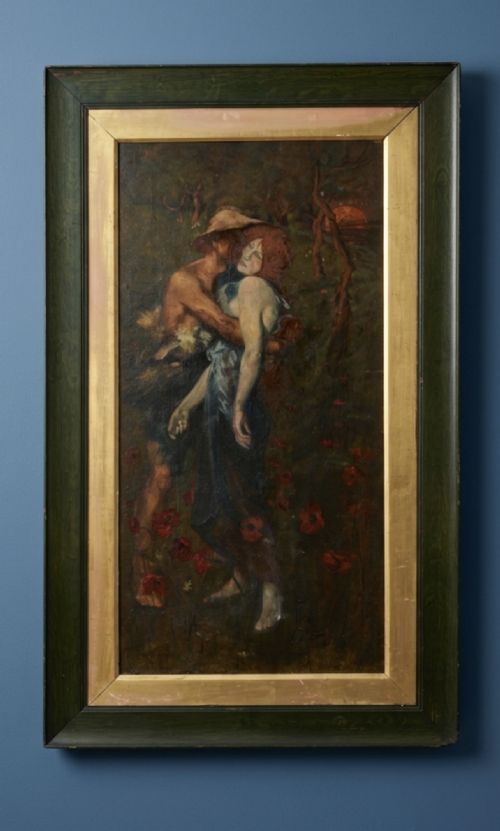
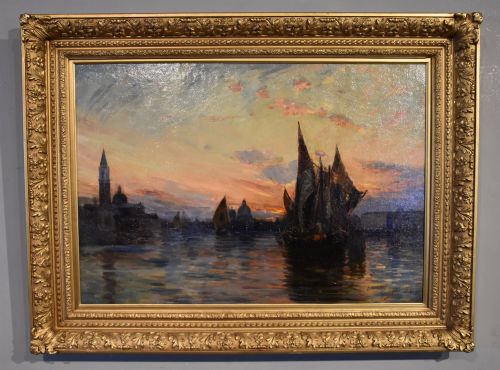
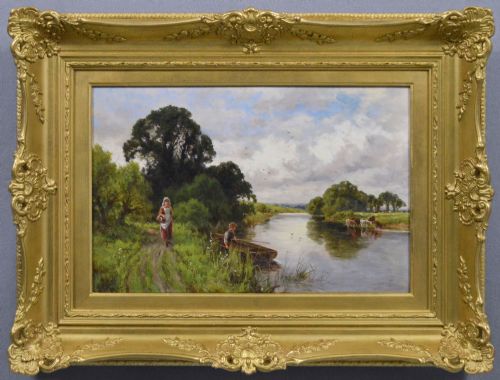
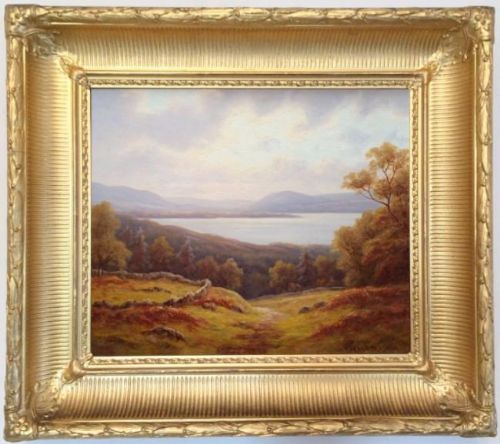
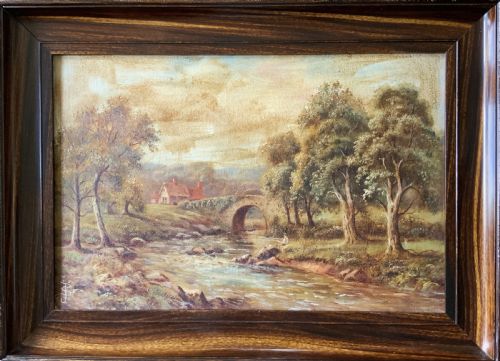

Edwardian Landscape Canvas Painting
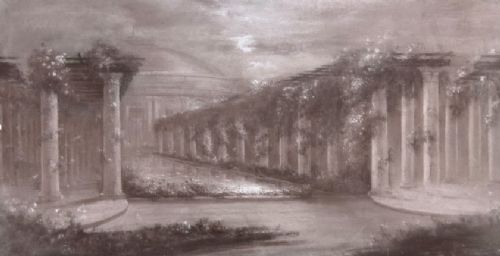
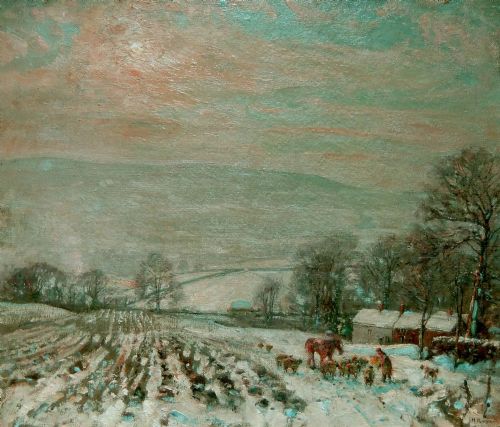
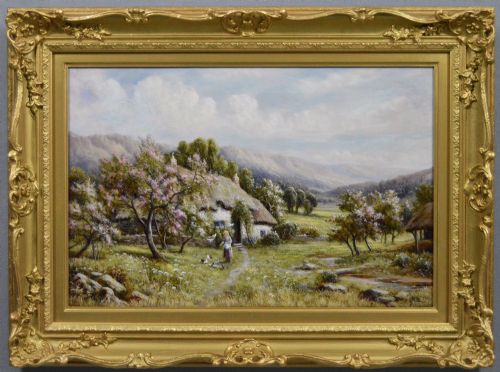
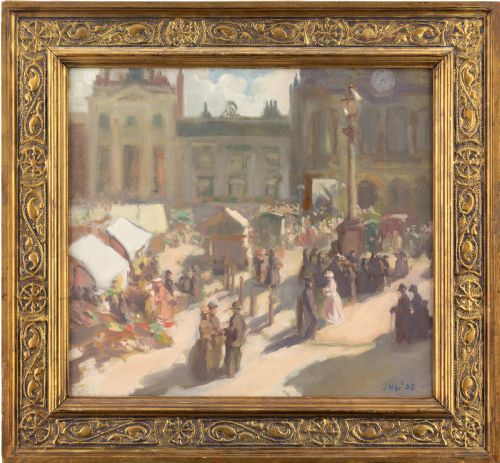
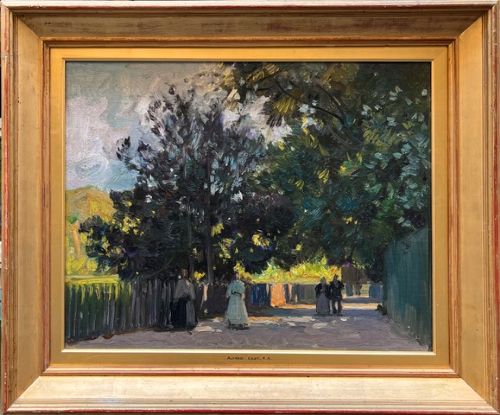
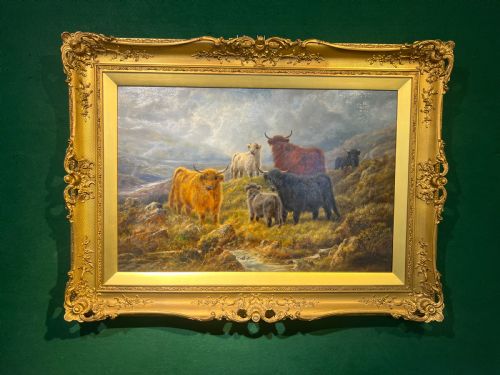
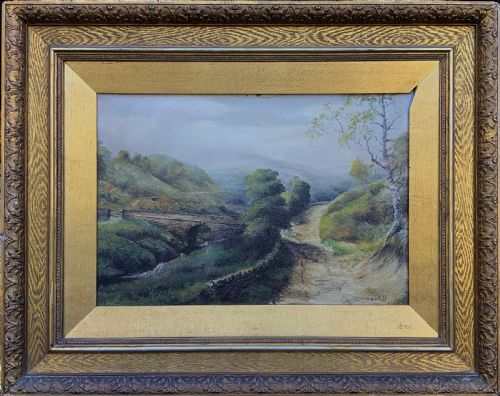
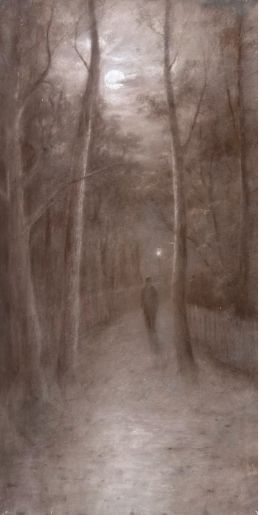
These edwardian landscape canvas painting works capture quiet rural paths, rivers, and woodland scenes through the brush of early twentieth-century artists.
Edwardian Landscape Canvas Painting
When looking for an edwardian landscape canvas painting, a buyer is examining original artwork spanning the period around the turn of the twentieth century, stretching from late Victorian roots into the nineteen-thirties.
The pieces on this page are dominated by oil paint applied to canvas, often supported by wooden stretchers, capturing British countryside scenes, rivers, cottages, and coastal views.
Most examples reflect the prevalent British Impressionism and tonalist movements of the time, recording pastoral calm through subtle colour harmonies and observational brushwork.
What separates the finer examples
Quality rests on the confidence of the brushwork and the artist's ability to capture natural light and atmospheric depth across the canvas.
Works by established named painters demonstrating distinct tonal control and balanced composition stand apart from anonymous student copies or standard decorative works.
The harmony of the original frame, the stability of the canvas support, and the preservation of the oil paint surface all contribute to the standing of a piece.
Materials recorded across the archive include oil paint, canvas, wood, giltwood, and gesso.
William H Myers·Herbert Royle·Robert John Hammond·John Hodgson Lobley·Sir Alfred East·Robert Watson·Thomas Hodgson Liddell·Henry H Parker·Everett Watson Mellor·Sydney Yates Johnson·John Emms·Archibald Kay·Owen Bowen·George Wright·Thomas Bromley Blacklock·John Sanderson Wells·Reginald Grange Brundrit·Henry John Yeend King·William Greaves·William Sydney Cooper·Stanley Leader·M C Hider·Clarence Henry Roe·Frank Hider·Frederick James Knowles
The Edwardian Landscape Canvas Painting Glossary
- Oil on Canvas
- Pigment mixed with drying oil applied to a woven fabric support. This method allows for rich blending and textured brushstrokes.
- Gesso
- A plaster mixture applied to wood surfaces as a base for gilding or moulding. It frequently appears on period picture frames.
- British Impressionism
- A painting style focusing on light and everyday subjects through visible brushwork. Practitioners captured domestic scenery with loose realism.
- Tonalism
- An artistic approach emphasising shadow, atmosphere, and a restricted palette. These works evoke moody or quiet emotional responses.
- Stretcher
- The wooden framework that holds a canvas taut. Period pieces often use wedge-cornered timber frames.
Edwardian Landscape Canvas Painting: Frequently Asked Questions
What periods do these landscape paintings cover?
The listings span from the late nineteenth century through the Edwardian era up to the nineteen-thirties. Many works cluster around the nineteen-hundreds and nineteen-tens.
While rooted in Victorian pastoral traditions, the handling reflects early twentieth-century British art movements.
Are these works signed by the artists?
Several pieces feature clear signatures or attribution to known British painters of the period. Others remain indistinctly signed or represent the wider English school.
Researching the recorded names reveals regional British exhibition histories and professional memberships.
How should I hang an oil painting on canvas?
These works require sturdy picture hooks suited to the weight of the wooden frame and canvas. Keep them away from direct sunlight and damp environments to protect the oil medium.
Stable indoor temperatures prevent the wooden stretcher and canvas from warping over time.
What subjects appear most often in these scenes?
Common subjects include English rivers, cottages, woodland paths, livestock, and coastal views. Artists frequently captured quiet rural moments and changing daylight.
Regional locations across Yorkshire, Kent, Wales, and Scotland recur throughout the collection.