

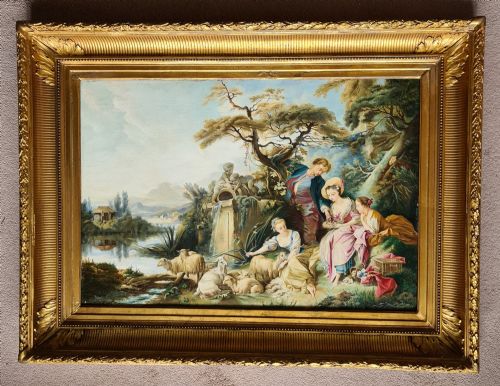
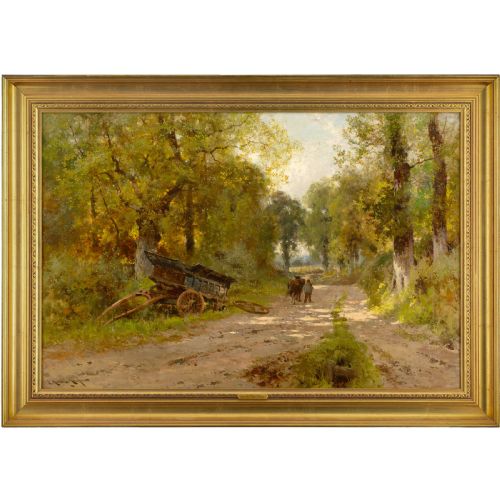
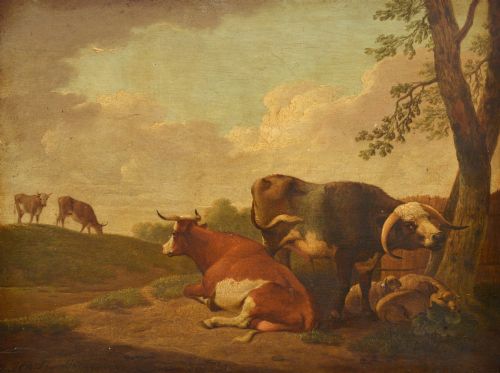
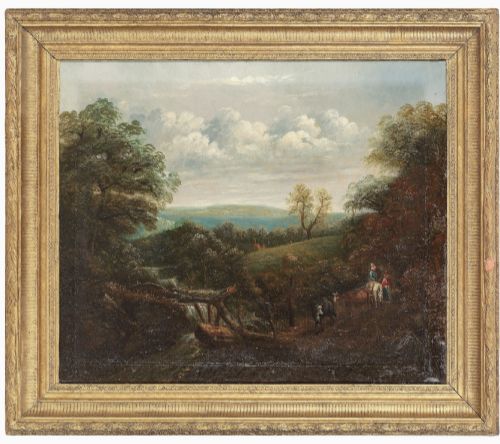
Canvas Pastoral Wall Art
Canvas pastoral wall art captures rural idylls and rustic life through brush and pigment, offering buyers an enduring window into traditional countryside scenes.
Canvas Pastoral Wall Art
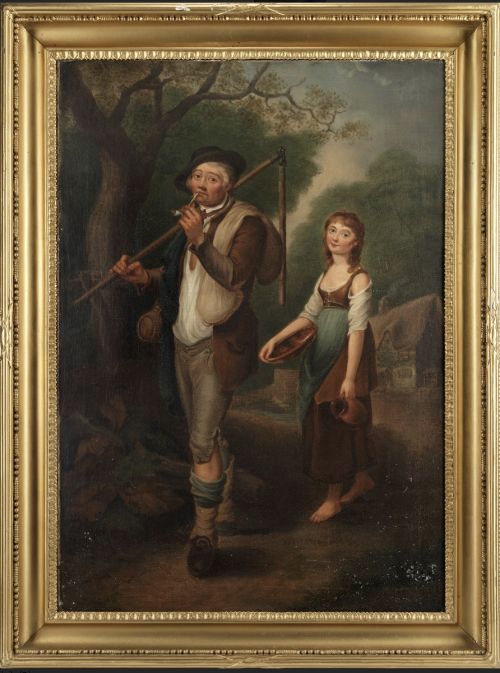
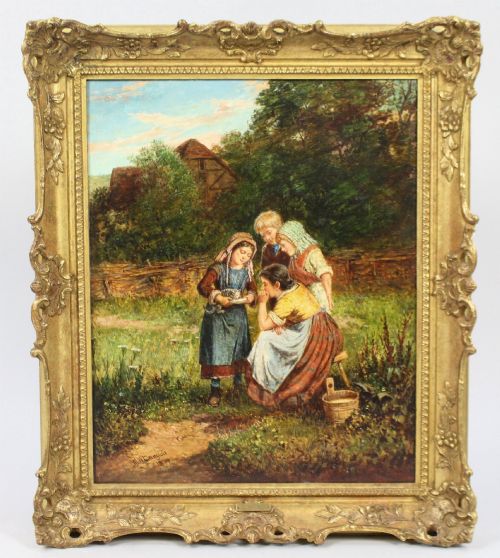
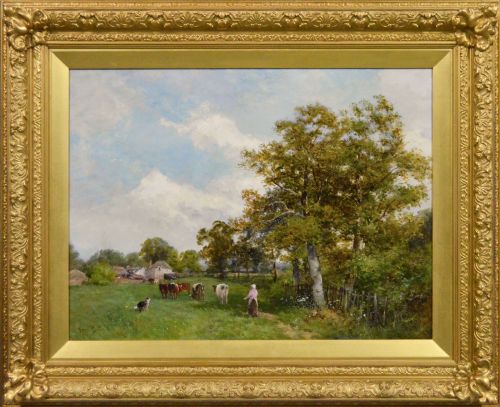
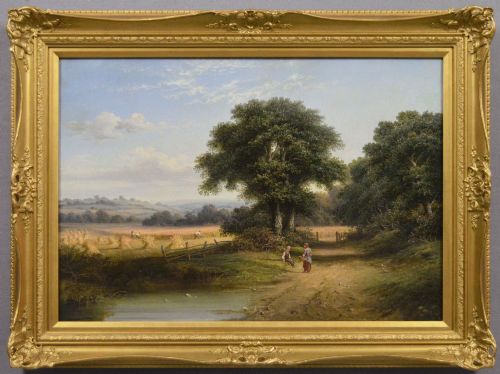
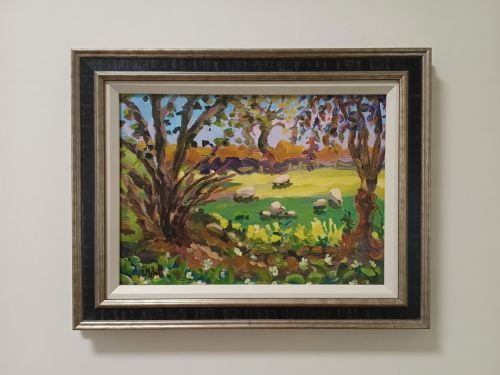
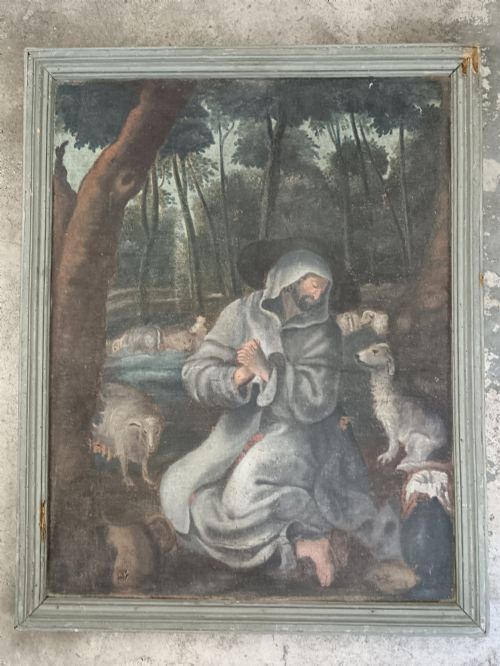
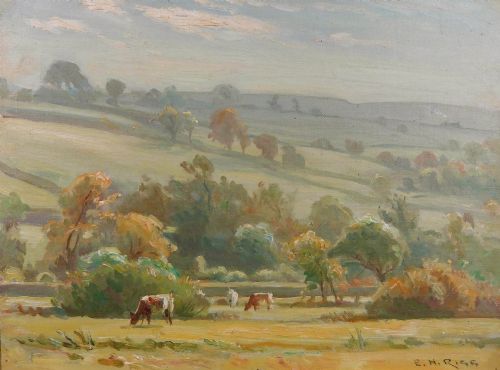
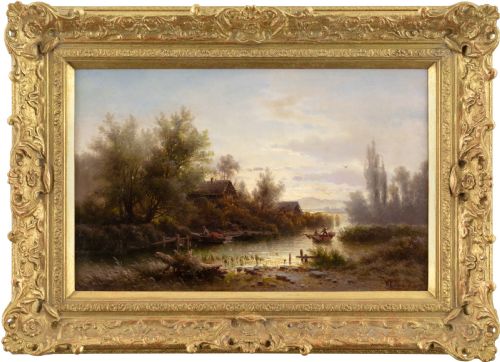
Canvas pastoral wall art encompasses oil paintings depicting rural landscapes, agricultural scenes, and traditional country life. The selection ranges from Victorian and Edwardian British countryside views to Continental European compositions.
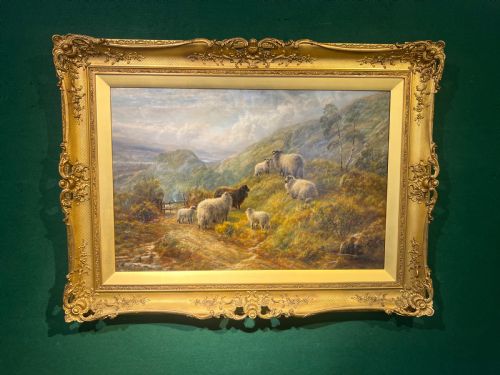
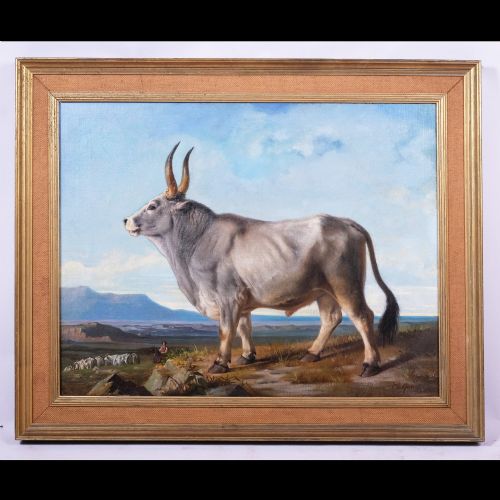
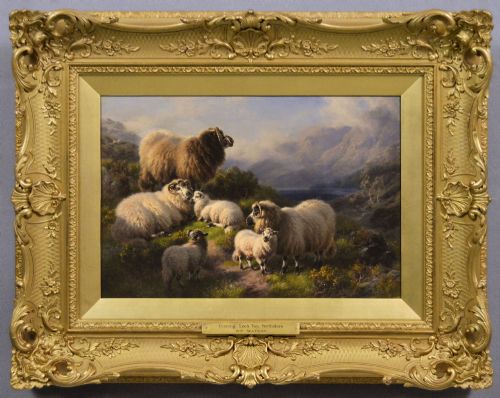
Buyers will most frequently encounter nineteenth-century oil paintings on canvas framed in wood and gesso. These works often feature herds of cattle, grazing sheep, and figures beside rivers or cottages.
How these paintings were constructed
The foundation of these works consists of woven canvas stretched across wooden frames to provide a stable painting surface. Artists applied oil paint, utilising its slow drying time to blend tones and build rich surface textures.
Many surviving canvases are housed within their original gesso and giltwood frames. These ornate wooden surrounds were carved and gilded to complement the visual depth of the pastoral scenes within.
Watch closely for hidden changes in the paint layers where cattle were painted over or repositioned by the artist long ago.
What distinguishes finer examples
Quality in these pastoral works rests upon the artist's handling of light, atmosphere, and anatomical proportion within figures and livestock. Superior pieces demonstrate confident brushwork and a coherent sense of space that draws the viewer into the landscape.
The preservation of the original oil pigment and the integrity of the canvas support the overall merit of the piece. Additionally, the craftsmanship of the accompanying giltwood frame contributes significantly to the integrity of the ensemble.
William H Myers·John Horace Hooper·Hendrik Willem Schweickhardt·Thomas Barker of Bath·Mark William Langlois·David Bates·Walter Heath Williams·Lucy Pratt·Ernest Higgins Rigg·Robert Watson·Albert Rieger·William Watson Jnr·Henry H Parker·Henry Schouten·Jan Miel·Owen Bowen·Charles Clair·Charles Zacharie Landelle·William Henry Mander·Thomas Sidney Cooper·John Sanderson Wells·Alfred Augustus Glendening Jnr·Friedrich von Kaulbach·William Sydney Cooper·Claude Lorrain
The Canvas Pastoral Wall Art Glossary
- Gesso
- A plaster-like mixture applied to wooden frames as a smooth base for gilding. This material was moulded or carved to create decorative relief patterns.
- Giltwood
- Wood that has been coated with a thin layer of gold leaf. It frames many period oil paintings with a bright, reflective border.
- Pentimento
- An alteration in a painting where previous brushstrokes show through the upper layers of paint. This reveals an artist's change of mind during the creative process.
- Italianate
- A stylistic influence derived from the landscape and architecture of Italy. Painters utilised these classical elements to evoke an idealized pastoral atmosphere.
- Grisaille
- A painting executed entirely in shades of grey or neutral monochrome. Artists used this technique to emulate the appearance of stone sculpture or preparatory sketches.
Canvas Pastoral Wall Art: Frequently Asked Questions
What subjects define pastoral art?
Pastoral art focuses primarily on rural life, agricultural labour, and domesticated animals within open landscapes. Herds of cattle, grazing sheep, and figures near rustic cottages are common motifs.
These scenes reflect an idealized view of the countryside that proved immensely popular throughout the nineteenth and early twentieth centuries.
How should I hang canvas art?
Canvas paintings require stable wall environments away from direct sunlight and excessive moisture to protect the oil pigment and canvas support. Secure picture hooks matched to the weight of the wooden frame ensure safe mounting.
Allowing adequate wall space around the piece lets the detailed brushwork and giltwood frame command the room.
How do I identify the period?
Dating relies upon examining the canvas preparation, the style of the brushwork, and the framing techniques typical of specific eras. Signatures, inscriptions, and artist records also help establish a clear chronology.
Victorian and Edwardian works often display distinct realism and atmospheric qualities unique to their respective decades.
Are these works original paintings?
The inventory consists predominantly of original oil paintings executed directly onto stretched canvas by period artists. Some listings also incorporate fine art paintings and historical copies after earlier masters.
Each piece bears the distinct physical textures and layered pigments characteristic of hand-painted fine art.