


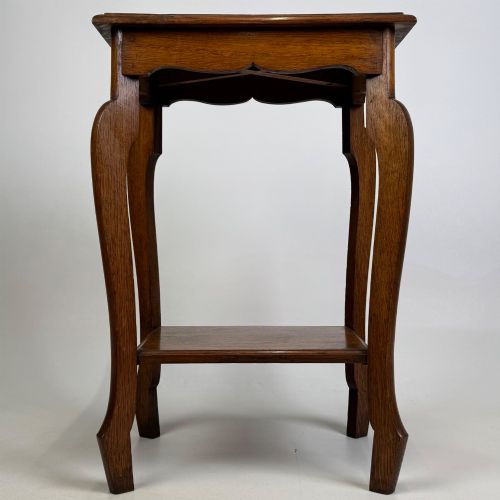

Edwardian Lamp Stand
When searching for an edwardian lamp stand, buyers discover practical lighting columns and occasional tables designed to support domestic illumination.
Edwardian Lamp Stand
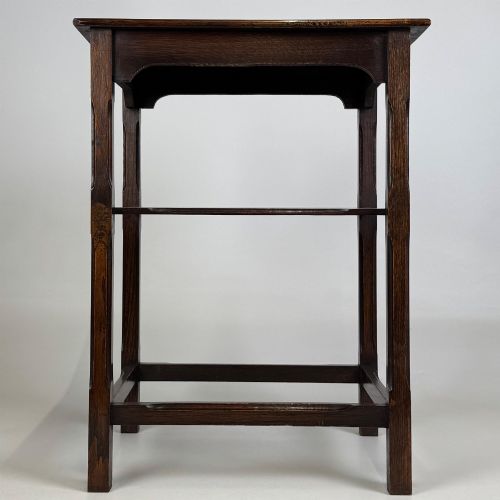
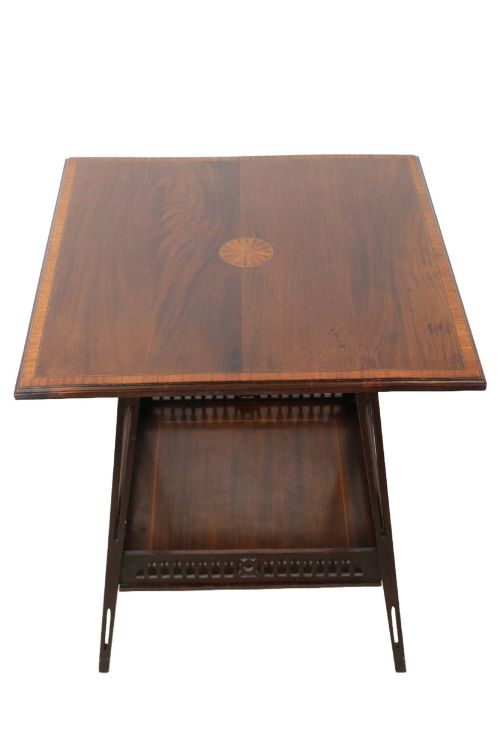
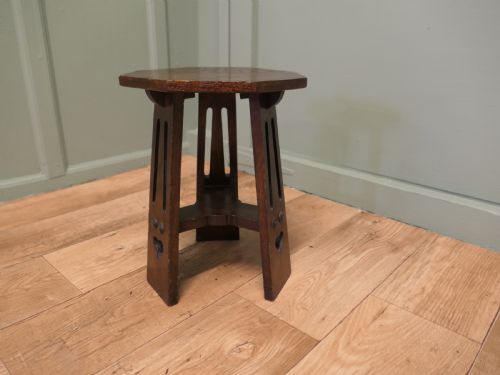
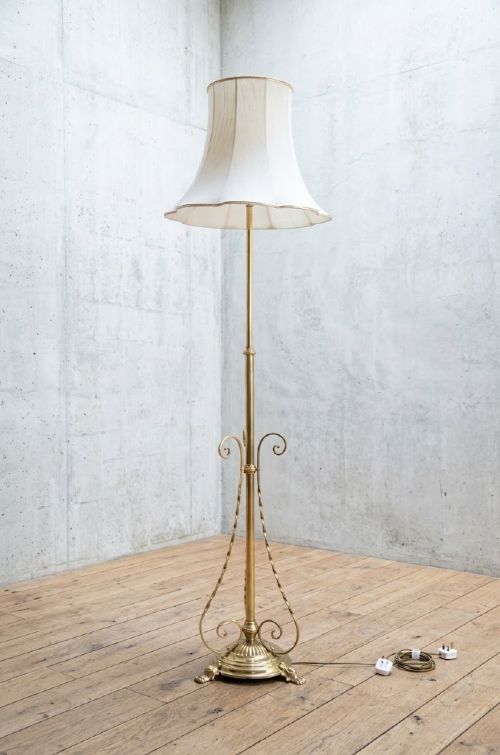
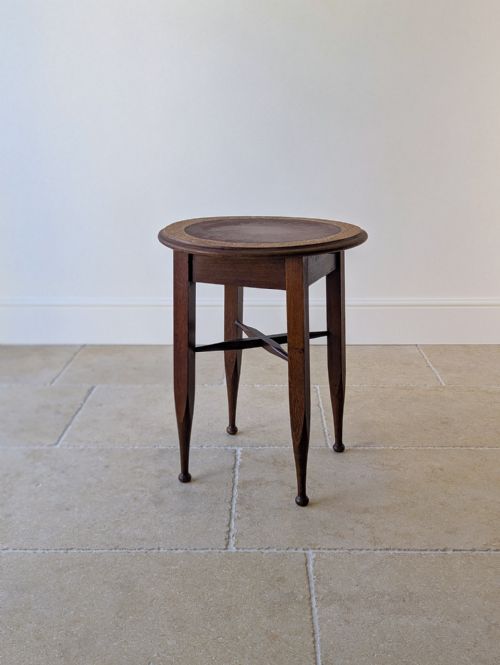
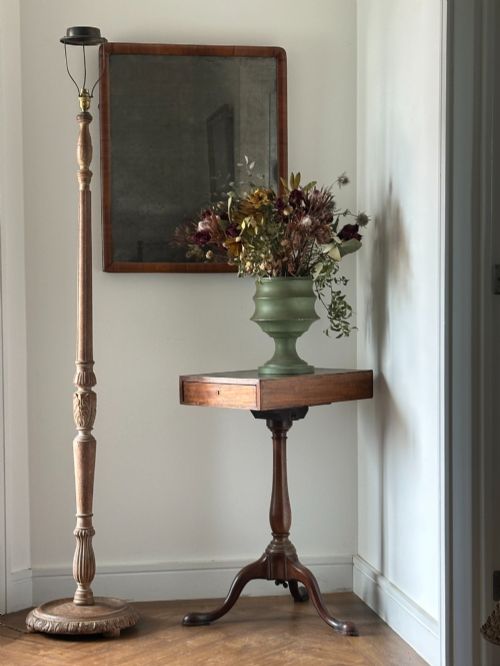
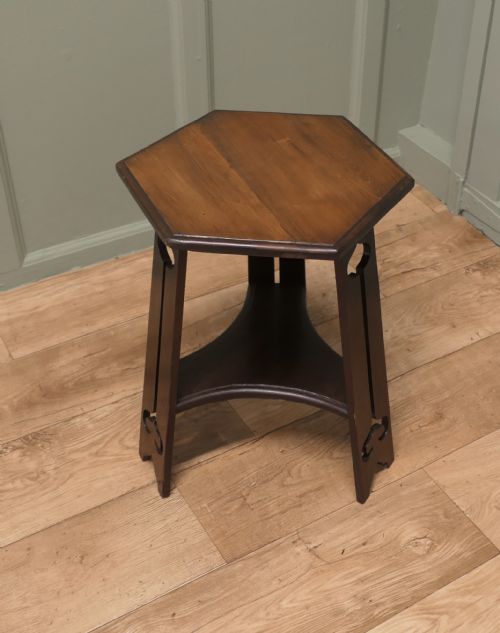
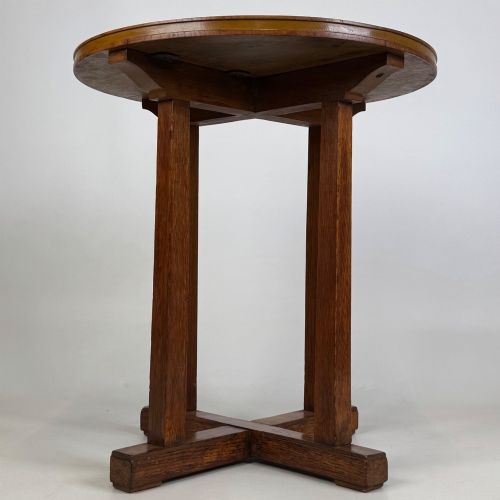
An edwardian lamp stand encompasses both tall vertical floor lighting columns and compact occasional tables intended to hold portable illumination. These items emerge primarily from the early twentieth century alongside late nineteenth-century Victorian antecedents.
Evaluating standard and craftsmanship
The integrity of construction separates standard production from superior examples. Heavy cast brass components and solid hardwood framing demonstrate greater durability than lighter veneered alternatives.
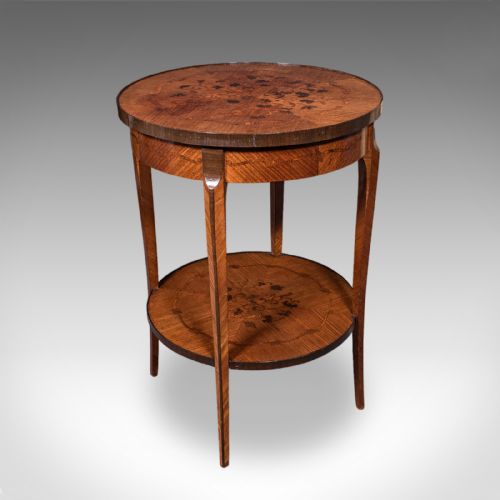
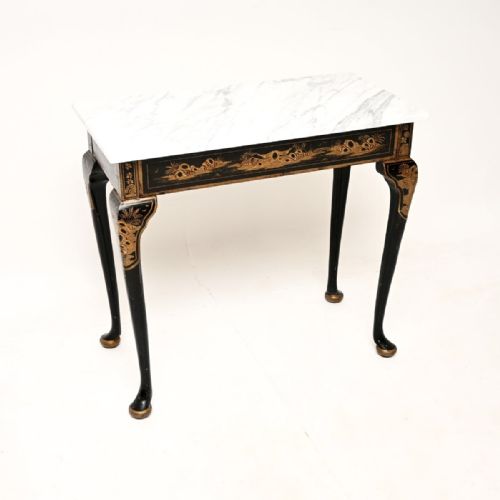
Refined surface ornamentation, such as intricate hand-applied lacquer or precise wood inlay, indicates higher workshop standards. Original mechanical components on adjustable height floor lamps also affect the overall integrity of the piece.
Edwardian Lamp Stand Retail Price Guide 2026
Typical asking prices for edwardian lamp stand among the pieces listed under this phrase on Sellingantiques today, from the lower quarter to the upper quarter. They describe what is for sale here now, not the wider market.
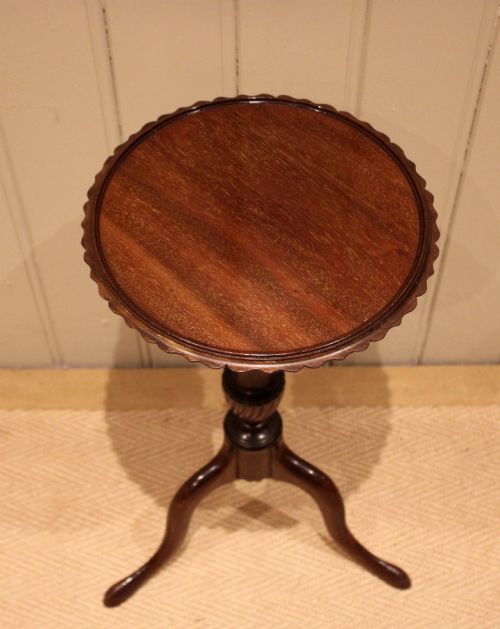
Listings feature oak, mahogany, walnut, and cast brass across floor lamps, side tables, and plant stands from the Victorian and Edwardian periods.
Trevor Page And Co·Liberty And Co·William Birch
The Edwardian Lamp Stand Glossary
- Barley twist
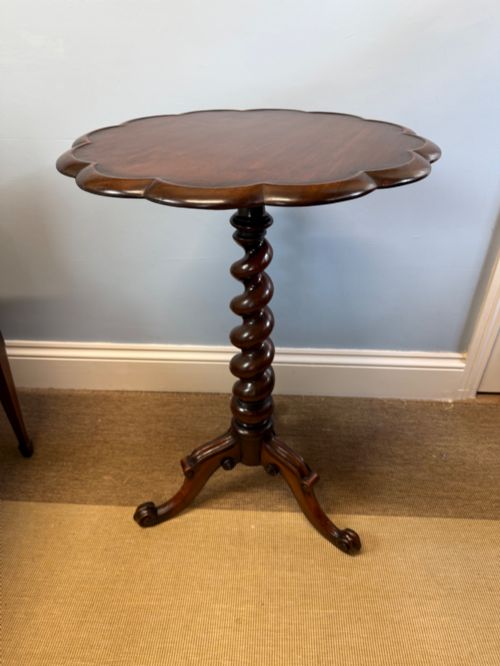
- A helical wooden turning carved into furniture legs and lamp columns. This decorative feature gained popularity during the late nineteenth and early twentieth centuries.
- Standard lamp
- A tall floor-standing lighting column designed to hold an electric or oil fitting. These fixtures typically stand beside armchairs or in room corners.
- Occasional table
- A small, movable side table utilised for holding lamps or decorative objects. Variations include wine tables, tripod tables, and plant stands.
- Chinoiserie
- European decorative lacquerwork imitating East Asian designs. Skilled artisans applied painted motifs depicting landscapes and figures onto wooden surfaces.
- Corinthian column
- An architectural column capital featuring ornate acanthus leaves. Makers frequently adopted this classical motif for brass floor lamp standards.
Edwardian Lamp Stand: Frequently Asked Questions
What is an edwardian lamp stand?
An edwardian lamp stand is a functional piece of furniture or lighting equipment originating from the early twentieth century. These objects include tall floor-standing metal columns and small wooden tables built to support domestic lamps.
Buyers encounter both upright lighting poles with adjustable height mechanisms and compact occasional tables designed for placement beside seating areas. Both categories reflect the interior lighting requirements of period homes.
How were standard lamps used?
Standard lamps provided movable illumination in reception rooms and parlours before fixed ceiling lighting became universal. Tall metal columns held oil reservoirs or early electric bulbs above seating height.
Smaller side tables served a complementary purpose by supporting table lamps and reading materials within reach of armchairs. Together these pieces created layered ambient lighting in domestic spaces.
How do I style a lamp stand?
Placing a floor-standing column beside a traditional armchair or sofa creates an authentic period arrangement. The vertical height introduces architectural interest to empty room corners.
Wooden table versions function effectively as bedside surfaces or independent display points for ceramics and plants. Fabric shades complete the aesthetic when matched to the proportions of the base.
How do I tell periods apart?
Distinguishing between Victorian and Edwardian examples involves observing stylistic shifts in wood and metalwork. Heavy ornamentation and darker timbers often point to late nineteenth-century origins.
Lighter mahogany timbers, simplified Arts and Crafts designs, and specific lacquered finishes generally indicate early twentieth-century production. Examining construction methods provides further context regarding the manufacturing date.