



Art Nouveau Accent Table
An art nouveau accent table brings organic line and fluid floral grace directly into a room, offering both practical surface space and distinct period character.
Art Nouveau Accent Table
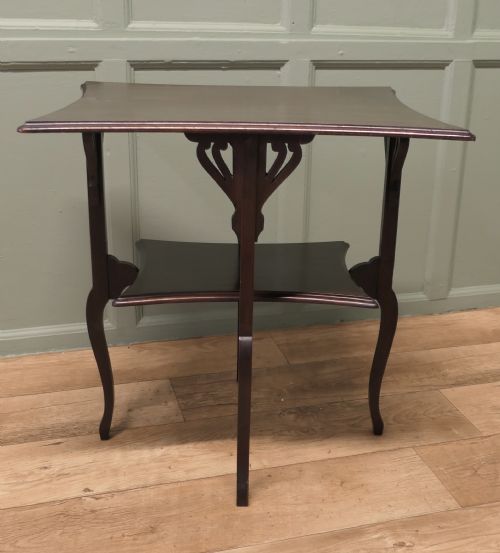
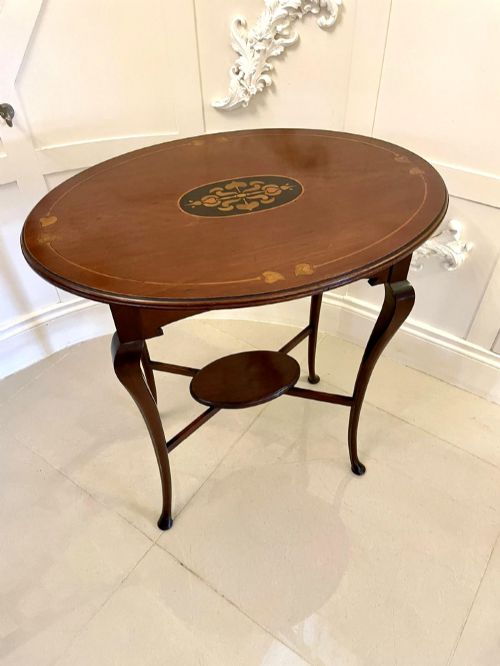
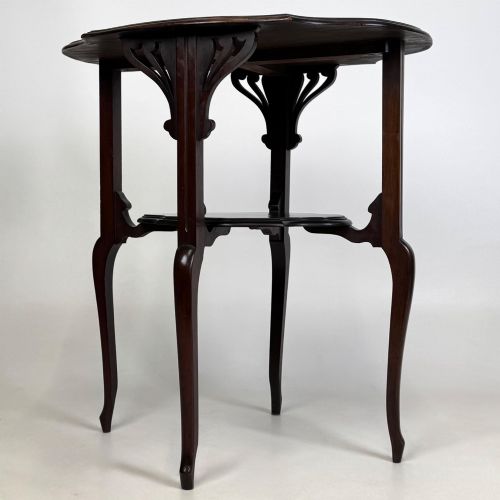
An art nouveau accent table typically takes the form of a side table, occasional table, or nested set designed during the late nineteenth and early twentieth centuries. These pieces carry the characteristic sinuous curves and plant-inspired motifs of the movement across various domestic forms.
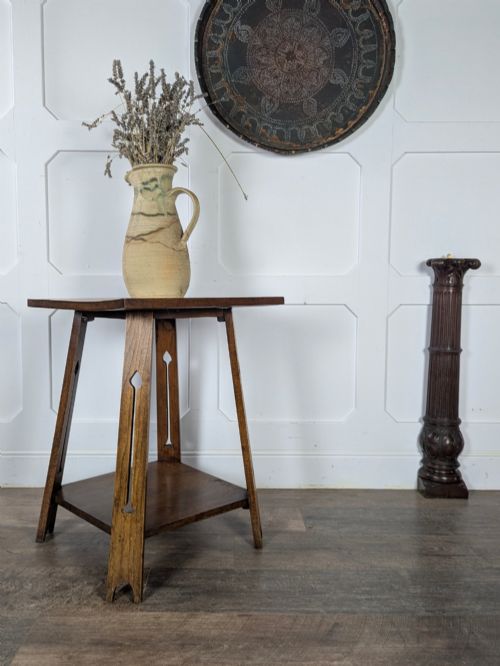
Mahogany and oak dominate the timber choices, frequently enhanced by delicate inlay work or warm walnut tones. Buyers encountering these pieces on this page will most commonly find compact occasional tables and side tables dating from the Edwardian era and the nineteen hundreds.
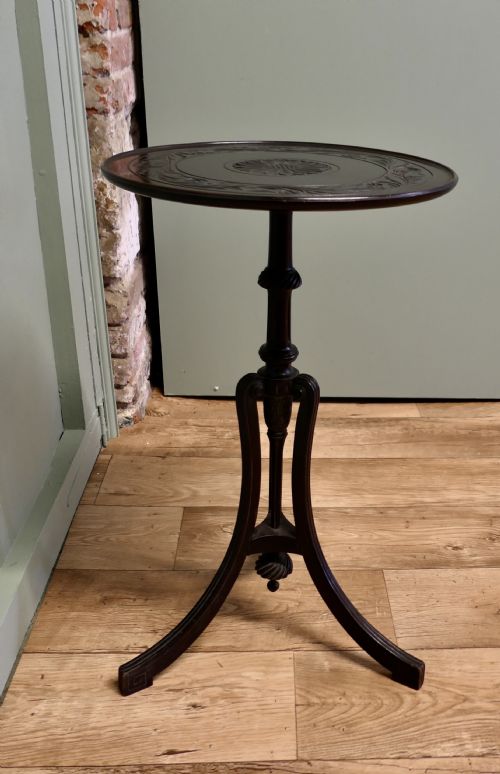
Makers and workshops across France, Britain, and Austria adapted the style into practical furniture for the salon and drawing room. Examples range from simple carved wooden occasional pieces to multi-tiered tables bearing signature botanical marquetry.
Materials and construction
Cabinetmakers utilised dense hardwoods such as mahogany, rosewood, and solid oak to achieve both structural stability and fine carved details. Timber surfaces often received warm polish finishes that highlighted the natural grain alongside floral marquetry inlays.
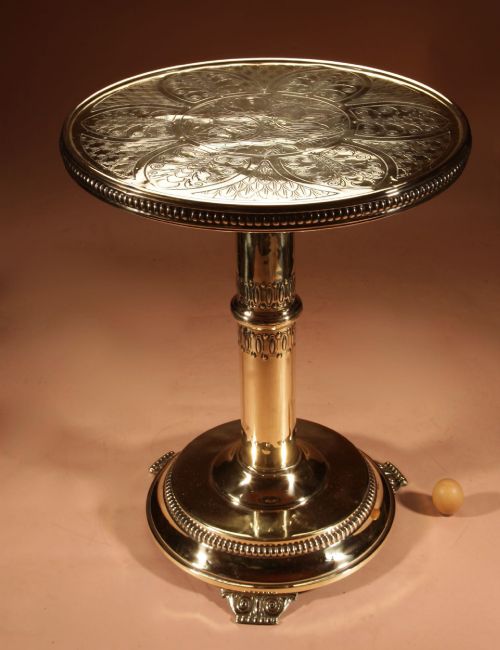
Bentwood techniques allowed workshops to shape smooth, continuous curves without traditional joinery constraints, particularly evident in Viennese seating and tables. Metal elements including brass, bronze, and ormolu were cast into whiplash tendrils and plant forms to support surfaces or provide decorative mounts.
Art Nouveau Accent Table Retail Price Guide 2026
Typical asking prices for art nouveau accent table among the pieces listed under this phrase on Sellingantiques today, from the lower quarter to the upper quarter. They describe what is for sale here now, not the wider market.
Listings feature solid oak, mahogany, and walnut forms alongside bentwood frames and bronze mounts.
Distinguishing quality across pieces
Execution of carved foliage and botanical marquetry separates standard workshop output from exceptional cabinet work. Crisp relief carving and precise multi-wood inlays reflect the hand of a skilled artisan rather than routine factory production.
Material selection and structural integrity define the durability of the frame. Sound joints, well-chosen cabinet woods like figured mahogany or rosewood, and signed maker provenance elevate certain tables above simpler utilitarian furniture.
Émile Gallé·Fischel·Ivan Zaiec·Thonet
The Art Nouveau Accent Table Glossary
- Marquetry
- The art of applying pieces of veneer to a structure to form decorative patterns. Artisans used contrasting woods to create fluid floral motifs across table tops.
- Occasional table
- A small, movable table designed for specific, intermittent use in a reception room. These pieces provide convenient surfaces for lamps, books, or decorative objects.
- Jugendstil
- The German and Austro-Hungarian variant of the art nouveau movement. This term frequently appears on continental pieces featuring geometric botanical abstraction.
- Bentwood
- Wood heated and bent into curved shapes. This technique created smooth, rounded table frames characteristic of central European workshops.
- Ormolu
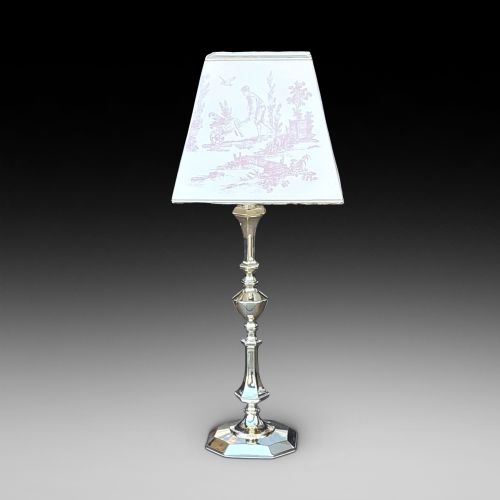
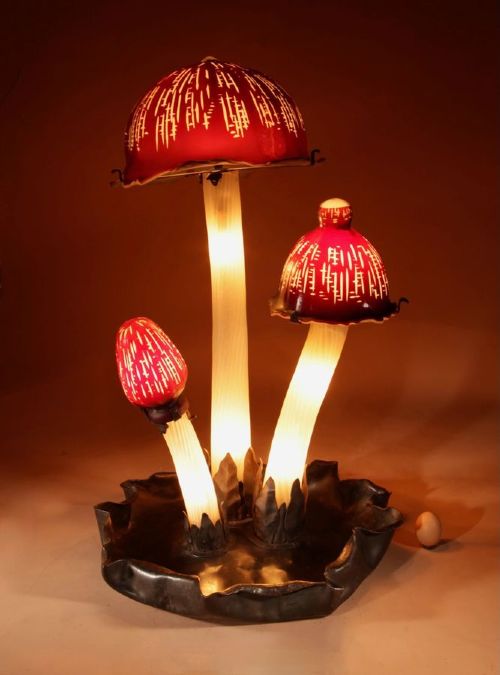
- Gilded bronze used for decorative mounts and lamp bases. This material added metallic warmth and elaborate cast detail to furniture and lighting.
Art Nouveau Accent Table: Frequently Asked Questions
What defines an art nouveau accent table?
An art nouveau accent table is defined by its use of asymmetrical plant-derived curves, whiplash lines, and naturalistic motifs applied to timber furniture. These pieces abandon rigid historical revivals in favour of dynamic forms inspired by the growing stems and seed pods of the natural world.
Craftsmen working around nineteen hundred translated these organic principles into side tables, occasional stands, and nested sets using rich hardwoods and detailed inlays.
How do I date an art nouveau table?
Dating relies on examining construction methods, timber choices, and stylistic markers such as floral marquetry or carved stem legs. Pieces originating from the height of the movement often display specific Edwardian proportions combined with continental Jugendstil influences.
Makers active during this period frequently combined traditional cabinetmaking with inventive bentwood or inlaid techniques, placing most examples firmly between eighteen ninety and nineteen twenty.
Where should I place an occasional table?
An occasional table suits drawing rooms, hallways, and living spaces where a compact surface is useful beside a chair or sofa. Their decorative frames allow them to function as standalone display stands for lamps or ceramics.
Placing the table away from direct heat sources helps preserve the polished wood finishes and delicate veneer inlays found on period pieces.
How do I care for antique wood furniture?
Maintaining antique wood involves keeping pieces away from strong direct sunlight and sudden temperature changes that can dry out the timber. Regular dusting with a soft dry cloth preserves the polish without chemical buildup.
Occasional application of appropriate wax feeds the hardwood and helps maintain the natural lustre of mahogany and oak surfaces.