
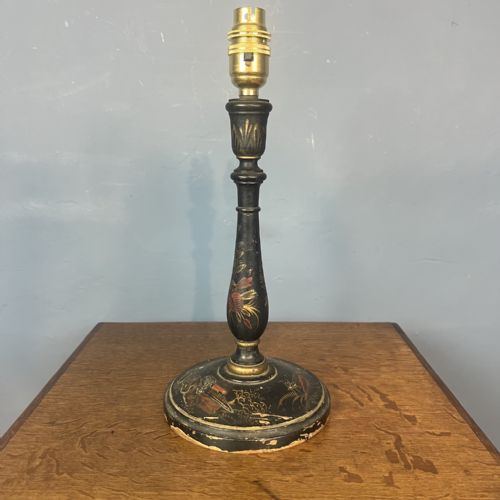


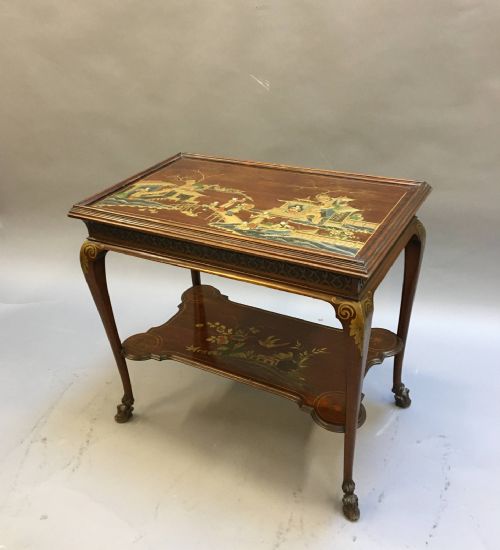


Edwardian Lacquered Table
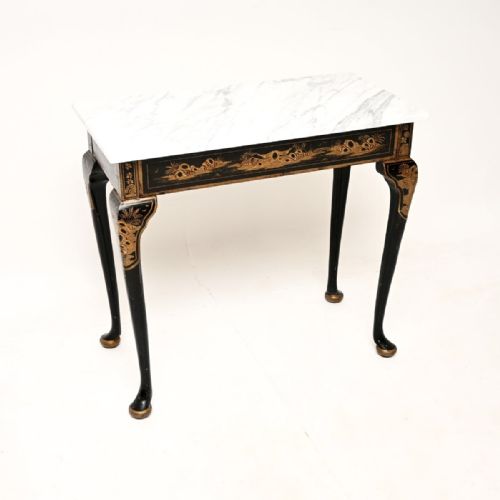
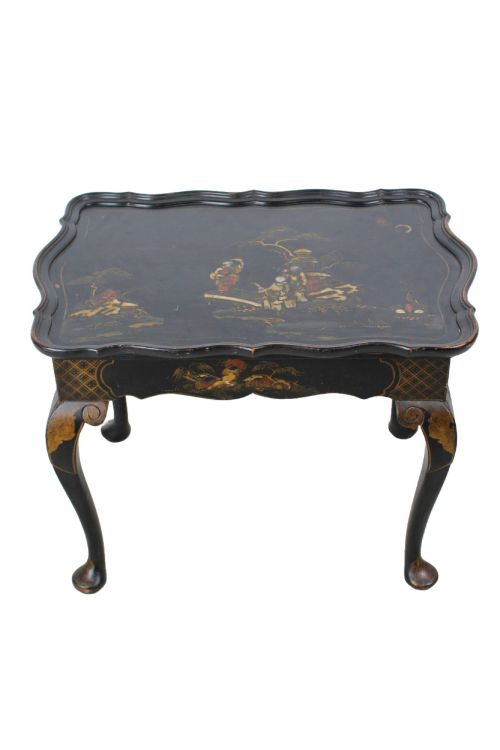
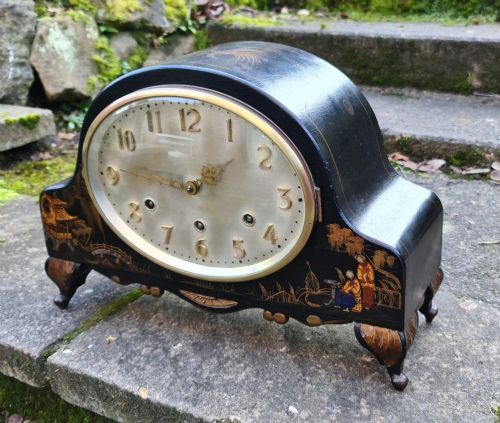
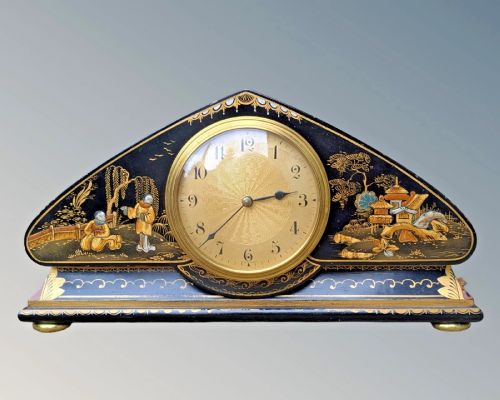
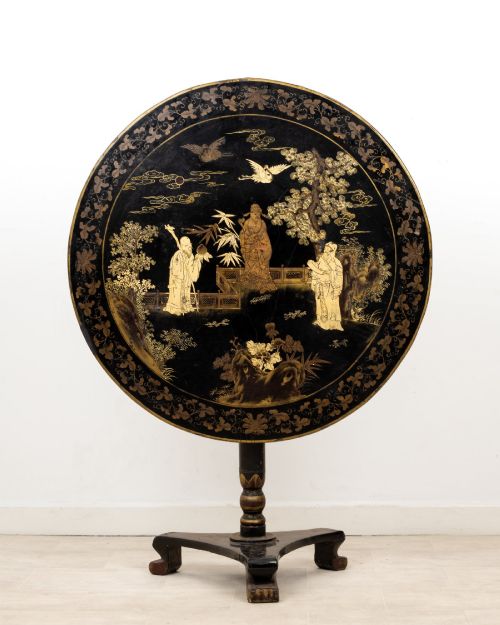
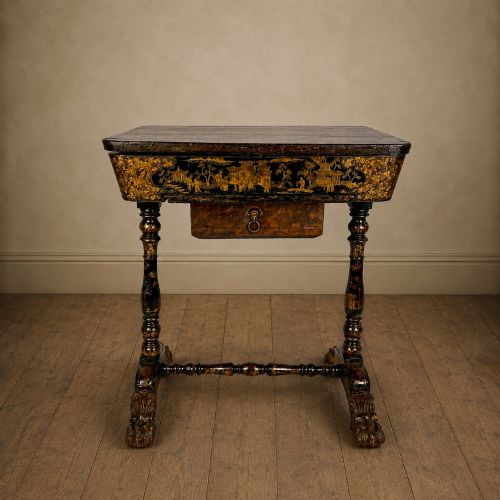
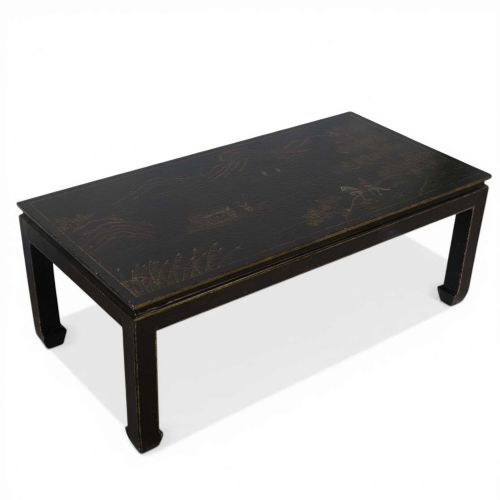
An edwardian lacquered table brings painted figures, pavilions and landscapes into a room through dark polished surfaces and gilt highlights.
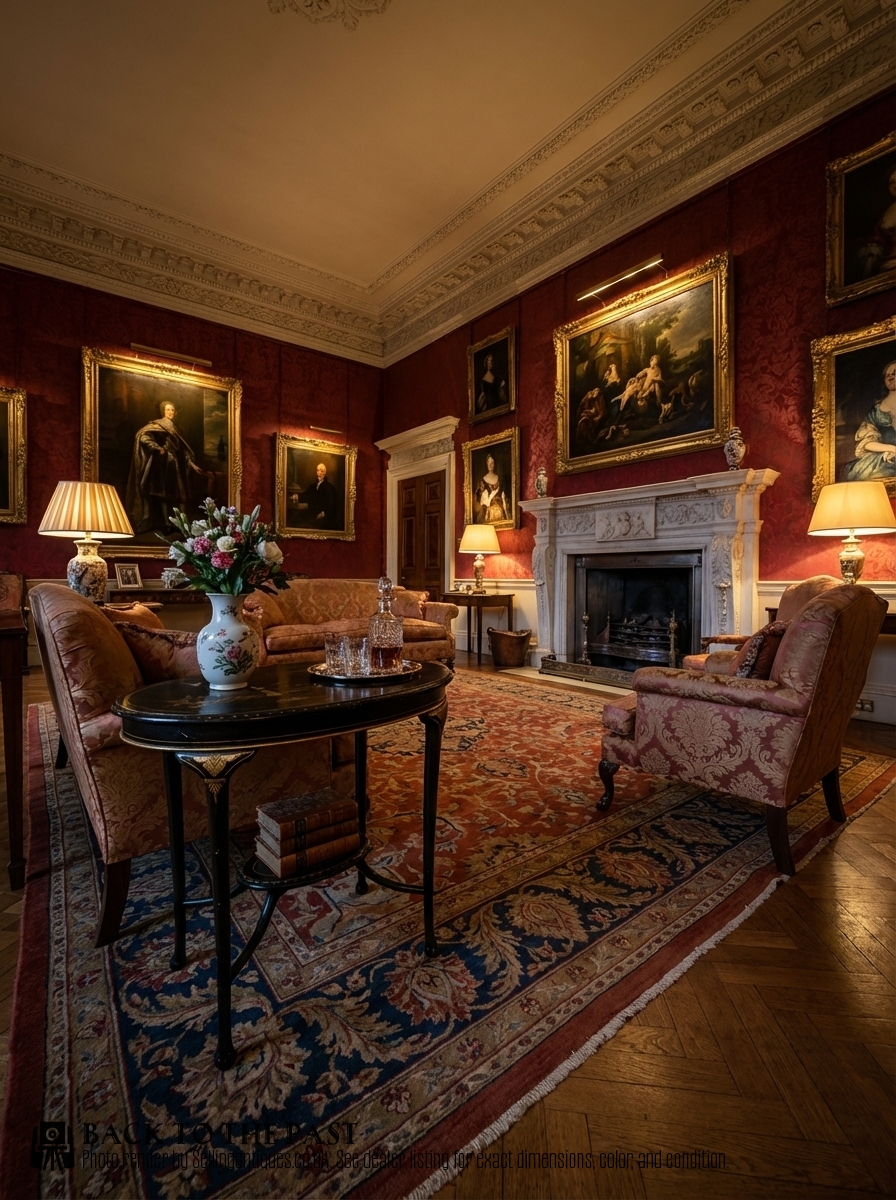
Edwardian Lacquered Table
When searching for an edwardian lacquered table, a buyer encounters low occasional pieces, coffee tables, tray tops and nested sets designed for light domestic use. The Edwardian examples sit alongside nineteenth century precursors and later revival work, maintaining a distinct interest in painted Orientalist decoration.
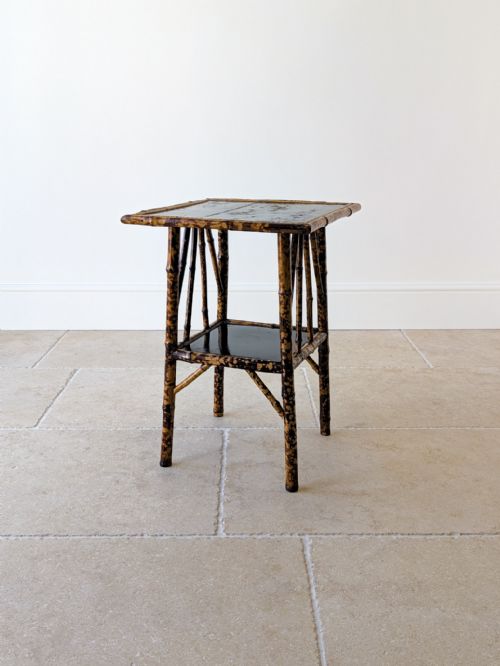
Forms vary from tripod wine tables and dropleaf lamp tables to multi-tiered stands and low coffee tables adapted from earlier trays. Many pieces combine bamboo frames or turned wood supports with decorated panels, reflecting a diverse material history that spans several decades.
The style draws heavily on Chinoiserie motifs, placing figures, birds and pavilions against black, green or cream grounds. While Edwardian production dominates, the lineage reaches back to Regency and Victorian interpretations of Chinese export goods.
Materials and construction
Construction relies on timber foundations, occasionally combined with bamboo, glass, brass and leather components depending on the specific form. Wood surfaces receive multiple coats of lacquer to build a deep ground before artists apply painted scenes and gold leaf.
Decoration relies on hand-painted detailing, utilising gilt highlights and contrasting pigments to render figures, foliage and architectural elements. The finish is then polished to create the characteristic reflective sheen seen on surviving tables.
Listings feature woods such as walnut alongside bamboo and glass, spanning periods from the eighteenth century to the 1930s.
Judging the standard
Quality rests primarily on the depth and preservation of the painted surface, where finely rendered brushwork and intact gilt details distinguish superior work from simpler commercial output. The crispness of the motifs and the harmonious composition of the landscapes indicate the skill of the original decorator.
Structural integrity also separates standard examples from better pieces, particularly in the joinery of nested tables, tray stands and bamboo frames. Well-preserved lacquer surfaces retain their original sheen without excessive craquelure or heavy retouching across the top.
The Edwardian Lacquered Table Glossary
- Chinoiserie
- European imitation and adaptation of Chinese artistic traditions, popular in furniture decoration. This style employs motifs of figures, pagodas and landscapes rendered in gold and colour upon dark lacquer.
- Japanning
- A European form of European lacquerwork that mimics East Asian varnishing techniques. Craftsmen applied layers of heat-dried varnish, often finished with raised metallic decoration.
- Tray top
- A furniture surface featuring a raised edge or gallery, designed to contain items or allow the top to lift off. These were frequently mounted onto folding or fixed stands to serve as tea or occasional tables.
- Nest of tables
- A graduated set of several tables designed to fit neatly beneath one another when not in use. They became particularly popular during the Edwardian period for entertaining.
- Torchere
- A tall stand or pedestal originally designed to hold a candle or light source. In later periods, these served primarily as display surfaces for lamps or decorative objects.
Edwardian Lacquered Table: Frequently Asked Questions
What rooms suit an edwardian lacquered table?
These tables function well as central accent pieces in sitting rooms, studies or hallways where their reflective surfaces catch the light. Their compact forms allow them to sit beside seating or function as display stands for lamps.
Because the painted decoration provides a strong visual focal point, they pair effectively with both traditional interiors and neutral modern spaces that benefit from patterned contrast.
Are these tables sturdy enough for daily use?
Most occasional tables, coffee tables and nests are built for light domestic placement such as holding books, drinks or lamps. Lighter formats like bamboo stands or nested sets require careful handling to avoid strain on the joints.
Heavier side tables and work tables offer greater structural stability for everyday service. Checking the stability of the legs and joints ensures the piece remains secure during regular interaction.
How can I distinguish Edwardian pieces from older examples?
Edwardian interpretations often feature brighter colour palettes, including cream and green grounds alongside traditional black, reflecting early twentieth-century interior tastes. Construction methods, screw types and secondary timbers inside the frame also provide clues to the manufacturing decade.
Earlier nineteenth-century pieces typically display heavier timber construction and denser crazing in the lacquer layers. Comparing the style of the painted figures against known period pattern books helps clarify the date of manufacture.