


Japanese Lacquer Table
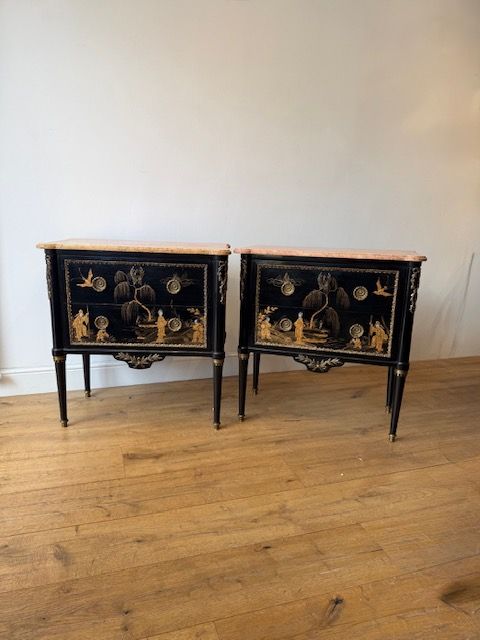
When you search for a japanese lacquer table, you look for intricate gold-leaf decoration and deep black or red finishes spanning the Meiji period and the Victorian era.
Japanese Lacquer Table
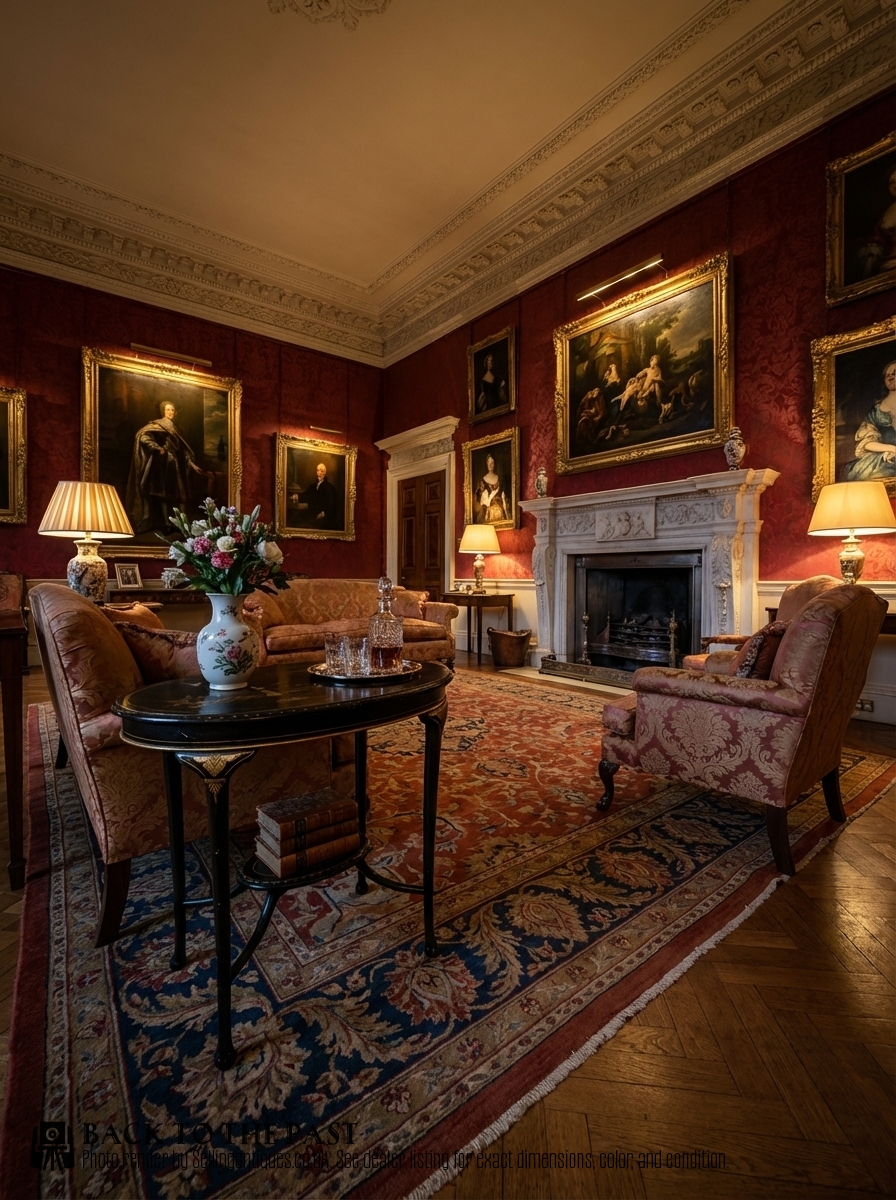
A japanese lacquer table encompasses low dining surfaces, writing desks, and nested sets originating from Japanese workshops and European revival movements alike. Buyers frequently encounter Meiji period pieces alongside Victorian and Edwardian interpretations built for Western interiors.
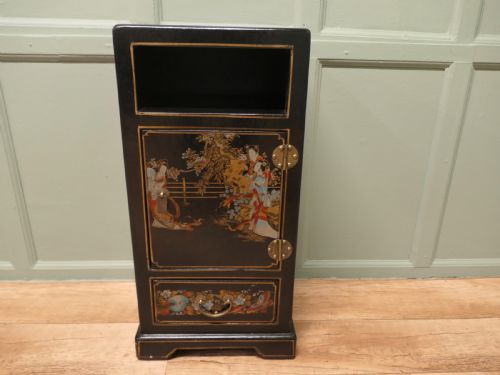
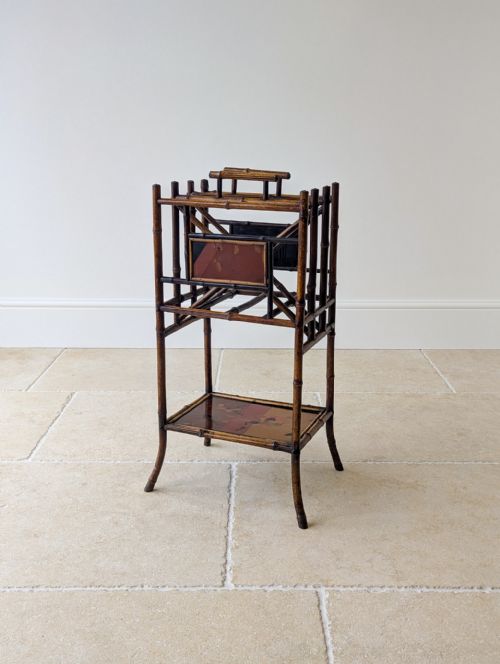
Forms range from compact tea tables and low reception surfaces to multi-tiered side tables and display stands. The selection also includes table cabinets and work tables sharing the same dark lacquered wood and decorative motifs.
Origins stretch from late nineteenth-century Japan through to early twentieth-century British interpretations influenced by orientalist tastes. The material execution shifts between authentic Far Eastern craftsmanship and domestic adaptations of Chinoiserie and Aesthetic styles.
What varies in quality
The degree of refinement in the painted and gilt decoration dictates the standing of an individual piece, distinguishing meticulous hand-rendered pictorial scenes from simpler stencilled patterns. The depth of the lacquer finish and the crispness of any carved relief work reveal the maker's discipline.
Structural integrity of the underlying wood, particularly in complex forms like nests of tables or multi-tiered stands, separates standard domestic output from superior workshop creation. The integration of specialty materials like bone inlay or parquetry indicates a higher standard of manufacture.
Listings feature items from the Victorian era alongside pieces dated across the Meiji and Taisho periods.
Nakamura Shunetsu·Masaaki
The Japanese Lacquer Table Glossary
- Lacquer
- A durable, glossy finish derived from tree sap, applied in successive layers to wooden substrates. It produces a hard waterproof coating traditionally decorated with gold or metallic powders.
- Shibayama
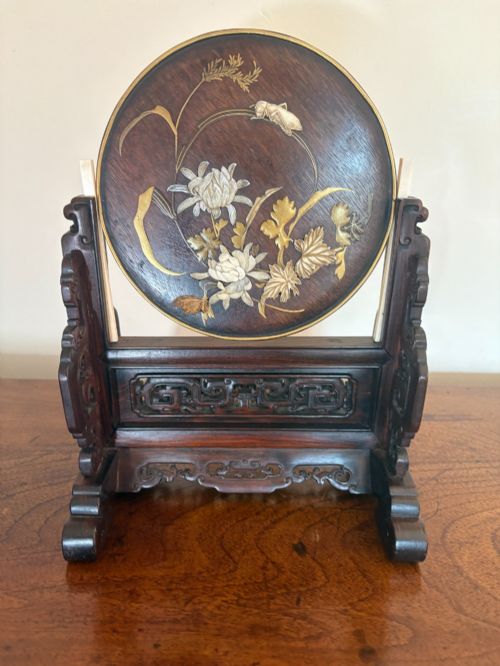
- A decorative technique involving inlay of precious materials such as ivory, bone, and shell into a wood or lacquer ground. This method creates textured, multi-coloured pictorial panels.
- Chabudai
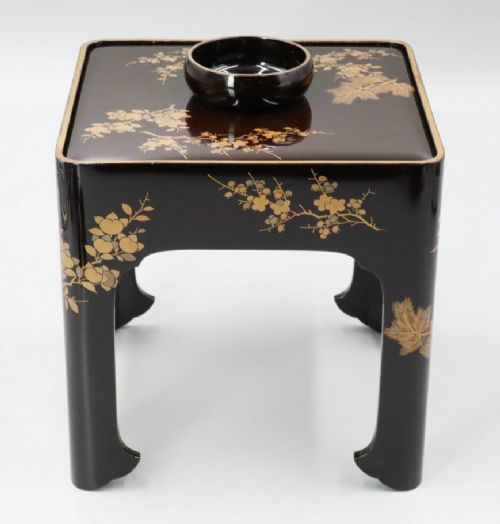
- A traditional short Japanese table used while sitting on tatami mats. These low tables serve primarily for serving tea or dining.
- Kagetsudai
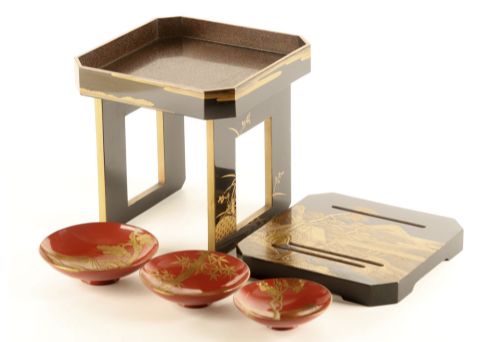
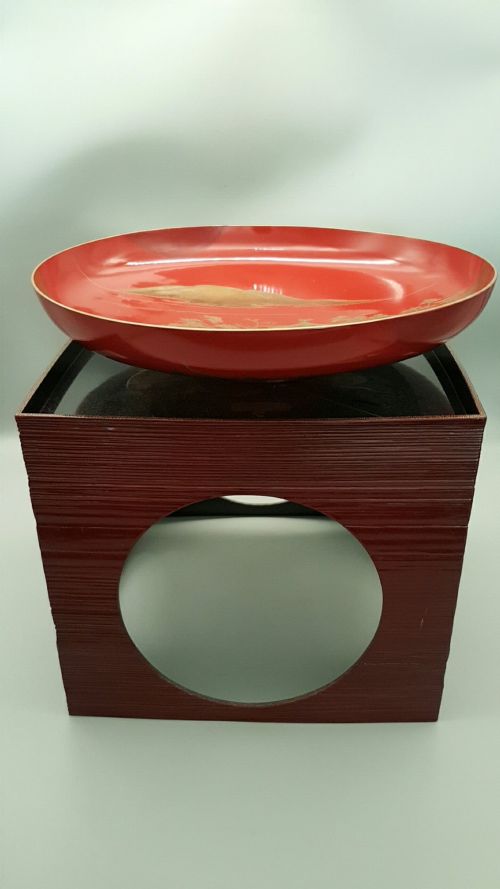
- A specific form of Japanese sake table often accompanied by matching cups. They reflect traditional hospitality customs from the Meiji period.
- Kodansu
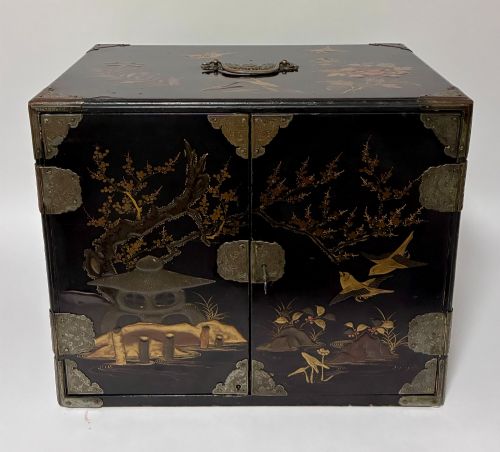
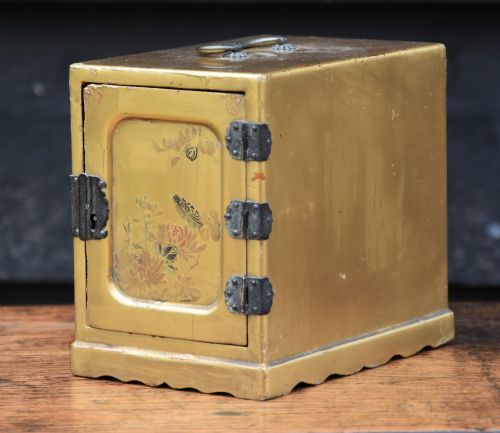
- A small portable Japanese table cabinet featuring multiple drawers and compartments. These miniature chests were utilised for storing precious documents or personal items.
- Bundai
- A traditional Japanese low writing table designed for use while kneeling. They provide a stable, flat surface often embellished with gold lacquer.
Japanese Lacquer Table: Frequently Asked Questions
What is a Japanese lacquer table used for?
These tables traditionally served for serving tea, writing, or displaying decorative objects in the home. Lower forms accommodated floor-level seating customs, while taller side and coffee tables suited Western domestic arrangements.
Over time, their decorative qualities made them centrepieces for drawing rooms influenced by Aesthetic and Chinoiserie tastes. They continue to function as versatile surface furniture in modern interiors.
How do I identify a Meiji period piece?
Meiji period items typically display intricate gold lacquer work, fine pictorial scenes, and traditional Japanese forms such as the chabudai or bundai. Materials often include carefully prepared black or red lacquered wood.
Construction details and signature panels can also point toward late nineteenth-century origin. Comparing them against Victorian interpretations helps clarify whether a piece is of Japanese or European manufacture.
Are nest of tables common in this style?
Nests of stacking tables appear frequently in both nineteenth-century Japanese production and British Victorian adaptations. These sets allow multiple surfaces to occupy a compact footprint when not in use.
They combine practical utility with decorative lacquer panels, making them popular additions to sitting rooms. Each tier typically mirrors the decorative scheme of the primary table.
How should I care for a lacquered surface?
Lacquered wood requires gentle treatment to preserve the delicate gold leaf and glossy finish. Dusting with a soft, dry cloth prevents surface scratching without moisture damage.
Keep these tables away from direct sunlight and excessive heat fluctuations to protect the wooden core and resin layers. Proper placement ensures the longevity of the antique finish.