





Edwardian Jacobean Cabinet
An edwardian jacobean cabinet brings heavy timber and revived seventeenth-century carving into domestic spaces.
Edwardian Jacobean Cabinet
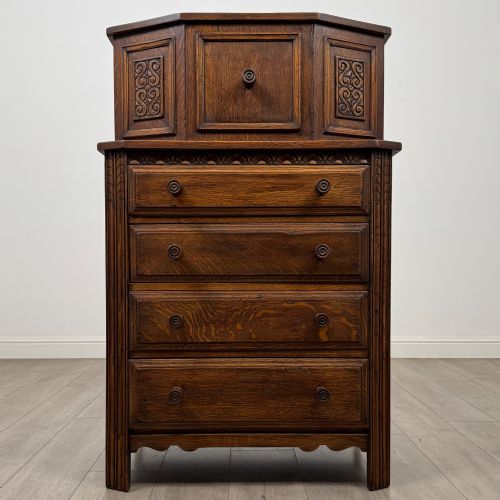
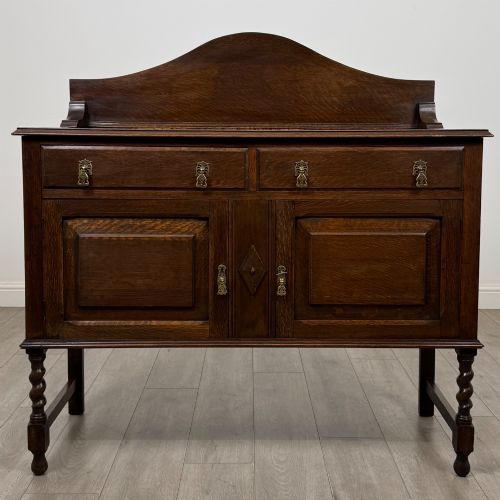
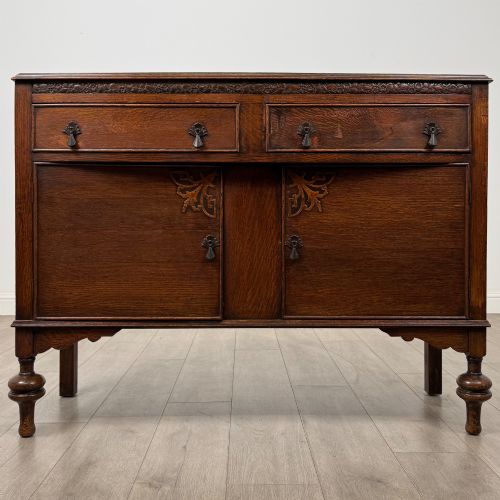
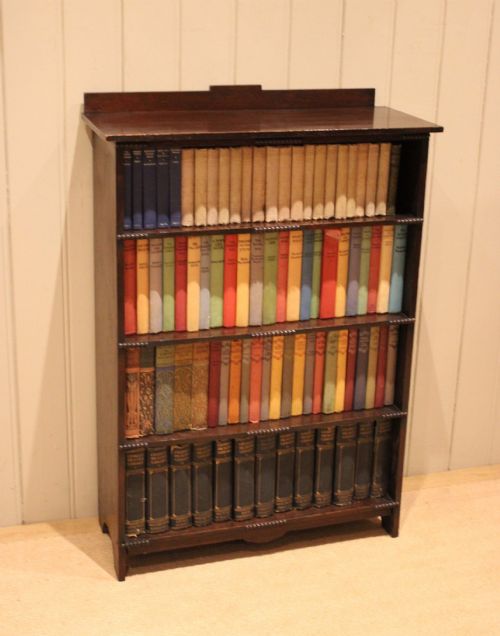
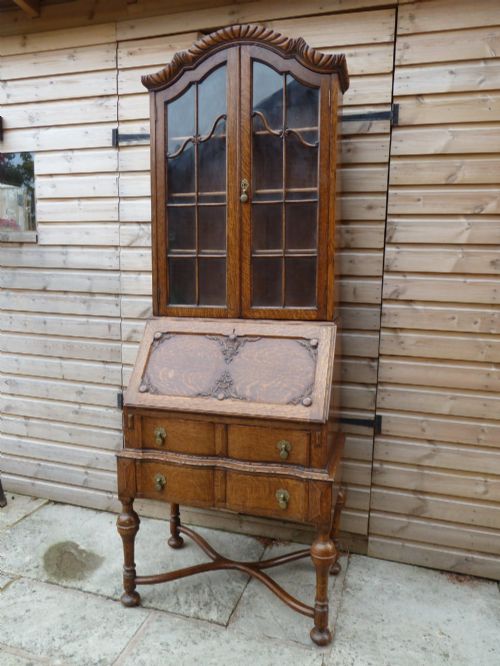
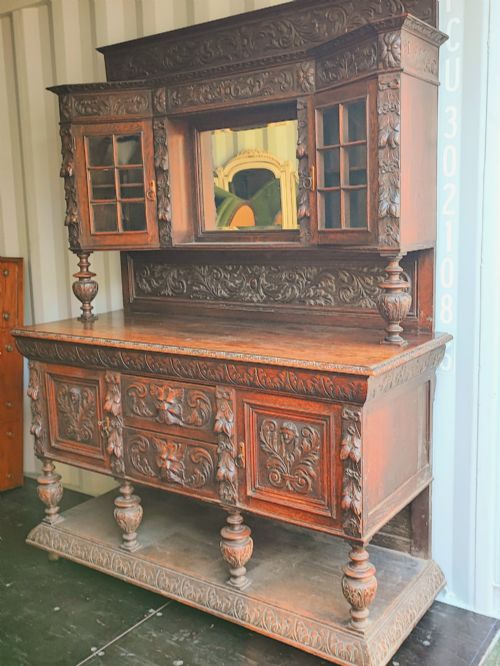
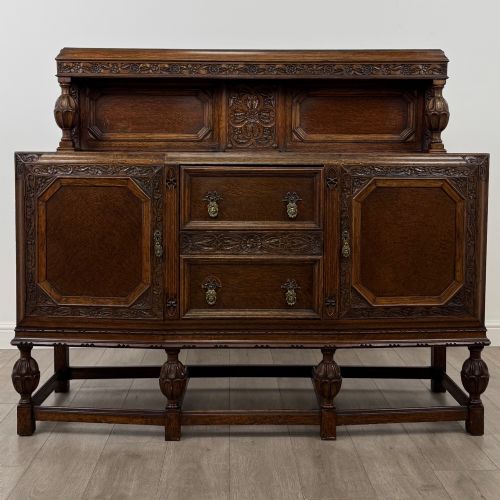
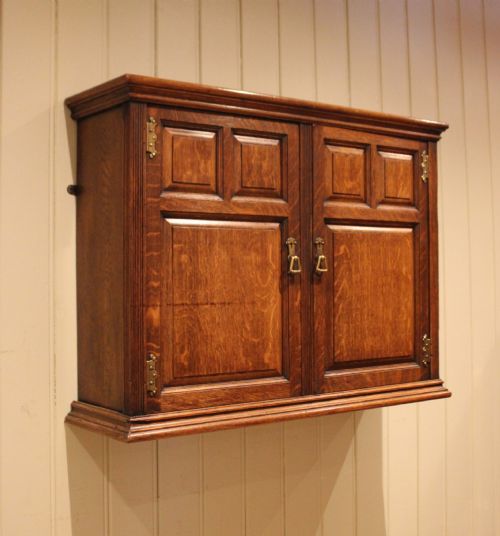
The edwardian jacobean cabinet draws on seventeenth-century English traditions while taking forms suited to twentieth-century rooms. Sideboards, bookcases, display cabinets, and writing bureaus dominate this group.
Most pieces seen here date from the Edwardian era through the nineteen-twenties, merging earlier revival styles with practical storage. Solid timber construction gives these items substantial weight and presence.
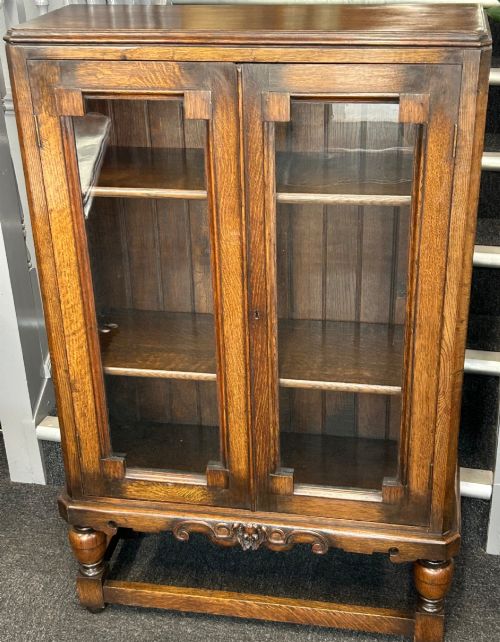
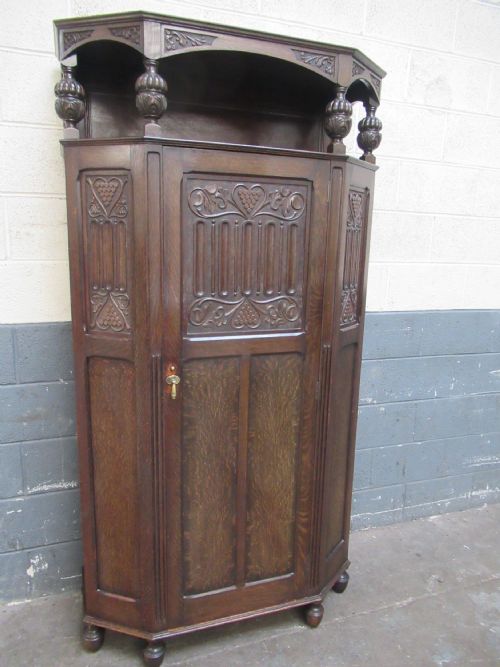
Buyers encounter sturdy oak surfaces, glazed doors, and carved details that echo much older furniture. Cupboards on stands and sideboards offer generous proportions for modern living.
Quality factors in revival furniture
Depth of carving and clarity of detail separate standard production items from superior examples. Hand-carved panels show distinct chisel marks and crisp edges that machine work lacks.
Timber selection dictates the overall presence of the piece, with dense grain and rich colour marking out better items. Solid construction throughout the carcass outweighs superficial decoration.
One bureau includes a moving interior designed to secret away private correspondence from prying eyes.
Maple and Co
The Edwardian Jacobean Cabinet Glossary
- Jacobean Revival
- A nineteenth and twentieth-century style copying seventeenth-century English furniture forms. This aesthetic relies heavily on dark oak, panelled doors, and geometric moulding.
- Barley twist
- A turning technique producing a spiral column resembling twisted rope. Makers used this decorative feature extensively on table legs and furniture supports.
- Court cupboard
- A traditional enclosed storage piece with an upper section supported by pillars. These items provide deep shelving behind heavy panelled doors.
- Bureau bookcase
- A writing desk with a sloping flap combined with upper shelving for books. This form offers dual utility for storage and writing.
Edwardian Jacobean Cabinet: Frequently Asked Questions
What defines an edwardian jacobean cabinet?
These pieces combine early twentieth-century manufacturing with seventeenth-century decorative motifs. Carved panels, heavy cornices, and dark timber finishes characterise the style.
They serve practical storage functions while retaining a historic appearance suited to traditional interiors.
Where should I place a large oak sideboard?
Dining rooms and spacious hallways suit the substantial proportions of these sideboards. Their deep storage capacity accommodates tableware and household linens.
Positioning them away from direct heat sources protects the solid oak timber from drying out.
How do I care for dark oak furniture?
Regular dusting with a soft, dry cloth prevents particle buildup on carved surfaces. Applying appropriate beeswax occasionally maintains the lustre of the wood.
Avoid chemical polishes that can degrade the finish over extended periods.
Are glazed display cabinets secure for fragile items?
The fitted glass doors protect stored porcelain and glassware from dust and accidental knocks. Sturdy wooden frames support the weight of the glazed sections.
Interior shelving provides stable platforms for displaying collections safely.