

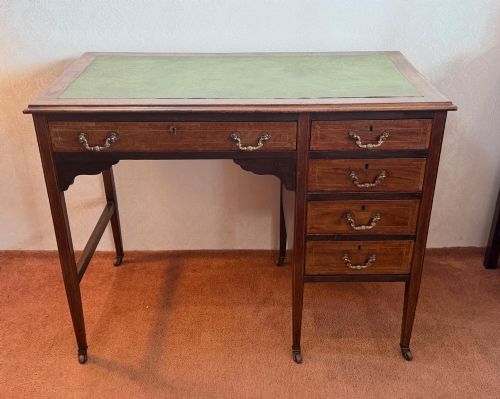
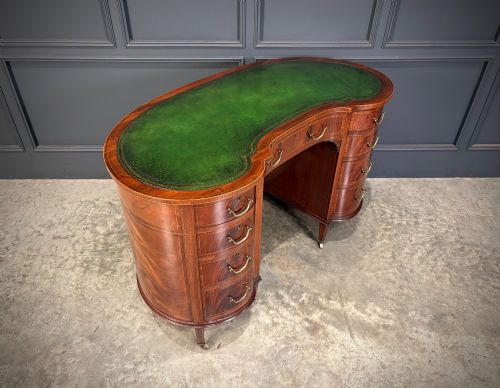
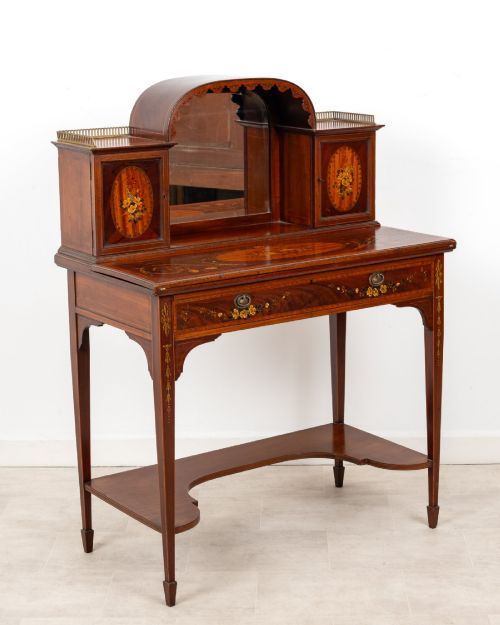
Edwardian Inlaid Mahogany Writing Bureau
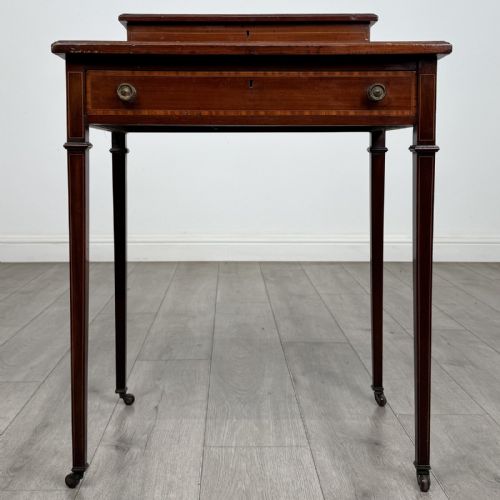
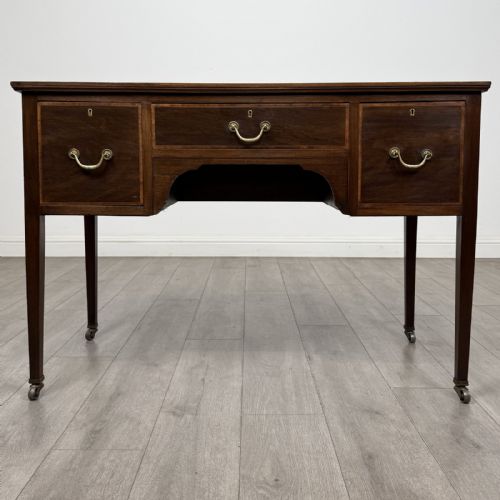
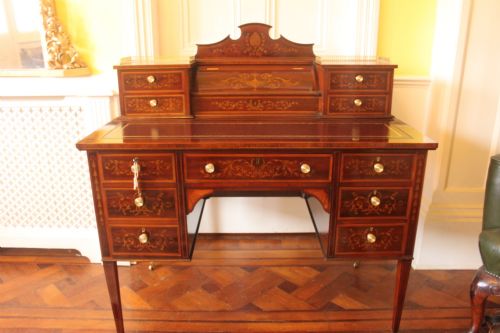
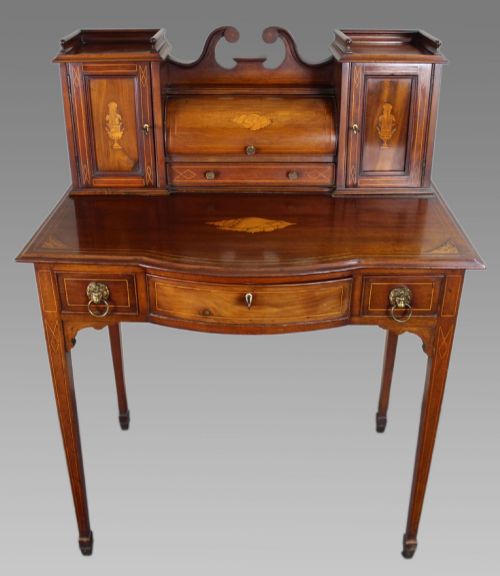
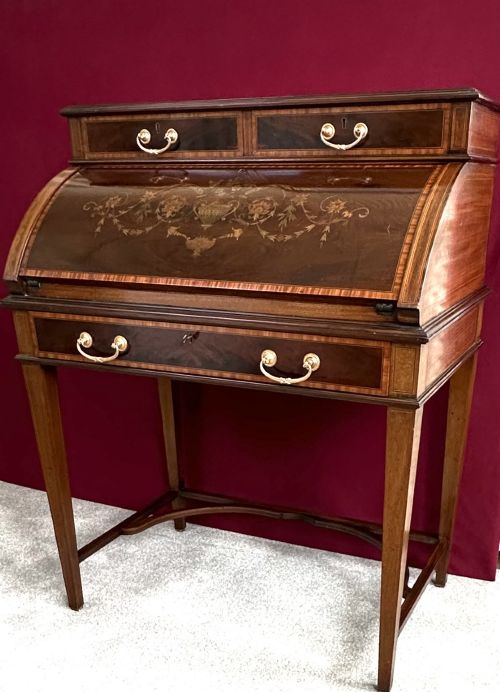
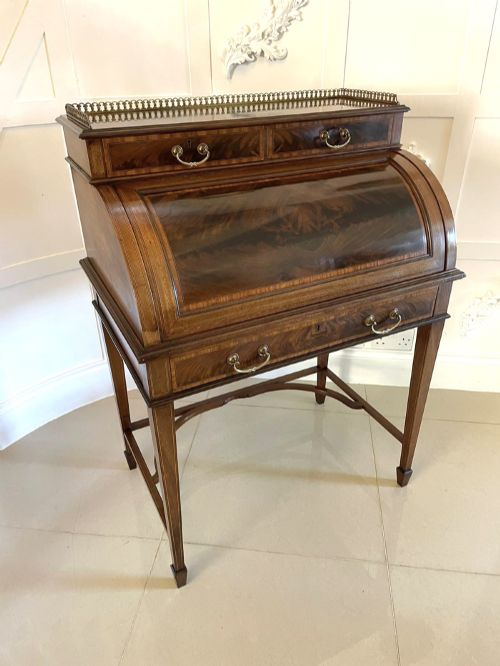
An edwardian inlaid mahogany writing bureau brings together fine timber and delicate marquetry to create a practical workspace.
Edwardian Inlaid Mahogany Writing Bureau
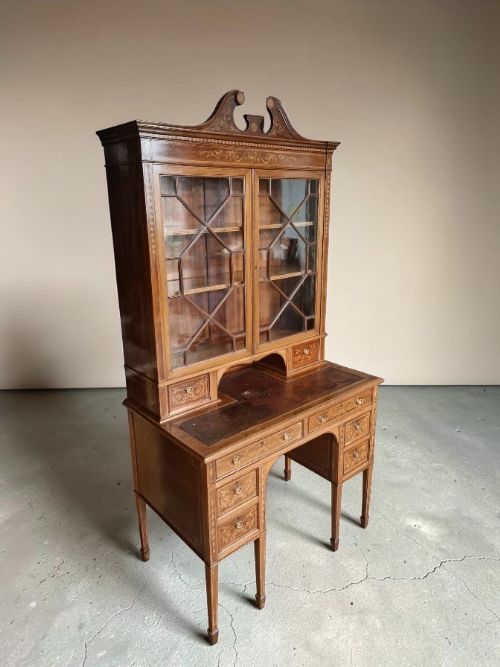
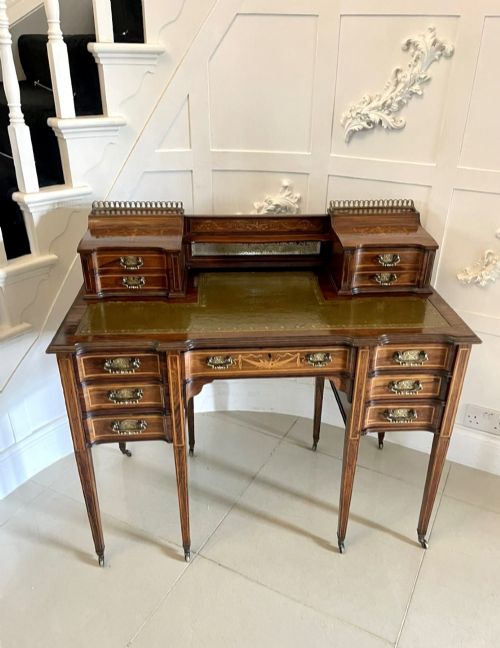
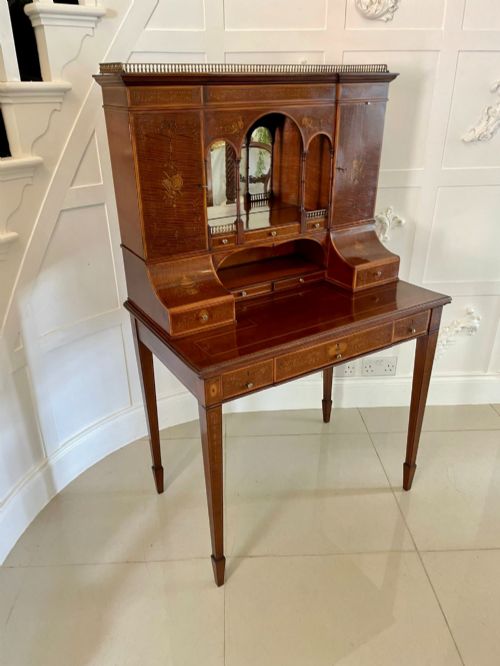
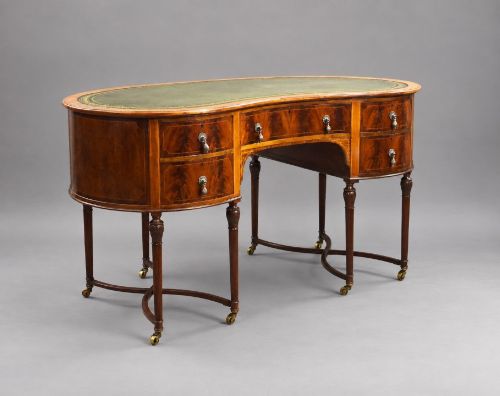
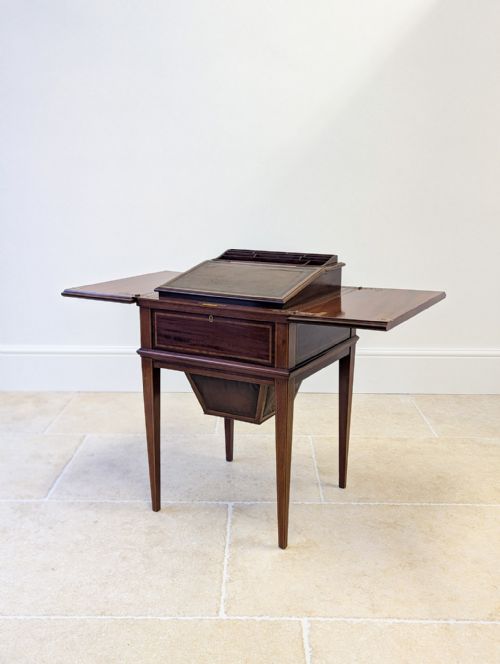
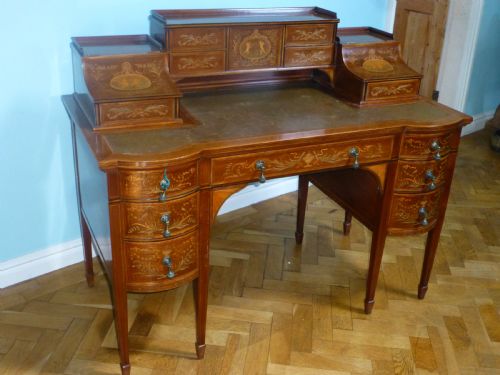
When searching for an edwardian inlaid mahogany writing bureau, a buyer encounters pieces primarily dating from the Edwardian era and the late Victorian period, drawing upon earlier Sheraton Revival styles. These items span various forms, including traditional fall-front bureaux, bureau bookcases, and writing desks embellished with contrasting stringing and marquetry.
The version most commonly met on this page is the compact Edwardian bureau featuring a slanted fall-front writing flap that conceals fitted interior pigeonholes and small drawers. Alongside these stand bureau bookcases that combine upper shelving with a lower writing compartment, constructed predominantly in mahogany with delicate satinwood or boxwood inlay.
Makers and workshops of the period utilised rich mahogany bases complemented by lighter decorative veneers and crossbanding. The design vocabulary relies heavily on Sheraton Revival motifs such as urns, bellflowers, and scrolling foliage executed in contrasting woods.
How they were made
Cabinet makers constructed the primary carcase using solid mahogany and mahogany veneers over secondary timbers, applying intricate satinwood and boxwood inlay along the drawer fronts and borders. Brass handles and leather writing inserts frequently completed the composition.
Marquetry panels were hand-cut, assembling different coloured veneers to form floral or classical urn motifs set into the mahogany surface. The fall-front mechanism relied on sturdy brass hinges and side support arms to bear the weight of the writing surface.
What varies in quality
The distinction between standard and superior pieces rests upon the crispness of the marquetry and the choice of timber figures, such as flame mahogany. Workshops known for high production standards utilised finer grain matching and more elaborate satinwood banding.
Interior fittings also indicate grade, where fitted pigeonholes with small drawers and secret compartments display greater cabinet-making skill than simple open shelving. The retention of original brass hardware and supple leather writing surfaces distinguishes well-preserved examples.
Maple and Co·Edwards and Roberts·James Shoolbred
The Edwardian Inlaid Mahogany Writing Bureau Glossary
- Fall-front bureau
- A desk featuring a hinged sloping flap that pulls down to serve as a writing surface, concealing internal compartments. This form keeps correspondence out of sight when closed.
- Marquetry
- The art of applying pieces of veneer to a structure to form decorative patterns and pictorial designs. Craftsmen use varied woods to achieve tonal contrast without using paint.
- Satinwood inlay
- A decorative technique using a pale, lustrous timber inserted into darker mahogany surfaces in narrow lines or geometric borders. It frames the panels and highlights the structural edges.
- Bureau bookcase
- A dual-purpose piece combining a lower writing bureau with an upper glazed or panelled shelving cabinet. These taller items provided storage for both books and writing materials.
- Sheraton Revival
- A late nineteenth and early twentieth century design movement drawing inspiration from eighteenth-century neoclassical furniture. It prioritises light proportions, straight tapered legs, and refined inlay.
Edwardian Inlaid Mahogany Writing Bureau: Frequently Asked Questions
What is an edwardian inlaid mahogany writing bureau?
An edwardian inlaid mahogany writing bureau is a compact desk featuring a sloping fall-front panel that opens to reveal internal stationery compartments. These pieces were produced around the turn of the twentieth century in the Sheraton Revival style.
They combine a rich mahogany carcase with lightwood stringing and marquetry decoration. The design offers a functional writing space alongside concealed storage for papers.
How do you use a bureau?
A bureau provides a dedicated writing station through its hinged fall-front writing surface. Lower drawers offer general storage while internal pigeonholes organise correspondence.
When closed, the sloping front conceals working papers and writing equipment to maintain a tidy room. The surface supports casual letter writing and administrative tasks.
Where did these desks originate?
These desks were manufactured in English workshops and London furniture houses during the Edwardian period and late Victorian era. Cabinet makers drew inspiration from earlier eighteenth-century neoclassical designs.
Prominent retailers and makers of the time reinterpreted these classical styles for modern Edwardian homes. The resulting pieces reflect traditional craftsmanship adapted to contemporary domestic needs.
How do I style a bureau at home?
A bureau functions well in a living room, study, or bedroom as both a decorative cabinet and a working desk. Leaving the fall-front open to display a leather writing surface adds character to the interior.
Pairing the piece with a small antique chair creates a balanced workspace. The top surface also accommodates small table lamps or decorative objects.
How do I tell Edwardian from Victorian pieces?
Edwardian furniture generally exhibits lighter proportions and brighter mahogany finishes compared to heavier Victorian examples. Inlay work on Edwardian items often incorporates crisp satinwood and boxwood details.
Victorian pieces frequently display darker timber tones and denser construction methods. Examining the internal secondary woods and hardware styles helps clarify the period of manufacture.