

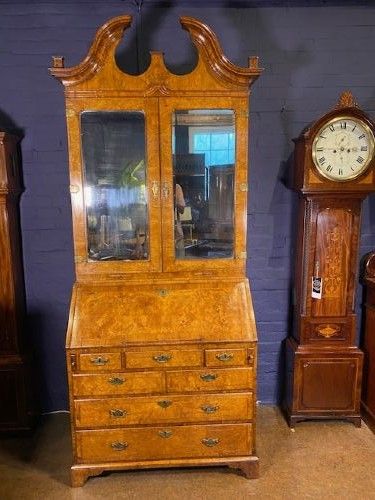
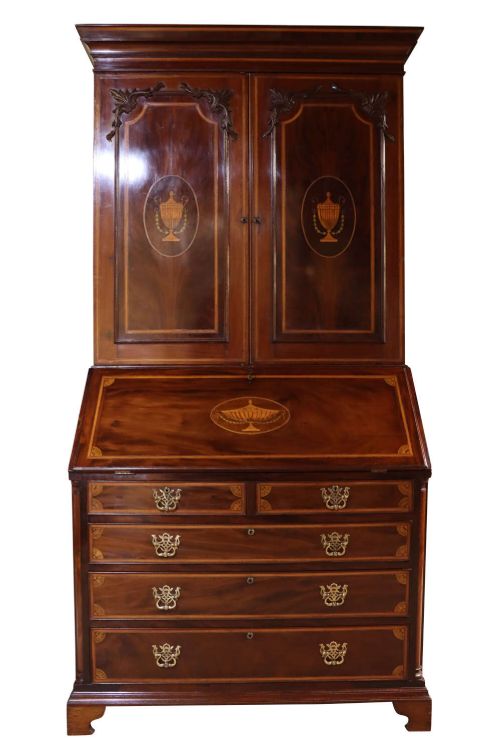
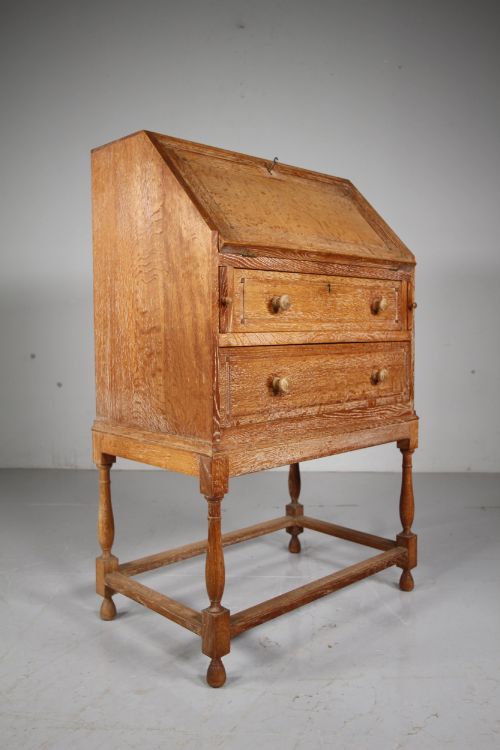
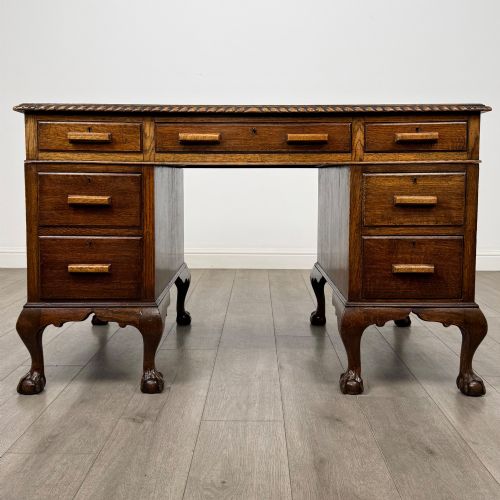
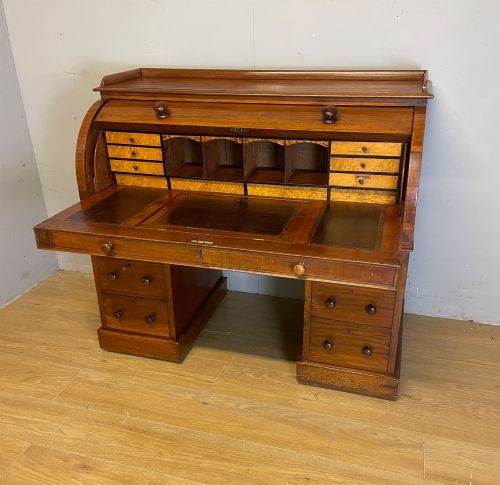
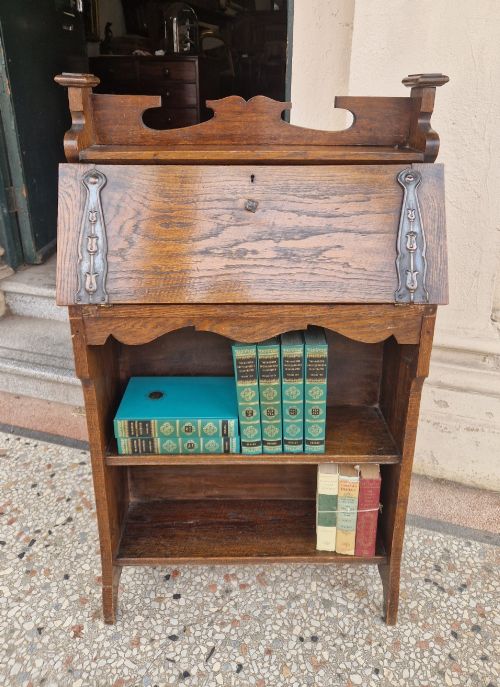
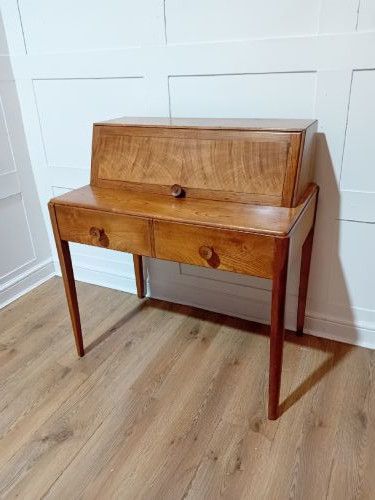
Antique Wooden Bureau Desk
An antique wooden bureau desk is a practical writing cabinet with a sloping lid, offering hidden compartments and a solid writing surface for daily correspondence.
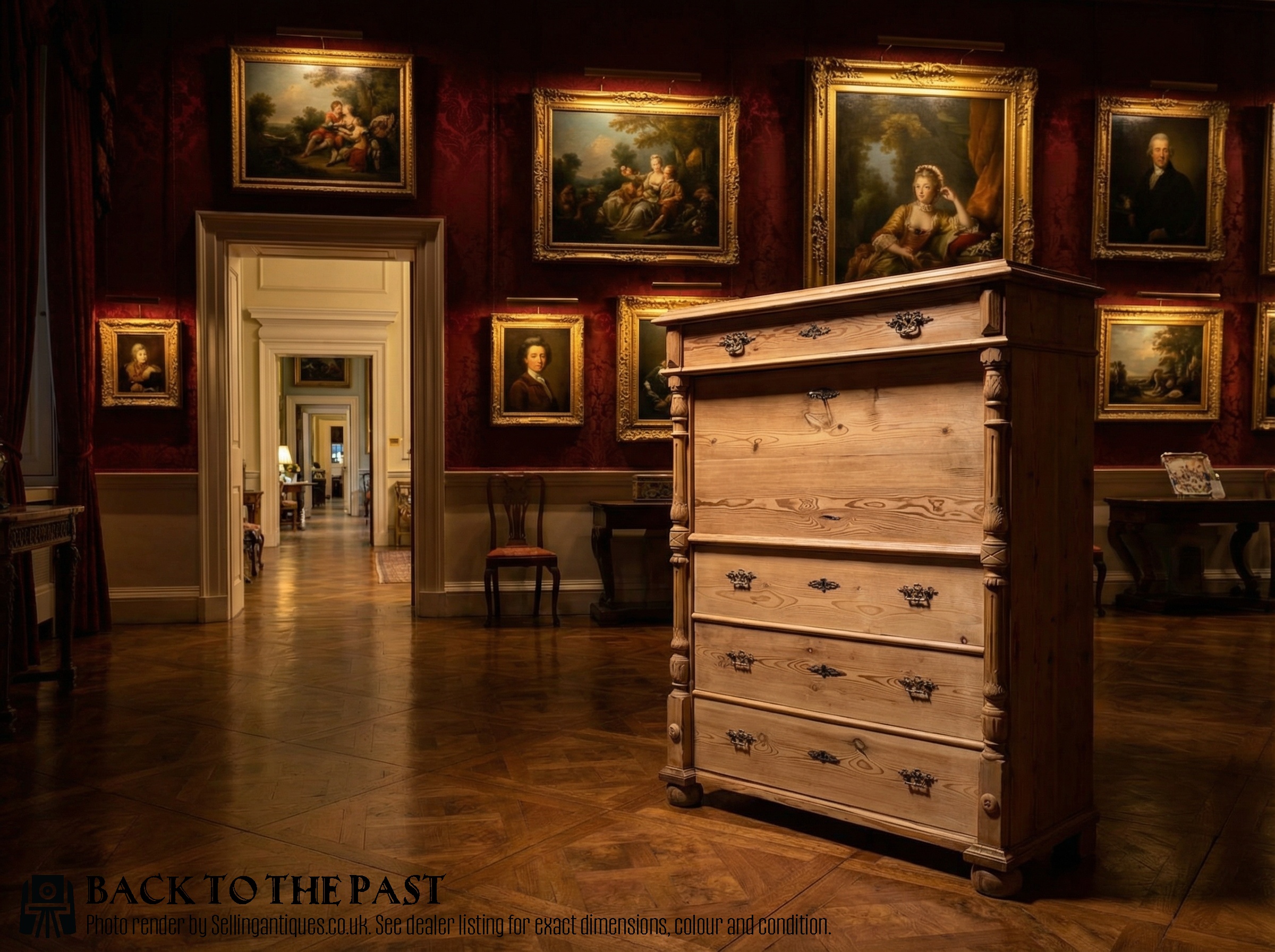
Antique Wooden Bureau Desk
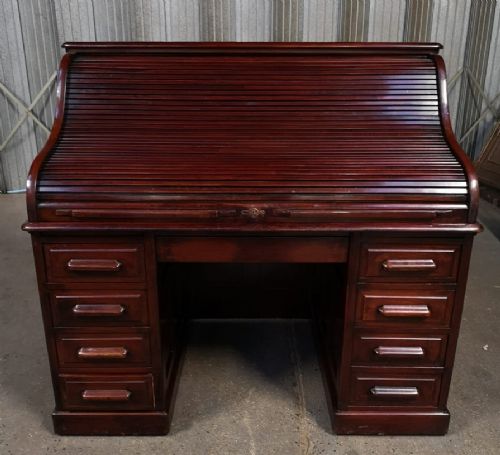
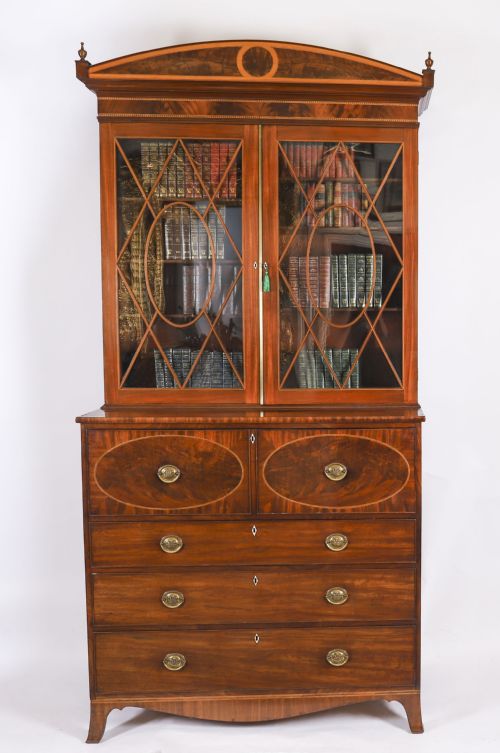
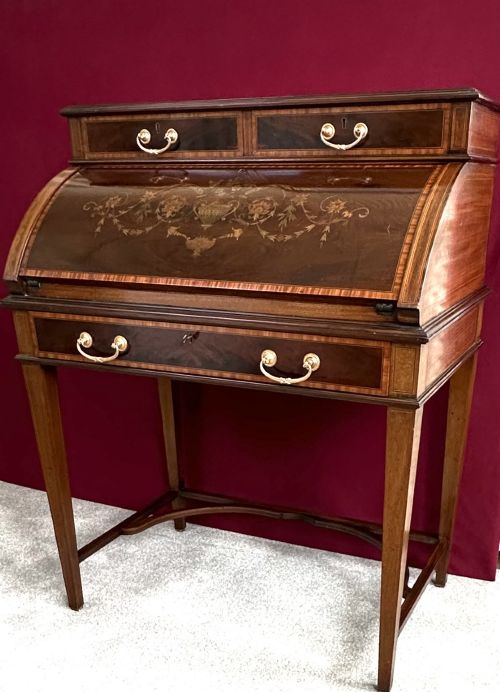
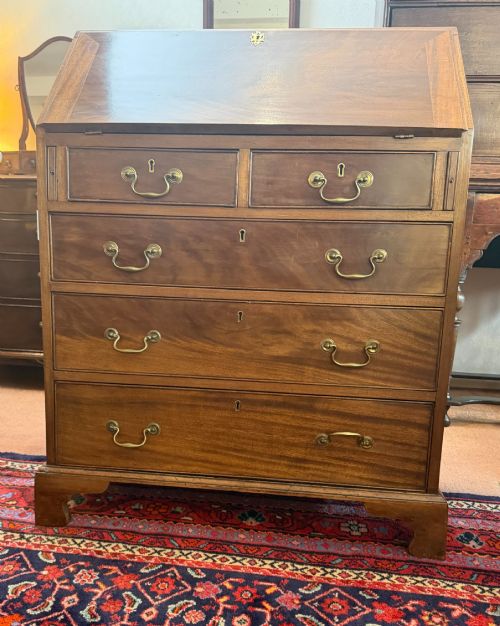
The antique wooden bureau desk category encompasses fall-front writing cabinets, cylinder desks, and bureau bookcases originating from periods ranging from the Georgian era through to the 1930s. Buyers searching for an antique wooden bureau desk frequently encounter Victorian and Edwardian examples alongside earlier George III pieces.
The selection includes variations such as Davenport desks, pedestal desks, and bureau plat forms. Oak and mahogany serve as the primary woods, often enhanced with burr walnut or satinwood veneers.
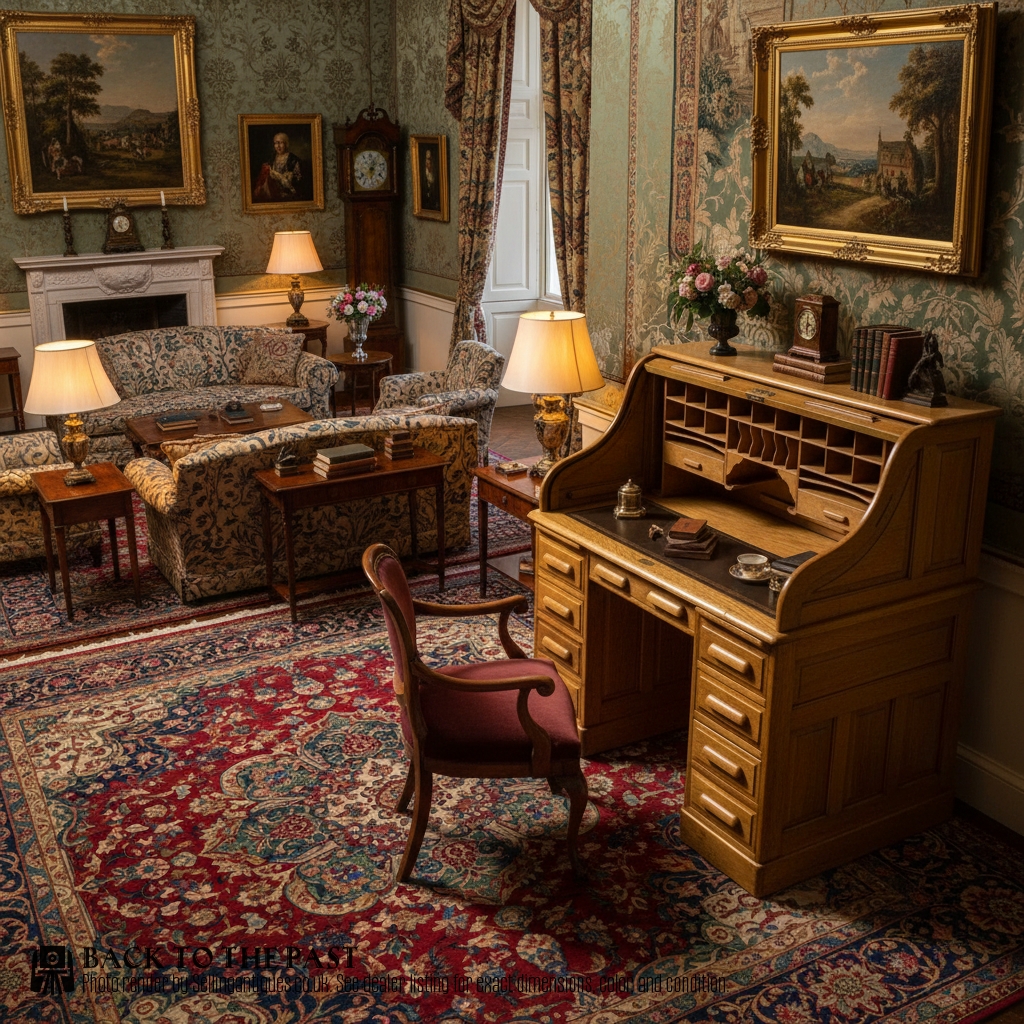
Materials and construction methods
Cabinet makers utilised solid timbers such as mahogany, oak, and walnut, frequently applying intricate marquetry, inlay, and flame mahogany veneers across the exterior surfaces. Structural integrity relied on traditional joinery methods suited to the demands of domestic and office furniture.
Brass fittings, leather writing inserts, and glass panelling feature in many pieces, particularly on pedestal writing desks and bureau bookcases from the nineteenth and early twentieth centuries.
Antique Wooden Bureau Desk Retail Price Guide 2026
Typical asking prices for wooden bureau desk among the pieces listed under this phrase on Sellingantiques today, from the lower quarter to the upper quarter. They describe what is for sale here now, not the wider market.
Several desks manage to hide secret drawers behind tiny wooden panels that require a specific sequence of pushes to open.
Craftsmanship and material selection
The distinction between standard examples and the finest pieces lies in the choice of timber figure, such as matched flame mahogany or burr walnut, and the precision of the cabinet work. Superior items display meticulous attention to internal stationery drawers, secret compartments, and original brass hardware.
Maker attribution and labelled pieces from recognised firms elevate a desk's standing, whereas later alterations or replacement hardware diminish the integrity of the original construction.
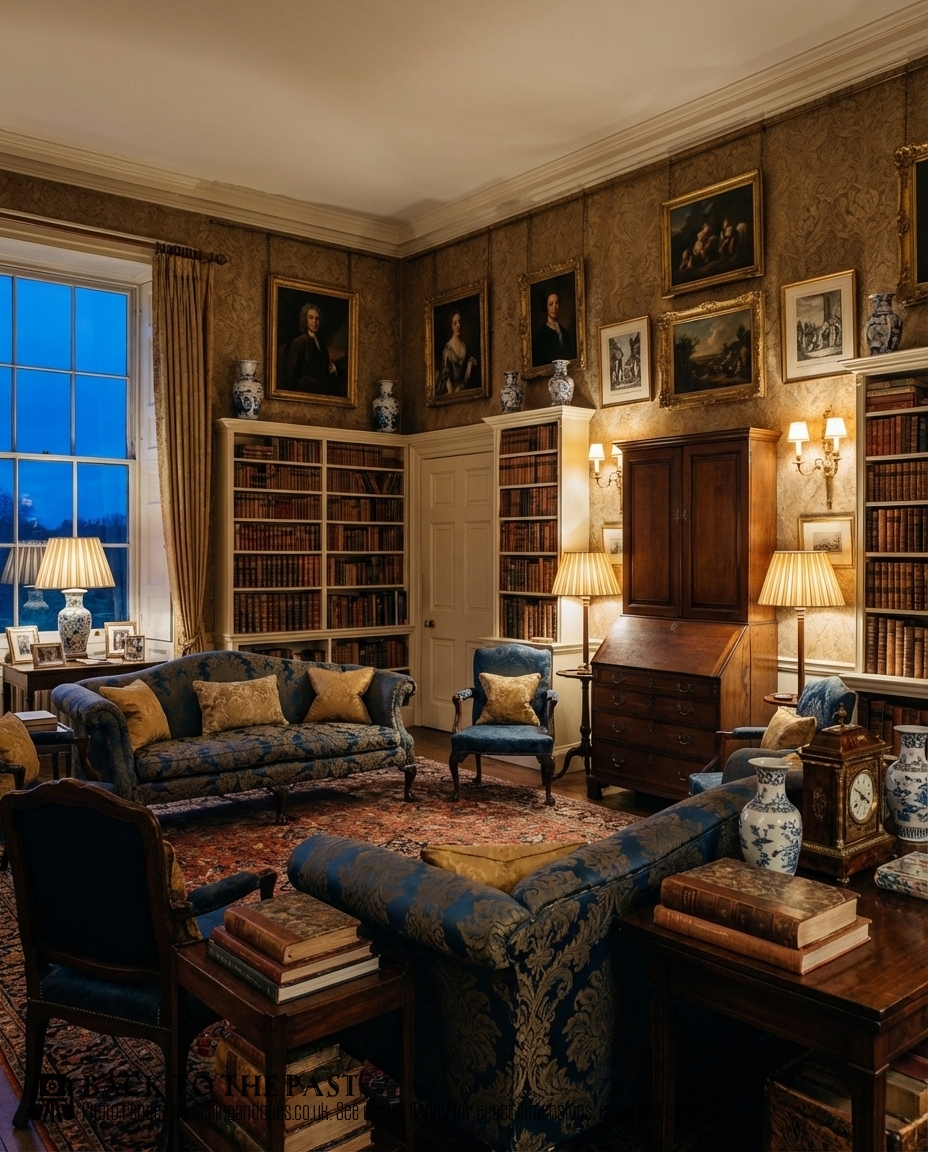
James Mein of Kelso·Heals of London·Bryn Mawr·Maple and Co·Arthur Basil Reynolds
The Antique Wooden Bureau Desk Glossary
- Bureau
- A writing desk featuring a sloping lid that opens to reveal pigeonholes and small drawers. This form evolved significantly from the Georgian period into the twentieth century.
- Secretaire
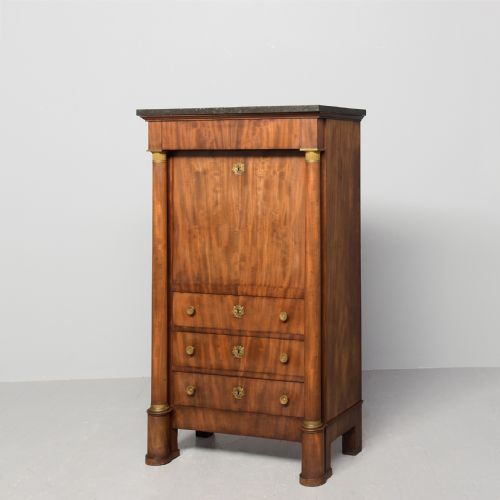
- A cabinet or chest incorporating a pull-out or drop-front writing drawer that conceals a fitted interior. It often forms part of a larger bookcase or tallboy unit.
- Tambour
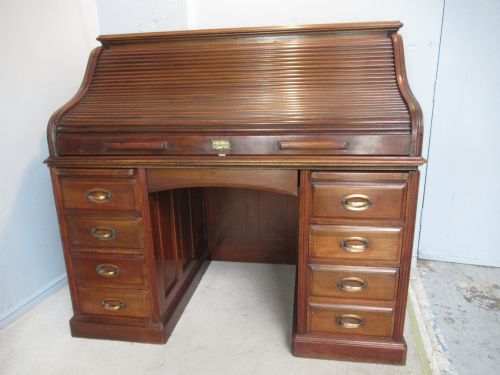
- A sliding top or shutter constructed from narrow strips of wood glued to a canvas backing, allowing it to curve around a cylinder mechanism.
- Davenport
- A small, compact Victorian writing desk featuring a sloping top above a pedestal of drawers. It typically includes side compartments for stationery.
- Marquetry
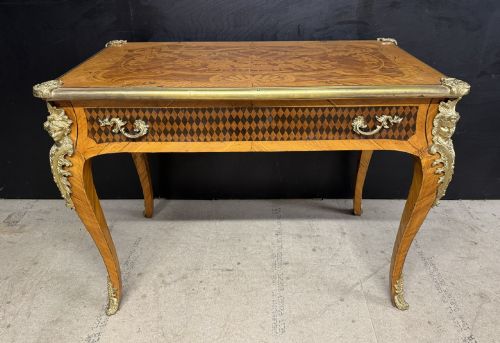
- Decorative veneer work created by fitting pieces of various woods, shells, or ivories into a geometric or pictorial design upon a solid carcase.
Antique Wooden Bureau Desk: Frequently Asked Questions
What is a fall front bureau?
A fall front bureau is a writing cabinet with a hinged writing flap that drops into a horizontal position for use. When closed, the flap conceals an arrangement of small drawers and pigeonholes.
This design allows paperwork and writing materials to remain enclosed and out of sight when not in use, keeping domestic spaces tidy.
How do cylinder desks work?
Cylinder desks utilise a curved wooden shutter that slides back into the body of the desk to uncover the writing surface. Many versions incorporate a linked mechanism where pulling out the main writing slide automatically retracts the cylinder.
This mechanism protected confidential papers and writing equipment in nineteenth-century studies and offices.
Where were bureau bookcases placed?
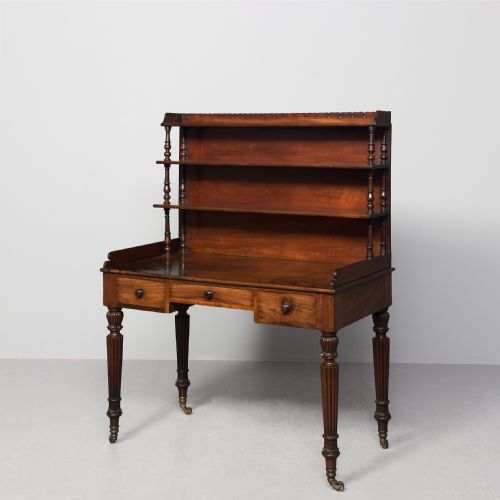
Bureau bookcases combined a lower writing desk with an upper shelving unit enclosed by glass or wooden doors. They stood in libraries, drawing rooms, and studies of larger homes to house both a household's correspondence and its book collection.
The lower section provided a fold-down writing surface alongside storage drawers for ledgers and stationery.
How do I care for a leather desk top?
Leather writing inserts require gentle cleaning with a damp cloth and occasional treatment with appropriate leather dressings to prevent cracking. Avoiding direct sunlight and excessive heat preserves both the leather and the surrounding timber.
Many antique pedestal desks retain their original or period-replacement leather surfaces, which benefit from careful, minimal maintenance.